Albania: Unveiling Balkan History & Embracing Emerging Tourism
Albania: Unveiling Balkan History & Embracing Emerging Tourism
Hey there! Have you ever considered visiting Albania? If not, you absolutely should! It's a hidden gem in the Balkans, a place where ancient history whispers on the breeze, stunning landscapes unfold around every bend, and a warm, welcoming culture awaits you. I've been lucky enough to explore Albania a few times now, and each trip has left me more captivated than the last. Let me tell you about its fascinating history and why it's becoming such a hot spot for tourism.
A Land Steeped in Ancient Echoes
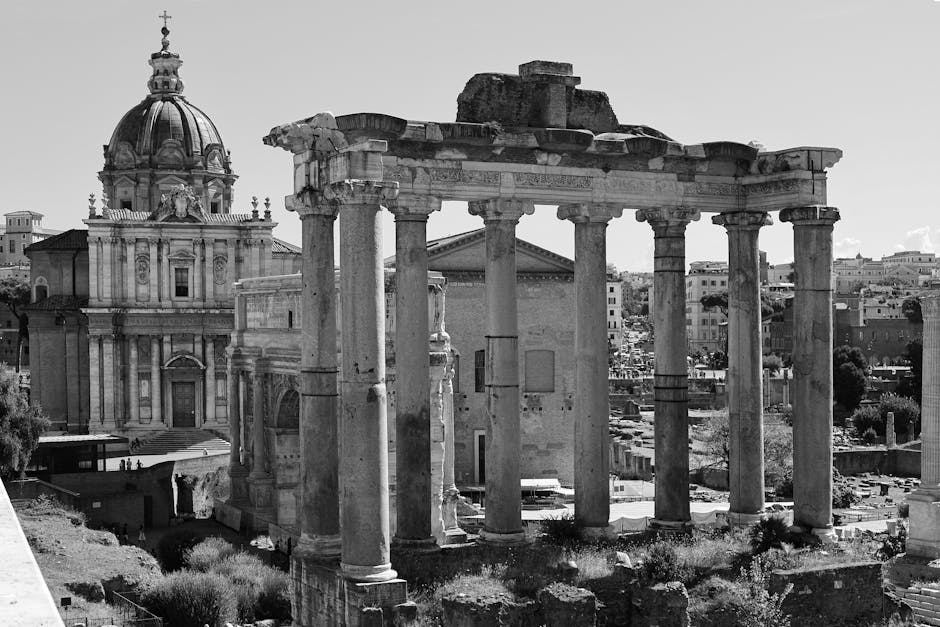
Albania's history is long and complex, a tapestry woven with threads of Illyrian tribes, Roman emperors, Byzantine rule, Ottoman influence, and a more recent communist era. It's a land where you can literally walk through time, discovering remnants of civilizations that have shaped its identity. Honestly, it's mind-blowing!
The Illyrians, ancient Indo-European tribes, are considered the ancestors of modern Albanians. They inhabited the region for centuries, leaving behind archaeological sites like the ancient city of Butrint. Butrint, now a UNESCO World Heritage site, is a must-see! Imagine wandering through the ruins of a Roman theatre, a Byzantine basilica, and a Venetian tower, all in one place. You can almost hear the echoes of the past as you explore its crumbling walls and overgrown paths. I remember standing there, overlooking the Vivari Channel, completely lost in the historical significance of it all.
The Romans came next, leaving their mark on Albania through infrastructure and administration. Durrës, one of Albania's oldest cities, became a major Roman port. You can still see remnants of Roman aqueducts and amphitheaters scattered throughout the country. After the fall of the Roman Empire, Albania came under Byzantine rule for centuries. This period saw the spread of Christianity and the construction of many beautiful churches and monasteries. It's a time that left a lasting impact on the religious and cultural landscape of Albania. One of my favorite things to do is find small, unassuming Byzantine churches tucked away in the mountains. They're often simple on the outside but incredibly beautiful inside.
Ottoman Influence and a Fight for Independence
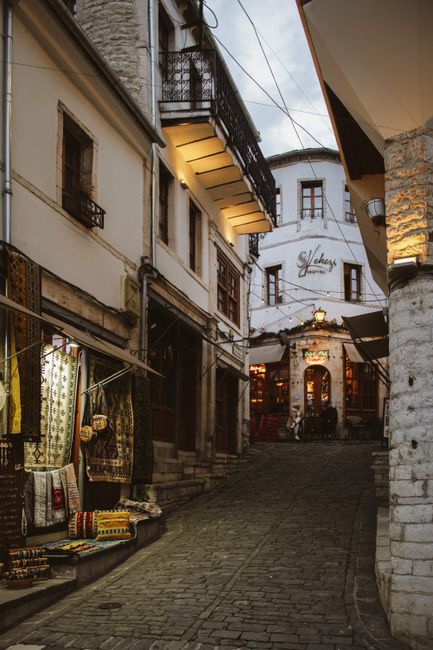
The Ottoman Empire dominated Albania for nearly five centuries, significantly influencing the country's culture, architecture, and cuisine. While Ottoman rule brought certain developments, it also involved struggles against oppression and a persistent desire for independence. Mosques were built, Turkish customs were adopted, and a significant portion of the population converted to Islam. You'll see this reflected in the architecture, especially in cities like Berat and Gjirokastër, with their Ottoman-era houses and winding cobblestone streets.
Skanderbeg, a national hero, led a fierce resistance against the Ottomans in the 15th century, becoming a symbol of Albanian resilience and independence. He successfully defended Albanian territory for over two decades, earning respect throughout Europe. You'll find monuments and museums dedicated to Skanderbeg all over Albania, a testament to his enduring legacy. The Skanderbeg Square in Tirana is the central hub of the city, a bustling space where you can feel the pulse of modern Albania while acknowledging its heroic past.
Albania finally gained its independence in 1912, but the years that followed were marked by political instability and foreign interference. It wasn't an easy road to self-determination, but the unwavering spirit of the Albanian people shines through.
The Communist Era: A Chapter of Isolation

After World War II, Albania became a communist state under the leadership of Enver Hoxha. This period was characterized by strict isolationism, a centrally planned economy, and political repression. Hoxha's regime built thousands of concrete bunkers throughout the country, fearing foreign invasion. These bunkers, now often repurposed or left as stark reminders of the past, are a peculiar yet fascinating part of the Albanian landscape. They're scattered everywhere – in fields, on beaches, even in cities. Seeing them is a surreal experience, a constant reminder of Albania's recent history.
The communist regime collapsed in 1991, leading to a period of transition and economic hardship. But with the fall of communism, Albania began its journey towards democracy and a market economy. It's been a process filled with challenges, but the progress has been remarkable. I've noticed a huge difference in the country even over the last few years – more infrastructure, more opportunities, and a palpable sense of optimism.
Albania's Tourism Boom: Why Now?

So, why is Albania suddenly becoming a popular tourist destination? Well, I think there are several reasons:
- Untouched Beauty: Albania boasts stunning natural landscapes, from the rugged Albanian Alps to the turquoise waters of the Ionian and Adriatic coasts. The country is still relatively untouched by mass tourism, offering a more authentic and unspoiled travel experience.
- Rich History and Culture: As I mentioned earlier, Albania's history is incredibly rich and diverse. You can explore ancient ruins, Ottoman-era cities, and communist-era relics, all within a relatively small area. The culture is equally fascinating, a blend of traditions and influences from various civilizations.
- Affordability: Compared to other European destinations, Albania is incredibly affordable. You can enjoy delicious meals, comfortable accommodation, and exciting activities without breaking the bank. This makes it an attractive option for budget-conscious travelers.
- Friendly Locals: Albanians are known for their hospitality and warmth. They are genuinely happy to welcome visitors and share their culture. Don't be surprised if you're invited for coffee or a traditional meal by a local family!
- Adventure Opportunities: Albania offers a wide range of adventure activities, from hiking and mountain biking in the Alps to swimming and sunbathing on the coast. You can also try white-water rafting, canyoning, and paragliding.
Basically, it's the perfect blend of affordability, adventure, and authenticity. Plus, the lack of overwhelming crowds makes it so much more enjoyable to explore.
Must-See Destinations in Albania
If you're planning a trip to Albania, here are a few must-see destinations:
- Tirana: The capital city is a vibrant and bustling metropolis with a mix of communist-era architecture, modern buildings, and colorful street art. Don't miss Skanderbeg Square, the National Historical Museum, and the Blloku district. Blloku, once the exclusive domain of communist elites, is now a trendy area filled with cafes, bars, and restaurants. It's a great place to soak up the city's atmosphere.
- Berat: Known as the "City of a Thousand Windows," Berat is a UNESCO World Heritage site with a stunning Ottoman-era architecture. Explore the Berat Castle, wander through the Mangalem and Gorica quarters, and visit the Onufri Iconography Museum. The view from the castle overlooking the Osumi River is absolutely breathtaking.
- Gjirokastër: Another UNESCO World Heritage site, Gjirokastër is a historic city with well-preserved Ottoman-era houses and a formidable fortress. Visit the Gjirokastër Fortress, explore the Ethnographic Museum, and wander through the cobblestone streets. I loved getting lost in the maze of narrow streets and discovering hidden courtyards and artisan shops.
- Butrint: As I mentioned before, Butrint is an ancient city with ruins dating back to the Illyrian, Roman, Byzantine, and Venetian periods. It's a fascinating place to learn about Albania's rich history and enjoy stunning views of the Vivari Channel.
- The Albanian Riviera: The Albanian Riviera is a beautiful stretch of coastline with turquoise waters, sandy beaches, and charming villages. Popular destinations include Sarandë, Ksamil, and Dhërmi. Ksamil, with its small islands just offshore, is particularly stunning. You can rent a boat or kayak and explore the islands, swim in the crystal-clear water, and relax on the beaches.
- The Albanian Alps: Also known as the Accursed Mountains, the Albanian Alps offer stunning hiking trails, breathtaking views, and traditional villages. Popular destinations include Valbonë and Theth. The hike between Valbonë and Theth is a challenging but rewarding experience, offering incredible scenery and a chance to connect with nature.
Tips for Traveling in Albania
To make your trip to Albania even smoother, here are a few tips:
- Learn a few basic Albanian phrases: While many Albanians speak English, especially in tourist areas, learning a few basic phrases like "Përshëndetje" (Hello), "Faleminderit" (Thank you), and "Ju lutem" (Please) will be greatly appreciated.
- Be prepared for varied road conditions: While major roads are generally in good condition, some rural roads can be narrow, winding, and unpaved. If you plan to explore the countryside, consider renting an SUV or a vehicle with higher clearance.
- Carry cash: While credit cards are accepted in some hotels and restaurants, it's always a good idea to carry cash, especially when visiting smaller towns and villages. The local currency is the Albanian Lek (ALL).
- Bargain respectfully: In some markets and shops, bargaining is expected. However, always do so respectfully and with a smile.
- Be aware of potential scams: As with any tourist destination, be aware of potential scams and petty theft. Keep your valuables safe and be cautious of overly friendly strangers.
- Respect local customs and traditions: Albania is a relatively conservative country, so it's important to dress modestly when visiting religious sites and to be respectful of local customs and traditions.
The Future of Tourism in Albania
I believe that tourism in Albania has a bright future. The country is investing in infrastructure, promoting sustainable tourism practices, and working to preserve its cultural heritage. As more and more people discover Albania's beauty and charm, it's sure to become an even more popular destination. However, it's important to ensure that tourism is developed responsibly, so that it benefits local communities and protects the environment.
I truly hope that Albania can maintain its authentic charm while embracing the opportunities that tourism brings. It's a special place, and I want to see it thrive in a sustainable way. Imagine supporting local businesses, preserving traditional crafts, and protecting the natural environment, all while providing unforgettable experiences for visitors.
My Personal Takeaway
My personal experience in Albania has been nothing short of amazing. From the stunning landscapes to the warm hospitality of the locals, it's a country that has captured my heart. I've learned so much about its history, its culture, and its people. I've sipped strong Albanian coffee in tiny cafes, hiked through breathtaking mountain scenery, and shared stories with locals who welcomed me like family. It's a journey that has broadened my perspective and deepened my appreciation for the world around me.
So, if you're looking for a unique and unforgettable travel experience, I highly recommend adding Albania to your list. You won't be disappointed. Go explore! You might just fall in love with it like I did.
Post a Comment