Backpacking Europe: Your Ultimate Budget Adventure Guide!

Backpacking Europe: Your Ultimate Budget Adventure Guide!
Hey there, fellow wanderers! Ever dreamt of exploring Europe but thought your bank account wouldn't allow it? I get it. I used to think the same way. But trust me, backpacking Europe on a budget is not only possible, it's an incredibly rewarding and unforgettable experience. I've done it myself, more than once, and I'm here to share my secrets to help you plan your own epic adventure without breaking the bank.
Why Backpacking Europe is the BEST Way to See It

Forget those stuffy tour buses and overpriced hotels. Backpacking throws you right into the heart of the action. It's about authentic experiences, spontaneous decisions, and connecting with locals and other travelers. Here's why I'm such a huge advocate for the backpacking approach:
- Flexibility: You're not tied to a rigid itinerary. Change your mind about a city? No problem! Want to spend an extra day hiking in the Alps? Go for it! Backpacking gives you the freedom to explore at your own pace.
- Budget-Friendly: By choosing hostels, cooking your own meals, and utilizing free activities, you can drastically reduce your travel costs. I'm talking about potentially saving thousands of dollars compared to traditional travel.
- Cultural Immersion: Staying in hostels, interacting with locals at markets, and navigating public transportation forces you to step outside your comfort zone and engage with different cultures on a deeper level.
- Amazing Connections: Hostels are melting pots of travelers from all over the world. You'll meet incredible people, swap stories, and maybe even find a travel buddy for part of your journey. Some of my closest friends are people I met backpacking!
- Personal Growth: Backpacking pushes you to become more resourceful, independent, and adaptable. You'll learn to navigate new situations, overcome challenges, and develop a newfound confidence in your abilities.
Planning Your Budget-Friendly Route
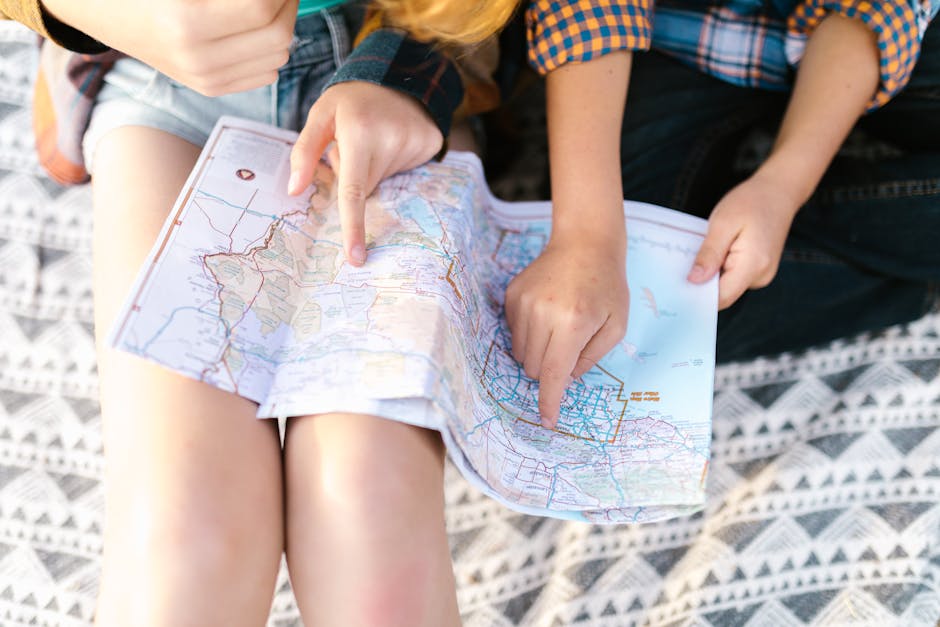
Okay, so you're sold on the idea of backpacking. Now comes the exciting part: planning your route! This is where a little research goes a long way. Consider these factors when crafting your itinerary:
- Time of Year: Shoulder seasons (spring and fall) offer the best balance of pleasant weather, fewer crowds, and lower prices. Summer is peak season, meaning higher prices and more tourists. Winter can be charming, but some attractions may have limited hours, and certain regions can be quite cold.
- Your Interests: What do you want to experience? History? Art? Nature? Nightlife? Choose destinations that align with your passions. Research popular attractions and hidden gems in each city.
- Transportation Costs: Consider the distance between cities and the cost of getting from one place to another. Train travel can be expensive, especially in Western Europe. Budget airlines (like Ryanair and EasyJet) can be a great option, but be mindful of baggage fees and airport locations. Bus travel is often the cheapest option, but it can be time-consuming.
- Budget per Day: Be realistic about how much you can afford to spend each day. This will vary depending on the region you're visiting. Eastern Europe is generally much cheaper than Western Europe. A good starting point is to estimate between $30-$70 USD per day, but this depends greatly on your travel style.
Making the Most of Hostels (and Alternative Accommodation)

Hostels are your best friend when backpacking on a budget. They offer dorm-style rooms (usually with bunk beds) at a fraction of the cost of hotels. But don't think of them as just cheap places to sleep. They're social hubs where you can meet other travelers, get local tips, and sometimes even participate in free activities. Here are a few tips for making the most of your hostel experience:
- Read Reviews: Before booking a hostel, read reviews on websites like Hostelworld, Booking.com, or TripAdvisor. Pay attention to comments about cleanliness, atmosphere, location, and security.
- Choose the Right Room: Consider your priorities when choosing a room. Do you prefer a smaller dorm for more peace and quiet? Or a larger dorm for more social interaction? Female-only dorms are also available.
- Pack Essentials: Bring a travel towel, earplugs, an eye mask, and a padlock for lockers. Some hostels may charge extra for these items.
- Be Respectful: Remember that you're sharing a space with other people. Be mindful of noise levels, especially late at night and early in the morning. Clean up after yourself in the shared kitchen and bathrooms.
- Participate in Activities: Many hostels offer free or low-cost activities, such as walking tours, pub crawls, and cooking classes. Take advantage of these opportunities to meet other travelers and explore the city.
Beyond hostels, explore these budget-friendly accommodation options:
- Airbnb: Consider private rooms in apartments, especially if you're traveling with a friend or partner.
- Couchsurfing: This is a great way to meet locals and stay for free. However, it requires more planning and communication with your host.
- Camping: If you're traveling during warmer months and enjoy the outdoors, camping can be a very affordable option.
Eating Like a Local (Without Breaking the Bank)

Food is an essential part of any travel experience, but it can also be a major expense. Here's how to savor the flavors of Europe without emptying your wallet:
- Cook Your Own Meals: Take advantage of hostel kitchens and cook your own meals. Grocery stores are generally much cheaper than restaurants. Look for local markets for fresh produce and ingredients.
- Eat Street Food: Street food is a delicious and affordable way to experience local cuisine. From falafel in Berlin to pizza in Rome to crepes in Paris, there's something for everyone.
- Take Advantage of Lunch Deals: Many restaurants offer lunch specials that are significantly cheaper than dinner.
- Happy Hour: Look for bars with happy hour specials on drinks and appetizers.
- Free Walking Tours: Many free walking tours end with a recommended local restaurant, where they often have a deal worked out for the tour participants.
- Pack Snacks: Pack snacks like granola bars, nuts, and dried fruit to avoid impulse purchases when you're hungry.
- Drink Tap Water: In most European countries, tap water is safe to drink. Carry a reusable water bottle and refill it throughout the day.
Smart Transportation Tips for Budget Backpackers
Getting around Europe can be expensive, but with a little planning, you can save a lot of money on transportation:
- Walk Whenever Possible: Walking is the best way to explore a city and it's free!
- Utilize Public Transportation: Public transportation systems in most European cities are efficient and affordable. Buy a day pass or multi-day pass for unlimited rides.
- Consider a Eurail Pass: If you're planning to travel extensively by train, a Eurail pass might be worth the investment. However, do the math to see if it's actually cheaper than buying individual tickets. Often, booking train tickets in advance can be more cost-effective.
- Book Flights in Advance: Book flights as far in advance as possible to get the best deals. Be flexible with your travel dates and airports.
- Take Overnight Buses or Trains: Save money on accommodation by traveling overnight.
- Carpooling: Websites like BlaBlaCar connect drivers with passengers who are traveling to the same destination.
- Hitchhiking: While hitchhiking can be a very affordable way to travel, it's important to be aware of the risks and take necessary safety precautions.
Free Activities and Entertainment

You don't need to spend a fortune to have a great time in Europe. There are plenty of free activities and entertainment options available:
- Free Walking Tours: Many cities offer free walking tours that are a great way to learn about the history and culture of the area.
- Museums on Free Days: Many museums offer free admission on certain days of the week or month.
- Parks and Gardens: Spend time relaxing in parks and gardens. Many of them have free concerts and events during the summer months.
- People Watching: Find a spot in a public square or park and watch the world go by. It's a great way to soak up the atmosphere and observe local life.
- Hiking: Many regions of Europe offer stunning hiking trails.
- Free Concerts and Festivals: Check local listings for free concerts and festivals.
- Explore Churches and Cathedrals: Many churches and cathedrals are free to enter and are architectural marvels.
- Attend Free Events at Hostels: Hostels often host free events like movie nights, game nights, and language exchange sessions.
Packing Essentials for the Budget Backpacker

Packing light is crucial when backpacking. Not only will it save you money on baggage fees, but it will also make it easier to navigate public transportation and walk around cities. Here's a list of essential items to pack:
- Backpack: Choose a comfortable and durable backpack that fits your torso. A 40-60 liter backpack is generally a good size for backpacking.
- Packing Cubes: Packing cubes will help you organize your belongings and save space.
- Travel Towel: A quick-drying travel towel is essential for hostels and camping.
- Universal Adapter: You'll need a universal adapter to charge your electronics.
- First-Aid Kit: Pack a small first-aid kit with essentials like bandages, antiseptic wipes, pain relievers, and any prescription medications you need.
- Reusable Water Bottle: Stay hydrated and save money by carrying a reusable water bottle.
- Comfortable Shoes: You'll be doing a lot of walking, so comfortable shoes are a must.
- Basic Clothing: Pack versatile clothing items that can be mixed and matched. Choose lightweight and quick-drying fabrics.
- Rain Jacket: Be prepared for unpredictable weather with a lightweight rain jacket.
- Lock: A padlock is essential for securing your belongings in hostel lockers.
Staying Safe While Backpacking

While backpacking is generally safe, it's important to be aware of your surroundings and take necessary precautions:
- Be Aware of Your Surroundings: Pay attention to your surroundings and avoid walking alone in dark or unfamiliar areas.
- Keep Your Valuables Secure: Don't flash expensive jewelry or electronics. Keep your wallet and phone in a secure pocket or bag.
- Make Copies of Important Documents: Make copies of your passport, driver's license, and other important documents. Store them separately from the originals.
- Share Your Itinerary: Share your itinerary with a friend or family member back home.
- Learn Basic Phrases in the Local Language: Knowing a few basic phrases in the local language can be helpful in case of emergencies.
- Trust Your Gut: If a situation feels uncomfortable or unsafe, trust your gut and remove yourself from the situation.
- Avoid Scams: Be aware of common scams targeting tourists, such as pickpockets, fake police officers, and rigged games.
- Drink Responsibly: Avoid excessive alcohol consumption, especially when you're alone.
Embrace the Unexpected!

The most important thing to remember when backpacking Europe is to embrace the unexpected! Things won't always go according to plan, and that's okay. Some of the best travel experiences happen when you least expect them. Be open to new experiences, be flexible, and be willing to step outside your comfort zone. You'll be amazed at what you discover!
So, what are you waiting for? Start planning your ultimate budget backpacking adventure in Europe today! You won't regret it!
Post a Comment