Bath, England: Unveiling the Roman Spa Town's Ancient Charms
Bath, England: Unveiling the Roman Spa Town's Ancient Charms
Okay, so you're thinking about visiting Bath, England? Fantastic choice! I've been lucky enough to wander its golden streets a few times now, and let me tell you, it's absolutely captivating. More than just pretty architecture, Bath is steeped in history, especially Roman history. It's like stepping back in time, and I'm excited to share my experiences and insights with you, so you can make the most of your own trip!
A Dip into Bath's Roman Roots

First things first, let's talk about why Bath is famous: the Romans! They arrived in Britain around AD 43, and soon after, they discovered the natural hot springs bubbling up from the earth here. These weren't just any springs; they were incredibly special, mineral-rich waters that the Romans believed had healing properties. Being the clever engineers and builders they were, they quickly set about constructing a magnificent bathing complex.
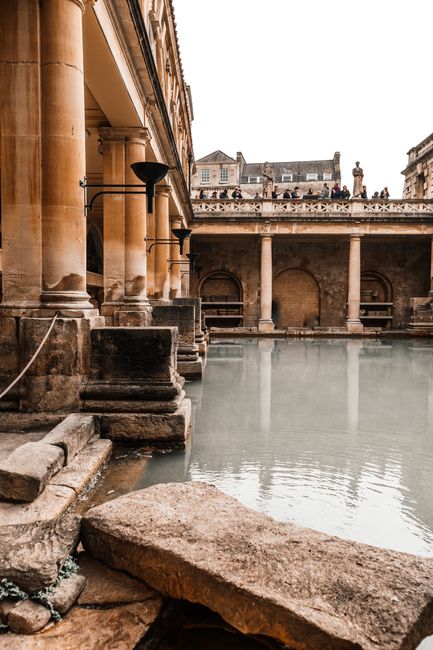
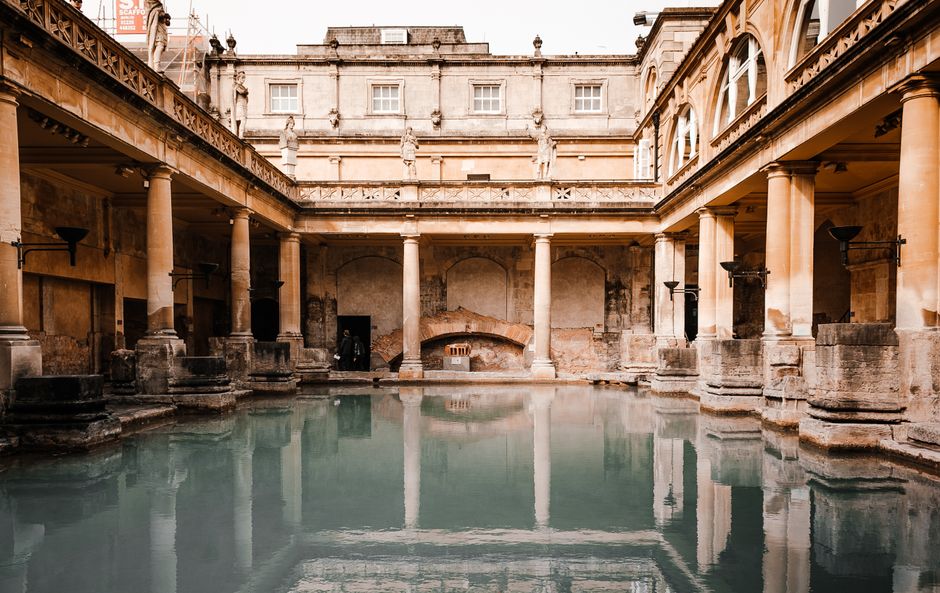
Imagine this: You're a Roman soldier, weary from battle or a local citizen looking for relaxation. You enter this grand building, adorned with impressive statues and intricate decorations. You soak in the warm, soothing waters, feeling your aches and pains melt away. This wasn't just about hygiene; it was a social hub, a place to connect, and a celebration of the natural world. That's what the Roman Baths were all about! I have to admit, when I first saw the Great Bath, that vast open-air pool, I felt a genuine sense of awe. It's mind-blowing to think about the people who gathered there centuries ago, sharing stories and enjoying the same natural resource.
Exploring the Roman Baths Today

Today, the Roman Baths are a remarkably well-preserved museum that allows you to walk in the footsteps of those ancient Romans. You can explore:
- The Sacred Spring: This is the very heart of the Roman Baths. See where the hot water, still flowing at 46°C (115°F), rises from the ground. You can even try the spa water, which I did! Be warned, though; it's not exactly delicious! It has a distinct mineral taste, a bit like slightly metallic water. But hey, it's all part of the experience, right?
- The Roman Temple: The Romans dedicated the baths to the goddess Sulis Minerva, a fascinating blend of the local Celtic deity Sulis and the Roman goddess Minerva. You can see remnants of the temple, including the impressive gilt bronze head of Sulis Minerva.
- The Great Bath: This is the iconic central pool, lined with Roman lead and surrounded by impressive columns and statues. It's a truly breathtaking sight, especially when illuminated at night.
- The Changing Rooms (Apodyterium): Imagine the hustle and bustle of Roman citizens preparing for their bath! These rooms offer a glimpse into their daily lives.
- The Frigidarium (Cold Bath): For the truly brave, a plunge into a cold bath was part of the Roman bathing ritual. I'm definitely not brave enough for that!
- The Caldarium (Hot Bath): Steam rooms and saunas were used to cleanse the body before entering the baths.
The museum provides excellent audio guides, offering detailed information about the history, architecture, and daily life of the Roman Baths. I highly recommend taking one; it really brings the whole experience to life. You'll learn about the ingenious Roman engineering that allowed them to harness the hot springs, the religious significance of the site, and the social rituals that took place there.
Beyond the Baths: More Roman History in Bath
While the Roman Baths are undoubtedly the star attraction, there's more Roman history to uncover in Bath. Keep an eye out for:
- The Roman Baths Museum Displays: Even outside the main bath area, the museum has loads of Roman artefacts that have been uncovered over the years. Tools, jewellery, and even curse tablets! These little pieces of everyday life are super interesting.
- The Roman Walls: Although much of the Roman city walls have disappeared, you can still see remnants integrated into the city's modern buildings. Look closely as you wander the streets, and you might spot some ancient stonework.
- Excavations: Sometimes, when construction work is being done in Bath, new Roman remains are discovered! It's a reminder that the city is built on layers of history.
Practical Tips for Visiting the Roman Baths
Okay, so you're ready to plan your visit? Here are a few tips to help you make the most of it:
- Book in Advance: The Roman Baths are a popular attraction, so booking tickets online in advance is essential, especially during peak season (summer months and holidays). This will save you time and guarantee your entry.
- Go Early or Late: To avoid the biggest crowds, try visiting early in the morning or later in the afternoon. The atmosphere is particularly magical in the evening when the baths are illuminated.
- Allow Plenty of Time: There's a lot to see and explore at the Roman Baths, so allow at least 2-3 hours for your visit. This will give you time to listen to the audio guide, wander through the different areas, and soak in the atmosphere.
- Wear Comfortable Shoes: You'll be doing a lot of walking, so comfortable shoes are a must.
- Consider a Combined Ticket: If you're planning to visit other attractions in Bath, consider purchasing a combined ticket to save money. The Bath Discovery Card, for example, offers entry to several museums and attractions.
- Don't Forget Your Camera: The Roman Baths are incredibly photogenic, so don't forget to bring your camera to capture the memories.
- Check for Special Events: The Roman Baths often host special events, such as guided tours, lectures, and performances. Check their website to see what's happening during your visit.
Beyond the Roman Baths: Experiencing Modern Bath
While the Roman Baths are the main draw, Bath has so much more to offer! After immersing yourself in Roman history, take some time to explore the rest of this beautiful city.
Georgian Grandeur: Bath's Architectural Delights
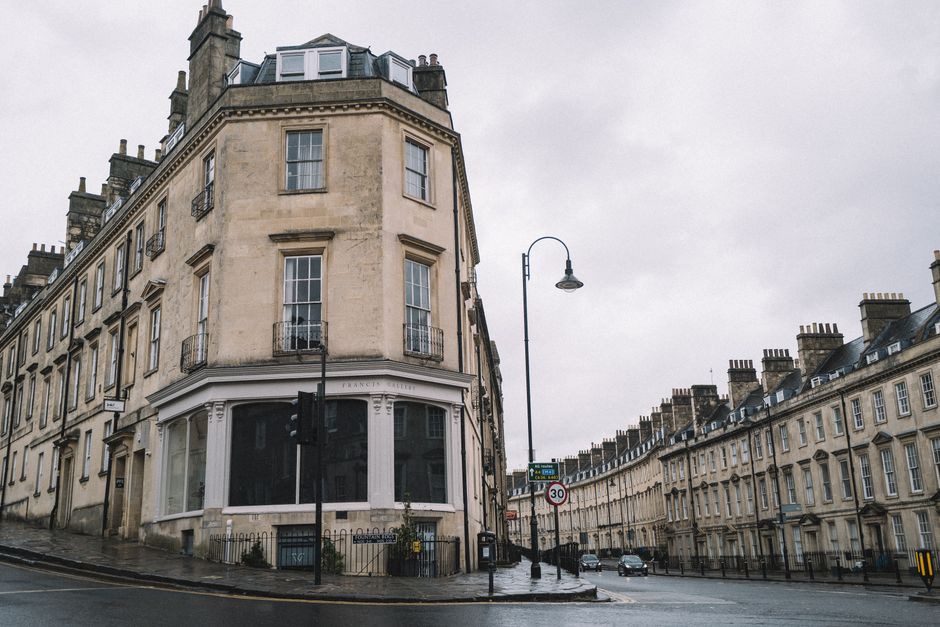
After the Romans left, Bath went through periods of decline and then revival. But it was during the Georgian era (18th century) that Bath really blossomed into the elegant city we know today. The architectural style of this time is characterized by symmetry, proportion, and classical details. Imagine strolling through streets lined with honey-colored buildings, their facades adorned with intricate carvings and grand doorways.
Key Georgian landmarks include:
- The Royal Crescent: This is perhaps the most iconic symbol of Bath, a sweeping crescent of 30 terraced houses that exemplifies Georgian architecture. You can walk along the lawn in front of the Royal Crescent and imagine life in the 18th century. Number 1 Royal Crescent is a museum that offers a glimpse into the opulent lifestyle of the wealthy residents.
- The Circus: Similar to the Royal Crescent, the Circus is a circular arrangement of grand houses designed by John Wood the Elder. It's a stunning example of Palladian architecture.
- Pulteney Bridge: This elegant bridge, designed by Robert Adam, spans the River Avon and is lined with shops, making it one of only four bridges in the world with shops across its full span on both sides.
- Bath Abbey: While not strictly Georgian, Bath Abbey dominates the city skyline and is a masterpiece of Perpendicular Gothic architecture. It's worth a visit to admire its stained glass windows and intricate vaulting.
Relax and Rejuvenate: Modern Spa Experiences

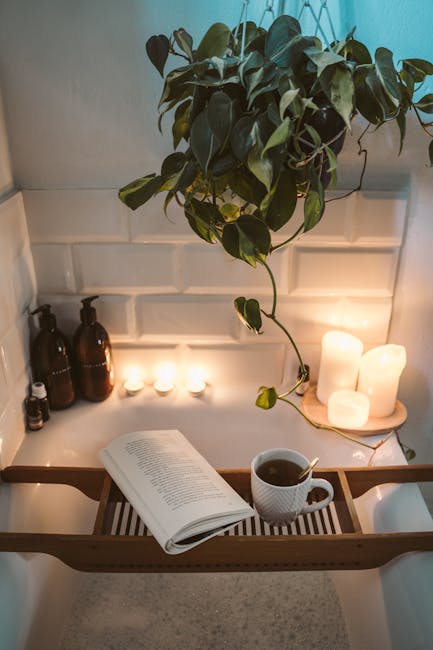
The spirit of the Roman Baths lives on in Bath's modern spa experiences. While you can't actually bathe in the ancient Roman Baths themselves (for preservation reasons), you can still indulge in a relaxing spa treatment at the Thermae Bath Spa. This modern spa complex uses the same natural hot springs as the Romans, offering a range of treatments and thermal baths. I spent an afternoon at Thermae Bath Spa, and it was pure bliss. Soaking in the rooftop pool with panoramic views of the city was a highlight. There's also the Cross Bath, a smaller and more intimate thermal bath, which offers a unique and tranquil experience.
Foodie Delights: Sampling Bath's Culinary Scene

All that exploring is bound to work up an appetite! Bath has a fantastic culinary scene, with options to suit every taste and budget. From traditional afternoon tea to modern gastropubs, you'll find plenty to tempt your taste buds.
Here are a few ideas:
- Afternoon Tea: No trip to Bath is complete without indulging in afternoon tea. Several hotels and tearooms offer this quintessentially British experience, with delicate sandwiches, scones with clotted cream and jam, and a selection of teas. The Pump Room Restaurant, located next to the Roman Baths, is a popular choice.
- Sally Lunn's Historic Eating House: This is the oldest house in Bath and is famous for its Sally Lunn bun, a type of large, slightly sweet bun. It's a must-try for anyone visiting Bath.
- The Bath Guildhall Market: Explore this historic market, filled with stalls selling local produce, artisanal cheeses, and other culinary delights.
- Pub Grub: Bath has a great selection of traditional pubs serving hearty pub fare, such as fish and chips, pies, and Sunday roast.
- Fine Dining: For a more upscale dining experience, Bath has several excellent restaurants offering innovative cuisine and elegant surroundings.
Final Thoughts: Why Bath is Worth Visiting
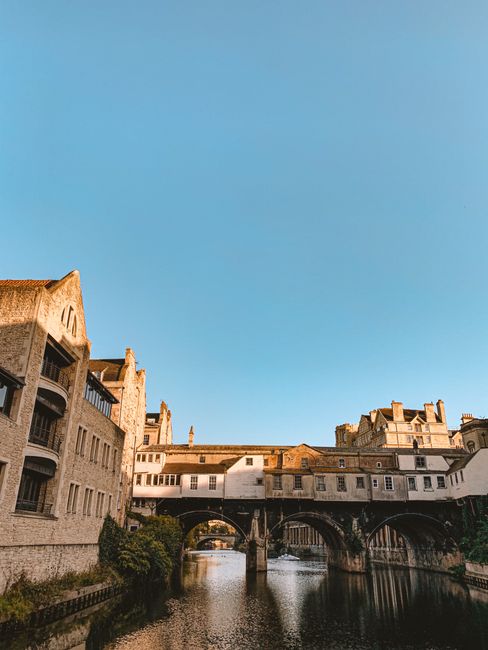
Bath is truly a special place, a city where history and beauty intertwine. From the ancient Roman Baths to the Georgian architecture, there's something to captivate everyone. Whether you're interested in history, architecture, relaxation, or simply soaking in the atmosphere of a beautiful city, Bath is a destination that won't disappoint. I hope my experiences and tips have inspired you to plan your own trip to this enchanting Roman spa town! You won't regret it!
Post a Comment