Belfast: Unearthing the Vibrant History and Soul of Northern Ireland's Capital
Belfast: Unearthing the Vibrant History and Soul of Northern Ireland's Capital
Belfast. Just the name conjures up images, doesn't it? For some, it might be the Titanic, for others, the Troubles. But trust me, there's so much more to this captivating city than meets the eye. I've had the privilege of spending time in Belfast, wandering its streets, chatting with its people, and soaking in its unique atmosphere. And I want to share my experiences with you, peeling back the layers of history and culture to reveal the true heart of Belfast.
A City Forged in Industry: Belfast's Rise to Prominence

Let's start at the beginning, shall we? Belfast wasn't always the bustling metropolis it is today. Its roots are humble, dating back to the Iron Age. But it was the 17th century that truly set the stage for its future, with the arrival of Scottish and English settlers, the start of its growth as a market town, and the establishment of its linen industry.
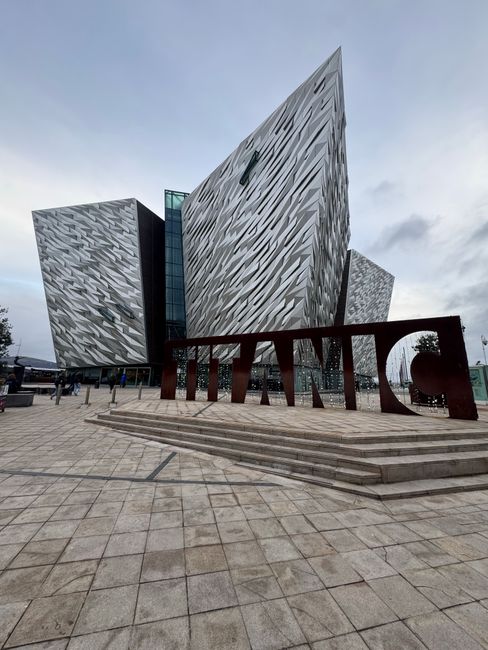
But it was the 19th century that really saw Belfast explode. The Industrial Revolution transformed the city into a shipbuilding giant. Think of Harland and Wolff, the company that built the Titanic. They were kings of the shipbuilding world, and Belfast became synonymous with engineering prowess and maritime innovation. The city's population boomed, and its skyline was punctuated by cranes and factories. Walking through the Titanic Quarter today, you can still feel that industrial heritage in the air, a powerful reminder of Belfast's past.
Belfast's industrial success wasn't limited to shipbuilding. The linen industry thrived, employing a large workforce and making the city a major player in the global textile market. Rope making was another vital industry, providing essential materials for the vast number of ships built in the city. These industries shaped Belfast's urban landscape, creating jobs and attracting people from all over Ireland and beyond.
The Shadow of the Troubles: A City Divided

Of course, no discussion about Belfast is complete without addressing the Troubles. This period of intense political and sectarian conflict, which lasted from the late 1960s to the late 1990s, cast a long shadow over the city. It's a complex and sensitive topic, and I want to approach it with respect and understanding.
The roots of the Troubles are deeply intertwined with the history of Ireland and the relationship between Protestants (primarily Unionists, who wanted to remain part of the United Kingdom) and Catholics (primarily Nationalists, who wanted a united Ireland). Decades of political and economic inequalities, coupled with historical grievances, fueled the conflict. The city became heavily segregated, with distinct Protestant and Catholic neighborhoods separated by peace walls – stark reminders of the divisions that existed.
Visiting the peace walls is a sobering experience. They stand tall, covered in murals and messages of hope, remembrance, and sometimes, lingering resentment. It's impossible to ignore the impact of the Troubles on the city and its people. While the Good Friday Agreement in 1998 brought an end to the major violence, the scars of the conflict are still visible in the physical landscape and in the collective memory of Belfast.
Exploring areas like the Shankill Road (predominantly Protestant) and the Falls Road (predominantly Catholic) offers a powerful insight into the perspectives of each community. The murals on these roads, often reflecting political ideologies and historical events, are an open-air gallery of the Troubles. Taking a guided tour with someone who lived through the conflict can provide an invaluable understanding of this turbulent period in Belfast's history.
A City Reborn: Belfast's Transformation and Modern Identity

But here's the incredible thing: Belfast has emerged from the shadow of the Troubles with a remarkable spirit of resilience and hope. It's a city that's reinventing itself, embracing peace and reconciliation, and looking towards a brighter future. The transformation has been remarkable, and the energy in the city is palpable.
There's a real buzz about Belfast these days. New businesses are opening, the city center is thriving, and there's a growing sense of optimism. The Titanic Quarter, once a derelict industrial wasteland, has been transformed into a vibrant hub of tourism, innovation, and culture. The Titanic Belfast museum is a must-see, an interactive experience that tells the story of the ship, the people who built her, and the tragedy that unfolded on her maiden voyage. It's a world-class attraction that draws visitors from all over the globe.
The city's arts and culture scene is flourishing. From traditional music pubs to cutting-edge art galleries, there's something for everyone. The Cathedral Quarter is a hive of activity, with its cobbled streets, historic buildings, and vibrant nightlife. The St. George's Market, one of Belfast's oldest attractions, is a treasure trove of local produce, crafts, and delicious food. It's a great place to soak up the atmosphere and experience the city's vibrant culinary scene.
Belfast is also becoming a popular destination for film and television production. The city's unique architecture, stunning landscapes, and skilled workforce have attracted major productions like Game of Thrones, which filmed extensively in Northern Ireland. This has brought a renewed sense of pride to the city and has boosted its economy.
Experiencing Belfast's Culture: Music, Food, and the People

Okay, let's dive into what makes Belfast's culture so special. It's a unique blend of Irish, British, and international influences, creating a vibrant and dynamic mix.
Here's a taste of what you can expect:
- Music: Belfast is a city that loves its music.
- Traditional Irish music sessions can be found in many pubs, offering a chance to experience the heart and soul of Irish culture.
- The city also has a thriving contemporary music scene, with venues showcasing everything from rock and indie to electronic and jazz.
- Don't miss the annual Belfast International Arts Festival, which features a diverse program of music, theatre, dance, and visual arts.
- Food: Get ready for some deliciousness!
- Traditional Irish dishes like Ulster Fry (a hearty breakfast), Irish stew, and colcannon (mashed potatoes with cabbage or kale) are a must-try.
- The city also boasts a growing number of innovative restaurants, offering everything from fine dining to street food.
- St. George's Market is a food lover's paradise, with stalls selling local cheeses, fresh seafood, artisan breads, and a whole host of other culinary delights.
- The People: This is where Belfast truly shines. The people are incredibly warm, friendly, and welcoming. They have a great sense of humor and a real passion for their city. Don't be afraid to strike up a conversation – you'll be rewarded with fascinating stories and insights.
Beyond the City: Exploring Northern Ireland's Beauty
While Belfast is a fantastic city to explore, it's also a great base for discovering the rest of Northern Ireland. The countryside is stunning, with dramatic coastlines, rolling hills, and picturesque villages.
Here are a few day trips you might consider:
- The Giant's Causeway: A UNESCO World Heritage Site, this geological marvel features thousands of interlocking basalt columns, formed by ancient volcanic activity. It's a truly breathtaking sight.
- The Antrim Coast Road: One of the most scenic drives in the world, the Antrim Coast Road winds its way along the rugged coastline, passing through charming villages, dramatic cliffs, and stunning beaches.
- Carrick-a-Rede Rope Bridge: This swaying rope bridge connects the mainland to a tiny island, offering spectacular views of the coastline and the chance to spot seabirds.
- The Mourne Mountains: A range of granite mountains in County Down, the Mournes offer excellent hiking opportunities and stunning views.
Tips for Visiting Belfast: Making the Most of Your Trip

So, you're planning a trip to Belfast? Awesome! Here are a few tips to help you make the most of your visit:
- Consider a guided tour: A guided tour can provide valuable insights into the city's history, culture, and political landscape. Look for tours that are led by local guides who have firsthand experience of the Troubles.
- Be respectful: The Troubles are a sensitive topic, so be mindful of your language and avoid making assumptions or generalizations.
- Explore beyond the city center: Venture out to the Shankill Road and the Falls Road to gain a deeper understanding of the city's divided past.
- Embrace the local culture: Try the local food, listen to traditional music, and strike up conversations with the locals.
- Dress for the weather: Belfast's weather can be unpredictable, so be sure to pack layers and bring a waterproof jacket.
- Book accommodations in advance: Belfast is becoming an increasingly popular tourist destination, so it's a good idea to book your accommodation in advance, especially during peak season.
Belfast: A City That Will Stay With You
Belfast is more than just a city; it's an experience. It's a place where history comes alive, where culture thrives, and where the people are the heart and soul. It's a city that has faced adversity and emerged stronger, more resilient, and more hopeful. I left Belfast with a profound sense of respect for its people and a deep appreciation for its unique spirit.
If you're looking for a city that's rich in history, vibrant in culture, and full of surprises, then Belfast should definitely be on your travel list. It's a city that will challenge you, inspire you, and stay with you long after you've left.
Post a Comment