Bordeaux: Where Fine Wine Meets Exquisite Architecture - A Personal Journey

Bordeaux: Where Fine Wine Meets Exquisite Architecture - A Personal Journey
Hey there, fellow travel and wine enthusiast! Let's embark on a virtual journey to one of the world's most celebrated wine regions: Bordeaux, France. But this isn't just about the wine (though, trust me, we'll delve deep into that!). It's also about the breathtaking architecture that graces this region, creating a truly unforgettable sensory experience. I'm excited to share my own experiences and insights with you, making this trip feel as real as possible!
The Allure of Bordeaux: More Than Just Wine

For many, Bordeaux conjures up images of rolling vineyards, prestigious châteaux, and, of course, exquisite wines. And that's absolutely true! But what often gets overlooked is the region's stunning architectural heritage. From grand neoclassical facades in the city of Bordeaux itself to the charming, traditional stone buildings scattered across the countryside, the architecture plays a crucial role in shaping the region's identity and atmosphere. It's a harmonious blend of the practical (designed for winemaking and storage) and the aesthetically pleasing, reflecting centuries of history and prosperity.
Think of it like this: the architecture is the stage, and the wine is the star. They complement each other perfectly, creating a truly memorable performance for all who visit.
Exploring the City of Bordeaux: A Neoclassical Masterpiece
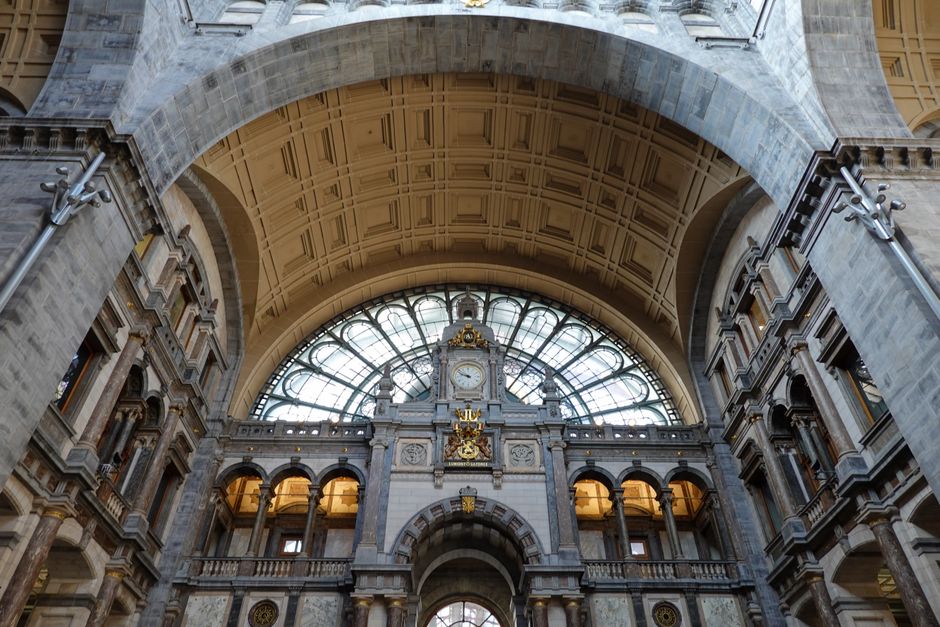
Our journey begins in the heart of the region, the city of Bordeaux. Often referred to as "Little Paris" due to its elegant architecture, Bordeaux boasts a remarkably well-preserved cityscape that earned it UNESCO World Heritage status. Prepare to be wowed!
Place de la Bourse: This is where I always start. It's the iconic square, reflecting pool, and architectural statement that captures the grandeur of Bordeaux. Designed in the 18th century, it's a breathtaking example of neoclassical architecture. The symmetry, the proportions, the delicate details – it all comes together to create a sense of harmony and elegance. Take a moment to stand by the Miroir d'eau (water mirror) and watch the reflections dance across the surface. It's truly magical, especially at sunset!
Grand Théâtre de Bordeaux: Just a short stroll away, you'll find the Grand Théâtre, another architectural gem. This imposing building is a masterpiece of neoclassical design. The façade, adorned with Corinthian columns and statues, is simply stunning. Even if you don't have time to catch a performance, be sure to admire the exterior and soak in the atmosphere. I recommend booking a tour if you can, to explore the opulent interior.
Quais de Bordeaux: The waterfront area has been beautifully renovated, providing a wonderful space for a leisurely stroll. You can admire the cityscape from a new perspective, enjoy the fresh air, and perhaps even grab a bite to eat at one of the many restaurants and cafes lining the quays. The contrast between the historic architecture and the modern urban landscape is fascinating.
Châteaux Architecture: From Grand Estates to Rustic Charm
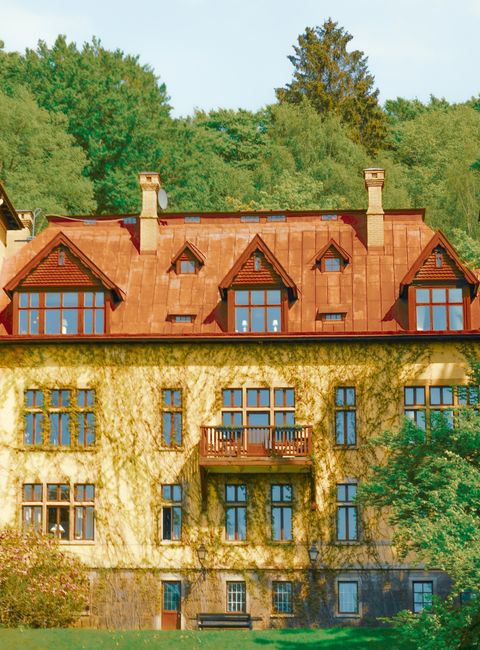
Now, let's venture out into the countryside, where the real magic of Bordeaux begins. Here, you'll find countless châteaux, each with its own unique architectural style and history. These aren't just wineries; they're architectural statements, reflecting the wealth, ambition, and taste of their owners. Get ready for some serious château envy!
Grand Cru Classé Châteaux: These are the crème de la crème of Bordeaux's châteaux. Often featuring elaborate architecture, manicured gardens, and state-of-the-art winemaking facilities. Château Margaux is a personal favourite. Its Palladian-style architecture is simply breathtaking. Château Lafite Rothschild, known for its elegant and understated design, is another must-see. Visiting these châteaux is like stepping back in time, offering a glimpse into the opulent world of Bordeaux's elite.
Smaller, Family-Owned Estates: Don't overlook the smaller, family-owned estates. These châteaux often have a more rustic and authentic charm. Their architecture might be less grand, but their stories are just as fascinating. Château de Reignac for example offers stunning architecture and beautiful vineyards. You'll often find a more personal touch at these estates, with the owners eager to share their passion for winemaking and their family history.
Understanding Architectural Styles in Bordeaux
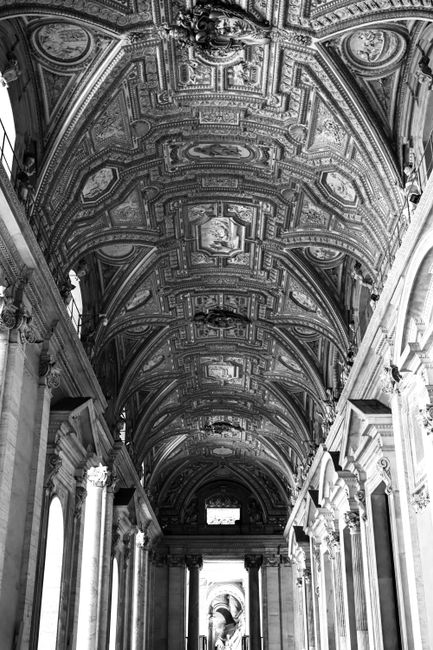
To fully appreciate the architecture of Bordeaux, it's helpful to understand the different styles that are prevalent in the region. Here's a little architectural primer:
- Neoclassical: This style, popular in the 18th and 19th centuries, is characterized by its symmetry, proportion, and classical elements such as columns, pediments, and friezes. The Place de la Bourse and the Grand Théâtre are prime examples.
- Renaissance: Some châteaux, particularly those built or renovated during the Renaissance period, feature Renaissance-inspired architecture, with elements such as arched windows, decorative cornices, and ornate facades.
- Traditional Stone Buildings: Many of the older buildings in the region, especially in the smaller villages and rural areas, are built from local stone. These buildings often have thick walls, small windows, and sloping roofs, designed to withstand the elements and provide insulation.
- Modern Architecture: While Bordeaux is known for its historic architecture, some châteaux have embraced modern design, incorporating contemporary materials and techniques into their buildings. This creates an interesting contrast between the old and the new.
Combining Wine Tasting with Architectural Appreciation
The best way to experience Bordeaux is to combine wine tasting with architectural appreciation. Many châteaux offer tours that include both wine tastings and guided walks through their buildings and grounds. This allows you to learn about the history of the estate, admire its architecture, and, of course, sample its wines. Here are some tips for making the most of your visit:
- Book in advance: Especially during peak season, it's essential to book your tours and tastings in advance. This will ensure that you get a spot and avoid disappointment.
- Wear comfortable shoes: You'll be doing a lot of walking, so comfortable shoes are a must.
- Bring a camera: You'll want to capture the beauty of the architecture and the landscapes.
- Ask questions: Don't be afraid to ask questions about the architecture, the winemaking process, or the history of the estate. The staff are usually very knowledgeable and happy to share their insights.
- Pace yourself: It's easy to get carried away with the wine tasting, but remember to pace yourself and drink responsibly.
Beyond the Châteaux: Exploring the Villages of Bordeaux

While the châteaux are undoubtedly a highlight of the region, don't forget to explore the charming villages that dot the countryside. These villages offer a glimpse into the everyday life of the locals and feature their own unique architectural styles.
Saint-Émilion: This medieval village, a UNESCO World Heritage site, is a must-see. Its narrow cobblestone streets, ancient stone buildings, and stunning views of the surrounding vineyards make it a truly magical place. Be sure to visit the monolithic church, carved out of a single rock face.
Sauternes: Famous for its sweet wines, Sauternes is a picturesque village with its own distinctive architectural character. The buildings here often feature traditional timber framing and brightly colored facades.
Blaye: Located on the banks of the Gironde estuary, Blaye is a historic town with a well-preserved citadel, designed by the famous military engineer Vauban. The citadel offers stunning views of the estuary and the surrounding countryside.
The Future of Bordeaux Architecture: Preservation and Innovation

As Bordeaux continues to evolve, it faces the challenge of preserving its architectural heritage while embracing innovation. Many châteaux are investing in modern winemaking facilities and sustainable building practices, ensuring that their buildings are both functional and environmentally friendly.
The city of Bordeaux is also committed to preserving its architectural heritage. Restoration projects are ongoing, ensuring that the city's historic buildings remain in good condition for future generations. There's also a growing emphasis on sustainable urban development, with new buildings designed to blend seamlessly with the existing cityscape.
My Personal Reflections: Bordeaux, A Place That Stays With You
Bordeaux is more than just a wine region; it's a cultural landscape that captivates the senses and leaves a lasting impression. The combination of fine wine and exquisite architecture creates a truly unique and unforgettable experience. Every time I visit, I discover something new – a hidden architectural detail, a fascinating story about a château, or a new favorite wine.
What I love most about Bordeaux is the way the architecture reflects the region's history and its commitment to excellence. The grand châteaux, the elegant city buildings, and the charming village houses all tell a story of tradition, innovation, and passion. It's a place where the past and the present coexist in perfect harmony.
So, whether you're a wine connoisseur, an architecture enthusiast, or simply looking for a beautiful and inspiring place to visit, I highly recommend adding Bordeaux to your travel list. Trust me, you won't be disappointed. And who knows, maybe we'll even bump into each other there someday, raising a glass to the beauty of Bordeaux!
À votre santé! (To your health!)
Post a Comment