Brussels: A Delicious Blend of Chocolate, Beer, and European Power

Brussels: A Delicious Blend of Chocolate, Beer, and European Power
Okay, friend, let's talk about Brussels. Not just as a place on a map, but as an experience. Think cobblestone streets, the aroma of warm waffles drifting on the breeze, and a feeling that something important, something world-changing, is happening all around you. That's Brussels in a nutshell, or maybe more accurately, in a praline shell.
Most people know Brussels as the heart of the European Union, a place where serious decisions are made. And that's definitely true. But Brussels is so much more than just a political powerhouse. It's a city that tantalizes your taste buds with some of the world's finest chocolate and most inventive beers, a city steeped in history, art, and a vibrant, multicultural atmosphere. I've been lucky enough to visit several times, and each trip leaves me wanting more. So grab a virtual waffle and settle in; let's explore the delicious and fascinating world of Brussels.
The Sweetest Sin: Indulging in Brussels Chocolate
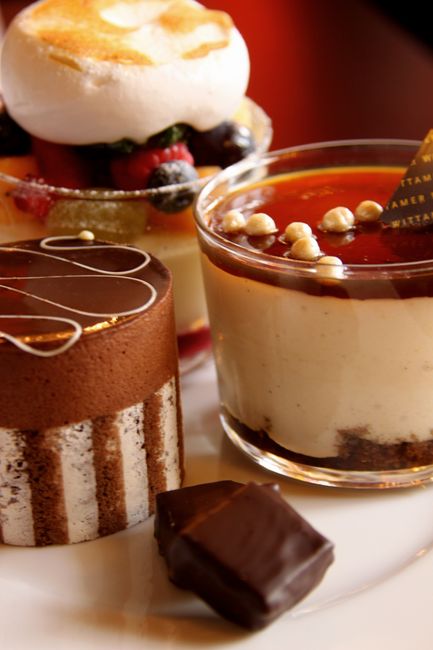
Let's be honest, for many of us, "Brussels" and "chocolate" are practically synonymous. And rightly so! This city is a chocolate lover's paradise. I remember my first experience walking into a Brussels chocolatier – it was like stepping into a dream. The sheer variety of chocolates, from classic pralines to innovative flavor combinations, was overwhelming (in the best way possible!).
But what makes Brussels chocolate so special? It's more than just the quality of the ingredients (though that's certainly a factor). It's a deep-rooted tradition, a passion for craftsmanship, and a dedication to pushing the boundaries of chocolate artistry. Here are a few things that set Brussels chocolate apart:
- High-Quality Ingredients: Belgian chocolatiers typically use high-quality cocoa beans, often sourced from specific regions known for their exceptional flavor profiles. They also use fresh cream, butter, and other top-notch ingredients.
- Traditional Techniques: Many chocolatiers still rely on traditional techniques passed down through generations. This includes careful conching (a process of refining chocolate to create a smooth texture) and meticulous hand-crafting.
- Innovation and Creativity: While tradition is important, Brussels chocolatiers are also known for their willingness to experiment with new flavors and techniques. You'll find chocolates infused with everything from exotic spices to local fruits.
Some of my personal favorite chocolatiers in Brussels include:
- Pierre Marcolini: Known for its exquisite bean-to-bar chocolates and stunning presentations. Prepare for a bit of a splurge, but it's worth it!
- Neuhaus: A classic Belgian brand that invented the praline. It's a must-visit for a taste of chocolate history.
- Leonidas: A more affordable option that still offers delicious and high-quality chocolates. Perfect for stocking up on souvenirs (or just indulging yourself!).
My Tip: Don't be afraid to try something new! Step outside your comfort zone and sample some of the more unusual flavor combinations. You might just discover your new favorite chocolate.
Raising a Glass: Exploring the World of Belgian Beer

Okay, we've satisfied our sweet tooth, now it's time to move on to something equally delicious: Belgian beer. Just like chocolate, beer is an integral part of Belgian culture. It's not just a drink; it's a way of life. The variety of beers brewed in Belgium is astounding, ranging from light and fruity wheat beers to strong and complex Trappist ales. Each beer has its own unique character and history.
What makes Belgian beer so special? Well, there are several factors:
- Unique Yeast Strains: Belgian brewers often use wild yeast strains that impart distinct flavors and aromas to their beers. This is what gives many Belgian beers their characteristic fruity, spicy, or even slightly funky notes.
- Variety of Brewing Techniques: Belgian brewers are known for their willingness to experiment with different brewing techniques. This includes using open fermentation vessels, blending different batches of beer, and refermenting beer in the bottle.
- Emphasis on Flavor and Complexity: Unlike many mass-produced beers, Belgian beers are typically brewed to be flavorful and complex. They're meant to be savored and enjoyed, not just chugged.
Some of my favorite types of Belgian beer include:
- Trappist Ales: Brewed by Trappist monks within the walls of their monasteries. These beers are typically strong, complex, and bottle-conditioned. Chimay, Orval, and Westvleteren are some well-known Trappist breweries.
- Lambic Beers: Brewed using wild fermentation in the Senne Valley near Brussels. These beers are tart, acidic, and often fruit-flavored. Cantillon and 3 Fonteinen are two of the most famous lambic breweries.
- Saisons: Originally brewed in the Wallonia region of Belgium to quench the thirst of farmworkers during the summer months. These beers are typically dry, hoppy, and slightly spicy.
- Witbier: A refreshing wheat beer flavored with coriander and orange peel. Hoegaarden is probably the most well-known example of this style.
My Tip: Don't be afraid to ask your bartender for recommendations. Belgian bartenders are usually very knowledgeable about beer and can help you find something that you'll enjoy. Also, take advantage of beer tastings to sample a variety of different styles.
The Heart of Europe: Navigating Brussels' Political Landscape

Okay, we've had our fill of chocolate and beer (almost!), now let's delve into the serious side of Brussels: its role as the heart of the European Union. It can be a bit daunting at first, seeing all the official buildings and hearing snippets of conversations in a dozen different languages. But understanding the political landscape of Brussels is essential to truly understanding the city itself.
Brussels is home to the major institutions of the EU, including:
- The European Commission: The executive branch of the EU, responsible for proposing legislation and implementing policies.
- The Council of the European Union: Represents the governments of the EU member states. It approves legislation and coordinates EU policies.
- The European Parliament: Directly elected by EU citizens. It shares legislative power with the Council and approves the EU budget.
These institutions are housed in impressive buildings like the Berlaymont (the headquarters of the European Commission) and the European Parliament building. Walking around the European Quarter, you can feel the weight of history and the importance of the decisions being made within those walls.
But Brussels isn't just about grand institutions. It's also a melting pot of cultures, with people from all over Europe (and the world) living and working in the city. This multiculturalism is reflected in Brussels' food, art, and music scenes. You can find restaurants serving cuisine from every corner of the globe, art galleries showcasing works by artists from diverse backgrounds, and music venues hosting performances of all genres.
My Tip: Consider taking a guided tour of the European Quarter to learn more about the EU institutions and their role in shaping European policy. It can be a fascinating and informative experience.
Beyond the Chocolate and Politics: Discovering Brussels' Hidden Gems

While chocolate, beer, and European politics are definitely major draws, Brussels has so much more to offer. Here are a few of my favorite hidden gems and lesser-known attractions:
- The Atomium: A giant atom-shaped structure built for the 1958 World's Fair. It offers panoramic views of the city.
- Manneken Pis: A small bronze statue of a boy urinating into a fountain. It's a quirky and iconic symbol of Brussels.
- Grand Place: A stunning medieval square surrounded by ornate guildhalls. It's a UNESCO World Heritage Site and a must-see attraction.
- The Comic Strip Center: A museum dedicated to Belgian comic art, including Tintin and the Smurfs.
- The Magritte Museum: Home to a vast collection of works by the surrealist artist René Magritte.
My Tip: Get lost in the side streets and explore the neighborhoods outside of the main tourist areas. You'll discover hidden cafes, charming boutiques, and a more authentic side of Brussels.
A Personal Reflection: Why Brussels Captures the Heart

So, why do I love Brussels so much? It's not just the chocolate (though that's definitely a factor!). It's the unique blend of history, culture, and politics that makes the city so fascinating. It's the feeling that you're in the heart of something important, something that's shaping the future of Europe and the world.
Brussels is a city that challenges you, inspires you, and, of course, delights your taste buds. It's a city that's both grand and intimate, both serious and playful. It's a city that stays with you long after you've left.
Whether you're a chocolate lover, a beer aficionado, a history buff, or a political junkie, Brussels has something to offer you. So, if you're planning a trip to Europe, be sure to add Brussels to your itinerary. You won't be disappointed.
And who knows, maybe we'll even bump into each other there, enjoying a delicious Belgian beer and debating the future of Europe. Until then, bon voyage!
Post a Comment