Cardiff: Where Ancient Echoes Meet Modern Beats in Wales' Vibrant Capital
Cardiff: Where Ancient Echoes Meet Modern Beats in Wales' Vibrant Capital
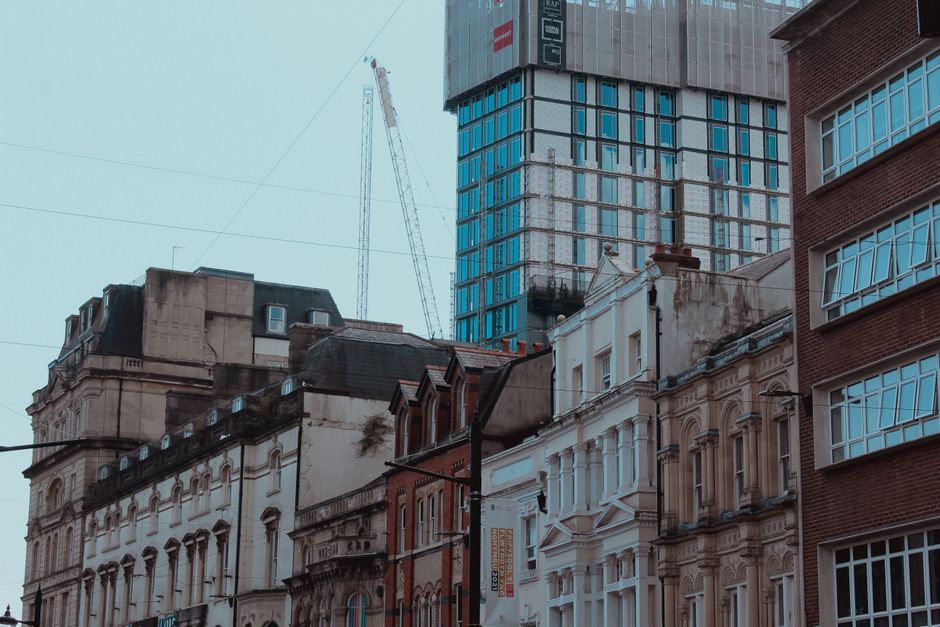
Cardiff, oh Cardiff! Just saying the name conjures up images of red dragons, lush parks, and the melodic Welsh language. It's a city that's woven itself into my heart, a place where history whispers from ancient castle walls and modernity thrums in its bustling bay. I want to share with you why Cardiff is so special, not just as the capital of Wales, but as a living, breathing testament to the power of blending the old and the new.
A Journey Through Time: Cardiff's Historical Tapestry

Cardiff's story isn't one that began yesterday. We're talking centuries of evolution, from a Roman fort to a booming industrial powerhouse, and finally, to the vibrant capital we know and love today. Let's rewind a bit, shall we?
From Roman Roots to Norman Conquest
The very first seeds of Cardiff were sown by the Romans, who established a fort here around AD 75. They strategically chose this spot because of its proximity to the River Taff, providing crucial access for trade and defense. Imagine, Roman soldiers marching where modern shops now stand! This early settlement was a pivotal point in controlling the region.
Fast forward to the Norman Conquest in the 11th century. The Normans, ever keen to solidify their control, built a motte and bailey castle right on top of the Roman foundations. This wasn't just a symbolic move; it was a clear message of dominance and a strategic stronghold. Cardiff Castle, which still stands majestically in the city center, bears witness to this fascinating blend of Roman and Norman history.
The Rise of the Marquesses of Bute: Power, Wealth, and Transformation
Now, let's talk about the Bute family. These guys were a major force in shaping Cardiff's destiny, particularly during the 18th and 19th centuries. Through shrewd investments and strategic land ownership, they transformed Cardiff from a small market town into a global coal exporting giant. Think about that: a global player! It's hard to imagine walking through the modern shopping arcades and realizing they stand on ground that once fueled the Industrial Revolution.
The Bute family's influence can still be seen throughout the city:
- Cardiff Castle: They invested heavily in transforming the castle into the opulent Gothic Revival masterpiece we see today. William Burges, the architect behind this transformation, was a true visionary, and the castle is a feast for the eyes.
- Cardiff Docks: The Bute Docks, developed by the family, became the engine of Cardiff's economic boom, handling massive quantities of coal destined for all corners of the world.
- The Civic Centre: While not directly built by the Bute family, their legacy of prosperity and ambition laid the foundation for the grand civic buildings that grace Cathays Park, a testament to Cardiff's status as a capital city.
The sheer scale of their ambition and the impact they had on Cardiff is truly astounding.
The Coal Boom and Its Legacy
Speaking of coal, it's impossible to talk about Cardiff's history without acknowledging its pivotal role in the coal industry. For a significant period, Cardiff was the world's leading coal exporting port. The docks were a hive of activity, with ships from all over the globe queuing to load up on Welsh coal. The city exploded in population, attracting workers from across Wales and beyond. This period of prosperity left an indelible mark on Cardiff's identity.
The coal boom shaped Cardiff in many ways:
- Economic growth: The industry brought unprecedented wealth to the city, funding infrastructure development and transforming its landscape.
- Social change: The influx of workers created a vibrant, multicultural community, shaping Cardiff's diverse social fabric.
- Architectural development: The need to house the growing population led to the construction of new housing estates and public buildings, leaving behind a legacy of Victorian and Edwardian architecture.
While the coal industry has largely faded, its impact is still felt in Cardiff's architecture, its cultural identity, and the stories passed down through generations.
Cardiff Bay: From Industrial Wasteland to Modern Waterfront

Now, let's shift gears and talk about Cardiff Bay. Once a gritty industrial area dominated by docks and coal yards, it has undergone a remarkable transformation in recent decades. This area holds a special place in my heart, as I've watched it evolve from a neglected space into a vibrant hub of culture, leisure, and innovation.
The Decline of the Docks and the Need for Regeneration
After the decline of the coal industry, Cardiff Docks fell into disrepair. The once-bustling wharves became derelict, and the area lost its purpose and vitality. There was a clear need for regeneration, a vision to breathe new life into this neglected corner of the city.
The Cardiff Bay Barrage: A Controversial Transformation
The construction of the Cardiff Bay Barrage was a pivotal moment in the area's transformation. This ambitious project created a freshwater lake, effectively separating the bay from the tidal Severn Estuary. While controversial at the time, with concerns about environmental impact, the barrage created a stable waterfront environment that paved the way for massive redevelopment.
A Modern Waterfront Oasis: Culture, Entertainment, and Innovation
Today, Cardiff Bay is a far cry from its industrial past. It's a vibrant waterfront destination with a plethora of attractions, including:
- The Wales Millennium Centre: This iconic arts venue is a true architectural masterpiece, hosting world-class performances of opera, ballet, musicals, and theatre.
- Mermaid Quay: A bustling waterfront promenade lined with restaurants, bars, and shops, offering a vibrant social scene and stunning views of the bay.
- The Senedd: The home of the Welsh Parliament, a modern building that represents the democratic heart of Wales.
- Techniquest: A science discovery centre that inspires curiosity and learning, perfect for families and anyone with an interest in science and technology.
Walking along the waterfront on a sunny day, with the gentle lapping of the water and the stunning architecture all around, it's hard to believe that this was once a derelict industrial wasteland. The transformation of Cardiff Bay is a testament to the power of vision, determination, and investment.
Embracing Welsh Culture: Language, Music, and Tradition

Of course, no exploration of Cardiff is complete without delving into its vibrant Welsh culture. The Welsh language, with its unique sounds and rich history, is an integral part of Cardiff's identity. While English is widely spoken, you'll often hear Welsh being spoken in shops, pubs, and on the streets.
The Welsh Language: A Living Heritage
Efforts to preserve and promote the Welsh language are strong in Cardiff. Many schools offer Welsh-medium education, and there are numerous cultural organizations dedicated to fostering the language. Seeing the younger generation embracing the language gives me hope that it will continue to thrive for generations to come.
Music and the Arts: A Celebration of Welsh Identity
Cardiff is a city that embraces music and the arts, and Welsh culture is often at the forefront. From traditional folk music to contemporary Welsh artists, there's a vibrant scene celebrating Welsh identity. Keep an eye out for local festivals and events that showcase Welsh music, dance, and literature.
Some notable examples include:
- The National Eisteddfod: Although the location changes each year, when hosted in or near Cardiff it brings an unparalleled celebration of Welsh language and culture.
- Local Gigs: Numerous pubs and venues host local musicians, many of whom perform in Welsh, offering an authentic cultural experience.
- Theatre productions: Theatres such as the Sherman Cymru often stage productions in Welsh, providing a platform for Welsh playwrights and actors.
Food and Drink: A Taste of Wales
And let's not forget the food and drink! Cardiff offers a fantastic culinary scene, with plenty of opportunities to sample traditional Welsh delicacies. From Welsh cakes to bara brith (a delicious fruit loaf), there's something to tantalize your taste buds. And of course, no visit to Wales is complete without trying some local beer or cider.
Cardiff Today: A Modern Capital with a Bright Future

Today, Cardiff stands as a modern, dynamic capital city, a place where the echoes of history blend seamlessly with the energy of the present. It's a city that's proud of its Welsh heritage, yet open to the world, welcoming visitors from all corners of the globe.
A City of Innovation and Growth
Cardiff is experiencing a period of rapid growth and innovation, with new businesses and industries flourishing. The city is becoming a hub for technology, creative industries, and financial services, attracting young professionals and entrepreneurs.
A Green and Sustainable City
Cardiff is also committed to sustainability, with ambitious plans to become a green and eco-friendly city. There are numerous parks and green spaces throughout the city, providing residents and visitors with opportunities to connect with nature.
A Welcoming and Vibrant Community
Perhaps the best thing about Cardiff is its people. The locals are warm, friendly, and welcoming, always ready to share a story or offer a helping hand. It's this sense of community that makes Cardiff such a special place to live, work, and visit.
So, there you have it: a glimpse into the heart and soul of Cardiff. It's a city that has captivated me with its rich history, its vibrant culture, and its unwavering spirit. I hope I've inspired you to explore this incredible capital for yourself. You won't be disappointed!
Post a Comment