Cyprus: Sun-Kissed Shores & Whispers of the Past - Beaches & Ancient Ruins Beckon

Cyprus: Sun-Kissed Shores & Whispers of the Past - Beaches & Ancient Ruins Beckon
Okay, friend, let's talk Cyprus! I've been lucky enough to wander its sun-drenched beaches and stand in awe before its ancient ruins, and let me tell you, it's an experience that sticks with you. It's more than just a vacation; it's a journey through time, a dip into turquoise waters, and a feast for the soul. Cyprus, the island of Aphrodite, beautifully blends the allure of pristine coastlines with the powerful presence of civilizations long past. I'm excited to share some of my favorite spots and tips with you so you can plan your own unforgettable adventure.
Sun-Kissed Shores: Discovering Cyprus's Best Beaches

Let's start with the beaches, shall we? Because, honestly, who can resist the siren call of the Mediterranean? Cyprus boasts a coastline that's as diverse as it is stunning. From bustling resorts with all the amenities to secluded coves where you can truly escape, there's a beach for every mood and every traveler. I've spent countless hours exploring them, and I've got some favorites I want to share.
1. Nissi Beach, Ayia Napa: The Party Hub (with a softer side)
Nissi Beach is probably the most famous beach in Cyprus, and for good reason. It's known for its vibrant atmosphere, crystal-clear turquoise water, and the iconic islet you can wade out to. While it's a popular spot for partygoers, especially during the summer months, don's dismiss it entirely! Early mornings or late afternoons offer a more tranquil experience. The water is shallow and calm, making it perfect for families, and the sand is incredibly soft. Just be prepared for crowds during peak season.
2. Fig Tree Bay, Protaras: Family Fun & Stunning Views
Fig Tree Bay is another gem in the Protaras area. It's consistently ranked as one of the best beaches in Europe, and I can see why. The water is incredibly clear, the sand is golden and fine, and there's a small islet just offshore that you can swim to. It's incredibly photogenic! Plus, the bay is sheltered, which means the water is usually calm and ideal for swimming and water sports. There are plenty of restaurants and cafes nearby, making it a great choice for a full day at the beach. This is a good choice if you're travelling with children.
3. Lara Beach, Akamas Peninsula: A Haven for Turtles
Lara Beach is a completely different experience altogether. Located in the Akamas Peninsula National Park, it's a protected area known for its nesting turtles. The beach itself is rugged and undeveloped, but that's part of its charm. Access is typically via a 4x4 vehicle (the roads are bumpy!), but the journey is worth it. You might not be able to swim everywhere (due to turtle nesting sites), but you can relax on the beach, enjoy the peace and quiet, and maybe even spot a turtle nest. It's a truly unique and rewarding experience.
4. Coral Bay, Paphos: A Gentle Curve of Sand
Coral Bay, near Paphos, is a beautiful crescent-shaped beach surrounded by rocky headlands. It's well-equipped with sunbeds, umbrellas, and water sports facilities. The water is shallow and safe for swimming, making it a popular choice for families. There are also plenty of tavernas and restaurants nearby, so you can easily grab a bite to eat or a refreshing drink. I always enjoy the laid-back vibe of Coral Bay. It's a perfect place to spend a relaxing day by the sea.
5. Governor's Beach: Dramatic Cliffs and Dark Sand
For something a little different, head to Governor's Beach. It is known for its striking white cliffs that plunge down to dark, volcanic sand. The water here is incredibly clear and inviting. You can swim, sunbathe, or explore the small caves and rock formations along the coastline. There are also a few tavernas nearby serving fresh seafood. It's a great spot for photographers and anyone looking for a more dramatic beach landscape.
Whispers of the Past: Exploring Cyprus's Ancient Ruins
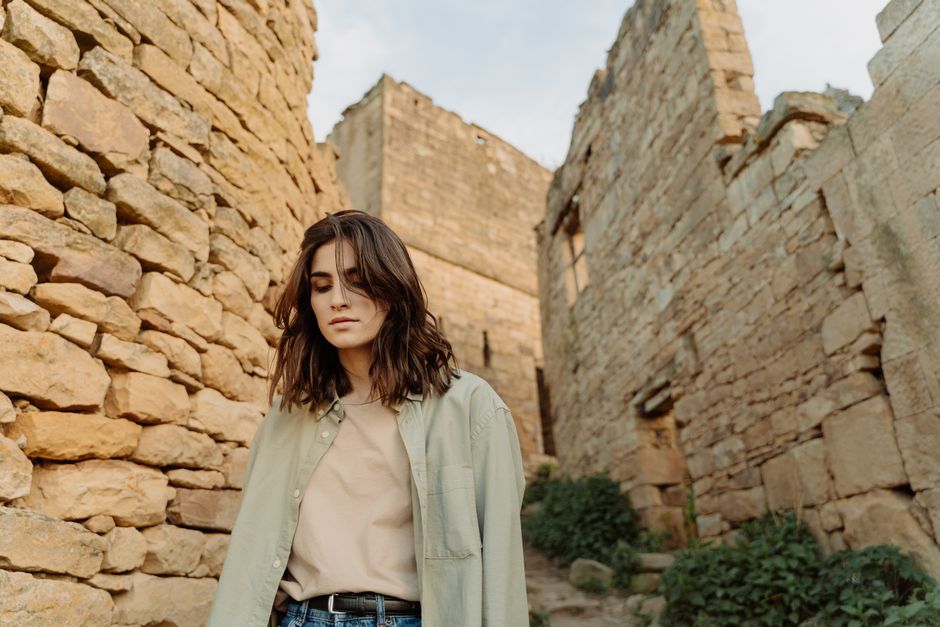
Now, let's switch gears and delve into the rich history of Cyprus. This island has been inhabited for millennia, and it's been ruled by everyone from the Mycenaeans and Romans to the Byzantines and Ottomans. As a result, Cyprus is dotted with fascinating archaeological sites that offer a glimpse into its past. Walking among these ruins is like stepping back in time. Here are a few of my favorite sites:
1. Paphos Archaeological Park: A UNESCO World Heritage Site
The Paphos Archaeological Park is a must-see for any history buff. This UNESCO World Heritage site is home to a remarkable collection of Roman villas, with incredibly well-preserved mosaic floors depicting scenes from mythology. The Houses of Dionysos, Theseus, Aion, and Orpheus are particularly impressive. You can easily spend several hours wandering through the park, admiring the intricate mosaics and imagining what life was like in Roman Paphos. Don't miss the ancient Odeon, which is still used for performances today, and the remnants of the city walls. It's absolutely worth it!
2. Kourion: A City on a Cliff
Kourion is another impressive archaeological site, perched on a cliff overlooking the Mediterranean Sea. The views alone are worth the trip! The site includes a well-preserved Greco-Roman theatre, which is still used for performances during the summer months. You can also explore the House of Eustolios, which features stunning mosaic floors and bathhouses, and the early Christian basilica. Walking through Kourion, you can really get a sense of the grandeur and importance of this ancient city.
3. Ancient Salamis: A Ghost City by the Sea
Located near Famagusta (in the Turkish Republic of Northern Cyprus, so be sure to check border crossing information), Ancient Salamis is a vast archaeological site that dates back to the 11th century BC. It was once the capital of Cyprus, and it's easy to see why. The site includes a massive gymnasium, a theatre, bathhouses, and several temples. While some of the site is in ruins, there are still plenty of impressive structures to explore. Walking through Salamis, you can almost feel the ghosts of its former inhabitants.
4. Tombs of the Kings: A Royal Resting Place
The Tombs of the Kings, near Paphos, are a fascinating necropolis dating back to the Hellenistic and Roman periods. Despite the name, they weren't actually the final resting place of kings. Instead, they were used by wealthy officials and aristocrats. The tombs are carved directly into the rock, and some are decorated with Doric columns and frescoes. Exploring these underground chambers is a unique and slightly eerie experience. It's a great place to reflect on the passage of time and the lives of those who came before us.
5. Choirokoitia: A Neolithic Settlement
For a glimpse into Cyprus's even more distant past, visit Choirokoitia, a UNESCO World Heritage site that dates back to the Neolithic period (around 7000 BC). This well-preserved settlement provides valuable insights into the lives of early Cypriot inhabitants. The site consists of circular houses built from mud and stone. Although only the foundations remain, you can still get a sense of the layout and scale of the settlement. There is also a reconstruction of some of the houses, which gives you a better idea of what they would have looked like. It is a profound link to human history.
Tips for Exploring Cyprus's Beaches and Ruins
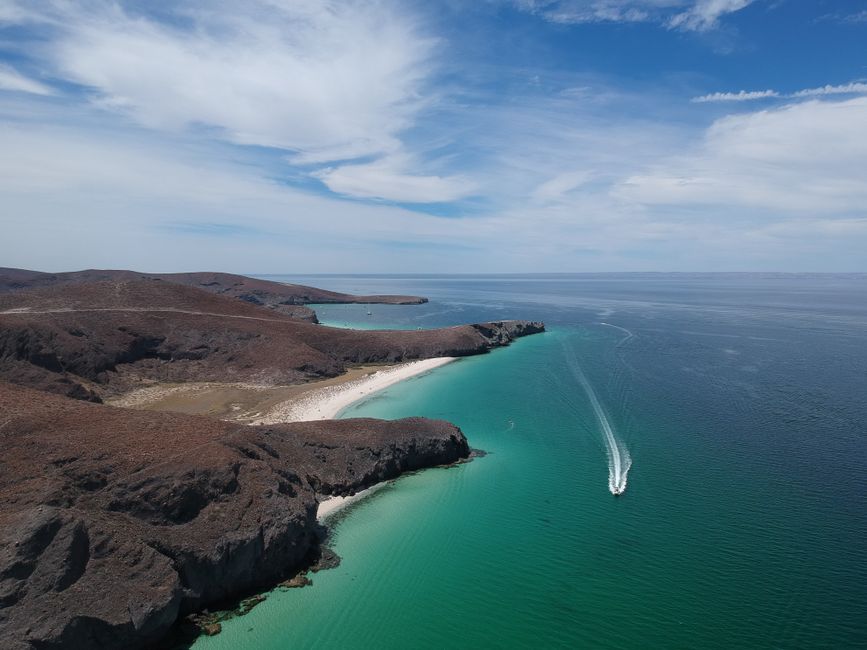
Okay, now that I've shared some of my favorite spots, let me offer a few tips to help you make the most of your trip:
A. Planning Your Trip:
- Best Time to Visit: Spring (April-May) and autumn (September-October) offer pleasant temperatures and fewer crowds. Summer (June-August) can be very hot, especially in the interior.
- Getting Around: Renting a car is the best way to explore Cyprus, especially if you want to visit remote beaches and archaeological sites. Be aware that they drive on the left! Alternatively, buses and taxis are available, but they may not be as convenient.
- Accommodation: Cyprus offers a wide range of accommodation options, from budget-friendly apartments to luxury hotels. Consider staying in different locations to experience different parts of the island.
B. Exploring the Beaches:
- Sun Protection: The Cypriot sun is strong, so be sure to wear sunscreen, a hat, and sunglasses.
- Water Safety: Be aware of currents and tides, especially when swimming in open water.
- Beach Etiquette: Respect the environment by taking your trash with you and avoiding disturbing wildlife.
C. Exploring the Ancient Ruins:
- Wear Comfortable Shoes: You'll be doing a lot of walking, so comfortable shoes are essential.
- Bring Water: It can get hot at the archaeological sites, so stay hydrated.
- Hire a Guide: Consider hiring a local guide to learn more about the history and significance of the sites.
- Check Opening Hours: Be sure to check the opening hours of the sites before you go, as they may vary depending on the season.
More Than Just Beaches & Ruins: Experiencing Cypriot Culture

Of course, Cyprus is about much more than just beaches and ruins. It's about the warm hospitality of the Cypriot people, the delicious food, and the vibrant culture. Be sure to take some time to:
1. Sample the Local Cuisine: Try traditional dishes like souvlaki, halloumi, and moussaka. And don't forget to wash it all down with some local wine or Commandaria, a sweet dessert wine that dates back to the Crusades.
2. Visit Local Villages: Get off the beaten path and explore the charming villages in the Troodos Mountains. Here, you can see traditional architecture, visit local wineries, and experience the authentic Cypriot way of life.
3. Attend a Local Festival: Cyprus has a rich calendar of festivals and events throughout the year. From religious celebrations to music festivals, there's always something going on. Check local listings to see what's happening during your visit.
4. Learn a Few Greek Phrases: While English is widely spoken in Cyprus, learning a few basic Greek phrases will be appreciated by the locals. Try saying "Yiasas" (hello), "Efharisto" (thank you), and "Parakalo" (you're welcome).
5. Explore Nicosia: Nicosia is the world's last divided capital city. Crossing the border (with your passport!) between the Republic of Cyprus and the Turkish Republic of Northern Cyprus offers a unique and thought-provoking experience.
Final Thoughts: Embrace the Magic of Cyprus

Cyprus truly is a special place. It's a destination that offers something for everyone, whether you're seeking relaxation, adventure, or cultural immersion. From its stunning beaches to its fascinating ancient ruins, Cyprus is a land of beauty, history, and charm. So, pack your bags, grab your sunscreen, and get ready to explore this incredible island. You won't regret it! I hope my experiences and tips have helped you plan your adventure, and I'm sure you'll create memories that will last a lifetime. Remember to embrace the magic of Cyprus and allow yourself to be swept away by its beauty and charm.
Happy travels, my friend!
Post a Comment