Digital Nomad Life in Europe: Work, Play, and Thrive on Your Own Terms
Digital Nomad Life in Europe: Work, Play, and Thrive on Your Own Terms
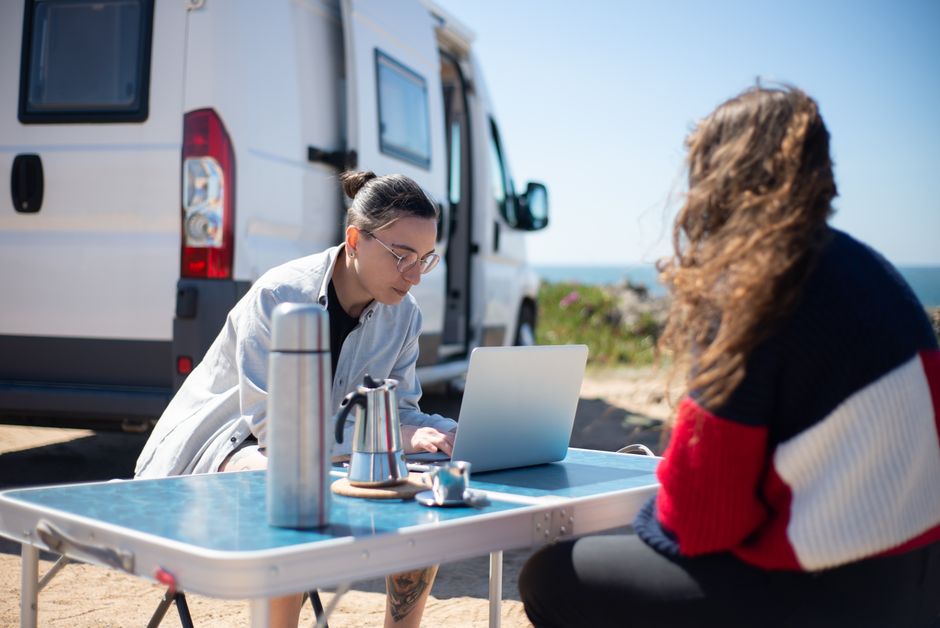
Hey friend! Ever dreamt of ditching the 9-to-5 grind and exploring the world while still keeping your career afloat? I'm talking about embracing the digital nomad life, and what better place to do it than in Europe? I've been living this dream for the past few years, bouncing between charming Italian villages and bustling Spanish cities, and let me tell you, it's been an incredible journey. It's not always rainbows and sunshine, but the freedom and experiences are absolutely worth it. So, grab a coffee, get comfy, and let's dive into what it's really like to be a digital nomad in Europe – the work, the play, and how to truly thrive.
Why Europe is a Digital Nomad Paradise

Okay, let's be honest, Europe has always been a top contender for travel destinations. But it's more than just beautiful scenery and delicious food (though those are definitely major perks!). What makes it especially appealing to digital nomads are several key factors:
- Connectivity: Most European countries boast reliable and fast internet access, a must for any location-independent worker. You'll find Wi-Fi in cafes, co-working spaces, and often, even public parks.
- Accessibility: Getting around Europe is a breeze. Cheap flights, extensive train networks, and affordable bus routes connect major cities and smaller towns, making weekend getaways super easy.
- Cultural Diversity: Europe is a melting pot of cultures, languages, and cuisines. You could be exploring ancient Roman ruins in Italy one week and hiking through the Scottish Highlands the next. The possibilities are endless!
- Co-working Spaces: Cities like Berlin, Barcelona, and Lisbon are brimming with co-working spaces designed to foster community and productivity. These spaces offer more than just a desk; they provide networking opportunities, events, and a sense of belonging.
- Visas and Regulations: While navigating visas can be tricky, many European countries offer specific digital nomad visas or have regulations that allow short-term stays for remote workers. We'll delve into this later.
For me, the biggest draw was the cultural richness. I wanted to immerse myself in different traditions, learn new languages, and experience life beyond the confines of my hometown. And Europe has delivered in spades!
Choosing Your European Base: Finding Your Vibe

So, you're sold on the idea of Europe. Awesome! The next step is figuring out where to set up shop. Europe is vast and diverse, so choosing a location that aligns with your work style, budget, and personal preferences is crucial. Here's a breakdown of some popular digital nomad hubs:
- Lisbon, Portugal:
Pros: Affordable cost of living, vibrant startup scene, stunning beaches, delicious seafood, and a thriving digital nomad community.
Cons: Can get crowded during peak season, learning Portuguese can be challenging.
My experience: Lisbon was one of my first European bases, and I absolutely loved it. The friendly locals, the incredible food, and the laid-back atmosphere made it easy to settle in and focus on work.
- Barcelona, Spain:
Pros: Cosmopolitan city, beautiful architecture, amazing food scene, beaches, and a strong entrepreneurial spirit.
Cons: Higher cost of living than Lisbon, can be touristy.
My experience: Barcelona is a city that buzzes with energy. There's always something to see and do, and the co-working scene is fantastic.
- Berlin, Germany:
Pros: Rich history, vibrant art scene, affordable (compared to other Western European capitals), and a strong sense of community.
Cons: German language can be difficult to learn, winters can be long and cold.
My experience: Berlin is a city that challenges and inspires. It's a place where creativity thrives, and you'll find people from all walks of life.
- Budapest, Hungary:
Pros: Affordable cost of living, beautiful architecture, thermal baths, and a growing digital nomad community.
Cons: Hungarian language is notoriously difficult, can be hot during the summer.
My experience: Budapest is a hidden gem. It's a city with a rich history and a vibrant cultural scene, all at a fraction of the cost of Western European capitals.
- Chiang Mai, Thailand (Okay, not in Europe, but many nomads start here):
Pros: Incredibly low cost of living, delicious food, beautiful temples, and a huge digital nomad community.
Cons: Air pollution can be an issue, cultural differences can take some getting used to.
Why include it? Many digital nomads start in Southeast Asia, specifically Chiang Mai, before venturing to Europe. It's a great place to build your business and save some money before the generally higher costs of Europe.
Remember to consider your budget, visa requirements, and personal preferences when making your decision. Do some research, read blogs, and watch YouTube videos to get a feel for different cities before you commit.
Tackling the Practicalities: Visas, Accommodation, and Finances

Okay, the fun stuff is out of the way. Now for the practicalities. This is where things can get a little complicated, but don't worry, I'll break it down for you.
Visas and Legalities:
This is arguably the most crucial aspect of digital nomad life. You need to ensure you're legally allowed to work remotely in the country you're residing in. Here are a few options:
- Schengen Area: Many nationalities can enter the Schengen Area (which includes most of the EU) visa-free for up to 90 days within a 180-day period. This is a great option for short-term stays. However, you cannot officially work while on a tourist visa.
- Digital Nomad Visas: Some European countries, like Estonia, Portugal, Germany, and Croatia, offer specific digital nomad visas. These visas allow you to live and work legally in the country for a longer period (usually one year, renewable). The requirements vary, but typically involve proof of income, health insurance, and a clean criminal record.
- Self-Employment Visas: In some cases, you might be able to apply for a self-employment visa, which allows you to work as a freelancer or business owner in the country.
Important: Visa regulations are constantly changing, so it's crucial to do your research and consult with the relevant embassy or consulate before you travel. I learned this the hard way once, and trust me, you don't want to be caught working illegally in a foreign country.
Accommodation:
Finding accommodation can be a challenge, especially in popular digital nomad hubs. Here are a few options:
- Airbnb: A great option for short-term stays, but can be expensive for longer periods.
- Apartment rentals: Ideal for longer stays (3 months or more). Check local classifieds websites and Facebook groups.
- Co-living spaces: Offer a mix of private rooms and shared living spaces, often with a focus on community and networking.
- Hostels: A budget-friendly option, but not ideal for focused work.
Pro tip: Consider staying outside of the city center to save money. Public transport is usually good, and you'll get a more authentic experience.
Finances:
Managing your finances as a digital nomad can be tricky. Here are a few tips:
- Open a multi-currency bank account: This will allow you to receive payments in different currencies and avoid hefty conversion fees.
- Use a budgeting app: Track your income and expenses to stay on top of your finances.
- Factor in travel insurance: Medical care can be expensive in Europe, so make sure you have comprehensive travel insurance.
- Be aware of taxes: Consult with a tax professional to understand your tax obligations in your home country and your country of residence.
Work-Life Balance: Staying Productive and Avoiding Burnout

Being a digital nomad is amazing, but it's easy to fall into the trap of working all the time. It's crucial to establish a healthy work-life balance to avoid burnout and maintain your well-being.
Here's what's worked for me:
- Set clear boundaries: Define your working hours and stick to them. It's tempting to work late into the night, but it's important to disconnect and recharge.
- Create a dedicated workspace: Even if you're working from a cafe, try to find a quiet corner where you can focus.
- Take regular breaks: Get up and move around every hour. Go for a walk, grab a coffee, or do some stretching.
- Explore your surroundings: Make time to explore your new city or town. Visit museums, try local restaurants, and meet new people.
- Prioritize your mental and physical health: Exercise regularly, eat healthy, and get enough sleep.
- Connect with other digital nomads: Join online communities and attend meetups to connect with like-minded people. Sharing experiences and supporting each other can make a huge difference.
I've found that having a routine is essential. I try to wake up at the same time every day, exercise, and then dedicate a specific block of time to work. It's not always perfect, but having a structure helps me stay focused and productive.
Embracing the Nomad Mindset: Staying Flexible and Open-Minded

The digital nomad life is all about embracing the unknown and being open to new experiences. Things won't always go according to plan, and you'll need to be flexible and adaptable.
Here are a few tips for cultivating a nomad mindset:
- Be open to new cultures: Learn about the local customs and traditions. Try to speak the language, even if it's just a few basic phrases.
- Embrace discomfort: Stepping outside of your comfort zone is where the magic happens. Don't be afraid to try new things and meet new people.
- Learn from your mistakes: Everyone makes mistakes, especially when they're traveling and living in a new country. Don't beat yourself up about it. Learn from your mistakes and move on.
- Be grateful: Take time to appreciate the freedom and opportunities that digital nomad life offers.
For me, the most rewarding part of this lifestyle has been the personal growth. I've learned so much about myself and the world around me. I've become more confident, adaptable, and open-minded.
Is the Digital Nomad Life Right for You?

The digital nomad life is not for everyone. It requires a certain amount of self-discipline, adaptability, and resilience. But if you're willing to put in the work, it can be an incredibly rewarding experience.
Ask yourself these questions:
- Are you self-motivated and disciplined?
- Are you comfortable working remotely?
- Are you adaptable and open to new experiences?
- Are you financially stable?
- Are you willing to deal with the challenges of living in a foreign country?
If you answered yes to most of these questions, then the digital nomad life might be a good fit for you. But remember, it's not a vacation. It's a lifestyle that requires hard work, dedication, and a willingness to embrace the unknown.
So, there you have it – my personal take on the digital nomad life in Europe. It's a journey filled with challenges and rewards, but ultimately, it's a chance to live life on your own terms. If you're considering taking the plunge, I say go for it! You might just discover a whole new world.
Post a Comment