Europe After COVID: Navigating the New Normal & What the Future Holds
Europe After COVID: Navigating the New Normal & What the Future Holds
Hey everyone! It feels like just yesterday we were all glued to our screens, watching the pandemic unfold and wondering what the future held. Now, a few years down the line, it's time to take a breath and really look at Europe post-COVID. What's actually changed? What's the same? And most importantly, what can we expect moving forward? I've been lucky enough to travel around a bit recently, and I'm excited to share my observations and insights with you. Think of this as a friendly chat about the "new normal" over a virtual coffee.
The Lingering Shadow: Lasting Impacts on Society

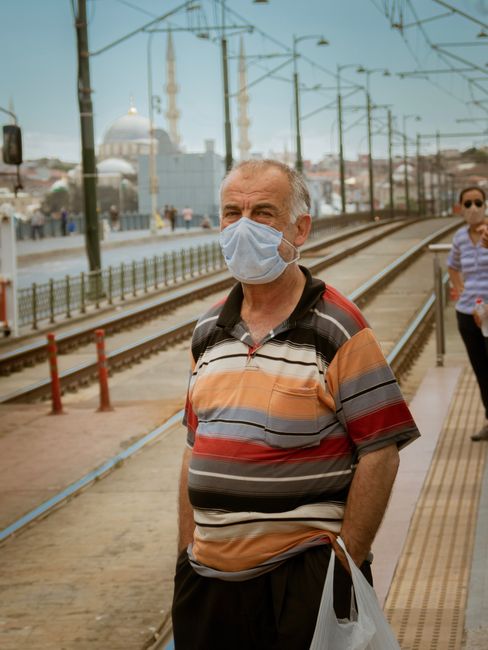
Let's be real, COVID didn't just disappear. It left a mark, a lingering shadow that's still affecting various aspects of European life. The most obvious change? Our heightened awareness of public health. Remember those days when hand sanitizer was practically gold dust? While the frenzy has died down, people are definitely more conscious about hygiene. I've noticed more readily available hand sanitizer in shops, restaurants, and public transport. It's a small thing, but it signals a shift in societal norms.
Another major impact has been on our mental health. The lockdowns, the fear of infection, the economic uncertainty – it all took a toll. I've seen more open conversations about mental well-being, and a greater acceptance of seeking help. Many European countries have expanded access to mental health services, which is a positive step. It's like we've collectively realised that taking care of our minds is just as important as taking care of our bodies.
Then there's the digital revolution, which was already underway but accelerated dramatically during the pandemic. Remote work became the norm for many, and it's not going away anytime soon. I've personally embraced the flexibility of working from home, and I know many others who feel the same way. It's changed the way we think about work-life balance and has given people more control over their schedules. This has also led to a migration of people moving from expensive city centres to more rural areas, driving changes in local economies.
The Economy: Recovery, Inflation, and New Priorities

The economic impact of COVID was, and still is, significant. Europe experienced a sharp recession, followed by a recovery, but the recovery hasn't been smooth. Inflation is a major concern right now, driven by factors like supply chain disruptions and the war in Ukraine. I've definitely noticed the rising prices in supermarkets and restaurants. It's impacting everyone, but especially those on lower incomes.
However, amidst the challenges, there's also been a renewed focus on economic resilience. European governments are investing in green technologies, renewable energy, and digitalization to build more sustainable and future-proof economies. The EU's Recovery and Resilience Facility (RRF) is playing a crucial role in this, providing funding for projects that promote these goals. It's like Europe is trying to use the crisis as an opportunity to build back better, focusing on long-term sustainability rather than short-term gains.
One key area of change is the tourism sector. Before the pandemic, some European cities were struggling with overtourism. While tourism has bounced back, there's now a greater emphasis on sustainable tourism practices. I've seen more efforts to promote off-the-beaten-path destinations and encourage responsible travel. It's a welcome shift, aiming to ensure that tourism benefits local communities and protects the environment.
Travel and Tourism: A New Landscape
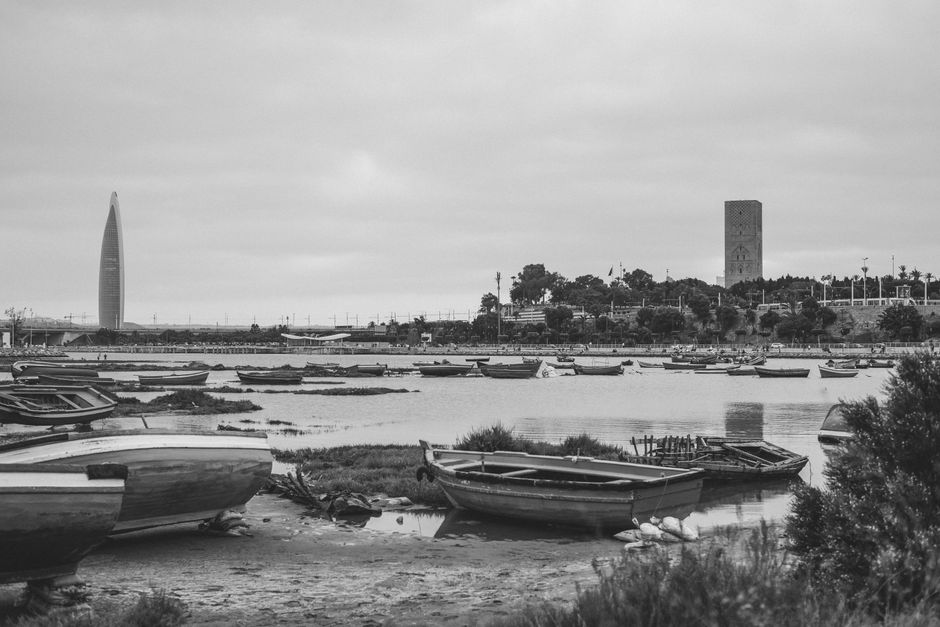
Speaking of travel, let's dive deeper into how COVID has reshaped the European travel landscape. Border controls and travel restrictions were a constant feature of the pandemic. While most of these have been lifted, there's still a heightened awareness of health protocols and travel advisories. I always check the latest guidelines before booking a trip, just to be on the safe side.
One noticeable change is the increased popularity of domestic travel. During the pandemic, many Europeans discovered (or rediscovered) the beauty of their own countries. This trend has continued, with more people opting for staycations and exploring hidden gems closer to home. It's a great way to support local businesses and reduce your carbon footprint.
Another trend is the rise of remote tourism, combining work and travel. With more people working remotely, they can now spend longer periods in different locations, exploring new cultures while still keeping up with their jobs. It's a fantastic opportunity to experience Europe in a more immersive way.
However, let's be honest, the airline industry is still facing challenges. Staff shortages, flight cancellations, and rising fuel prices are all contributing to a less-than-ideal travel experience. I've learned to be patient, flexible, and always have a backup plan when travelling these days. It's a bit more stressful than it used to be, but the rewards of exploring Europe are still well worth it.
Healthcare Systems: Lessons Learned and Future Directions
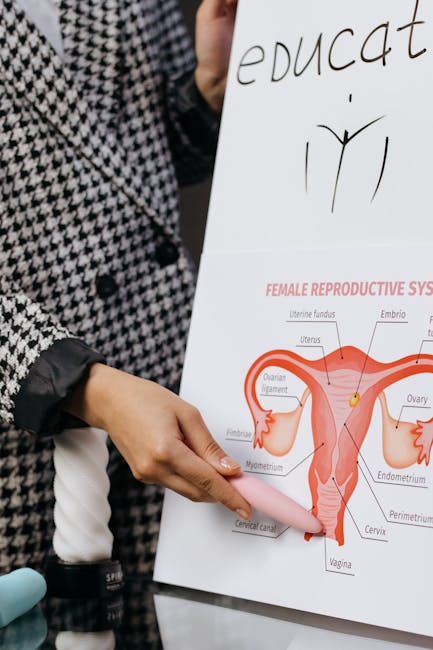
The pandemic put immense pressure on European healthcare systems, exposing both their strengths and weaknesses. One key takeaway is the importance of investing in public health infrastructure. Many countries are now increasing funding for hospitals, clinics, and public health programs. It's a crucial step to ensure that healthcare systems are better prepared for future crises.
Another important lesson is the need for better coordination and collaboration at the European level. The pandemic highlighted the challenges of fragmented healthcare policies and the importance of sharing information and resources. The EU is now working to strengthen cross-border health cooperation and improve the coordination of responses to health emergencies.
Furthermore, the pandemic accelerated the adoption of telemedicine and digital health solutions. Remote consultations, online pharmacies, and wearable health devices are becoming increasingly common. These technologies can improve access to healthcare, especially in rural areas and for vulnerable populations. It's like healthcare is becoming more personalized and accessible, thanks to the power of technology.
Politics and Society: Polarization and New Forms of Engagement

The pandemic has also had a significant impact on politics and society in Europe. Political polarization has intensified in many countries, with debates over issues like lockdowns, vaccines, and mask mandates becoming highly divisive. It's a worrying trend, as it undermines social cohesion and makes it harder to find common ground.
However, there's also been a surge in civic engagement and community solidarity. People have come together to support their neighbors, volunteer in their communities, and advocate for social change. It's a reminder that even in times of crisis, people are capable of great compassion and resilience.
The rise of online activism and social media has also played a role in shaping political discourse. Social media platforms have become important tools for organizing protests, sharing information, and mobilizing support for various causes. However, they also pose challenges, such as the spread of misinformation and the amplification of extremist views.
Looking Ahead: Key Trends and Challenges

So, what can we expect in the years to come? Here are some key trends and challenges that I think will shape the future of Europe post-COVID:
- The Green Transition: Europe is committed to becoming climate neutral by 2050. This will require massive investments in renewable energy, energy efficiency, and sustainable transportation.
- Digital Transformation: The digitalization of the economy and society will continue to accelerate. This will create new opportunities but also pose challenges related to cybersecurity, data privacy, and digital skills.
- Demographic Change: Europe's population is aging, and birth rates are declining. This will put pressure on pension systems, healthcare systems, and labor markets.
- Geopolitical Instability: The war in Ukraine has highlighted the vulnerability of Europe to geopolitical risks. Strengthening European security and defense cooperation will be a priority.
- Social Inequality: The pandemic has exacerbated existing inequalities. Addressing income inequality, improving access to education and healthcare, and promoting social inclusion will be crucial.
And, let's not forget the ongoing effects of the war in Ukraine and the influx of refugees. This situation continues to evolve and presents significant humanitarian and economic challenges for Europe.
Personal Reflections: A Brighter Future?
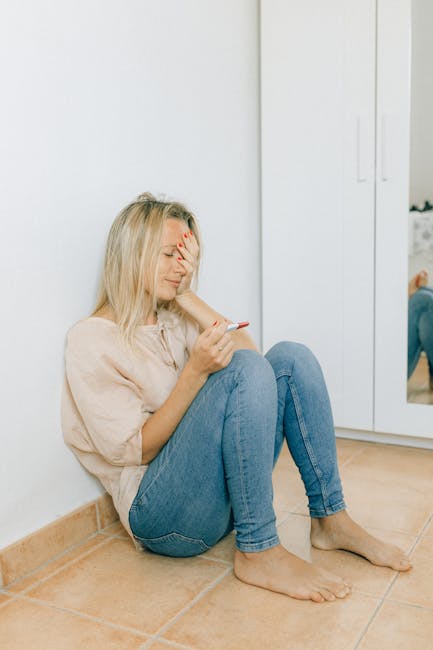
Despite the challenges, I remain optimistic about the future of Europe. I believe that the pandemic has taught us valuable lessons about resilience, solidarity, and the importance of investing in public health and social welfare. I've seen firsthand the innovative spirit and entrepreneurial energy that are driving change across the continent.
The key, in my opinion, lies in embracing these changes and turning them into opportunities. This involves:
- Investing in education and training to prepare people for the jobs of the future.
- Promoting innovation and entrepreneurship to create new businesses and industries.
- Strengthening social safety nets to protect vulnerable populations.
- Fostering cross-border cooperation to address shared challenges.
Of course, there will be bumps in the road. But by working together, I believe that Europe can emerge from this crisis stronger, more resilient, and more united than ever before.
Conclusion: Embracing Change and Building a Better Europe

Europe post-COVID is a work in progress. It's a landscape of both challenges and opportunities. From the lingering effects on mental health to the economic shifts and the evolving travel scene, we're all navigating a new normal. It's not always easy, but it's a journey we're on together.
Let's embrace the changes, learn from our experiences, and work together to build a better, more sustainable, and more equitable Europe for future generations. And remember, even amidst the uncertainty, there's still so much beauty, culture, and history to explore. So, pack your bags (and your hand sanitizer!), and get out there and experience the magic of Europe. Just be prepared for a little more planning and a little more patience than before. Safe travels!
Post a Comment