Europe on a Budget: Your Guide to Travel Smart & See More for Less

Europe on a Budget: Your Guide to Travel Smart & See More for Less
So, you're dreaming of cobblestone streets, ancient castles, and maybe a gelato (or five) in Italy? Europe has a way of capturing the imagination, doesn't it? But that dream can quickly feel out of reach when you start looking at flight prices and hotel costs. Don't worry, friend! Seeing Europe doesn't have to break the bank. I've been there, done that, and learned a few tricks along the way. Let's dive into how you can experience the magic of Europe without emptying your savings account.
Planning is Key: Laying the Foundation for Budget Travel
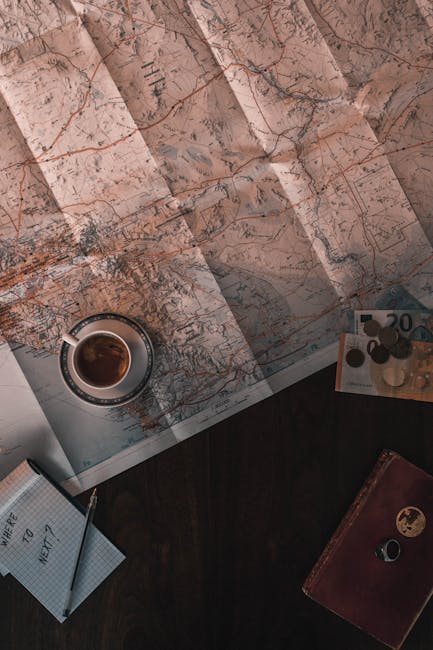
The biggest mistake I see people make is jumping headfirst into booking without a solid plan. A little pre-trip prep goes a long way in saving money (and stress!).
1. Set a Realistic Budget:
First things first, be honest with yourself about how much you can realistically spend. This isn't just about flights and accommodation. Factor in:
a. Transportation: Trains, buses, local metros – they all add up!
b. Food: Restaurant meals, snacks, groceries.
c. Activities: Entrance fees to museums, tours, day trips.
d. Accommodation: Hostels, budget hotels, Airbnb.
e. Souvenirs: That little something to remember your trip (or for family!).
f. Unexpected Expenses: Always pad your budget for those "just in case" moments (like a missed train or a sudden craving for authentic Belgian waffles).
There are tons of free online budget templates you can use, or even a simple spreadsheet will do the trick. Once you have a number in mind, stick to it!
2. Choose Your Destinations Wisely:
Let's face it, some European cities are just more expensive than others. London, Paris, and Zurich are notorious for being pricey. Consider these alternatives, which offer just as much charm (and often, fewer crowds!):
a. Instead of Paris, try Lyon or Marseille in France. Beautiful, historic, and easier on the wallet.
b. Swap London for Edinburgh (Scotland) or Manchester (England). Both offer a vibrant culture and rich history.
c. Ditch Zurich and explore Prague (Czech Republic) or Budapest (Hungary). These Eastern European gems are incredibly affordable and stunning.
d. Think about exploring the Balkans! Countries like Croatia, Montenegro, and Albania offer breathtaking scenery, delicious food, and a much lower cost of living than Western Europe.
3. Travel During the Shoulder Season:
The shoulder season (April-May and September-October) is the sweet spot. The weather is still pleasant, the crowds are thinner, and prices for flights and accommodation are significantly lower. I once snagged a round-trip flight to Rome in October for half the price it would have cost in July!
4. Be Flexible with Your Dates:
Flights are almost always cheaper mid-week (Tuesday or Wednesday) than on weekends. Use flight comparison websites like Google Flights, Skyscanner, or Momondo. They allow you to see price fluctuations over a whole month, helping you identify the cheapest days to fly. Also, consider flying into a smaller airport further away from your desired city. The savings can be worth the extra travel time.
Accommodation on a Shoestring: Finding a Comfortable (and Affordable) Place to Rest Your Head

Accommodation is often one of the biggest expenses, but there are plenty of ways to reduce it.
1. Embrace Hostels:
Gone are the days of dingy, overcrowded dorm rooms (well, most of them!). Many modern hostels are clean, comfortable, and offer private rooms as well as dorms. They're also a fantastic way to meet other travelers and get insider tips. Look for hostels with good reviews and amenities like free breakfast or a communal kitchen.
2. Consider Airbnb:
Renting an apartment or room through Airbnb can be a great option, especially if you're traveling with a group. You'll often get more space and amenities (like a kitchen and laundry) than you would in a hotel, and it can be much more affordable, especially if you're staying for several days. Be sure to read reviews carefully and communicate with the host before booking.
3. Look into Budget Hotels:
While not always the most glamorous, budget hotels can be a solid option. Chains like Ibis Budget, easyHotel, and B&B Hotels offer clean, basic rooms at reasonable prices. Book in advance, especially during peak season, to secure the best deals.
4. House Sitting and Couchsurfing:
If you're feeling adventurous, consider house sitting or couchsurfing. House sitting involves looking after someone's home (and often their pets) while they're away. It's a great way to get free accommodation in exchange for your services. Couchsurfing allows you to stay with locals for free, offering a unique cultural experience. Just remember to be respectful and responsible.
Transportation Hacks: Getting Around Europe Without Breaking the Bank

Getting from place to place can quickly eat into your budget. Here are some ways to save on transportation costs:
1. Take Advantage of Budget Airlines:
Europe is a hub for budget airlines like Ryanair, EasyJet, and Wizz Air. These airlines offer incredibly cheap flights between cities. The catch? You usually have to pay extra for checked baggage, seat selection, and sometimes even a carry-on. Pack light, be aware of the baggage restrictions, and book well in advance to get the best deals.
2. Embrace Train Travel:
Europe has an excellent train network, and train travel can be a scenic and comfortable way to get around. Consider purchasing a Eurail pass if you plan on traveling extensively by train. Alternatively, look for discounted train tickets online. Many train companies offer advance purchase fares and regional passes that can save you money.
3. Consider Overnight Buses:
Overnight buses are a budget-friendly way to travel long distances. While they might not be the most luxurious option, they can save you money on accommodation as well as transportation. Companies like Flixbus offer comfortable overnight buses with Wi-Fi and power outlets.
4. Walk, Cycle, and Use Public Transportation:
Whenever possible, walk or cycle to explore cities. It's a great way to see the sights and get some exercise. Most European cities have excellent public transportation systems (buses, trams, and metros) that are much cheaper than taxis. Purchase a day pass or a multi-day pass for unlimited travel.
Foodie Adventures on a Budget: Eating Well Without Overspending

Food is an integral part of any travel experience, but it doesn't have to be expensive.
1. Cook Your Own Meals:
If you're staying in a hostel or Airbnb with a kitchen, take advantage of it! Visit local markets and supermarkets to buy fresh ingredients and prepare your own meals. This is a great way to save money and experience local cuisine. Plus, grocery shopping in a foreign country is an adventure in itself!
2. Embrace Street Food:
Street food is a delicious and affordable way to sample local specialties. From crepes in Paris to pizza in Rome to sausages in Germany, there's street food to suit every taste and budget. Just be sure to choose vendors with good hygiene practices.
3. Look for Lunch Deals:
Many restaurants offer set-price lunch menus that are significantly cheaper than dinner. Take advantage of these deals to enjoy a restaurant meal without breaking the bank.
4. Happy Hour is Your Friend:
Many bars and restaurants offer happy hour specials with discounted drinks and appetizers. It's a great way to unwind after a long day of sightseeing without spending a fortune.
5. Pack Snacks:
Avoid the temptation to buy expensive snacks from tourist traps by packing your own. Bring granola bars, nuts, fruit, and other healthy snacks to keep you going between meals.
Free Activities and Attractions: Enjoying Europe Without Spending a Dime

There are tons of free things to see and do in Europe. You just have to know where to look.
1. Free Walking Tours:
Many cities offer free walking tours led by local guides. These tours are a great way to get an overview of the city's history, culture, and landmarks. While the tours are technically free, it's customary to tip the guide at the end.
2. Visit Free Museums and Art Galleries:
Many museums and art galleries offer free admission on certain days or evenings. Check the museum's website for details. Some museums also offer free admission for students or seniors.
3. Explore Parks and Gardens:
Europe is home to some of the most beautiful parks and gardens in the world. Pack a picnic and spend an afternoon relaxing in a park. It's a great way to escape the crowds and enjoy some fresh air.
4. Visit Churches and Cathedrals:
Many churches and cathedrals offer free admission. These historic buildings are often architectural masterpieces and offer a glimpse into the city's past. Just remember to dress respectfully (cover your shoulders and knees).
5. Enjoy the Street Performers:
Many European cities have vibrant street performer scenes. Watch musicians, acrobats, and other entertainers for free (but consider throwing them a few coins if you enjoy their performance).
Money-Saving Tips & Tricks: Little Things That Make a Big Difference

It's the small habits that can really add up to significant savings over the course of your trip.
1. Use a Travel Rewards Credit Card:
Sign up for a travel rewards credit card before your trip. These cards often offer bonus points or miles for travel purchases, which you can redeem for free flights or hotels. Just be sure to pay your balance in full each month to avoid interest charges.
2. Avoid ATM Fees:
ATM fees can quickly add up. Withdraw larger amounts of cash less frequently to minimize fees. Consider using a debit card that reimburses ATM fees or a credit card that doesn't charge foreign transaction fees.
3. Negotiate Prices:
In some countries, haggling is common practice. Don't be afraid to negotiate prices at markets, flea markets, and even in some shops (especially for souvenirs). Remember to be polite and respectful.
4. Take Advantage of Student Discounts:
If you're a student, take advantage of student discounts. Many museums, attractions, and transportation companies offer discounted rates for students. Bring your student ID card with you.
5. Stay Connected with Free Wi-Fi:
Avoid roaming charges by using free Wi-Fi whenever possible. Many cafes, restaurants, and libraries offer free Wi-Fi. Consider purchasing a local SIM card with a data plan if you need to stay connected all the time.
So there you have it! Traveling Europe on a budget is totally achievable. It just takes a bit of planning, some smart choices, and a willingness to embrace the adventure. Don't be afraid to step outside your comfort zone, try new things, and most importantly, have fun! Europe is waiting to be explored, and it doesn't have to cost a fortune.
Post a Comment