Europe: Your Ultimate Guide to Unforgettable Adventures

Europe: Your Ultimate Guide to Unforgettable Adventures
Europe! Just the name conjures up images of ancient castles, charming cobblestone streets, bustling city squares, and stunning natural landscapes. I've been lucky enough to wander through its diverse corners, and let me tell you, it's a continent that truly has something for everyone. Whether you're a history buff, a foodie, an art enthusiast, an adventure seeker, or simply looking for a relaxing getaway, Europe is bound to captivate your heart. Think of this guide as a friendly nudge in the right direction, filled with personal insights and practical tips to help you plan your own amazing European adventure.
Planning Your European Escape: Where Do You Even Begin?
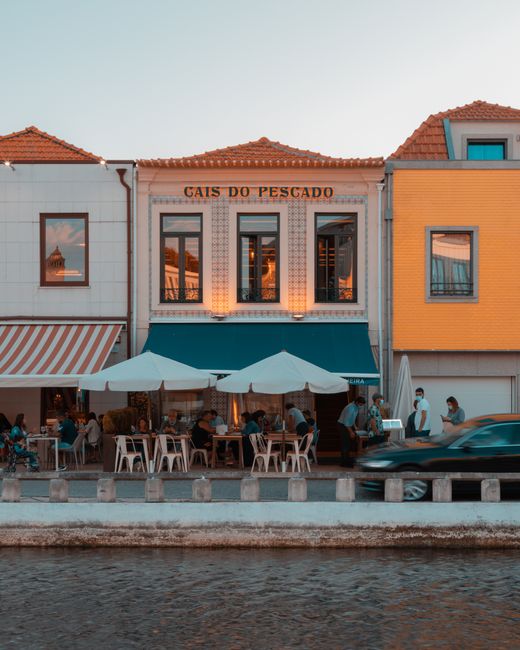
Okay, so you're dreaming of Europe – fantastic! But with so many incredible destinations, figuring out where to start can feel a bit overwhelming. Don't worry, I've been there! The key is to think about what you truly enjoy. Are you craving a historical deep dive? Or maybe a culinary journey? Perhaps a mix of both? Let's break down some common interests to help you narrow it down:
1. History & Culture Enthusiasts:
If you're a history buff, places like Rome, Athens, and Istanbul are absolute must-sees. You can literally walk through the footsteps of emperors and philosophers. Rome offers the Colosseum, the Roman Forum, the Vatican City - a feast for the historical senses. Athens is the birthplace of democracy, with the Acropolis standing as a testament to its ancient glory. And Istanbul, straddling two continents, boasts a rich blend of Byzantine and Ottoman history, visible in the Hagia Sophia and the Blue Mosque. Don't forget about exploring the castles of Germany, the medieval towns of France, and the Renaissance art of Florence!
2. Food Lovers:
Ah, Europe and its cuisine! Italy, France, and Spain are renowned for their culinary delights. Imagine indulging in pasta in Rome, croissants in Paris, and tapas in Barcelona! Each country has its unique regional specialties, so be sure to venture beyond the tourist hotspots to discover hidden culinary gems. Don't discount lesser-known food havens like Portugal, with its fresh seafood, or Belgium, with its famous chocolate and beer. And don't be afraid to try the street food – it's often the most authentic and delicious way to experience a country's flavors.
3. Art & Architecture Aficionados:
Europe is a treasure trove of art and architecture. From the Louvre in Paris to the Uffizi Gallery in Florence, you could spend weeks just exploring the masterpieces. Barcelona's architecture, particularly Gaudi's Sagrada Familia, is mind-blowing. Vienna is a city of imperial grandeur with its stunning palaces and museums. And of course, Amsterdam's canals and gabled houses are a treat for the eyes. Be sure to check out smaller cities too; often they have unique architectural styles and hidden art collections that are less crowded and more intimate.
4. Nature & Adventure Seekers:
If you're itching for some outdoor adventures, Europe has plenty to offer. The Swiss Alps are perfect for hiking and skiing. The Norwegian fjords are breathtakingly beautiful. The Scottish Highlands are rugged and wild. And the Croatian coast is ideal for sailing and swimming. Consider exploring the national parks of Iceland, hiking the Cinque Terre in Italy, or cycling through the Dutch countryside. There's no end to the natural beauty waiting to be explored.
5. Budget Travelers:
Europe doesn't have to break the bank! Eastern Europe, in particular, offers excellent value for money. Cities like Prague, Budapest, and Krakow are stunningly beautiful and significantly more affordable than Western European capitals. Consider visiting during the shoulder season (spring or fall) to avoid peak season prices and crowds. Look for budget-friendly accommodation options like hostels or Airbnb apartments, and take advantage of free walking tours to get your bearings. Public transport is generally excellent and affordable, especially compared to renting a car.
Making the Most of Your Trip: Practical Tips & Tricks

Now that you have a destination in mind, let's talk about the nitty-gritty details. Here are some practical tips to help you plan a smooth and enjoyable trip:
1. Visa & Entry Requirements:
Depending on your nationality, you may need a visa to enter Europe. The Schengen Area allows citizens of many countries to travel freely within 27 European countries for up to 90 days. Check the specific requirements for your country of origin well in advance of your trip. Don't leave it to the last minute!
2. Transportation:
Europe has an excellent public transportation system. Trains are often the most efficient way to travel between cities, especially high-speed trains. Consider purchasing a Eurail pass if you plan to travel extensively by train. Buses are a more affordable option for longer distances, but they can be slower. Within cities, use public transport like subways, trams, and buses. Walking is also a great way to explore, especially in historic city centers. Consider apps like Citymapper to help you navigate local transport.
3. Accommodation:
Accommodation options in Europe range from luxury hotels to budget-friendly hostels and Airbnb apartments. Book your accommodation in advance, especially during peak season. Hostels are a great option for solo travelers and budget travelers, as they offer a social atmosphere and opportunities to meet other travelers. Airbnb can be a good option for families or groups, as it allows you to rent an apartment or house with more space and amenities. Consider staying in guesthouses or smaller hotels for a more local experience.
4. Money Matters:
The Euro (€) is the currency used in most European countries. However, some countries, like the UK, Switzerland, and the Czech Republic, have their own currencies. It's a good idea to carry a mix of cash and credit cards. Credit cards are widely accepted in larger establishments, but smaller shops and restaurants may prefer cash. Be sure to inform your bank that you'll be traveling abroad to avoid any issues with your credit cards. Consider using a travel credit card that doesn't charge foreign transaction fees. ATMs are readily available in most cities. Always withdraw cash from reputable banks to avoid scams.
5. Language Barrier:
While English is widely spoken in tourist areas, it's always a good idea to learn a few basic phrases in the local language. "Hello," "thank you," "please," and "excuse me" can go a long way in showing respect and making a positive impression. Many Europeans appreciate the effort, even if you only know a few words. Download a translation app on your phone for quick and easy translations. Don't be afraid to ask for help – most people are happy to assist.
6. Safety & Security:
Europe is generally a safe place to travel, but it's important to be aware of your surroundings and take precautions against petty theft. Pickpocketing is common in tourist areas, so keep your valuables secure. Be especially vigilant in crowded places like train stations, markets, and popular attractions. Avoid walking alone at night in poorly lit areas. Be aware of scams and be wary of overly friendly strangers. Make copies of your passport and other important documents and store them separately from the originals.
Diving Deeper: Hidden Gems & Off-the-Beaten-Path Adventures
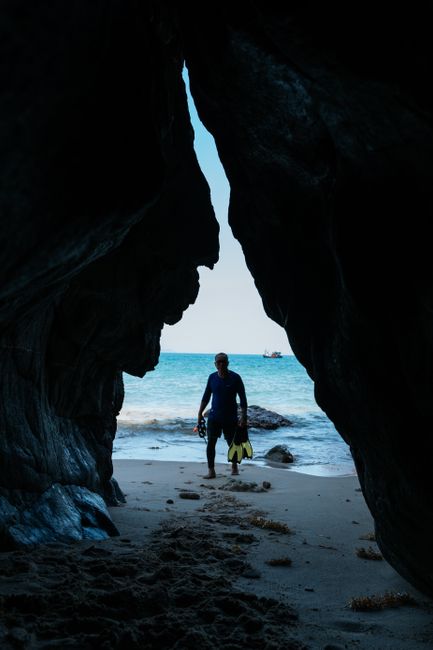
While the iconic landmarks are definitely worth seeing, don't be afraid to venture off the beaten path and explore some of Europe's hidden gems. Here are a few ideas to get you started:
1. Portugal's Algarve Region:
Beyond Lisbon and Porto, the Algarve region in southern Portugal offers stunning beaches, dramatic cliffs, and charming fishing villages. It's a great place to relax, soak up the sun, and enjoy fresh seafood.
2. Slovenia's Lake Bled:
This picturesque lake in the Julian Alps is a fairytale destination with a church on a small island in the middle of the lake. Hike to Bled Castle for panoramic views, or take a traditional "pletna" boat to the island.
3. The Faroe Islands:
These remote islands between Iceland and Norway offer dramatic landscapes, towering cliffs, and charming villages. Hike to breathtaking viewpoints, go birdwatching, or take a boat trip to explore the coastline.
4. Matera, Italy:
This ancient city in southern Italy is known for its "Sassi," cave dwellings that have been inhabited since the Paleolithic era. Explore the Sassi, visit the rock churches, and enjoy the stunning views.
5. Transylvania, Romania:
Beyond the Dracula myths, Transylvania offers stunning medieval towns, rolling hills, and dramatic mountain scenery. Visit Bran Castle, explore Sighisoara (the birthplace of Vlad the Impaler), and hike in the Carpathian Mountains.
Here are some additional ideas in list form:
- The Plitvice Lakes National Park, Croatia: Stunning turquoise lakes and cascading waterfalls.
- San Marino: One of the world's smallest countries, offering amazing views and a unique historical experience.
- Mostar, Bosnia and Herzegovina: Famous for its iconic bridge and Ottoman architecture.
Creating Your Own European Story: Embrace the Unexpected

Ultimately, the best way to experience Europe is to embrace the unexpected and be open to new experiences. Get lost in the streets, strike up conversations with locals, try new foods, and don't be afraid to deviate from your itinerary. Sometimes the most memorable moments happen when you least expect them. Remember to:
- Be Flexible: Plans change, and that's okay! Embrace the spontaneity and be open to new opportunities.
- Stay Curious: Ask questions, explore beyond the tourist hotspots, and be eager to learn about the local culture.
- Respect Local Customs: Be mindful of local traditions and customs. Dress appropriately when visiting religious sites, and be respectful of local etiquette.
- Connect With Locals: Strike up conversations with locals. They can offer valuable insights and recommendations.
- Document Your Journey: Take photos, write in a journal, and collect souvenirs to help you remember your experiences.
Europe is a continent that will leave a lasting impression on you. It's a place of rich history, diverse cultures, stunning landscapes, and unforgettable experiences. So go ahead, start planning your European adventure, and create your own unique story.
Happy travels!
Post a Comment