Florence: Renaissance Art & Tuscan Delights - A Personal Journey

Florence: Renaissance Art & Tuscan Delights - A Personal Journey
Ah, Florence! Just the name conjures up images of breathtaking art, sun-drenched landscapes, and the intoxicating aroma of Tuscan cuisine. It's a place that captured my heart from the moment I stepped off the train, and I can't wait to share my personal experiences and insights with you.
The Cradle of the Renaissance: Immersing Yourself in Art History

Florence is undoubtedly the birthplace of the Renaissance, a period that revolutionized art, architecture, and thought. Walking through its streets is like stepping back in time, surrounded by masterpieces at every turn. Honestly, it can be a little overwhelming at first, but don't worry, I'm here to help you navigate the artistic wonders.
Let's start with the obvious: the Uffizi Gallery. This is a must-see, housing iconic works like Botticelli's "Birth of Venus" and Leonardo da Vinci's "Annunciation." Be prepared for crowds (especially during peak season), but trust me, it's worth it. My advice? Book your tickets online well in advance. It will save you hours of waiting in line, allowing you more time to soak in the beauty.
Another key stop is the Accademia Gallery, home to Michelangelo's David. Standing in its presence is truly awe-inspiring. The sheer scale and detail of the sculpture are simply incredible. I remember feeling completely dwarfed by its majesty, a moment I'll never forget. Beyond David, explore the gallery's collection of Florentine paintings, particularly those by artists working between 1300 and 1600.
But Florence isn't just about these famous galleries. Venture beyond the well-trodden paths and discover hidden gems. The Palazzo Pitti, for example, is often overlooked but houses five museums under one roof, including the Gallery of Modern Art and the Museum of Costume and Fashion. And don't forget the Bargello Museum, which boasts an impressive collection of Renaissance sculptures, including works by Donatello and Michelangelo.
To truly appreciate Florentine art, I recommend considering a guided tour. I joined a walking tour that focused specifically on Renaissance art and architecture, and it provided invaluable context and insights that I wouldn't have gained on my own. Learning about the historical background, the artists' techniques, and the symbolism behind the works made the experience so much richer.
The Duomo and Giotto's Campanile: Scaling New Heights
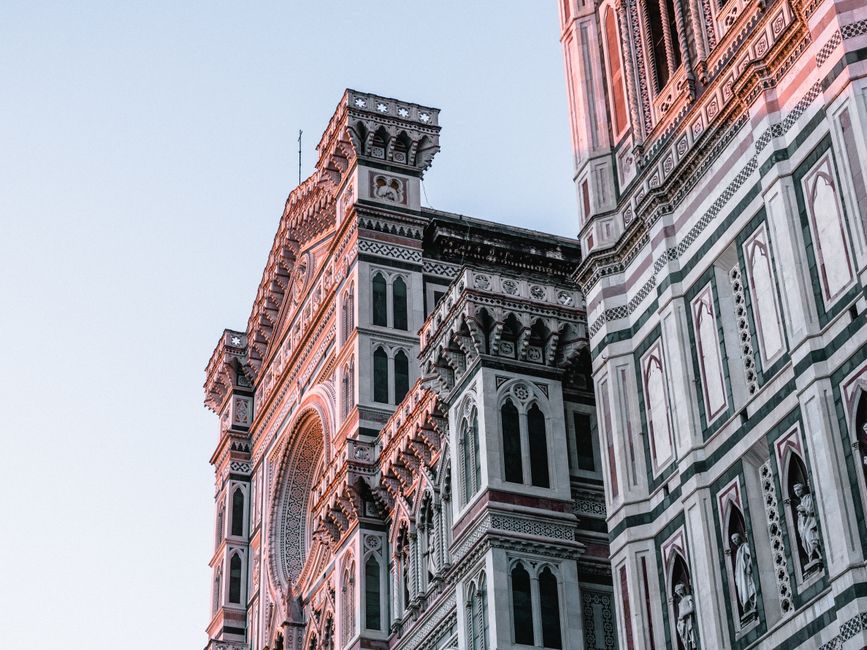
No visit to Florence is complete without marveling at the Duomo (Florence Cathedral), formally known as the Cattedrale di Santa Maria del Fiore. Its magnificent dome, designed by Brunelleschi, is an architectural marvel and a symbol of the city. Climbing to the top of the dome is a challenge, but the panoramic views of Florence are simply breathtaking. Be warned though, the staircase is narrow and winding, so wear comfortable shoes!
Right next to the Duomo stands Giotto's Campanile, a stunning bell tower that offers equally impressive views. While slightly less strenuous to climb than the dome, it's still a good workout! The views from the top are worth every step, offering a different perspective on the city and the Duomo itself. From up there, you can truly appreciate the intricate details of the Duomo's facade and the surrounding rooftops.
For a different perspective of the Duomo, cross the Arno River to Piazzale Michelangelo. This piazza offers a stunning panoramic view of the entire city, including the Duomo, the Ponte Vecchio, and the surrounding hills. It's a popular spot for sunset viewing, and the atmosphere is lively and festive.
Crossing the Ponte Vecchio: History and Jewelry

The Ponte Vecchio, or "Old Bridge," is one of Florence's most iconic landmarks. What makes it unique is the shops built along it, a tradition that dates back to the Middle Ages. Originally, these shops were occupied by butchers, but they were later replaced by jewelers. Today, the Ponte Vecchio is lined with glittering jewelry shops, offering everything from traditional Florentine designs to modern creations.
Walking across the Ponte Vecchio is like stepping back in time. The bridge has a fascinating history, having survived floods, wars, and even a demolition attempt by the Nazis during World War II. Legend has it that the "vasari corridor", a hidden passage which connects the Uffizi to the Pitti Palace, runs through the houses on the bridge.
While the jewelry shops are tempting, I found it equally enjoyable to simply stroll across the bridge, taking in the views of the Arno River and the surrounding buildings. It's a great place to people-watch and soak in the atmosphere of Florence.
Tuscan Delights: A Culinary Journey

No trip to Tuscany is complete without indulging in its delectable cuisine. Florentine food is hearty, flavorful, and based on fresh, local ingredients. Here are a few of my favorite culinary experiences:
- Bistecca alla Fiorentina: This is the quintessential Florentine dish – a thick-cut, grilled steak cooked rare. It's usually served simply with salt, pepper, and a drizzle of olive oil, allowing the quality of the meat to shine through. Make sure to share it with someone, as it's usually quite large!
- Lampredotto: This is a Florentine street food specialty – a sandwich made with the fourth stomach of a cow, cooked in broth and served on a bread roll. It might sound a bit adventurous, but trust me, it's delicious! Look for a "lampredottaio" – a food stall that specializes in lampredotto.
- Ribollita: This is a hearty bread and vegetable soup, a staple of Tuscan cuisine. It's usually made with leftover bread, beans, vegetables, and olive oil. It's the perfect dish to warm you up on a chilly day.
- Cantucci and Vin Santo: This is a classic Tuscan dessert – almond biscotti dipped in sweet Vin Santo wine. The biscotti are usually quite hard, so dipping them in the wine softens them up. It's the perfect way to end a meal.
Beyond these classic dishes, be sure to try other Tuscan specialties like pappardelle al cinghiale (wide noodles with wild boar sauce), truffle pasta, and artisanal cheeses. Don't forget to sample the local wines, especially Chianti Classico.
Here's some tips for finding great food:
- Trattorias over Ristorantes: Look for trattorias, which are typically family-run restaurants that offer more traditional and affordable cuisine. Ristorantes tend to be more formal and expensive.
- Avoid Tourist Traps: Steer clear of restaurants located right next to major tourist attractions. These places often serve mediocre food at inflated prices.
- Ask Locals for Recommendations: Don't be afraid to ask locals for recommendations. They'll usually be happy to point you to their favorite hidden gems.
Consider taking a cooking class. I spent an afternoon learning how to make fresh pasta and traditional Tuscan sauces. It was a fun and interactive experience, and I learned valuable skills that I can now use at home.
Beyond Florence: Exploring the Tuscan Countryside

While Florence is undoubtedly the highlight of Tuscany, don't miss the opportunity to explore the surrounding countryside. Renting a car is the best way to see the rolling hills, vineyards, and charming villages that make Tuscany so special.
Some of my favorite destinations in the Tuscan countryside include:
- Siena: This medieval city is known for its Piazza del Campo, the main public space where the Palio horse race is held twice a year. Climb the Torre del Mangia for panoramic views of the city and surrounding countryside.
- San Gimignano: This hilltop town is famous for its medieval towers, which offer stunning views of the surrounding vineyards and olive groves. It's a charming and picturesque town, perfect for a day trip.
- Chianti Region: This is the heart of Tuscany's wine country. Visit vineyards, sample local wines, and enjoy the stunning scenery. Many vineyards offer tours and tastings, allowing you to learn about the winemaking process.
- Val d'Orcia: This UNESCO World Heritage site is known for its rolling hills, cypress trees, and picturesque villages. It's a photographer's paradise, offering endless opportunities for stunning photos.
Driving through the Tuscan countryside is an experience in itself. The roads are winding and scenic, offering breathtaking views at every turn. Be sure to stop at local farms and markets to sample fresh produce, cheeses, and olive oil.
Tips for Planning Your Florentine Adventure

To make the most of your trip to Florence, here are a few practical tips:
- Book Accommodation in Advance: Florence is a popular destination, so book your accommodation well in advance, especially if you're traveling during peak season.
- Purchase the Firenze Card: If you plan to visit multiple museums and attractions, consider purchasing the Firenze Card. It provides access to most of the city's museums and attractions, and it can save you money and time.
- Wear Comfortable Shoes: You'll be doing a lot of walking, so wear comfortable shoes. The streets of Florence are cobblestone, so high heels are not recommended.
- Learn a Few Basic Italian Phrases: While many people in Florence speak English, learning a few basic Italian phrases will be appreciated. "Buongiorno" (good morning), "grazie" (thank you), and "prego" (you're welcome) are a good start.
- Be Aware of Pickpockets: Pickpockets are common in tourist areas, so be aware of your surroundings and keep your valuables safe.
- Enjoy the Aperitivo: Aperitivo is a pre-dinner drink served with snacks. It's a popular tradition in Italy, and it's a great way to relax and socialize before dinner.
Leaving a Piece of My Heart in Florence

My time in Florence and Tuscany was truly unforgettable. It's a place that's rich in history, art, culture, and of course, delicious food. From the breathtaking masterpieces of the Renaissance to the rolling hills of the Tuscan countryside, Florence captured my heart and left me longing to return. I hope this guide has inspired you to plan your own Florentine adventure. Buon viaggio! (Have a good trip!)
Post a Comment