Granada's Alhambra: A Journey Through Moorish History & Breathtaking Beauty
Granada's Alhambra: A Journey Through Moorish History & Breathtaking Beauty
Okay, friend, let's talk about Granada! Specifically, the Alhambra. If you're even remotely interested in history, architecture, or just soaking in sheer, unadulterated beauty, then trust me, this is a place you absolutely HAVE to experience. I'm practically bursting to share my own experiences and insights, hoping to spark that same wanderlust in you. Think of it as a virtual coffee date where we delve into the mesmerizing world of Moorish Spain.
A Glimpse into the Past: Moorish Granada
Before we even set foot within the Alhambra's walls, let's rewind a bit and understand the historical context. Granada wasn't always Spanish, you see. For centuries, it was a vibrant hub of Moorish culture, a legacy left behind by the North African Moors who crossed the Strait of Gibraltar and established Al-Andalus (Islamic Iberia). Think of it – a flourishing center of science, art, and literature, quite advanced for its time! Granada became the final stronghold of this Moorish empire in Spain, a kingdom clinging to existence while the rest of the peninsula gradually reverted to Christian rule.
This period, though often romanticized, wasn't without its complexities. There were power struggles, internal conflicts, and the ever-present pressure from the Christian kingdoms to the north. But amidst all that, Granada bloomed. The Moors, with their sophisticated understanding of mathematics, astronomy, and irrigation, transformed the landscape and created architectural wonders that still leave us speechless today. They brought with them new crops, new technologies, and a unique artistic sensibility that blended seamlessly with existing Iberian traditions. You can still feel it in the air, hear it in the music, and taste it in the food of Granada today.
The Alhambra: A Fortress, A Palace, A Dream
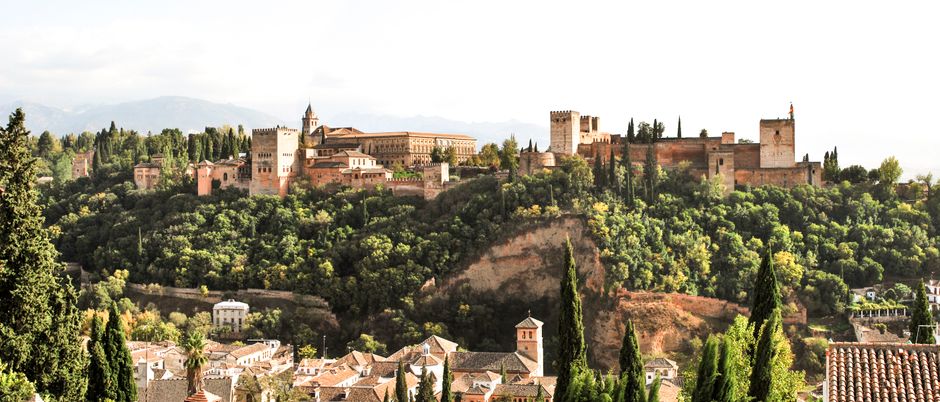
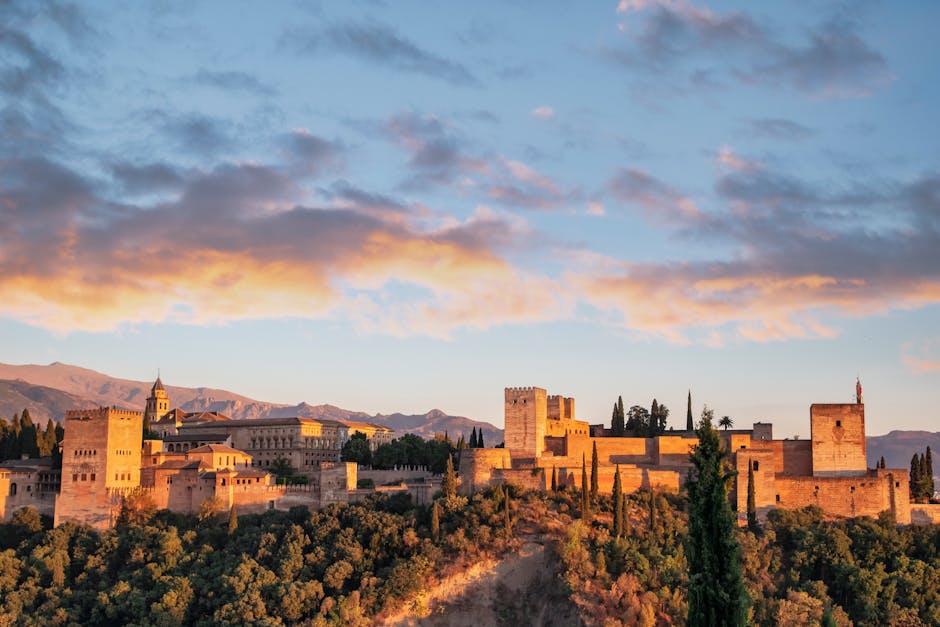
And now, for the star of the show: the Alhambra. The name itself comes from the Arabic "Al-Hamra," meaning "the Red One," likely due to the reddish hue of the walls in the setting sun. Imagine it: perched strategically on a hill overlooking the city, a fortress designed to protect the Nasrid dynasty, the last Moorish rulers of Granada. But the Alhambra is so much more than just a defensive structure. It's a palace, a royal residence, a testament to the opulence and refinement of Moorish culture.
Think of it as a series of interconnected palaces, courtyards, gardens, and mosques, each more breathtaking than the last. You'll lose yourself in the intricate details, the delicate stucco work, the mesmerizing geometric patterns. Water plays a crucial role throughout, flowing through fountains and canals, creating a soothing soundtrack to your visit. And the light! Oh, the way the light filters through the arches and reflects off the water, creating dancing shadows and a sense of ethereal beauty – it's pure magic.
Must-See Spots Within the Alhambra
Given the Alhambra's vastness, it can be a little overwhelming knowing where to start. Based on my experience, here are some key areas you absolutely can't miss:
- The Nasrid Palaces: This is the heart of the Alhambra, where the sultans and their families lived. You'll need a timed ticket for entry, so book well in advance! Within the Nasrid Palaces, you'll find:
- The Mexuar: The oldest part of the palace, originally used for administrative and judicial functions.
- The Comares Palace: Home to the Hall of the Ambassadors, the largest room in the Alhambra, showcasing incredible architectural details and offering stunning views.
- The Palace of the Lions: Famous for its central courtyard with a fountain supported by twelve marble lions. This is perhaps the most iconic image of the Alhambra.
- The Alcazaba: The original fortress, offering panoramic views of Granada and the surrounding countryside. Climb to the top of the towers for unforgettable photo opportunities.
- The Generalife: The summer palace and gardens of the Nasrid rulers. This is where they escaped the heat of the city and indulged in leisurely pursuits. The Generalife is renowned for its stunning gardens, fountains, and reflecting pools.
Tips for Planning Your Visit

Okay, now for the practical stuff. Visiting the Alhambra requires a little planning, but it's totally worth it! Here's what I learned that might help you:
- Book Tickets in Advance: This is essential, especially during peak season. Tickets often sell out weeks, even months, in advance. You can book online through the official Alhambra website or through authorized resellers.
- Choose Your Time Slot Wisely: When booking, you'll need to select a time slot for entering the Nasrid Palaces. This is crucial because you won't be able to enter outside of that time. Consider the time of day and how the light will affect your photos. Early morning or late afternoon often offer the best lighting.
- Wear Comfortable Shoes: You'll be doing a lot of walking, and the terrain can be uneven in places. Trust me, your feet will thank you.
- Bring Water and Snacks: You can purchase refreshments inside the Alhambra, but it's always a good idea to bring your own water, especially on a hot day.
- Hire a Guide (Optional but Recommended): While it's possible to explore the Alhambra on your own, a guided tour can provide invaluable insights into the history, architecture, and symbolism of the complex.
- Allow Plenty of Time: Don't rush your visit. The Alhambra is vast and there's so much to see. Plan to spend at least half a day, or even a full day, exploring the grounds.
- Learn a Little Spanish: While many people in Granada speak English, knowing a few basic Spanish phrases will definitely enhance your experience.
- Respect the Site: Remember that the Alhambra is a historical monument and a sacred place for some. Be respectful of the surroundings and follow the rules.
Beyond the Alhambra: Exploring Granada

While the Alhambra is undoubtedly the main attraction, Granada has so much more to offer! Don't just visit the palace and leave. Take some time to explore the rest of this fascinating city.
The Albaicín: This is the old Arab quarter of Granada, a maze of narrow, winding streets, whitewashed houses, and stunning viewpoints. Get lost in the labyrinthine alleys, discover hidden plazas, and enjoy breathtaking views of the Alhambra from the Mirador de San Nicolás. Trust me, the sunset from this viewpoint is something you'll never forget!
The Sacromonte: Famous for its cave dwellings and flamenco performances. This is where the Romani people settled after the Christian reconquest, and they developed a unique style of flamenco dancing known as zambra. Experience the passion and energy of a zambra performance in one of the Sacromonte caves.
The Granada Cathedral: A magnificent Renaissance cathedral built on the site of the former Great Mosque. Admire the impressive architecture and explore the Royal Chapel, where the Catholic Monarchs, Isabella and Ferdinand, are buried.
The Tapas Scene: Granada is famous for its free tapas! When you order a drink, you'll typically receive a complimentary tapa. This is a great way to sample local cuisine and experience the city's vibrant bar culture. Just wander around the city center, pop into a few bars, and enjoy the delicious food and lively atmosphere.
The Food of Granada: A Culinary Journey

Speaking of food, Granada's cuisine is a delightful blend of Moorish and Spanish influences. Be sure to try some of the local specialties:
- Habas con Jamón: Broad beans with Iberian ham. A simple but delicious dish that showcases the quality of local ingredients.
- Remojón Granadino: A refreshing salad made with oranges, olives, onions, and cod. Perfect for a hot day.
- Tortilla del Sacromonte: An omelet made with various ingredients, including brains, sweetbreads, and ham. It might sound a little adventurous, but it's a local delicacy.
- Piononos: Small pastries soaked in syrup. A sweet treat that's perfect with coffee.
A Personal Reflection

My own experience in Granada and the Alhambra was truly transformative. Walking through those ancient walls, I felt a connection to the past, a sense of awe and wonder at the ingenuity and artistry of the Moorish civilization. It wasn't just about seeing beautiful buildings; it was about understanding a different culture, a different way of life. It made me think about the complexities of history, the interactions between different civilizations, and the enduring legacy of cultural exchange.
I remember standing in the Court of the Lions, mesmerized by the intricate stucco work and the gentle sound of the fountain. The light was perfect, casting long shadows across the courtyard. In that moment, I felt a sense of peace and tranquility that I'll never forget. It's a feeling that I hope you get to experience for yourself one day.
So, if you're looking for a travel destination that will stimulate your mind, captivate your senses, and leave you with memories that will last a lifetime, I wholeheartedly recommend Granada and the Alhambra. It's more than just a tourist attraction; it's a journey through history, a celebration of art and culture, and an experience that will stay with you long after you've left.
Go on, start planning your trip! You won't regret it. And when you do go, promise me you'll take a moment to just soak it all in – the sounds, the sights, the smells, the history. Let the Alhambra work its magic on you. You might just come back a changed person. I know I did!
Post a Comment