Interrail/Eurail: Your Ultimate Guide to European Train Adventures!
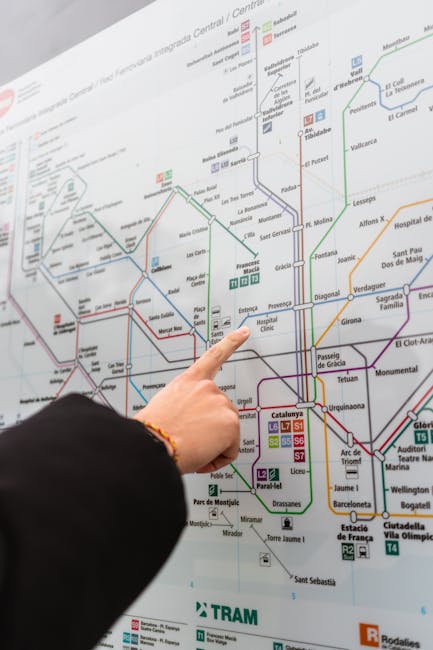
Interrail/Eurail: Your Ultimate Guide to European Train Adventures!
Okay, so you're dreaming of Europe, huh? Picture this: cobblestone streets, ancient castles, breathtaking landscapes, and the freedom to hop from one incredible city to another, all without the hassle of airports or endless car rentals. That, my friend, is the magic of Interrail and Eurail. I've done it myself, and let me tell you, it's an experience you won't forget. Consider me your personal guide to planning your own epic European train adventure!
What are Interrail and Eurail Passes? Understanding the Basics

First things first, let's clear up the terminology. Interrail and Eurail aren't exactly the same, although they both unlock the door to European train travel. Here's the breakdown:
Interrail Pass: This is for European citizens or residents. If you're a permanent resident of a European country (including the UK!), this is the pass you'll need.
Eurail Pass: This is for non-European citizens or residents. If you're from the USA, Canada, Australia, Asia, or anywhere else outside of Europe, this is the pass for you.
Basically, they both give you access to train networks across participating European countries, but the eligibility differs. Think of it like this: Interrail is for Europeans exploring their own backyard, and Eurail is for everyone else coming to experience the continent. Both passes cover a vast network of trains, including high-speed, regional, and even some scenic routes. But it's not just unlimited travel; you might need to make seat reservations for some trains, which is an extra cost we'll discuss later.
Why Choose Train Travel in Europe? My Personal Experience

Now, you might be wondering, "Why train travel over flying or driving?" Well, let me tell you from my own experiences. I've flown across Europe before, and while it gets you there quickly, you miss out on so much.
Here's why train travel won me over:
- The Scenery: Seriously, picture yourself gliding through the Swiss Alps, along the French Riviera, or across the rolling hills of Tuscany. You see things you'd never see from a plane or even on the highway.
- Convenience: No airport security lines, no baggage fees, and no frantic rush to your gate. You simply arrive at the train station, hop on board, and relax.
- Comfort: Trains often have more legroom than planes, and you can get up and walk around. Many have dining cars, power outlets, and even Wi-Fi.
- City Center Access: Train stations are usually located right in the heart of the city, making it super easy to start exploring as soon as you arrive. No need for expensive airport transfers.
- Sustainability: Train travel is generally more environmentally friendly than flying, so you can explore Europe with a lighter footprint.
- The Unexpected: Some of my fondest travel memories are from spontaneous conversations with fellow travelers on trains. You never know who you might meet or what you might learn.
For me, the journey is just as important as the destination, and train travel truly embraces that philosophy.
Choosing the Right Pass: Types, Duration, and Cost

Alright, let's dive into the nitty-gritty of choosing the right Interrail or Eurail pass for your adventure. This is where it can get a little confusing, but don't worry, I'll break it down for you.
Both Interrail and Eurail passes offer a variety of options based on:
- Duration: How long you want the pass to be valid for. Options range from a few travel days within a month to continuous travel for several months.
- Number of Travel Days: How many days you plan to actually travel by train. Some passes offer unlimited travel for a set period, while others allow a certain number of travel days within a longer timeframe.
- Countries Included: Some passes cover all participating countries, while others focus on a specific region or a limited number of countries.
- Age: There are discounts for youth (under 28) and seniors (60+).
- Class: First-class and second-class options are available. First-class offers more spacious seating and often quieter environments.
Here's a simplified overview of common pass types:
- Continuous Pass: Allows unlimited train travel every day within the validity period (e.g., 1 month continuous). Ideal if you plan to be on the move constantly.
- Flexi Pass: Allows a certain number of travel days within a longer timeframe (e.g., 7 travel days within 1 month). Perfect if you want to spend a few days in each city.
- One Country Pass: For exploring a single country in depth.
- Global Pass: The most popular option, covering all participating countries.
Cost: The price of your pass depends on the type, duration, and class you choose. Generally, the longer the validity and the more countries included, the more expensive the pass will be. Youth and senior discounts can significantly reduce the cost. Check the official Interrail or Eurail websites for the most up-to-date pricing information.
My advice: Carefully consider your itinerary and travel style before choosing a pass. If you're planning a whirlwind tour of multiple countries, a Global Pass with a limited number of travel days might be the best option. If you prefer to linger in each place, a longer-duration pass might be more suitable. I personally prefer a flexi pass because it gives me the freedom to stay longer in a city I love without feeling pressured to keep moving.
Planning Your Itinerary: Destinations, Routes, and Time Management

Okay, you've got your pass sorted. Now comes the fun part: planning your itinerary! This is where your European adventure truly begins to take shape. Here's my approach to planning a successful Interrail/Eurail trip:
- Brainstorm Destinations: Make a list of all the cities and regions you've always dreamed of visiting. Don't hold back – write down everything that comes to mind!
- Prioritize and Group: Once you have your list, prioritize your must-see destinations and group them geographically. This will help you create a logical route.
- Map Your Route: Use online route planners (the Interrail and Eurail websites have great tools) to map out your train journeys between destinations. This will give you an idea of travel times and potential connecting trains.
- Consider Travel Times: Be realistic about travel times. Long overnight train journeys can save you money on accommodation, but they can also be tiring. Factor in time for rest and relaxation.
- Factor in Seat Reservations: As I mentioned before, some trains require seat reservations, especially high-speed and international trains. Research which trains require reservations on your chosen routes and book them in advance, especially during peak season. This is an extra cost to consider on top of the pass.
- Be Flexible: While it's good to have a plan, be open to spontaneous detours and changes of plans. Some of the best travel experiences are the ones you don't expect!
My favorite destinations for Interrail/Eurail:
- Paris, France: Need I say more? Romance, history, art, and delicious food.
- Rome, Italy: Ancient ruins, stunning architecture, and incredible pasta.
- Amsterdam, Netherlands: Canals, bikes, and a laid-back atmosphere.
- Berlin, Germany: History, culture, and a vibrant nightlife.
- Barcelona, Spain: Architecture, beaches, and tapas.
- Prague, Czech Republic: Fairytale castles, charming streets, and affordable prices.
- Vienna, Austria: Imperial palaces, classical music, and elegant cafes.
- Switzerland: Mountain views, stunning lakes, and outdoor adventures.
Time Management Tips:
- Don't try to cram too much in: Quality over quantity. It's better to spend a few days in each place and really experience it than to rush through a long list of cities.
- Plan for downtime: Travel can be exhausting. Schedule in some days for rest and relaxation.
- Book accommodation in advance: Especially during peak season, popular hostels and hotels can fill up quickly.
- Use travel apps: Apps like Google Maps, Citymapper, and Trainline can help you navigate public transportation and find the best train routes.
Seat Reservations: When, Where, and How to Book

Seat reservations are the bane of every Interrail/Eurail traveler's existence. While your pass gives you access to the train network, it doesn't guarantee you a seat on every train. Some trains, especially high-speed and international routes, require you to book a seat reservation in advance.
When are seat reservations required?
- High-speed trains: Trains like TGV (France), Thalys (France, Belgium, Netherlands, Germany), Eurostar (UK, France, Belgium), and ICE (Germany) often require reservations.
- Night trains: If you're traveling overnight in a sleeper car, you'll definitely need a reservation.
- Popular routes during peak season: Even regional trains can require reservations during the summer months or holidays.
Where to book seat reservations:
- Online: The Interrail and Eurail websites offer a reservation service, but the fees can be higher than booking directly with the train operator.
- Train operator websites: The best option is often to book directly with the train operator (e.g., SNCF for France, Deutsche Bahn for Germany).
- Train stations: You can also book reservations at train stations, but this can be time-consuming, especially during peak season.
How to book seat reservations:
- Identify the trains that require reservations: Use online route planners to check which trains require reservations.
- Choose your route and date: Select your desired route and date of travel.
- Enter your Interrail/Eurail pass information: You'll need to provide your pass number and other details.
- Pay the reservation fee: The reservation fee varies depending on the train and route.
- Receive your reservation confirmation: You'll usually receive a digital or printed reservation confirmation that you'll need to show the conductor.
Tips for avoiding seat reservation fees:
- Travel during off-peak season: Fewer people traveling means fewer trains requiring reservations.
- Take regional trains: Regional trains often don't require reservations, but they can be slower.
- Plan your route carefully: Choose routes that avoid high-speed trains or trains that are known for requiring reservations.
Budgeting and Saving Money on Your Trip

Europe can be expensive, but it doesn't have to break the bank. With a little planning and some savvy budgeting, you can enjoy an amazing Interrail/Eurail adventure without emptying your wallet.
Here are my top tips for saving money:
- Travel during the off-season: Accommodation, transportation, and activities are often cheaper during the shoulder seasons (spring and fall).
- Cook your own meals: Eating out every day can be expensive. Opt for hostels or apartments with kitchens and cook some of your own meals. Grocery stores are your friend!
- Take advantage of free activities: Many cities offer free walking tours, museums with free admission days, and beautiful parks to explore.
- Stay in hostels or budget hotels: Hostels are a great way to meet other travelers and save money on accommodation. Budget hotels can also be a good option, especially if you're traveling with a friend.
- Use public transportation: Avoid taxis and take advantage of public transportation like buses, trams, and subways.
- Look for discounts: Many museums and attractions offer discounts for students, youth, or seniors.
- Pack light: Avoid baggage fees by packing only what you need in a carry-on bag.
- Drink tap water: Save money on bottled water by carrying a reusable water bottle and filling it up at public fountains.
- Take advantage of free Wi-Fi: Avoid roaming charges by using free Wi-Fi hotspots at cafes, libraries, and train stations.
- Book accommodation and transportation in advance: You can often get better deals by booking in advance.
Essential Packing List for Your Train Adventure

Packing light is crucial for a comfortable train journey. You'll be hauling your luggage on and off trains, up stairs, and through crowded stations, so you want to keep it as manageable as possible.
Here's my essential packing list:
- Backpack or rolling suitcase: Choose a sturdy and comfortable bag that's easy to carry or roll.
- Comfortable shoes: You'll be doing a lot of walking, so comfortable shoes are essential.
- Versatile clothing: Pack clothing items that can be mixed and matched to create different outfits.
- Layers: The weather in Europe can be unpredictable, so pack layers that you can add or remove as needed.
- Rain jacket or umbrella: Be prepared for rain, especially in certain regions.
- Universal adapter: Europe uses different electrical outlets than many other countries.
- Power bank: Keep your devices charged on the go.
- Travel pillow and eye mask: For comfortable overnight train journeys.
- Earplugs: Block out noise on noisy trains or in crowded hostels.
- First-aid kit: Include essentials like pain relievers, bandages, and antiseptic wipes.
- Copies of important documents: Keep copies of your passport, visa, and travel insurance information in a separate location from the originals.
- Interrail/Eurail pass and seat reservations: Don't forget these essentials!
- Phrasebook or language app: Learn a few basic phrases in the local languages of the countries you'll be visiting.
- A good book or e-reader: For entertainment on long train journeys.
Final Thoughts: Embrace the Journey

Planning an Interrail/Eurail trip can seem daunting at first, but trust me, it's worth it. It's a chance to experience Europe in a unique and unforgettable way. Embrace the journey, be open to new experiences, and don't be afraid to get lost (sometimes that's where the best adventures begin!). So grab your pass, pack your bags, and get ready for the adventure of a lifetime! Bon voyage!
Post a Comment