Malta: A Sun-Kissed Isle of Ancient History & Unforgettable Mediterranean Beauty

Malta: A Sun-Kissed Isle of Ancient History & Unforgettable Mediterranean Beauty
Hey there, fellow travel enthusiast! Let's talk about a place that has completely stolen my heart: Malta. This tiny island nation, nestled in the heart of the Mediterranean, is so much more than just stunning beaches and turquoise waters (though, trust me, those are definitely a major draw!). It's a place where history comes alive, where ancient stones whisper tales of empires past, and where the warm sunshine seems to seep into your very soul. I'm so excited to share my experiences and insights with you, so grab a virtual coffee, and let's dive into the magic of Malta.
A History Etched in Stone: Malta's Rich Past

Honestly, before visiting Malta, I knew very little about its history. I knew it was small, sunny, and…well, that was about it. But stepping onto the island felt like stepping back in time. Every corner I turned revealed another historical gem, another layer of a fascinating story that spans millennia.
Malta's strategic location has made it a prized possession for various civilizations throughout history. Think about it: smack-dab in the middle of the Mediterranean, perfect for trade and… well, conquest. The island has been shaped by everyone from the Phoenicians to the Romans, the Arabs to the Knights of St. John, and finally, the British. Each culture left its indelible mark, creating a unique blend that's visible in everything from the architecture to the language.
Let me give you a quick rundown of some key periods:
- Prehistoric Malta (5200 BC – 2500 BC): Get this: Malta boasts some of the oldest free-standing structures in the world, predating even the pyramids of Egypt! We're talking about the Megalithic Temples – Ġgantija, Ħaġar Qim, Mnajdra – massive stone structures built by a mysterious prehistoric civilization. Walking amongst these ancient ruins is an absolutely humbling experience. You can feel the weight of history pressing down on you, a sense of connection to something truly ancient.
- Phoenician & Roman Rule (800 BC – 455 AD): The Phoenicians arrived and used Malta as a trading post. Later, the Romans took over, leaving behind their own infrastructure and influence. You can still find remnants of Roman villas and baths scattered around the island.
- Arab Period (870 AD – 1091 AD): The Arabs significantly influenced the Maltese language. Many Maltese words have Arabic roots, which is fascinating. They also introduced new agricultural techniques.
- The Knights of St. John (1530 AD – 1798 AD): Ah, the Knights! This is arguably the most influential period in Maltese history. The Knights, a religious and military order, were granted Malta by Charles V of Spain. They transformed the island into a formidable fortress and a center of art and culture. Valletta, the capital city, is a testament to their vision and architectural prowess. The city is a UNESCO World Heritage site and an absolute must-see. Imagine grand Baroque architecture, stunning churches, and impressive fortifications.
- British Rule (1800 AD – 1964 AD): Malta became a British colony and played a crucial role during both World Wars. The island endured heavy bombing during WWII and was awarded the George Cross for its bravery. The British influence is still evident in things like driving on the left and the presence of red telephone boxes (though they're more for decoration now!).
Visiting the Lascaris War Rooms in Valletta gave me chills. These underground tunnels served as the Allied headquarters during WWII, and walking through them, imagining the strategizing and the tension, was incredibly moving. It's a powerful reminder of Malta's resilience and its role in shaping modern history.
Valletta: A Baroque Masterpiece

Speaking of Valletta, let's dedicate a whole section to this magnificent city! It's like stepping into a living museum. As I mentioned before, the Knights of St. John built Valletta, and their influence is everywhere. The city is a grid of narrow streets lined with honey-colored buildings, ornate balconies, and imposing fortifications.
Here are a few must-see spots in Valletta:
- St. John's Co-Cathedral: Don't let the austere exterior fool you. Step inside, and you'll be blown away by the opulent Baroque interior. It's dripping in gold and marble, with stunning artwork, including Caravaggio's masterpiece, "The Beheading of St. John the Baptist." Seriously, book your tickets in advance to avoid the queues, and prepare to be amazed.
- Upper Barrakka Gardens: These gardens offer panoramic views of the Grand Harbour and the Three Cities. It's the perfect spot to relax, take some photos, and enjoy the stunning scenery. You can also witness the Saluting Battery, where cannons are fired daily at noon and 4 pm.
- Grand Master's Palace: Once the residence of the Grand Masters of the Knights of St. John, this palace is now the office of the President of Malta. You can tour the state rooms and admire the impressive collection of artifacts and artwork.
- Republic Street: This is the main street in Valletta, lined with shops, restaurants, and cafes. It's a great place to soak up the atmosphere and do some people-watching.
Wandering through Valletta at night is a truly magical experience. The city is beautifully illuminated, and the atmosphere is buzzing. Grab a bite to eat at one of the many restaurants, or enjoy a glass of wine at a rooftop bar overlooking the harbor.
Beyond Valletta: Exploring the Maltese Islands

While Valletta is undoubtedly the heart of Malta, there's so much more to explore beyond the capital. The Maltese archipelago consists of three inhabited islands: Malta, Gozo, and Comino. Each island has its own unique charm and character.
Gozo: The Sister Island of Serenity
Gozo is often described as Malta's quieter, more rural sister. It's a smaller island with a more laid-back atmosphere. Getting to Gozo is easy – just hop on a ferry from Ċirkewwa in Malta. The ferry ride itself is quite scenic, offering stunning views of the coastline.
Here are some highlights of Gozo:
- Victoria (Rabat): The capital of Gozo, Victoria, is dominated by the Cittadella, an ancient fortified city offering panoramic views of the island. Explore the narrow streets of the Cittadella, visit the cathedral, and learn about Gozo's history at the Gozo Museum of Archaeology.
- Azure Window (RIP): Okay, I know the Azure Window collapsed in 2017, but I had to mention it! It was an iconic natural arch that sadly succumbed to the forces of nature. However, the site is still worth visiting. The underwater scenery is stunning, making it a popular spot for diving and snorkeling. Plus, you can still see the remnants of the arch, which is a poignant reminder of nature's power.
- Ramla Bay: This is Gozo's largest sandy beach, known for its distinctive reddish-orange sand. It's a great spot for swimming, sunbathing, and relaxing. There are also a few cafes and restaurants nearby where you can grab a bite to eat.
- Ġgantija Temples: As mentioned before, these are some of the oldest free-standing structures in the world. They're older than Stonehenge and the Egyptian pyramids! If you enjoyed the megalithic temples in Malta, you'll definitely want to visit these.
Gozo feels different than Malta. It's more peaceful, more rustic. Renting a car is a great way to explore the island at your own pace and discover hidden gems. I spent a day driving around Gozo, stopping at charming villages, enjoying breathtaking coastal views, and savoring delicious local cuisine.
Comino: A Paradise for Swimmers and Divers
Comino is the smallest inhabited island of the Maltese archipelago. It's a true paradise for swimmers and divers, thanks to its crystal-clear waters and stunning Blue Lagoon. The Blue Lagoon is a small, sheltered bay with turquoise water and white sand. It's the perfect place to swim, snorkel, and soak up the sun. Be warned, though, it gets very crowded during peak season, so try to visit early in the morning or later in the afternoon.
You can reach Comino by taking a ferry from Malta or Gozo. There are also boat tours that include a visit to the Blue Lagoon, as well as other nearby attractions like the Crystal Lagoon and Santa Maria Caves.
While Comino is small, it offers some fantastic hiking trails with stunning views of the surrounding islands. It's a great place to escape the crowds and enjoy the natural beauty of the Mediterranean.
Mediterranean Flavors: A Culinary Journey
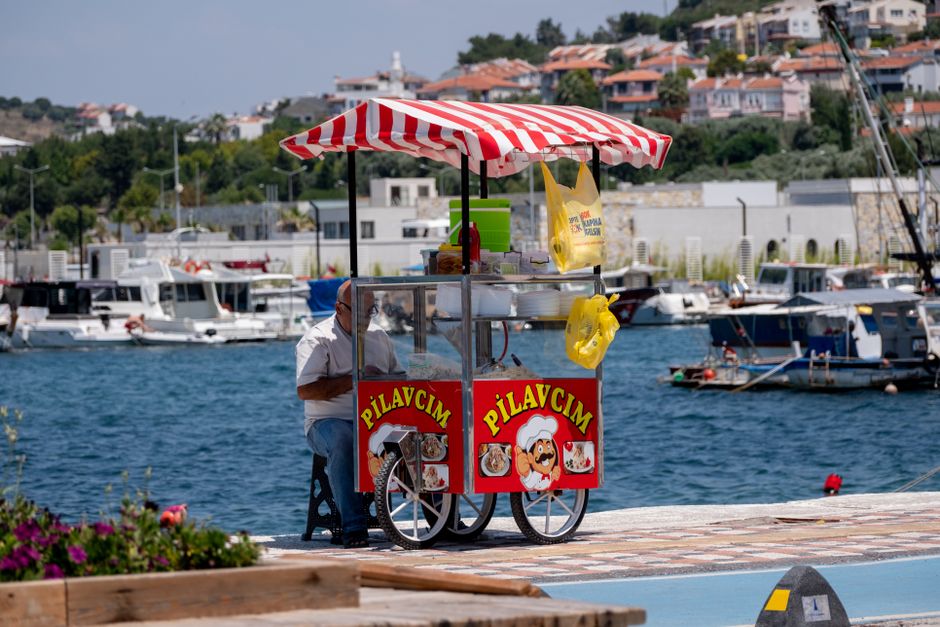
No trip to Malta would be complete without indulging in the local cuisine. Maltese food is a delicious blend of Mediterranean flavors, influenced by the island's rich history. Expect fresh seafood, locally grown vegetables, and hearty dishes that will satisfy your appetite.
Here are some must-try Maltese dishes:
- Rabbit Stew (Stuffat Tal-Fenek): This is considered Malta's national dish. It's a slow-cooked stew made with rabbit, vegetables, and wine. It's rich, flavorful, and incredibly satisfying.
- Pastizzi: These are savory pastries filled with ricotta cheese or mushy peas. They're a popular snack and are available at bakeries all over the island. Trust me, you can't leave Malta without trying a pastizz!
- Ftira: A type of Maltese bread, often filled with tuna, tomatoes, capers, olives, and onions. It's a perfect light lunch or snack.
- Lampuki Pie: This is a seasonal pie made with Lampuki fish (Dorado), vegetables, and olives. It's a popular dish during the autumn months.
- Maltese Sausage: This sausage is typically flavored with coriander and garlic. You can find it grilled, fried, or added to stews and sauces.
Don't forget to try the local wine! Malta has a growing wine industry, producing some surprisingly good wines. I particularly enjoyed the local Chardonnay and Merlot.
Eating in Malta is also very affordable. You can find delicious and authentic meals at reasonable prices. I loved exploring the local markets and trying different street food. It's a great way to experience the local culture and connect with the people.
Practical Tips for Planning Your Trip

Okay, so you're probably itching to book your flight to Malta right now! Here are a few practical tips to help you plan your trip:
- Best Time to Visit: Spring (April-May) and Autumn (September-October) offer pleasant weather and fewer crowds. Summer (June-August) is hot and busy, but perfect for swimming and sunbathing. Winter (November-March) is mild but can be rainy.
- Getting Around: Malta has a good public transportation system, but renting a car is a great option for exploring the island at your own pace. Be aware that they drive on the left! Alternatively, taxis and ride-sharing services are also readily available.
- Accommodation: Malta offers a wide range of accommodation options, from budget-friendly hostels to luxurious hotels. Valletta, Sliema, and St. Julian's are popular areas to stay.
- Language: Maltese and English are the official languages of Malta.
- Currency: The currency is the Euro (€).
Most importantly, be open to new experiences! Malta is a place that rewards exploration and curiosity. Talk to the locals, try new foods, and immerse yourself in the culture. You won't be disappointed.
So, there you have it – my love letter to Malta! This island has captured my heart with its rich history, stunning beauty, and warm hospitality. It's a place I know I'll return to again and again. I hope this article has inspired you to add Malta to your travel bucket list. Trust me, you won't regret it!
Post a Comment