Montenegro: Balkan Beauty and a Dramatic Coastline That Will Steal Your Heart

Montenegro: Balkan Beauty and a Dramatic Coastline That Will Steal Your Heart
Hey friend! Let's talk about Montenegro. It's a place that completely captivated me, and I think it will do the same for you. Imagine dramatic mountains plunging into the azure Adriatic Sea, charming medieval towns clinging to cliffs, and a culture steeped in history and tradition. That's Montenegro in a nutshell, but honestly, it's so much more. I want to share my experiences and insights, so you can see why this Balkan gem should be at the top of your travel list.
Discovering Montenegro's Coastal Charms
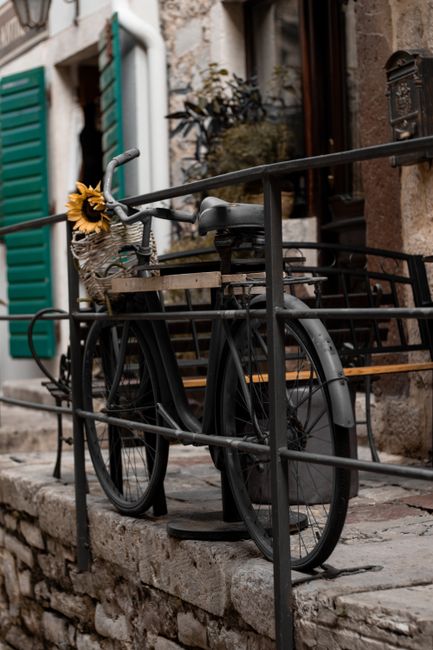
My journey started, as many do, along Montenegro's stunning coastline. This ribbon of beauty stretches for almost 300 kilometers, packed with hidden coves, bustling marinas, and postcard-perfect villages. I'll be honest, I spent most of my time just hopping from one coastal town to the next, soaking it all in.
Budva: The Party Heart of the Coast
Budva was my first stop, and it's definitely a lively one! The Old Town, a labyrinth of narrow streets and stone buildings, is incredibly charming. During the day, you can explore the historic Citadela, which offers breathtaking views of the coast, or relax on one of the many beaches. In the evening, Budva comes alive with buzzing bars, restaurants, and nightclubs. While it can get a little crowded in peak season, the energy is infectious. I spent an evening wandering through the Old Town, enjoying delicious seafood at a waterfront restaurant, and listening to live music – pure bliss!
Kotor: A Medieval Masterpiece
Next up was Kotor, a UNESCO World Heritage site nestled at the end of a breathtaking bay. Kotor Bay, often called the southernmost fjord in Europe, is surrounded by towering mountains that seem to rise straight from the sea. The Old Town of Kotor is a medieval marvel, with its well-preserved walls, cobblestone streets, and charming squares. You absolutely must hike up to the Fortress of St. John (San Giovanni) for unparalleled panoramic views. It's a challenging climb, but trust me, the reward is worth every step. I felt like I was on top of the world, gazing at the stunning landscape below.
Here are a few things you can enjoy while in Kotor:
- Walk the Walls of Kotor
- Visit the Maritime Museum
- Take a boat trip on Kotor Bay
Sveti Stefan: A Luxurious Island Escape
Sveti Stefan is perhaps Montenegro's most iconic image. This fortified island village, connected to the mainland by a narrow isthmus, is now a luxurious resort. While you might not be able to stay on the island unless you're willing to splash out, it's still worth a visit. You can admire it from the nearby beaches or enjoy a meal at one of the restaurants with stunning views of Sveti Stefan. I remember just sitting on the beach, sketching the island and feeling completely at peace.
Perast: Baroque Beauty by the Bay
Perast is a small, picturesque town on Kotor Bay that feels like stepping back in time. It's known for its stunning Baroque architecture and two tiny islands just offshore: Our Lady of the Rocks (Gospa od Škrpjela) and St. George. A short boat trip to Our Lady of the Rocks is a must. This artificial island was created centuries ago by local seamen who deposited rocks after each successful voyage. The church on the island is beautifully decorated with paintings and tapestries. The peaceful atmosphere of Perast and the stunning views of the bay made it one of my favorite stops along the coast.
Venturing Inland: Mountains, Lakes, and National Parks
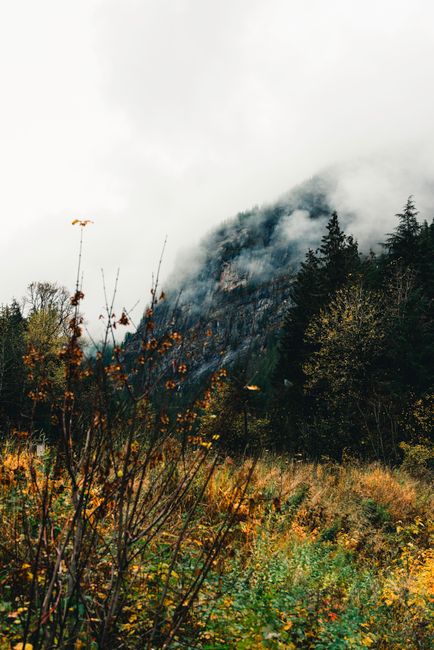
While the coastline is undeniably beautiful, don't make the mistake of overlooking Montenegro's interior. It's a land of dramatic mountains, crystal-clear lakes, and pristine national parks just begging to be explored. Rent a car and prepare for some breathtaking drives!
Durmitor National Park: A Hiker's Paradise
Durmitor National Park is a UNESCO World Heritage site and a true natural wonder. Imagine towering peaks, glacial lakes, and deep canyons – it's an outdoor enthusiast's dream come true. I spent several days hiking in Durmitor, and I was constantly in awe of the scenery. One of the highlights was hiking to Black Lake (Crno Jezero), the largest of Durmitor's 18 glacial lakes. The crystal-clear water reflecting the surrounding mountains is a sight you won't soon forget. If you're feeling adventurous, you can also try rafting on the Tara River, which carved out the deepest canyon in Europe. It's an adrenaline rush you won't regret!
To help you plan your trip, here's a list of things you can do in Durmitor:
- Hike to Black Lake (Crno Jezero)
- Go rafting on the Tara River
- Explore the Ice Cave
Lake Skadar: A Birdwatcher's Haven
Lake Skadar, the largest lake in the Balkans, is a haven for wildlife, especially birds. Take a boat trip on the lake and keep an eye out for Dalmatian pelicans, pygmy cormorants, and other fascinating species. The lake is also dotted with charming villages and monasteries, adding to its allure. I loved the tranquility of Lake Skadar and the feeling of being surrounded by nature. It's a perfect place to escape the hustle and bustle of the coast.
The Ostrog Monastery: A Spiritual Journey
Even if you're not religious, the Ostrog Monastery is worth a visit. This Serbian Orthodox monastery is built into a sheer cliff face, and it's a truly incredible sight. It's one of the most important pilgrimage sites in the Balkans, and it attracts visitors from all over the world. The views from the monastery are stunning, and the atmosphere is incredibly peaceful. Just be prepared for a winding and narrow road leading up to the monastery!
Montenegrin Culture and Cuisine

Montenegro is more than just stunning scenery; it's also a place with a rich culture and delicious cuisine. The country has a long and complex history, shaped by its location at the crossroads of different empires and cultures. You'll see influences from the Venetians, Ottomans, and Austro-Hungarians, all reflected in the architecture, food, and traditions.
A Taste of Montenegro: Savory Delights
Montenegrin cuisine is hearty and flavorful, with a focus on fresh, local ingredients. Seafood is, of course, a staple along the coast, but you'll also find plenty of meat dishes in the mountains. Here are a few must-try dishes:
- Njeguški pršut: Smoked ham from the village of Njeguši, known for its unique flavor. It's often served with cheese and olives as an appetizer.
- Kačamak: A traditional polenta dish made with cornmeal, cheese, and potatoes. It's a hearty and filling meal, perfect for a cold day.
- Grilled fish: Freshly caught fish grilled to perfection and served with lemon and olive oil. Simple, but incredibly delicious.
- Buzara: A seafood stew typically made with shrimp, mussels, and other shellfish in a tomato-based sauce.
Hospitality and Tradition
Montenegrins are known for their hospitality. I found people to be incredibly welcoming and eager to share their culture. Don't be surprised if you're invited for coffee or a drink – it's a common way to show hospitality. Learning a few basic phrases in Montenegrin (or Serbian, Croatian, or Bosnian, as they're all closely related) will go a long way in showing your appreciation.
Tips for Planning Your Montenegro Adventure

So, are you ready to plan your own Montenegro adventure? Here are a few tips to help you get started:
Best Time to Visit:
The best time to visit Montenegro is during the shoulder seasons (April-May and September-October). The weather is pleasant, the crowds are smaller, and the prices are lower. Summer (June-August) can be hot and crowded, especially along the coast. Winter (November-March) is a good time to visit if you're interested in skiing or snowboarding in the mountains.
Getting Around:
Renting a car is the best way to explore Montenegro, especially if you want to venture inland. The roads can be narrow and winding, but the scenery is worth it. Public transportation is also available, but it can be less frequent and less convenient. Consider local buses to get around but plan your time ahead.
Accommodation:
Montenegro offers a wide range of accommodation options, from budget-friendly hostels to luxurious hotels and resorts. You can find apartments and guesthouses in most towns and villages. Booking in advance is recommended, especially during peak season.
Currency:
The currency in Montenegro is the Euro (€).
Language:
The official language is Montenegrin, but Serbian, Croatian, and Bosnian are also widely spoken. English is spoken in tourist areas.
My Final Thoughts

Montenegro truly stole a piece of my heart. The dramatic beauty of the landscape, the charming coastal towns, and the warmth of the people made it an unforgettable experience. Whether you're looking for adventure, relaxation, or cultural immersion, Montenegro has something to offer everyone. So, pack your bags, book your flight, and get ready to discover the Balkan beauty of Montenegro. You won't be disappointed!
I hope this glimpse into my adventures in Montenegro has inspired you to consider it for your next trip! It's a truly special place and I can't wait to hear about your own experiences there!
Post a Comment