Navigating Europe: Your Guide to Trains, Buses, Flights, and Ferries

Navigating Europe: Your Guide to Trains, Buses, Flights, and Ferries
So, you're planning a trip to Europe? Awesome! Get ready for incredible history, breathtaking scenery, and delicious food. But getting around? That can feel a little daunting at first. Fear not! I'm here to share my experiences and insights on navigating Europe's transportation network. Think of me as your friendly guide, helping you conquer trains, buses, flights, and ferries like a pro.
Trains: The Scenic & Sustainable Choice

For me, trains are often the absolute best way to travel around Europe. They offer a perfect blend of comfort, speed, and stunning views. Plus, they're generally more environmentally friendly than flying. I've had some of my most memorable European moments gazing out the window of a train, watching rolling hills and charming villages whiz by.
Types of Trains: Don't just assume every train is the same! They come in various flavors:
- High-Speed Trains: These are your workhorses for long distances. Think TGV (France), ICE (Germany), AVE (Spain), and Eurostar (connecting to the UK). They're sleek, comfortable, and get you where you need to be quickly. Booking in advance is usually essential, especially for popular routes, to snag the best prices.
- Regional Trains: Perfect for shorter hops between towns and cities. They often stop at smaller stations, giving you a chance to explore hidden gems. These tend to be more frequent and don't always require reservations.
- Night Trains: A fantastic option for saving time and money on accommodation! Imagine waking up in a new city after a comfortable night's sleep. I've taken night trains from Paris to Italy and from Germany to Austria – incredibly convenient. Book your sleeper compartment well in advance!
Booking Train Tickets: There are a few ways to book:
- Directly from the Train Operator's Website: SNCF (France), Deutsche Bahn (Germany), Trenitalia (Italy), Renfe (Spain), etc. This often gives you the best prices, but it can be a bit of a headache navigating multiple websites.
- Rail Europe: A one-stop shop for booking train tickets across Europe. It's a bit more convenient than juggling individual train operator websites, but sometimes the prices are slightly higher.
- Trainline: Another popular online platform for booking train tickets. Similar to Rail Europe, it offers a wide range of routes and ticket options.
- At the Train Station: You can usually buy tickets at the station, either from a ticket machine or a ticket window. However, for high-speed trains, I highly recommend booking in advance, especially during peak season.
Train Travel Tips:
- Pack snacks and drinks: While many trains have onboard cafes, they can be pricey.
- Download entertainment: Wifi can be spotty, so download movies or podcasts beforehand.
- Keep an eye on your luggage: Unfortunately, petty theft can occur.
- Arrive early: Give yourself ample time to find your platform and board the train.
- Check for delays: Train schedules can sometimes be disrupted, so keep an eye on the departure boards.
Buses: The Budget-Friendly Option

When you're watching your pennies, buses can be a lifesaver. They're generally the cheapest way to travel long distances in Europe. While they might not be as glamorous as trains, they can be surprisingly comfortable, especially on longer routes. I've taken overnight buses and found them to be perfectly acceptable, especially when equipped with reclining seats and wifi.
Popular Bus Companies: A few key players dominate the European bus scene:
- Flixbus: The biggest and most well-known bus operator in Europe. They offer an extensive network of routes at competitive prices.
- Eurolines: Another major player with a wide range of destinations.
- National Express (UK): Primarily serves the UK, but connects to some European destinations.
Booking Bus Tickets: You can usually book tickets online directly from the bus company's website or through third-party platforms like Busbud or Omio.
Bus Travel Tips:
- Book in advance, especially during peak season: Prices tend to increase as the departure date approaches.
- Check the baggage allowance: Make sure you know how much luggage you're allowed to bring.
- Bring a travel pillow and blanket: Especially for overnight journeys.
- Download entertainment: Again, wifi can be unreliable.
- Be prepared for delays: Traffic can be unpredictable, so don't schedule tight connections.
Flights: When Time is of the Essence

Sometimes, you just need to get somewhere fast. That's where flights come in. Europe has a well-developed network of low-cost airlines, making flying surprisingly affordable. However, remember to factor in travel time to and from the airport, security lines, and potential delays. Sometimes the "fastest" option can end up taking just as long as a train ride.
Low-Cost Airlines: A few of the most popular options include:
- Ryanair: Known for its incredibly cheap fares, but be aware of extra charges for baggage and seat selection.
- easyJet: Another popular low-cost carrier with a wide range of routes.
- Wizz Air: Focuses on routes to Central and Eastern Europe.
- Vueling: A Spanish low-cost airline with a strong presence in Spain and Southern Europe.
Booking Flights: Comparison websites like Skyscanner, Kayak, and Google Flights are your best friends. They allow you to compare prices from different airlines and find the best deals.
Flight Travel Tips:
- Be aware of baggage restrictions: Low-cost airlines are strict about baggage allowances.
- Check in online: Avoid airport check-in fees.
- Arrive at the airport early: Especially during peak season.
- Bring your own snacks and drinks: Airplane food and beverages can be expensive.
- Consider flying into smaller airports: They often have lower fees and shorter security lines.
Ferries: Island Hopping & Coastal Adventures
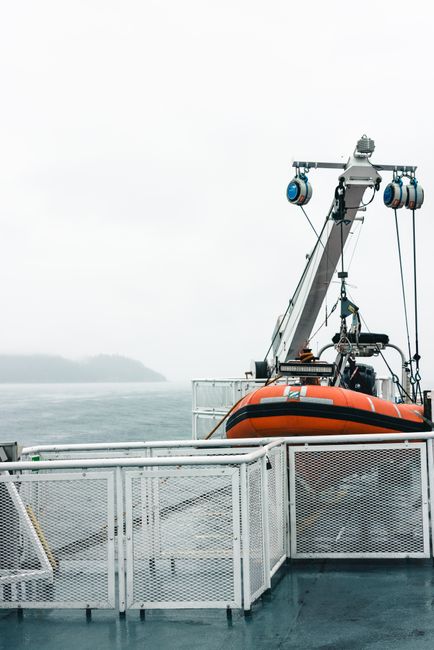
If you're planning to explore islands or coastal regions, ferries are essential. Imagine cruising across the Mediterranean, Aegean, or Baltic Sea, with the wind in your hair and the sun on your face. Ferries offer a unique and relaxing way to travel, and they often provide stunning views of the coastline.
Popular Ferry Routes:
- Greece: Island hopping in the Greek Islands is a must-do! Ferries connect all the major islands, from Santorini and Mykonos to Crete and Rhodes.
- Italy: Ferries connect mainland Italy to Sicily, Sardinia, and other islands.
- Croatia: Explore the Dalmatian Coast by ferry, visiting beautiful islands like Hvar and Brac.
- Scandinavia: Ferries connect Denmark, Sweden, Norway, and Finland, offering stunning views of the fjords and archipelagos.
Booking Ferry Tickets: You can book tickets online through ferry operator websites or through third-party platforms like Direct Ferries or Ferryhopper.
Ferry Travel Tips:
- Book in advance, especially during peak season and for cabin accommodations: Ferries can fill up quickly, especially on popular routes.
- Check the schedule carefully: Ferry schedules can be affected by weather conditions.
- Consider booking a cabin for overnight journeys: It's worth the extra cost for a comfortable night's sleep.
- Bring seasickness medication if you're prone to motion sickness: The sea can be choppy.
- Enjoy the views! Ferries offer stunning perspectives of the coastline.
Planning Your Route: Combining Transportation Methods
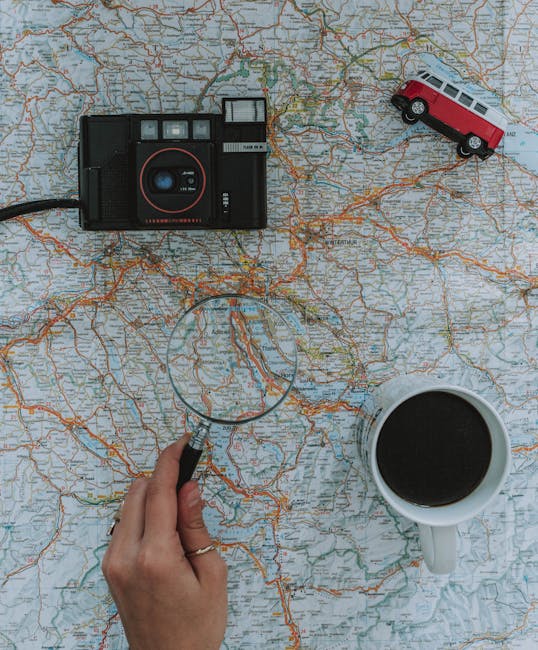
The key to successful European travel is often combining different modes of transportation. For example, you might take a train from Paris to Amsterdam, then a flight to Rome, and finally a ferry to Sicily. Don't be afraid to mix and match to create the perfect itinerary.
Tips for Planning:
- Use a travel planner app: Rome2Rio is a fantastic resource for comparing different transportation options and finding the best routes.
- Consider a Eurail pass if you plan to travel extensively by train: This can save you money on long-distance travel.
- Factor in travel time between airports, train stations, and ferry terminals: Don't underestimate the time it takes to get around.
- Be flexible: Things don't always go according to plan, so be prepared to adjust your itinerary if necessary.
- Research transportation options within cities: Most European cities have excellent public transportation systems, including buses, trams, and subways.
Final Thoughts: Embrace the Journey!

Navigating Europe's transportation network can seem overwhelming at first, but with a little planning and preparation, it can be an incredibly rewarding experience. Don't be afraid to try new things, get lost (sometimes!), and embrace the unexpected. The journey is just as important as the destination. So, pack your bags, grab your passport, and get ready for an adventure of a lifetime!
And remember, don't be afraid to ask for help! Locals are usually happy to point you in the right direction, and a little bit of effort to speak the local language (even just a "hello" and "thank you") can go a long way.
Happy travels!
Post a Comment