Planning Your Dream European Vacation: A Step-by-Step Checklist for an Unforgettable Trip

Planning Your Dream European Vacation: A Step-by-Step Checklist for an Unforgettable Trip
Hey there, travel buddy! Dreaming of croissants in Paris, gelato in Rome, or exploring ancient ruins in Greece? Europe's calling, and I totally get it! I've been bitten by the travel bug myself, and planning that perfect European vacation can feel overwhelming. But trust me, with a little organization and this handy checklist, you can turn that dream into reality. Let's break it down, step-by-step, so you can confidently embark on the adventure of a lifetime!
1. Spark Your Wanderlust: Defining Your Dream European Experience

First things first, let's figure out what makes your heart sing when you think of Europe. Don't just say "I want to go to Europe." Dig deeper! What kind of experience are you craving?
Consider these questions:
- What are your interests? Are you a history buff, a foodie, an art enthusiast, or an outdoorsy type? Do you crave bustling cities or tranquil countryside escapes?
- What's your travel style? Do you prefer a whirlwind tour hitting all the major landmarks, or a slow-paced immersion in local culture? Think about budget – are you a backpacker, a mid-range explorer, or a luxury traveler?
- Who are you traveling with? Are you going solo, with a partner, with family, or with friends? This will significantly impact your itinerary and activities. Traveling with kids requires different considerations than a romantic getaway.
- What's your ideal climate? Europe offers diverse climates. Do you prefer warm sunshine, cool breezes, or snowy landscapes? This will influence the best time to visit specific regions.
For example, if you're a history lover, a trip focused on Rome, Athens, and Istanbul might be perfect. Foodies might gravitate towards Italy, France, and Spain. Nature enthusiasts could explore the Swiss Alps, the Scottish Highlands, or the Norwegian fjords. See what I mean?
Once you have a clear idea of your interests and travel style, you can start narrowing down your destination choices.
2. Destination Decisions: Choosing Your European Hotspots
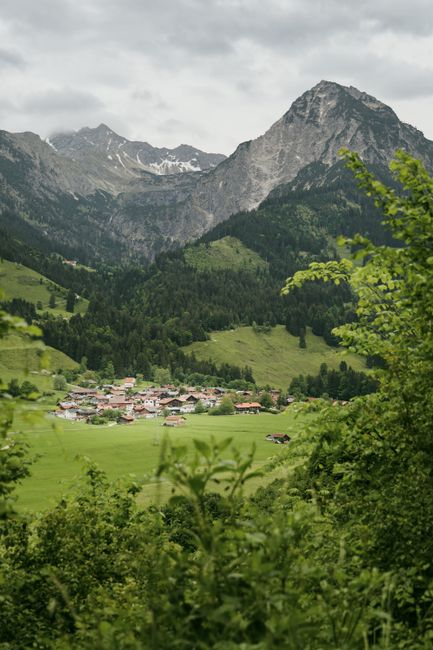
Okay, time to choose! Europe is vast and diverse, so narrowing down your options is key. Here's how I tackle this part:
- Research, research, research! Browse travel blogs, guidebooks (like Lonely Planet or Rick Steves), and online forums. Pinterest and Instagram are also great for visual inspiration. Read reviews from other travelers.
- Consider a theme. Instead of trying to see everything, focus on a specific theme, like "Medieval Europe," "Coastal Adventures," or "Wine Country Delights." This helps create a cohesive and manageable itinerary.
- Think about logistics. How easy is it to travel between destinations? Are there good public transportation options? Are visas required for your nationality? Factor these practical considerations into your decision.
- Create a "maybe" list. Don't feel pressured to make a final decision right away. Create a list of potential destinations that spark your interest and then gradually narrow it down based on your budget, time constraints, and travel style.
Personally, I love creating a spreadsheet with potential destinations, estimated costs, and pros and cons. It helps me visualize the possibilities and make informed choices.
3. Budgeting for Bliss: Figuring Out the Finances

Let's talk money. This is arguably the most important part of planning! Creating a realistic budget is essential for a stress-free trip. Here's what I include:
- Flights: Start tracking flight prices early using websites like Google Flights, Skyscanner, or Kayak. Be flexible with your travel dates and airports to find the best deals. Consider flying into a major hub and then taking a budget airline to your final destination.
- Accommodation: Research hotels, hostels, Airbnb apartments, or guesthouses. Prices vary significantly depending on location, season, and amenities. Book in advance, especially during peak season.
- Transportation: Factor in the cost of trains, buses, rental cars, and local transportation (metros, trams, etc.). Consider purchasing a rail pass if you plan on doing a lot of train travel.
- Food and Drink: Estimate your daily food budget. Eating at local markets and smaller restaurants is generally cheaper than dining at touristy spots. Don't forget to factor in drinks, snacks, and the occasional splurge on a fancy meal.
- Activities and Entrance Fees: Research the cost of attractions, museums, tours, and other activities. Many cities offer tourist passes that can save you money on entrance fees.
- Visas and Travel Insurance: Check visa requirements for your nationality and factor in the cost of obtaining them. Travel insurance is a must for covering unexpected medical expenses, trip cancellations, or lost luggage.
- Miscellaneous Expenses: Allocate a buffer for unexpected expenses, such as souvenirs, laundry, tips, or emergencies.
Pro Tip: Use a budgeting app or spreadsheet to track your expenses and stay within your budget. I find it helpful to break down my budget into daily or weekly amounts.
4. Itinerary Inspiration: Crafting Your Daily Adventures

Now for the fun part: planning your itinerary! This is where you get to map out your daily adventures.
- Prioritize your must-see attractions. Identify the sights and experiences that are most important to you and build your itinerary around them.
- Balance sightseeing with downtime. Don't try to cram too much into each day. Allow for some flexibility and downtime to relax, explore at your own pace, and soak up the atmosphere.
- Consider day trips. Many European cities are surrounded by charming towns and scenic landscapes that are worth exploring on a day trip.
- Research opening hours and booking requirements. Check the opening hours of museums and attractions and book tickets in advance, especially during peak season, to avoid long lines.
- Use online resources. Travel blogs, guidebooks, and online forums are great sources of itinerary inspiration. Look for suggested itineraries or adapt existing ones to your own interests and preferences.
When crafting my itineraries, I like to start with a rough outline and then gradually fill in the details. I also like to leave some room for spontaneity, because you never know what unexpected adventures might await!
5. Booking Bonanza: Securing Your Flights and Accommodation

Once you have a solid itinerary and budget, it's time to book your flights and accommodation. Here's my strategy:
- Flights: As mentioned earlier, use flight comparison websites to find the best deals. Consider booking flights well in advance, especially for peak season travel. Pay attention to baggage allowances and fees.
- Accommodation: Read reviews carefully before booking accommodation. Consider the location, amenities, and price. Book directly with hotels or through reputable booking websites. Look for deals and discounts.
- Read the fine print. Pay attention to cancellation policies and other terms and conditions before booking. Make sure you understand the refund policy in case you need to cancel or change your reservation.
- Confirm your bookings. Once you've booked your flights and accommodation, double-check your confirmation details and save copies of your booking confirmations.
I always double-check my passport validity before booking anything. You don't want to get stuck at the airport!
6. Packing Perfection: Preparing for Your European Adventure

Packing can be a daunting task, but with a little planning, you can pack efficiently and avoid overpacking. Here's my packing checklist:
- Create a packing list. Start by creating a packing list based on your itinerary and the climate of your destination.
- Pack light. Europe is easy to travel around by train, bus and even budget airlines. Don't weigh yourself down with too much luggage. Choose versatile clothing items that can be mixed and matched.
- Consider the weather. Pack appropriate clothing for the climate. Layers are always a good idea, as the weather can be unpredictable.
- Pack comfortable shoes. You'll be doing a lot of walking, so comfortable shoes are essential.
- Don't forget essential documents. Pack your passport, visa (if required), travel insurance information, flight and accommodation confirmations, and any other important documents. Make copies of your documents and store them separately.
- Pack essential toiletries. Pack travel-sized toiletries to save space and weight. You can buy most toiletries in Europe if you run out.
- Pack a universal adapter. European countries use different electrical outlets, so a universal adapter is essential for charging your electronic devices.
- Pack a first-aid kit. Include essential medications, bandages, antiseptic wipes, and pain relievers.
Roll your clothes instead of folding them to save space. Wear your bulkiest items on the plane to save space in your luggage.
7. Pre-Trip Prep: Tying Up Loose Ends

Before you jet off, there are a few more things to take care of:
- Notify your bank and credit card companies. Let them know that you'll be traveling abroad so they don't flag your transactions as suspicious.
- Download useful apps. Download translation apps, map apps, currency converter apps, and transportation apps to make your trip easier.
- Learn some basic phrases in the local language. Knowing a few basic phrases will enhance your experience and show respect for the local culture.
- Make copies of important documents. Store copies of your passport, visa, travel insurance information, and other important documents separately from the originals.
- Arrange for pet care or house sitting. If you have pets or a house to look after, make arrangements for their care while you're away.
I like to create a digital folder on my phone with all my important documents, booking confirmations, and travel information. It's a lifesaver!
8. Embrace the Adventure: Enjoy Your Dream European Vacation!

Finally, the moment you've been waiting for has arrived! It's time to relax, explore, and immerse yourself in the culture. Be open to new experiences, try new foods, and talk to locals. Don't be afraid to get lost and discover hidden gems. And most importantly, have fun!
Remember that things don't always go according to plan, and that's okay. Embrace the unexpected and be flexible. Sometimes the best experiences are the ones you didn't plan for.
And there you have it – my step-by-step guide to planning your dream European vacation. I hope this checklist has helped you feel more prepared and excited for your adventure. Now go forth and explore! Europe awaits!
Post a Comment