Responsible Tourism in Europe: Travel Ethically and Sustainably
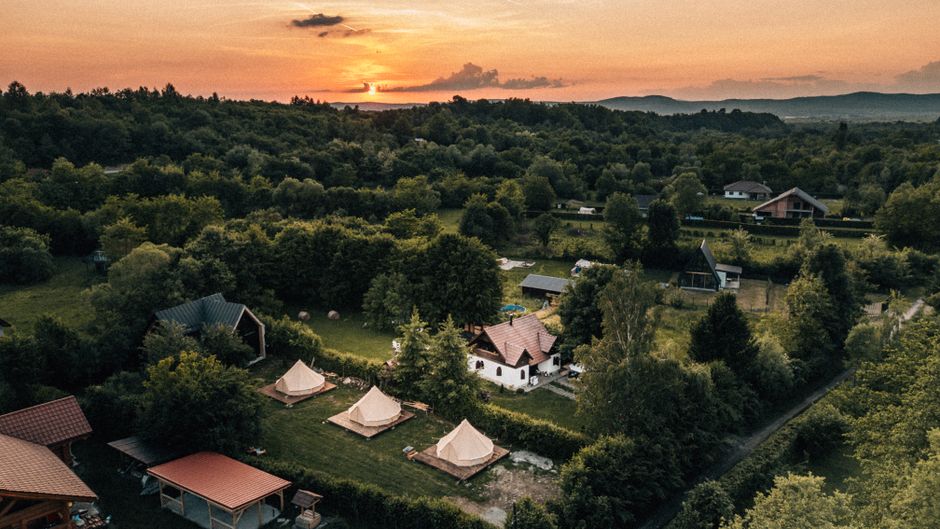
Responsible Tourism in Europe: Travel Ethically and Sustainably
Hey friend! Ever feel that pull to travel Europe, explore ancient ruins, and soak in vibrant cultures, but also a tiny pang of guilt about the impact you might be having? I totally get it. I love wandering cobblestone streets and trying new cuisines, but lately, I've been thinking more and more about how I can travel in a way that's kinder to the planet and the people I meet along the way. That's where responsible tourism comes in, and trust me, it's not as daunting as it sounds! It's about making conscious choices to minimize your negative impact and maximize the positive contributions you make during your European adventure. Let's dive into how we can do this together!
Understanding Responsible Tourism

So, what exactly is responsible tourism? It's more than just a buzzword. It's a whole philosophy that emphasizes respecting the environment, local cultures, and the economy of the places you visit. It's about traveling in a way that benefits the host communities and helps preserve their natural and cultural heritage for future generations. Think of it as being a thoughtful guest – leaving a positive footprint instead of a negative one. It's about showing respect, being mindful, and making informed decisions. And honestly, it can actually enrich your travel experience!
Here's a breakdown of what responsible tourism generally encompasses:
- Environmental Sustainability: This focuses on minimizing your carbon footprint, reducing waste, conserving resources, and protecting biodiversity. It's about leaving natural spaces as pristine as you found them (or even better!).
- Socio-Cultural Responsibility: This means respecting local customs, traditions, and ways of life. It's about being mindful of your behavior and avoiding actions that might be considered offensive or disrespectful. It also involves learning about and engaging with the local culture in a meaningful way.
- Economic Responsibility: This means supporting local businesses and communities. It's about ensuring that the money you spend benefits the people who live in the places you visit, rather than large corporations. It's also about fair wages and ethical employment practices.
Why is Responsible Tourism Important in Europe?

Europe might seem like a continent that has it all together, but tourism can put a strain on even the most well-established systems. Overcrowding in popular cities like Venice and Barcelona, pollution from cruise ships in the Mediterranean, and the depletion of natural resources in tourist hotspots are all very real concerns. Responsible tourism helps mitigate these negative impacts and ensures that Europe remains a beautiful and welcoming destination for everyone, for years to come.
Think about Venice, for example. The constant influx of tourists contributes to the erosion of the city's foundations and puts a strain on its infrastructure. Responsible tourism encourages visitors to explore beyond the main tourist attractions, support local businesses, and respect the city's unique cultural heritage, ultimately helping to preserve Venice for future generations.
Moreover, responsible tourism fosters a deeper connection between travelers and the places they visit. It's not just about ticking off landmarks from a list; it's about immersing yourself in the local culture, learning about the challenges faced by local communities, and contributing to positive change.
Practical Tips for Traveling Responsibly in Europe

Okay, so how do we actually put responsible tourism into practice? Here are some tips I've learned along the way, and I hope they help you too:
1. Transportation: Go Green!
Getting around Europe is part of the adventure, but it also contributes significantly to your carbon footprint. Here's how to make more sustainable choices:
- Embrace Train Travel: Europe has an amazing rail network. Train travel is often faster and more scenic than flying, and it's significantly better for the environment. Plus, you get to see so much more of the countryside! I've taken trains through Italy, France, and Germany, and the views were breathtaking.
- Opt for Public Transport: Within cities, use buses, trams, and subways. They're affordable, efficient, and reduce traffic congestion. Many cities offer travel passes that can save you money and make it easy to hop on and off public transport.
- Walk or Cycle: Exploring cities on foot or by bike is a fantastic way to discover hidden gems and get some exercise. Many European cities have bike-sharing programs that make it easy to rent a bike for a few hours or a full day.
- Consider Carbon Offsetting: If you absolutely must fly, consider purchasing carbon offsets to compensate for the emissions. While it's not a perfect solution, it's a step in the right direction.
2. Accommodation: Choose Wisely
Where you stay can have a big impact on the local community. Here's what to look for:
- Support Locally Owned Guesthouses and Hotels: These establishments are more likely to employ local staff and contribute to the local economy. Plus, they often offer a more authentic and personalized experience.
- Look for Eco-Friendly Certifications: Many hotels in Europe are committed to sustainability and have earned eco-friendly certifications. Look for labels like the EU Ecolabel, Green Key, or EarthCheck. These certifications indicate that the hotel meets certain environmental standards.
- Conserve Resources: When staying in a hotel, be mindful of your resource consumption. Turn off lights and air conditioning when you leave the room, reuse towels and linens, and take shorter showers.
- Consider Homestays: Platforms like Airbnb can be used to find stays with local hosts, offering a chance to connect with residents and learn about their culture firsthand. However, be mindful of the impact on local housing markets. Look for hosts who are genuinely sharing their homes and contributing to the local community, rather than large-scale property managers.
3. Food and Drink: Eat Local and Seasonal
Food is a huge part of the travel experience, and it's an area where you can make a real difference:
- Dine at Local Restaurants: Avoid large chain restaurants and opt for locally owned establishments that use fresh, seasonal ingredients. You'll get a taste of authentic cuisine and support local farmers and producers.
- Visit Farmers Markets: Farmers markets are a great place to buy fresh produce, sample local delicacies, and meet the people who grow and produce the food.
- Reduce Food Waste: Be mindful of your portion sizes and avoid ordering more food than you can eat. If you have leftovers, ask for a doggy bag (most restaurants are happy to provide one).
- Drink Tap Water (When Safe): In many European countries, tap water is perfectly safe to drink. Avoid buying bottled water and carry a reusable water bottle to refill throughout the day.
- Consider Vegan or Vegetarian Options: Reducing your meat consumption is a great way to reduce your environmental impact. Many European countries have a thriving vegetarian and vegan scene, so you'll find plenty of delicious plant-based options to choose from.
4. Activities and Attractions: Respect the Culture and Environment
What you do during your travels can also have a big impact:
- Choose Sustainable Tours: Look for tour operators that are committed to responsible tourism practices. These companies often work with local communities, minimize their environmental impact, and provide educational experiences.
- Respect Local Customs and Traditions: Dress modestly when visiting religious sites, learn a few basic phrases in the local language, and be mindful of your behavior in public places.
- Avoid Wildlife Encounters: Be wary of attractions that involve animals in captivity or offer opportunities to interact with wildlife. These activities can be harmful to animals and often contribute to the exploitation of endangered species.
- Leave No Trace: When visiting natural areas, pack out all your trash, stay on marked trails, and avoid disturbing wildlife or vegetation.
- Engage with Local Communities: Attend local festivals, take a cooking class, or volunteer for a local organization. These experiences can help you connect with local people and learn about their culture in a meaningful way.
5. Shopping: Buy Local and Ethical
Souvenirs are a great way to remember your trip, but be mindful of what you buy:
- Support Local Artisans and Craftspeople: Buy souvenirs from local artisans and craftspeople instead of mass-produced goods. You'll be supporting the local economy and getting a unique and authentic souvenir.
- Look for Fair Trade Products: Fair trade products ensure that producers receive a fair price for their goods. Look for fair trade labels when buying coffee, chocolate, and other imported products.
- Avoid Purchasing Souvenirs Made from Endangered Species: Be wary of souvenirs made from coral, ivory, or other endangered species. These products contribute to the decline of these species and are often illegal to import.
- Say No to Plastic Bags: Carry a reusable shopping bag with you and avoid accepting plastic bags from shops.
Challenges and Considerations

Responsible tourism isn't always easy. It requires research, planning, and a willingness to step outside your comfort zone. Here are a few challenges you might encounter:
- Higher Costs: Sustainable options can sometimes be more expensive than conventional ones. However, consider this an investment in the future of tourism and the well-being of local communities. Plus, you might find that the added value of a more authentic and meaningful experience outweighs the extra cost.
- Lack of Information: Finding information about responsible tourism options can be challenging. Look for certifications, read reviews, and ask questions to ensure that you're making informed choices.
- Cultural Differences: Understanding and respecting cultural differences can be tricky. Do your research before you go and be open to learning from your experiences.
The Rewarding Side of Ethical Travel

Despite the challenges, responsible tourism is incredibly rewarding. It allows you to travel with a clear conscience, knowing that you're making a positive impact on the places you visit. You'll have more authentic and meaningful experiences, connect with local people on a deeper level, and contribute to the preservation of cultural and natural heritage.
For me, one of the most rewarding experiences was volunteering at a local farm in Tuscany. I helped harvest grapes, learned about traditional winemaking techniques, and shared meals with the family who owned the farm. It was a far more enriching experience than simply visiting a winery and tasting wine.
Resources for Planning Your Responsible Trip

Ready to start planning your responsible European adventure? Here are some helpful resources:
- Sustainable Travel International: A non-profit organization that promotes sustainable tourism practices.
- Tourism Concern: A UK-based organization that campaigns for ethical and sustainable tourism.
- Bookings.com Sustainable Travel Programme: Helps you identify accommodations that have implemented sustainable practices.
- Ethical Traveler: Publishes an annual list of the world's best ethical destinations.
Conclusion: Your Journey Matters

Traveling responsibly in Europe isn't just a trend; it's a necessity. It's about being mindful of your impact, respecting local cultures, and supporting sustainable practices. By making conscious choices, we can all contribute to a more positive and sustainable future for tourism. So, pack your bags, do your research, and get ready for an adventure that's both enriching and responsible. Let's make our travels count, one sustainable step at a time! Happy travels!
Post a Comment