Spain From Madrid to the Coast: A Journey of Contrasts & Hidden Gems

Spain From Madrid to the Coast: A Journey of Contrasts & Hidden Gems
Hey there, fellow travel enthusiast! I'm so excited to share my recent Spanish adventure with you, a whirlwind trip that started in the bustling heart of Madrid and ended with my toes buried in the sun-kissed sands of the Spanish coast. I'm not going to lie; I was utterly captivated! It's more than just flamenco and paella; it's a country that effortlessly blends history, culture, and breathtaking landscapes. Think of this as your personal guide, packed with insights, tips, and maybe even a few travel blunders I made along the way – because, let's face it, those are often the best stories, right?
Madrid: Where History Meets Modernity
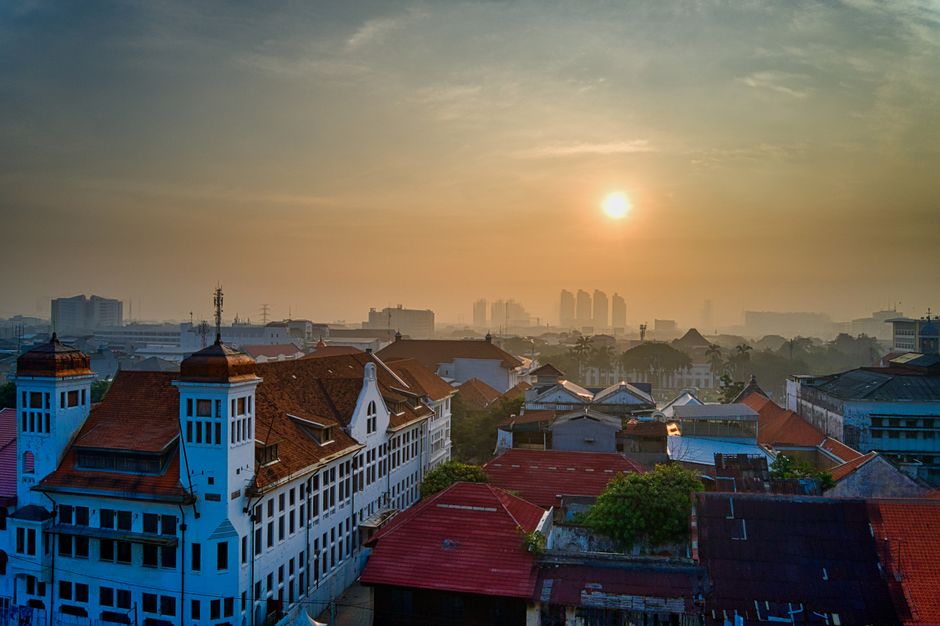
My journey kicked off in Madrid, and let me tell you, the energy is infectious! It's a city that breathes history, yet pulsates with a modern, vibrant spirit. I spent the first few days just wandering, getting wonderfully lost in its maze of streets.
What to See:
1. The Royal Palace of Madrid (Palacio Real): Oh my goodness! This place is HUGE! More like a city within a city. The sheer opulence is jaw-dropping. I highly recommend taking a guided tour; you'll get the inside scoop on the history and the countless rooms filled with treasures.
2. Retiro Park (Parque del Retiro): After the palace, I needed a breather, and Retiro Park was the perfect escape. Rent a rowboat on the lake, get lost in the rose garden, or simply relax on the grass and soak up the atmosphere. It's a local favorite and a must-see!
3. Plaza Mayor: This magnificent square is the heart of Madrid. It's surrounded by stunning architecture and buzzing with activity. Grab a coffee at one of the cafes and just people-watch – you won't be disappointed!
4. The Prado Museum (Museo del Prado): If you're an art lover, the Prado is a pilgrimage. Home to masterpieces by Spanish masters like Goya, Velázquez, and El Greco, you could easily spend days here. Tip: Book your tickets online in advance to avoid the long queues!
5. Mercado de San Miguel: Foodies, rejoice! This indoor market is a gastronomic paradise. Sample tapas, sip on Spanish wine, and indulge in local delicacies. It's a feast for the senses!
Where to Eat:
Madrid is a foodie heaven. From traditional tapas bars to Michelin-starred restaurants, there's something to satisfy every palate. I stumbled upon a little family-run tapas bar called "Casa Labra" near the Puerta del Sol that served the most amazing croquetas de bacalao (cod croquettes) – seriously, I'm still dreaming about them! For a more modern experience, try Sobrino de Botín, the oldest restaurant in the world, according to the Guinness World Records. Their roast suckling pig is legendary.
Toledo: A Medieval Masterpiece
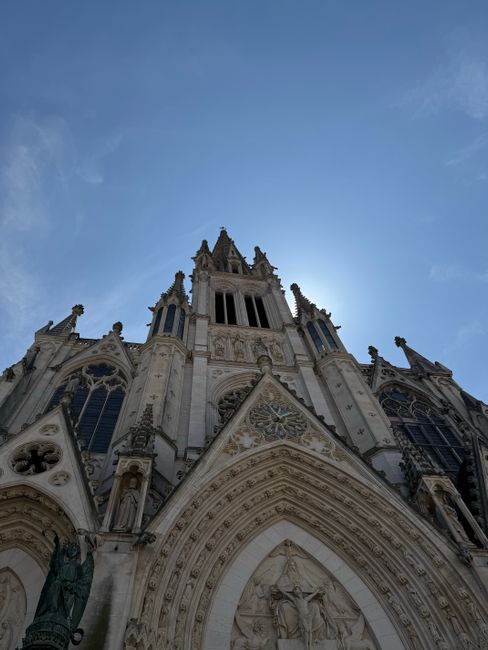
From Madrid, I took a day trip to Toledo, a city perched on a hill overlooking the Tagus River. Just a short train ride away, it felt like stepping back in time. Toledo is known as the "City of Three Cultures" because it was once home to Christians, Jews, and Muslims, and each culture has left its mark on the city's architecture and character.
Must-See Sites:
1. Toledo Cathedral: This Gothic masterpiece is truly awe-inspiring. Its intricate stained-glass windows and soaring ceilings will leave you speechless.
2. Synagogue of El Tránsito: A poignant reminder of Toledo's Jewish heritage, this synagogue is a beautiful example of Mudéjar architecture.
3. Monastery of San Juan de los Reyes: Commissioned by Queen Isabella I to commemorate the birth of her son, this monastery is a stunning example of Isabelline Gothic architecture.
4. Mirador del Valle: For breathtaking panoramic views of Toledo, head to Mirador del Valle. It's the perfect spot to capture that iconic Toledo skyline photo.
Getting Around:
Toledo is a very walkable city, but be prepared for hills! Wear comfortable shoes and take your time. There's also a tourist train that takes you around the city's highlights, which can be a good option if you're short on time or have mobility issues.
Valencia: City of Arts and Sciences and Paella Dreams

Next stop, Valencia! I hopped on a high-speed train from Madrid, and in just a couple of hours, I was transported to a completely different world. Valencia is a city of contrasts, where futuristic architecture meets historic charm, and where paella reigns supreme.
City of Arts and Sciences:
Prepare to be amazed! The City of Arts and Sciences is a futuristic complex designed by the renowned architect Santiago Calatrava. It includes an opera house (Palau de les Arts Reina Sofia), a science museum (Museu de les Ciències Príncipe Felipe), an aquarium (Oceanogràfic), and a hemispheric cinema (L'Hemisfèric). Even if you're not usually into museums, the architecture alone is worth the visit. The Oceanogràfic is the largest aquarium in Europe, and I spent hours mesmerized by the marine life.
The Historic Center:
While the City of Arts and Sciences is impressive, don't miss the historic center of Valencia. Wander through the narrow streets, admire the Gothic architecture of the Valencia Cathedral, and climb the Miguelete bell tower for stunning views of the city.
Paella, Paella, Paella!
Valencia is the birthplace of paella, so you absolutely have to try it while you're there. There are countless restaurants serving paella, but for an authentic experience, head to a beachfront restaurant in El Cabanyal. I tried a traditional Valencian paella with chicken and rabbit, and it was divine!
Turia Gardens:
The Turia Gardens is a unique urban park that runs through the heart of Valencia. It's built on the former riverbed of the Turia River, which was diverted after a major flood in the 1950s. Today, it's a green oasis where locals and tourists alike can cycle, jog, relax, and enjoy the sunshine.
Alicante: Coastal Bliss and Castle Views
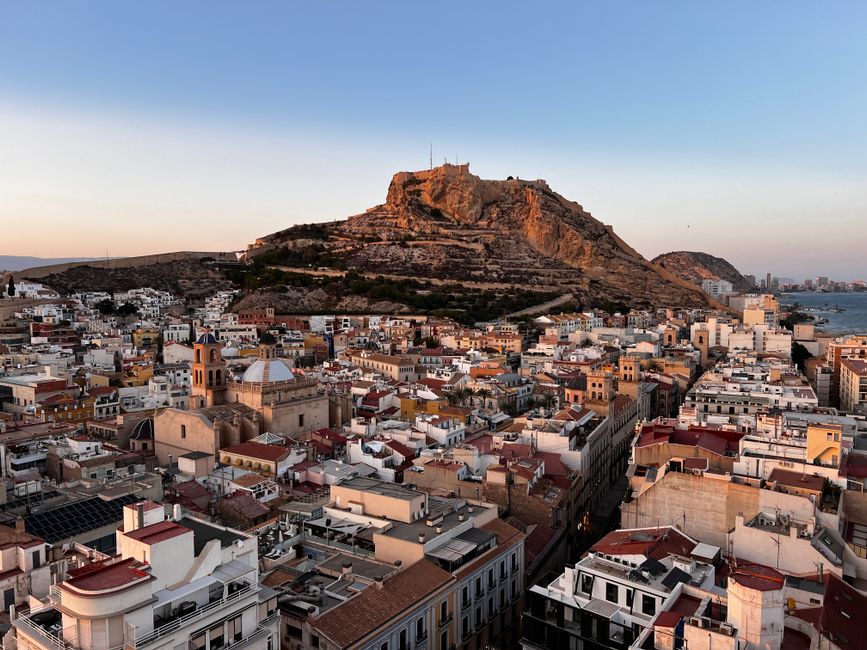
From Valencia, I continued south to Alicante, a charming coastal city with a rich history and stunning beaches. It's a bit more laid-back than Valencia, making it the perfect place to unwind and soak up the Mediterranean vibes.
Santa Bárbara Castle:
Dominating the Alicante skyline is Santa Bárbara Castle, perched on top of Mount Benacantil. You can either hike up to the castle (it's a bit of a climb!) or take an elevator from the city center. The views from the top are simply breathtaking. You can see the entire coastline, the city of Alicante, and even the mountains in the distance.
Explanada de España:
The Explanada de España is a beautiful promenade lined with palm trees and a mosaic pavement made up of millions of tiny tiles. It's the perfect place for a leisurely stroll, especially in the evening when the street performers come out and the atmosphere is buzzing.
Postiguet Beach:
Alicante boasts several beautiful beaches, but Postiguet Beach is the most popular. It's located right in the heart of the city and offers crystal-clear waters and soft, golden sand. Perfect for swimming, sunbathing, or simply relaxing with a good book.
Island of Tabarca:
Take a boat trip to the Island of Tabarca, a small island located just off the coast of Alicante. It's a marine reserve known for its clear waters and abundant marine life. Snorkeling and diving are popular activities here.
Where to Eat:
Alicante is known for its fresh seafood. Head to the harbor area and choose from one of the many restaurants offering freshly caught fish and shellfish. I had the most incredible grilled octopus at a restaurant called "La Taberna del Gourmet" – highly recommended!
Tips for Your Spanish Adventure

Okay, so now that I've shared my amazing Spanish journey with you, I want to leave you with a few helpful tips to make your own trip even smoother:
1. Learn some basic Spanish: Even knowing a few basic phrases like "hola," "gracias," and "por favor" will go a long way and will be greatly appreciated by the locals. Apps like Duolingo are great for learning the basics.
2. Master the art of tapas: Tapas are a way of life in Spain. Don't be afraid to try new things, and remember that it's perfectly acceptable to hop from bar to bar, sampling different tapas at each one.
3. Embrace the siesta: Many shops and businesses close in the afternoon for siesta, so plan your activities accordingly. It's also a good opportunity to take a break and relax yourself.
4. Be aware of pickpockets: Like any major tourist destination, Spain has its share of pickpockets. Be extra cautious in crowded areas and keep your valuables secure.
5. Book accommodations and transportation in advance: Especially during peak season, it's a good idea to book your accommodations and transportation in advance to ensure you get the best deals and availability.
6. Embrace the Spanish culture: Spaniards are known for their warm hospitality and love of life. Be open to new experiences, embrace the culture, and enjoy every moment!
7. Pack comfortable shoes: You'll be doing a lot of walking, so comfortable shoes are a must!
8. Drink water! Spain can get hot, especially during the summer months. Stay hydrated by drinking plenty of water.
9. Credit cards are widely accepted, but it's good to have some cash on hand: Some smaller establishments may not accept credit cards, so it's always a good idea to have some euros with you.
10. Relax and enjoy! Spain is a beautiful country with so much to offer. Take your time, savor the moment, and create memories that will last a lifetime.
Final Thoughts

My trip from Madrid to the coast was an unforgettable experience. From the regal grandeur of Madrid to the laid-back charm of Alicante, Spain captivated me with its beauty, history, and culture. I hope this little guide has inspired you to plan your own Spanish adventure. ¡Buen viaje!
Post a Comment