Split Croatia: Roman Ruins & Radiant Beaches – Your Ultimate Guide
Split Croatia: Roman Ruins & Radiant Beaches – Your Ultimate Guide
Hey there, fellow travel enthusiasts! Ever dreamt of a place where ancient history whispers from sun-drenched stones and crystal-clear waters beckon you to dive in? Well, let me tell you about Split, Croatia – a city that's absolutely stolen my heart, and I'm pretty sure it will steal yours too. I've explored its hidden alleyways, basked on its stunning beaches, and soaked up its vibrant atmosphere, and I'm bursting to share my experiences with you.
Why Split Should Be Your Next Getaway
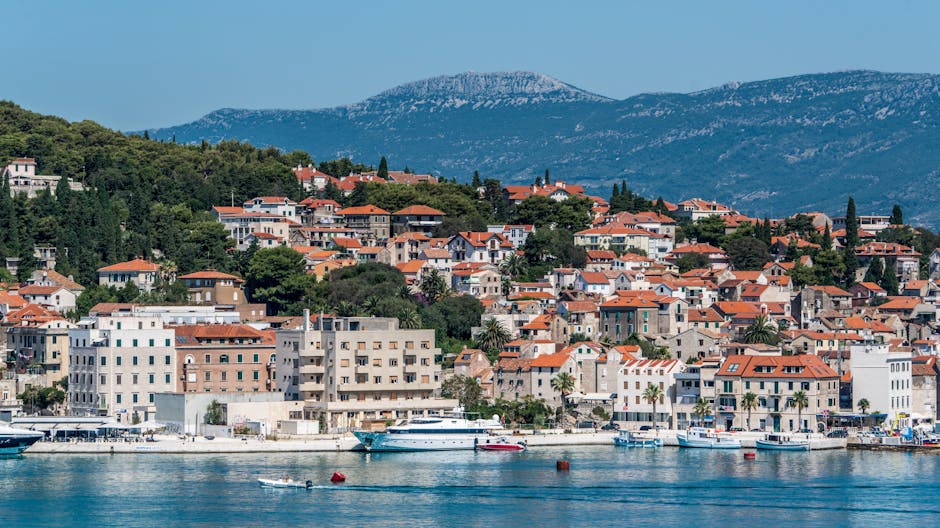
Seriously, why Split? I mean, there are so many travel destinations out there, right? But Split offers a unique blend that's hard to find elsewhere. Imagine wandering through a Roman palace, a UNESCO World Heritage site no less, in the morning, and then relaxing on a gorgeous beach with a cocktail in hand by afternoon. That's Split in a nutshell. It's the perfect combination of history, culture, relaxation, and vibrant city life, all wrapped up in one sun-kissed package. Trust me, it's an experience you won't soon forget. Plus, the food is incredible! Think fresh seafood, locally grown produce, and delicious Croatian wines. Need I say more?
Diocletian's Palace: Stepping Back in Time

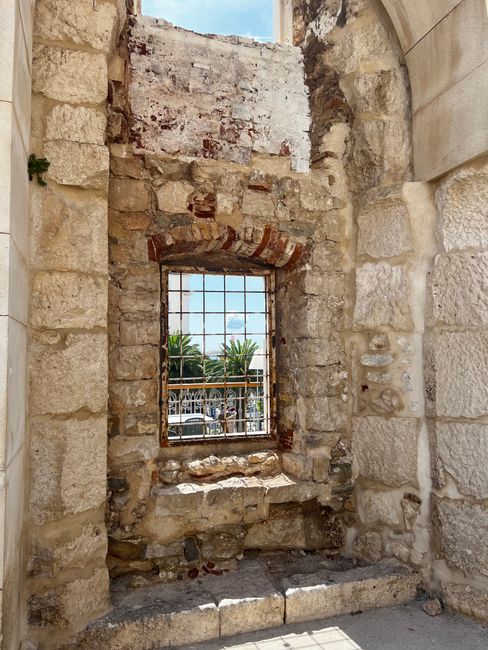
Okay, let's talk about the star of the show: Diocletian's Palace. This isn't just some ruins; it's a living, breathing city within a city. Built by the Roman Emperor Diocletian in the 4th century AD as his retirement palace, it's incredibly well-preserved and forms the very heart of Split. Imagine this: emperors strolled these same streets centuries ago!
When I first walked through the Golden Gate (north entrance), I was instantly transported back in time. The sheer scale of the palace is breathtaking. You can explore the Peristyle, the central courtyard where Diocletian once addressed his subjects (now a great spot for a coffee!), wander through the labyrinthine cellars (which used to be Diocletian's storage space and are now filled with shops), and climb the bell tower of St. Domnius Cathedral for panoramic views of the city.
Here are a few must-do's inside the Palace:
- The Peristyle: Grab a coffee, soak up the atmosphere, and maybe even catch a performance by a traditional Klapa singing group.
- The Cathedral of Saint Domnius: Climb the bell tower for stunning views. The cathedral itself was originally Diocletian's mausoleum!
- The Cellars: Explore the underground passages, now filled with shops selling souvenirs, local crafts, and artwork.
- The Temple of Jupiter: A small but impressive temple dedicated to the Roman god, now a baptistery.
- The Golden Gate, Silver Gate, Bronze Gate, and Iron Gate: These were the original entrances to the Palace. Each gate has its own unique story.
My advice? Don't just rush through the Palace. Take your time, get lost in the alleyways, and allow yourself to feel the history. You can even join a guided tour to learn more about the Palace's fascinating past. Trust me, it's worth it!
Beaches, Beaches, Beaches! Sun, Sand, and Azure Waters

Alright, enough history for a bit. Let's talk about what makes Split so irresistible: its beaches! With its stunning coastline and crystal-clear Adriatic waters, Split is a beach lover's paradise. From bustling city beaches to secluded coves, there's something for everyone. During my visit, I explored a variety of them, each offering a unique charm.
Here are some of my personal favorites:
- Bačvice Beach: This is probably Split's most famous beach, known for its shallow waters and sandy shore. It's the perfect place to try your hand at "picigin," a local ball game played in the shallows. It can get crowded, especially in the summer, but the lively atmosphere is definitely worth experiencing.
- Žnjan Beach: Located a bit further from the city center, Žnjan is a larger beach with plenty of space for everyone. It's lined with beach bars and restaurants, making it a great place to spend the whole day. I particularly loved the variety of water sports available here.
- Kasjuni Beach: This beach is a little more secluded, located on the Marjan Peninsula. It's known for its clear water and beautiful scenery. It's also a popular spot for nudists, with a designated nudist section.
- Bene Beach: Also located on Marjan Peninsula, Bene Beach is a great option for families with kids. It has shallow water, a playground, and plenty of shade. It's accessible by bus or a pleasant walk through the pine forest.
- Obojena Svjetlost Beach: This picturesque beach, also nestled on Marjan Peninsula, is known for its pebble beach, clear waters, and stunning views of the surrounding islands. It's a local favorite, offering a more relaxed and authentic experience.
Tips for enjoying Split's beaches:
- Bring sunscreen! The Croatian sun is strong, especially during the summer months.
- Wear water shoes. Many beaches in Split are pebbly, so water shoes will make your experience much more comfortable.
- Stay hydrated. Drink plenty of water throughout the day to avoid dehydration.
- Try a beach bar. Enjoy a refreshing cocktail or a cold beer at one of the many beach bars.
- Explore the islands! Take a boat trip to one of the nearby islands, like Brač or Hvar, for even more stunning beaches and crystal-clear waters.
Beyond the Palace and Beaches: Exploring Split's Treasures
While Diocletian's Palace and the beaches are undoubtedly the main attractions, Split has so much more to offer. Don't just stick to the tourist hotspots; venture off the beaten path and discover the city's hidden gems.
Marjan Hill: A must-do! Climb or cycle to the top of Marjan Hill for breathtaking panoramic views of Split, the surrounding islands, and the Adriatic Sea. There are several hiking trails to choose from, ranging in difficulty. At the top, you'll find a cafe, a small zoo, and several churches and chapels. Pack a picnic and enjoy the stunning sunset.
The Riva Promenade: This bustling waterfront promenade is the heart of Split's social life. Lined with cafes, restaurants, and shops, it's the perfect place to people-watch, enjoy a coffee, or grab a bite to eat. In the evenings, the Riva comes alive with street performers, musicians, and a vibrant atmosphere.
The Green Market (Pazar): Immerse yourself in local life at the Green Market, located just outside the Silver Gate of Diocletian's Palace. Here, you'll find a colorful array of fresh fruits, vegetables, flowers, and local products. It's a great place to practice your Croatian (even just saying "Dobar dan!" – good day! – will be appreciated) and pick up some souvenirs.
The Archaeological Museum: If you're interested in history and archaeology, the Archaeological Museum is definitely worth a visit. It houses a vast collection of artifacts from the Roman, Greek, and early Croatian periods, providing a fascinating insight into the region's rich history.
Day Trips from Split: Island Hopping Adventures

Split is also the perfect base for exploring the surrounding islands. Several ferry companies offer regular services to the nearby islands, making it easy to hop on a boat and discover the beauty of the Croatian archipelago.
Here are a few island day trip ideas:
- Brač: Famous for its stunning Zlatni Rat (Golden Horn) beach, Brač is a must-visit. The island also offers charming villages, olive groves, and opportunities for hiking and windsurfing.
- Hvar: Known for its vibrant nightlife, beautiful beaches, and lavender fields, Hvar is a popular destination. Explore the historic town of Hvar, visit the Spanish Fortress, and enjoy the island's many restaurants and bars.
- Šolta: A more laid-back island, Šolta is perfect for those seeking tranquility and natural beauty. Explore the island's charming villages, sample local olive oil and honey, and enjoy swimming in the crystal-clear waters.
- Vis: The furthest inhabited island from the Croatian mainland, Vis is known for its unspoiled beauty and rich history. Visit the Blue Cave on the nearby island of Biševo, explore the historic town of Vis, and enjoy the island's delicious seafood.
Food & Drink: A Culinary Journey in Split
No trip to Split is complete without indulging in the local cuisine. Croatian food is a delicious blend of Mediterranean and Balkan influences, with a focus on fresh, seasonal ingredients.
Must-try dishes:
- Peka: A traditional Dalmatian dish cooked under a bell-shaped lid covered in embers. Typically made with meat (lamb or veal), potatoes, and vegetables, it's slow-cooked to perfection.
- Pašticada: A slow-cooked beef stew marinated in red wine, vinegar, and spices. Served with gnocchi or homemade pasta, it's a hearty and flavorful dish.
- Grilled Fish: With its long coastline, Croatia is known for its fresh seafood. Order grilled fish (brancin, orada, or tuna) for a simple but delicious meal.
- Black Risotto (Crni Rižot): A risotto dish made with squid ink, giving it a distinctive black color and a rich, seafood flavor.
- Soparnik: A thin savory pie filled with Swiss chard, onions, and olive oil. A traditional dish from the Poljička Republic, a historic region near Split.
Local drinks:
- Croatian Wine: Croatia is an emerging wine region, with a growing number of excellent wineries. Try local varieties like Plavac Mali (red) or Pošip (white).
- Rakija: A traditional fruit brandy, made from plums, grapes, or other fruits. A strong and potent drink!
- Ožujsko or Karlovačko: Local Croatian beers.
Where to eat:
Split offers a wide range of restaurants, from traditional konobas (taverns) to modern fine-dining establishments. For an authentic experience, try Konoba Matejuška or Fife. For a more upscale dining experience, check out Zinfandel Food & Wine bar or Paradiso.
Practical Tips for Planning Your Trip

Okay, so you're convinced that Split is the place for you? Awesome! Here are a few practical tips to help you plan your trip:
- Best time to visit: The best time to visit Split is during the shoulder seasons (May-June or September-October) when the weather is pleasant, the crowds are smaller, and the prices are lower. Summer (July-August) is the peak season, with hot weather and large crowds.
- Getting around: Split is a very walkable city, especially the old town. You can also use buses to get around. Taxis and Uber are also available.
- Accommodation: Split offers a wide range of accommodation options, from budget-friendly hostels to luxury hotels. Consider staying within the Palace walls for a truly immersive experience.
- Currency: The currency in Croatia is the Croatian Kuna (HRK). Credit cards are widely accepted.
- Language: The official language is Croatian. English is widely spoken in tourist areas.
- Safety: Split is a very safe city. However, it's always a good idea to be aware of your surroundings and take precautions against petty theft.
I hope this guide has inspired you to visit Split and experience the magic of this incredible city for yourself. From its ancient Roman heritage to its stunning beaches and vibrant culture, Split has something to offer everyone. So pack your bags, book your flights, and get ready for an unforgettable adventure! I guarantee you'll fall in love with Split just as much as I did.
Happy travels!
Post a Comment