Strasbourg: Where French Charm Meets German Heart & Christmas Magic Sparkles

Strasbourg: Where French Charm Meets German Heart & Christmas Magic Sparkles
Oh, Strasbourg! Just the name conjures up images of charming half-timbered houses, winding canals, and the aroma of spiced wine hanging heavy in the air. I've been lucky enough to visit this beautiful city several times, and each trip feels like stepping into a fairytale. But Strasbourg isn't just pretty – it's a fascinating blend of French and German cultures, a unique identity forged by centuries of shared history and a constant back-and-forth between nations. And, of course, there are the Christmas markets... absolutely magical!
A City Straddling Two Worlds: Understanding Strasbourg's Dual Identity
Strasbourg, the capital of Alsace, sits right on the border between France and Germany. This geographic position has had a profound impact on its history and culture. Over the centuries, it's been part of both countries, switching allegiances several times depending on the outcome of wars and political shifts. This constant tug-of-war has resulted in a unique cultural landscape that is neither purely French nor purely German, but a delightful and distinct mix of both.
Think of it like this: imagine taking the best aspects of French elegance and German efficiency and blending them together. You get a city that's both stylish and organized, charming and practical. You'll hear both French and Alsatian, a Germanic dialect, spoken in the streets. You'll see signs in both languages. And you'll find restaurants serving everything from classic French cuisine to hearty German dishes.
I remember the first time I visited Strasbourg. I was struck by the architecture, especially the half-timbered houses, called "colombages" in French. They looked straight out of a German storybook! But then I'd stroll past a chic boutique selling French perfumes or a patisserie overflowing with delicate pastries, and I'd remember I was in France. It was this constant back and forth, this feeling of being in two places at once, that really captured my imagination.
Exploring Strasbourg: My Favorite Spots & Hidden Gems

Strasbourg is a city best explored on foot (or by bike, if you're feeling energetic!). It's relatively small and easy to navigate, and there's something beautiful to see around every corner. Here are a few of my favorite places:
- La Petite France: This is perhaps the most picturesque part of Strasbourg. It's a historic district located on the Ill River, with canals winding through a maze of half-timbered houses. In the past, this was where the tanners, millers, and fishermen lived and worked. Now, it's a UNESCO World Heritage site and a popular tourist destination, but it still retains its charm. Take a leisurely stroll along the canals, admire the colorful houses, and stop for a coffee or a glass of wine at one of the many cafes.
- The Strasbourg Cathedral (Cathédrale Notre-Dame de Strasbourg): You absolutely can't miss this! This magnificent cathedral is a masterpiece of Gothic architecture. For over two centuries, it was the tallest building in the world! Its intricate façade is breathtaking, and inside, you'll find a stunning astronomical clock and beautiful stained-glass windows. Climb to the top for panoramic views of the city – it's worth the effort!
- The European Parliament: Strasbourg is also an important political center, being the seat of the European Parliament. Take a tour of the building to learn about the workings of the European Union and see where important decisions are made. The modern architecture of the Parliament building is a stark contrast to the historic buildings in the city center, but it's a reminder that Strasbourg is a city that embraces both its past and its future.
- The Covered Bridges (Ponts Couverts): These three bridges, once covered in wooden roofs (hence the name), are a reminder of Strasbourg's medieval past. They offer beautiful views of La Petite France and the Vauban Dam.
- The Vauban Dam (Barrage Vauban): This impressive dam, built in the 17th century, was designed to flood the southern part of the city in case of attack. Today, it's a pedestrian walkway with a panoramic terrace offering stunning views of the city and the surrounding countryside.
- The Alsatian Museum (Musée Alsacien): If you want to delve deeper into Alsatian culture and traditions, this museum is a must-visit. It showcases traditional costumes, furniture, and tools, giving you a glimpse into the lives of the people who have shaped this unique region.
But beyond the main attractions, I encourage you to wander off the beaten path and explore the smaller streets and neighborhoods. You'll discover hidden courtyards, charming little shops, and authentic Alsatian restaurants. Don't be afraid to get lost – that's often the best way to discover the true heart of a city!
The Magic of Strasbourg's Christmas Markets: A Winter Wonderland
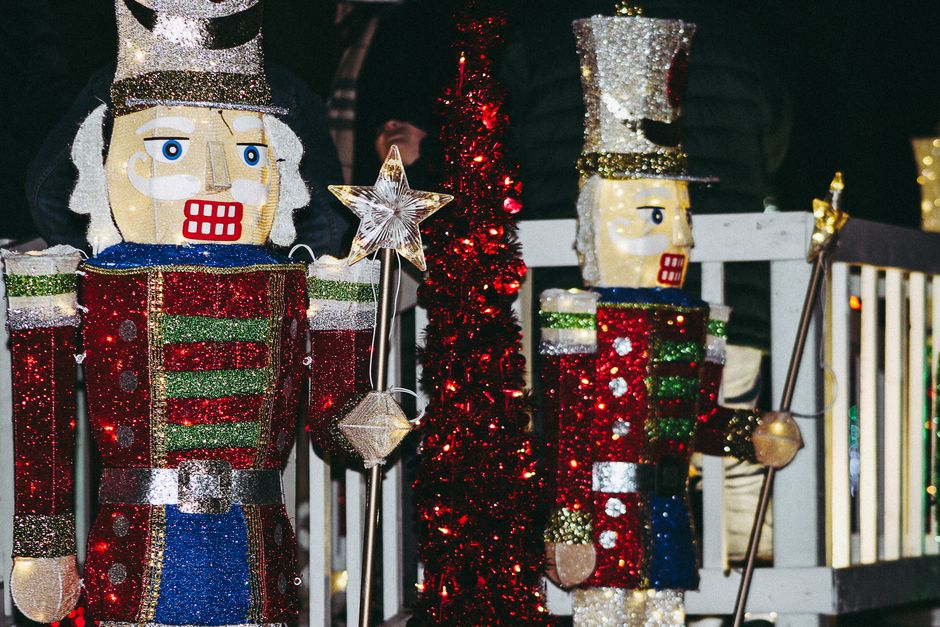
Ah, the Christmas markets! This is when Strasbourg truly shines. The city transforms into a winter wonderland, with twinkling lights, festive decorations, and the aroma of gingerbread and mulled wine filling the air. Strasbourg is known as the "Capital of Christmas" (Capitale de Noël), and for good reason – its Christmas markets are some of the oldest and most beautiful in Europe.
The main Christmas market is held on Place Broglie, but there are several other markets scattered throughout the city, each with its own unique atmosphere and offerings. You'll find everything from handcrafted ornaments and local delicacies to traditional Alsatian crafts and festive souvenirs. And, of course, there's plenty of vin chaud (mulled wine) to keep you warm on a chilly winter evening.
My advice? Don't just stick to the main markets. Explore the smaller, more intimate markets in the side streets. You'll often find more unique and authentic products, and the atmosphere is often more relaxed and festive. And be sure to try some of the local specialties, like bredele (Alsatian Christmas cookies), manneles (brioche shaped like little men), and flammekueche (a thin-crust pizza topped with cream, onions, and bacon).
Here are a few tips for making the most of your visit to Strasbourg's Christmas markets:
- Go early in the day or later in the evening to avoid the crowds. The markets can get very busy, especially on weekends.
- Dress warmly! It can get very cold in Strasbourg in December.
- Bring cash. While some vendors accept credit cards, many prefer cash.
- Be prepared to haggle. It's not always possible, but it's worth a try, especially if you're buying multiple items.
- Most importantly, soak it all in! The atmosphere, the sights, the smells – it's all part of the magic of Strasbourg's Christmas markets.
One of my fondest memories of Strasbourg is wandering through the Christmas markets on a crisp winter evening, with the snow falling softly and the sound of carols filling the air. It was a truly magical experience, and one that I'll never forget.
Beyond the Tourist Trail: Experiencing Authentic Alsatian Culture

While the main tourist attractions are definitely worth seeing, I always try to venture beyond the well-trodden path and experience the authentic culture of a place. In Strasbourg, this means immersing yourself in the local food scene, learning a few phrases in Alsatian, and attending a traditional festival or event.
Food, glorious food! Alsace is known for its hearty and delicious cuisine. Some of my favorite dishes include:
- Choucroute garnie: A traditional Alsatian dish consisting of sauerkraut, sausages, and other cured meats.
- Baeckeoffe: A slow-cooked casserole of potatoes, meat (usually beef, pork, and lamb), and vegetables marinated in white wine.
- Flammekueche (Tarte flambée): A thin-crust pizza topped with cream, onions, and bacon.
- Kugelhopf: A traditional Alsatian cake baked in a special fluted mold.
You'll find these dishes in most traditional Alsatian restaurants, often called "winstubs." Winstubs are cozy, informal restaurants that serve local specialties and Alsatian wines. They're a great place to experience the authentic flavors of the region and to mingle with the locals.
Learning a few phrases in Alsatian is also a great way to connect with the local culture. While most people in Strasbourg speak French, many also speak Alsatian, a Germanic dialect. Even just knowing a few basic greetings can go a long way in showing respect and appreciation for the local culture.
Attending a local festival or event is another great way to immerse yourself in Alsatian culture. Throughout the year, Strasbourg hosts a variety of festivals celebrating everything from wine and food to music and art. Check the local events calendar to see what's happening during your visit.
I remember once stumbling upon a local wine festival in a small village just outside of Strasbourg. There were stalls selling local wines, traditional music, and dancing. It was a completely unexpected and authentic experience, and one that I'll cherish forever.
Getting There and Getting Around: Practical Tips for Your Trip

Getting to Strasbourg is relatively easy, whether you're traveling by plane, train, or car. The Strasbourg Airport (SXB) has direct flights to several European cities. The city is also well-connected to the rest of France and Europe by train. The TGV (high-speed train) connects Strasbourg to Paris in just under two hours.
Once you're in Strasbourg, the best way to get around is on foot or by bike. The city center is relatively small and easy to navigate, and there are plenty of bike lanes. Public transportation is also available, with a network of trams and buses. The Strasbourg Pass is a great option if you plan on using public transportation frequently and visiting several museums and attractions. It offers unlimited travel on public transportation and free or discounted admission to many of the city's highlights.
Where to stay? Strasbourg offers a wide range of accommodation options, from budget-friendly hostels to luxurious hotels. I recommend staying in the city center, within walking distance of the main attractions. La Petite France is a particularly charming area to stay, but it can be more expensive. Consider exploring other neighborhoods, such as the Krutenau or the Quartier des Halles, for more affordable options.
When to visit? The best time to visit Strasbourg is during the spring or fall, when the weather is mild and the crowds are smaller. However, if you're interested in experiencing the Christmas markets, December is the perfect time to visit. Just be prepared for larger crowds and colder weather.
Strasbourg: More Than Just a City, It's an Experience
Strasbourg is more than just a city – it's an experience. It's a place where you can immerse yourself in a unique blend of French and German cultures, explore stunning architecture, and indulge in delicious food and wine. Whether you're visiting for the Christmas markets, to explore the historic city center, or to simply soak up the atmosphere, Strasbourg is sure to capture your heart.
So, pack your bags, learn a few phrases in French and Alsatian, and get ready to experience the magic of Strasbourg. You won't be disappointed!
Post a Comment