Vienna: Where Imperial Grandeur Harmonizes with Classical Music

Vienna: Where Imperial Grandeur Harmonizes with Classical Music
Vienna, oh Vienna! Just thinking about this city conjures images of opulent palaces, elegant waltzes, and the soaring melodies of some of history's greatest composers. It's a city that feels both grand and intimate, a place where you can wander through the halls where emperors once strolled and then find yourself completely captivated by a chamber music concert in a centuries-old church. Let me share with you my experiences and insights into Vienna, a city where imperial grandeur and classical music are inextricably intertwined.
The Majesty of Imperial Vienna
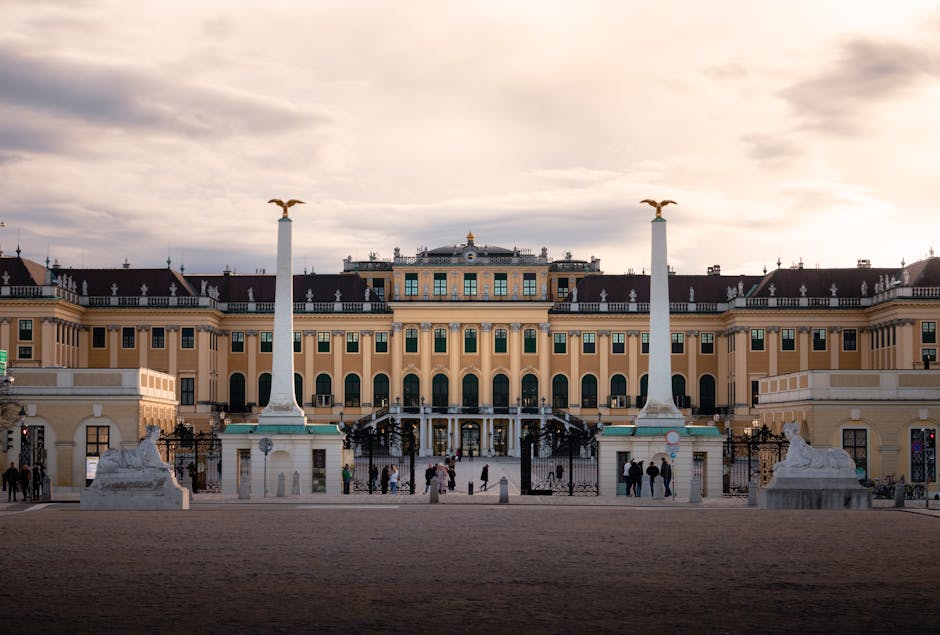
To truly understand Vienna, you need to delve into its imperial past. For centuries, it was the heart of the Habsburg Empire, a vast and powerful dynasty that shaped the city's architecture, culture, and identity. Walking through Vienna is like stepping back in time; you're constantly reminded of the empire's influence.
Hofburg Palace: A Window into Power
No visit to Vienna is complete without exploring the Hofburg Palace. This sprawling complex was the winter residence of the Habsburgs and is a testament to their power and wealth. You could easily spend days exploring its various sections, including:
- The Imperial Apartments: Imagine walking through the very rooms where Emperor Franz Joseph and Empress Elisabeth (Sisi) lived and worked. The opulent furnishings, priceless artwork, and personal belongings offer a fascinating glimpse into their lives. I was particularly moved by Sisi's dressing room, a space that spoke volumes about her beauty obsession and her somewhat tragic life.
- The Sisi Museum: Dedicated solely to Empress Elisabeth, this museum delves deeper into her life, dispelling myths and presenting a more nuanced portrait of this beloved figure. It's a must-see for anyone fascinated by royal history.
- The Silver Collection: Prepare to be dazzled by the sheer quantity and extravagance of the Habsburgs' silver collection. From ornate cutlery to magnificent serving dishes, it's a testament to their lavish lifestyle.
- The Spanish Riding School: Witness the graceful Lipizzaner stallions perform their intricate dressage routines. Even if you're not a horse enthusiast, the beauty and precision of these performances are truly captivating. I remember being absolutely mesmerized by the way the horses moved, almost as if they were dancing to the music.
Schönbrunn Palace: A Summer Retreat of Unrivaled Splendor
Schönbrunn Palace, the Habsburgs' summer residence, is equally impressive, though in a slightly different way. It's larger and more expansive than the Hofburg, with stunning gardens that stretch for miles. Here are some highlights:
- The Palace Interior: Guided tours will take you through the palace's lavishly decorated rooms, each showcasing a different style and period. Don't miss the Hall of Mirrors, where a young Mozart once performed for Empress Maria Theresa.
- The Gardens: Take a leisurely stroll through the meticulously manicured gardens, admiring the fountains, sculptures, and perfectly arranged flowerbeds. The Gloriette, a monumental arch atop a hill, offers breathtaking views of the palace and the city.
- The Tiergarten Schönbrunn: This is the oldest zoo in the world! Even if you're not typically a zoo-goer, the historical significance and diverse collection of animals make it worth a visit.
- The Schönbrunn Palace Concerts: Enjoy an evening of classical music in the Orangery Schönbrunn, a historical greenhouse within the palace grounds. It's a truly unforgettable experience, combining history, architecture, and music in one magical evening.
Beyond the Palaces: Architectural Gems
Vienna's imperial grandeur isn't limited to its palaces. As you wander through the city, you'll encounter numerous architectural gems that reflect the Habsburgs' influence:
- St. Stephen's Cathedral: This iconic cathedral, with its towering spire and intricate details, is a symbol of Vienna. Climb to the top of the south tower for panoramic views of the city.
- The Vienna State Opera: A masterpiece of neo-Renaissance architecture, the Vienna State Opera is one of the world's leading opera houses. Even if you can't attend a performance, take a guided tour to admire its opulent interior.
- The Rathaus (City Hall): This imposing building, with its Gothic Revival architecture, is another example of Vienna's grand scale. During the Christmas season, the Rathausplatz transforms into a magical Christmas market.
The Sound of Music: Vienna's Classical Heritage

Vienna's connection to classical music is legendary. It was home to some of the greatest composers in history, including Mozart, Beethoven, Haydn, and Schubert. Their music is deeply ingrained in the city's identity, and you can feel their presence everywhere you go.
Mozart: The Prodigy Who Left His Mark
Wolfgang Amadeus Mozart spent a significant portion of his life in Vienna, and the city embraced his genius. Although he faced financial struggles and ultimately died young, his music continues to resonate with audiences worldwide.
- Mozarthaus Vienna: This is the only surviving Viennese apartment where Mozart lived. The museum offers a fascinating look into his life and work during his time in Vienna. I remember feeling a sense of awe standing in the rooms where he composed some of his most famous works.
- St. Stephen's Cathedral: Mozart was married in St. Stephen's Cathedral, and his funeral was also held there. While it's not possible to visit the exact location of his grave (he was buried in a common grave), the cathedral remains a powerful reminder of his connection to Vienna.
- Classical Concerts: Numerous venues throughout Vienna host concerts featuring Mozart's music. Whether you attend a performance in a grand concert hall or a smaller, more intimate setting, it's an opportunity to experience his genius firsthand.
Beethoven: The Rebel With a Cause
Ludwig van Beethoven also spent much of his life in Vienna, and the city provided him with a platform to develop his revolutionary musical style. Despite facing deafness, he continued to compose some of the most iconic pieces in classical music history.
- Beethoven Museum: This museum offers a comprehensive overview of Beethoven's life and work, including his struggles with deafness and his artistic triumphs. You can see original manuscripts, instruments, and other artifacts that shed light on his creative process.
- Heiligenstadt Testament: In 1802, Beethoven wrote a letter to his brothers, known as the Heiligenstadt Testament, expressing his despair over his worsening deafness. The letter is a poignant testament to his resilience and his dedication to music.
- Beethoven's Residences: Several buildings in Vienna claim to be former residences of Beethoven. While it's not always easy to verify their authenticity, visiting these places can give you a sense of the environment in which he lived and worked.
Beyond Mozart and Beethoven: A Symphony of Composers
While Mozart and Beethoven are undoubtedly the most famous composers associated with Vienna, the city also played a significant role in the lives and careers of other musical giants, including:
- Haydn: Joseph Haydn spent much of his career working for the Esterházy family in Austria, but he also maintained close ties to Vienna. His music helped to shape the classical style, and he is considered one of the most important composers of the era.
- Schubert: Franz Schubert was born and lived his entire life in Vienna. He composed hundreds of songs, as well as symphonies, chamber music, and operas. Despite facing financial difficulties, he left behind a rich musical legacy.
- Strauss: The Strauss family, particularly Johann Strauss II (the "Waltz King"), is synonymous with Viennese waltzes. Their music is lighthearted, elegant, and perfectly captures the spirit of the city.
Experiencing Vienna's Musical Soul Today

The legacy of classical music lives on in Vienna today. There are countless opportunities to experience live music, from grand opera performances to intimate chamber concerts. Here are some of my favorite ways to immerse myself in Vienna's musical soul:
- Attend a Performance at the Vienna State Opera: Even if you're not an opera aficionado, experiencing a performance at the Vienna State Opera is a must. The grandeur of the building, the quality of the singers and musicians, and the overall atmosphere are truly unforgettable. You can even get standing room tickets for a fraction of the price, though be prepared for a long wait!
- Enjoy a Classical Concert in a Church: Several churches throughout Vienna host classical concerts, often featuring the music of Mozart, Beethoven, and other famous composers. The acoustics in these churches are exceptional, and the setting adds to the magic of the experience. I highly recommend attending a concert at St. Peter's Church, a stunning Baroque church in the heart of the city.
- Visit the Haus der Musik: This interactive museum explores the world of sound and music. You can experiment with different instruments, conduct a virtual orchestra, and learn about the science of acoustics. It's a fun and educational experience for people of all ages.
- Stroll Through the Zentralfriedhof (Central Cemetery): This sprawling cemetery is the final resting place of many famous composers, including Beethoven, Brahms, Schubert, and both Johann Strausses. Visiting their graves is a poignant reminder of their contributions to music. It's also a beautiful and peaceful place to walk and reflect.
- Take a Waltz Lesson: What better way to connect with Vienna's musical heritage than to learn how to waltz? Several dance schools in Vienna offer waltz lessons, catering to all skill levels. Even if you're not a natural dancer, it's a fun and memorable experience.
Planning Your Viennese Escape
Vienna is a city that rewards exploration. Give yourself plenty of time to wander through its streets, soak up its atmosphere, and discover its hidden gems. Here are a few tips to help you plan your Viennese escape:
- Best Time to Visit: Vienna is beautiful year-round, but the shoulder seasons (spring and fall) offer pleasant weather and fewer crowds. The Christmas season is also magical, with numerous Christmas markets throughout the city.
- Getting Around: Vienna has an excellent public transportation system, including subways, trams, and buses. A Vienna Pass can provide unlimited access to public transportation and free admission to many attractions.
- Accommodation: Vienna offers a wide range of accommodation options, from budget-friendly hostels to luxurious hotels. Consider staying in the Innere Stadt (inner city) for easy access to major attractions.
- Food and Drink: Don't miss the opportunity to sample Viennese cuisine, including Wiener Schnitzel, Sachertorte, and Apfelstrudel. Visit a traditional Viennese coffeehouse for a taste of local culture.
- Book in Advance: Especially for popular attractions like the Schönbrunn Palace and the Vienna State Opera, it's advisable to book tickets in advance to avoid long queues.
Vienna is a city that stays with you long after you've left. Its imperial grandeur, its rich musical heritage, and its unique atmosphere create an unforgettable experience. So, pack your bags, embrace the spirit of the city, and prepare to be enchanted by the magic of Vienna!
Post a Comment