Your European Adventure: The Ultimate Packing Guide for Stress-Free Travel

Your European Adventure: The Ultimate Packing Guide for Stress-Free Travel
Okay, so you're heading to Europe! That's absolutely fantastic! I remember the sheer excitement I felt before my first trip. But then…the packing panic set in. What to bring? What to leave behind? How to fit it all in a suitcase without needing a crane to lift it? I get it. Packing can feel overwhelming, but trust me, it doesn't have to be. Over the years, and after countless European adventures (and packing mistakes!), I've honed my packing list down to a science. This isn't just a list of things to bring; it's a roadmap to a lighter, more enjoyable trip. Think of me as your friendly, experienced travel buddy, here to help you pack like a pro. Let's dive in!
Before We Start: Understanding Your Trip

Before you even think about that cute new sundress, let's get clear on the specifics of your trip. A backpacking trip through Italy will require a very different approach than a luxury cruise down the Rhine River. Consider these key elements:
- Duration of Your Trip: Are you going for a week, a month, or longer? Obviously, a longer trip needs more planning and potentially more clothes, but don't fall into the trap of packing for every possible scenario. We'll talk about laundry later!
- Time of Year & Destinations: Europe has incredibly diverse climates. A summer in Greece will be vastly different from a winter in Norway. Research the average temperatures and weather conditions for each location you'll be visiting. Layers are key!
- Type of Activities: Are you planning on hiking in the Alps? Attending formal concerts in Vienna? Relaxing on the beaches of Spain? Your activities will significantly influence your clothing and gear choices.
- Accommodation Style: Are you staying in hostels, hotels, or Airbnbs? Hostels require more personal toiletries and possibly a sleep sack, while Airbnbs might offer laundry facilities.
- Transportation Methods: Will you be primarily flying, taking trains, or renting a car? If you're taking trains, you'll want to be able to easily manage your luggage on and off the carriages. If you're flying on budget airlines, strict baggage weight limits will be a major factor.
Once you have a clear understanding of these elements, you can start to build a realistic and efficient packing list.
The Essential Clothing List: Quality Over Quantity

This is where many travelers go wrong. They try to pack their entire wardrobe. Resist the urge! Aim for versatile pieces that can be mixed and matched to create multiple outfits. Here's a starting point, which you can adapt based on your specific trip details:
- Tops (5-7): Opt for lightweight, quick-drying fabrics like merino wool or synthetic blends. Choose a mix of short-sleeved and long-sleeved options. A few basic tees in neutral colors are a must. I always pack one or two nicer tops for evenings out.
- Bottoms (2-3): A pair of comfortable jeans or travel pants is essential. I also like to bring a pair of versatile shorts or a skirt, depending on the weather and my planned activities.
- Dress (1-2): A versatile dress can be dressed up or down, making it perfect for a variety of occasions. Choose a fabric that doesn't wrinkle easily.
- Sweater or Fleece (1): Even in summer, evenings can get chilly in Europe. A lightweight sweater or fleece is a must-have.
- Jacket (1): Choose a jacket that is appropriate for the weather conditions you expect to encounter. A waterproof and windproof jacket is a good option, even if you don't expect rain.
- Underwear (7 pairs): Merino wool underwear is a great option for travel, as it is breathable and odor-resistant.
- Socks (5-7 pairs): Pack a mix of socks, including some thicker socks if you plan on doing any hiking. Again, merino wool is a good choice.
- Pajamas (1 set): Or just wear a t-shirt and shorts!
- Swimsuit (1): Even if you're not planning a beach vacation, a swimsuit can come in handy for hotel pools or spas.
Pro Tip: Roll your clothes instead of folding them. It saves space and helps to prevent wrinkles!
Shoes: Comfort is King (or Queen!)

Your shoes can make or break your trip. Blisters are the enemy of happy travels. Invest in comfortable, supportive shoes that you've already broken in before your trip. Here's my recommended shoe strategy:
- Walking Shoes (1 pair): These should be your most comfortable and supportive shoes. Think sneakers, walking shoes, or even comfortable hiking shoes if you plan on doing a lot of walking. I personally swear by my trusty sneakers.
- Sandals or Dressier Shoes (1 pair): Depending on your activities, you might want to bring a pair of sandals or dressier shoes for evenings out. Comfortable flats or stylish sandals are good options.
Pro Tip: Pack your shoes in shoe bags to keep your clothes clean. You can also stuff your socks and other small items inside your shoes to save space.
Toiletries: Travel-Sized Essentials

No need to bring the entire contents of your bathroom cabinet! Stick to the essentials and buy anything you run out of along the way. Here's a list of must-have toiletries:
- Travel-sized Shampoo, Conditioner, and Body Wash: You can either buy travel-sized versions of your favorite products or decant your own into reusable travel containers.
- Toothbrush, Toothpaste, and Floss: Don't forget these essentials!
- Deodorant: A must-have for staying fresh on the go.
- Sunscreen: Protect your skin from the sun, especially if you're traveling during the summer months.
- Insect Repellent: Depending on where you're traveling, insect repellent may be necessary.
- Medications: Bring any prescription medications you need, as well as any over-the-counter medications you typically use, such as pain relievers or allergy medicine.
- First-Aid Kit: A small first-aid kit with bandages, antiseptic wipes, and pain relievers can be a lifesaver.
- Hand Sanitizer: Keep your hands clean on the go.
- Makeup (Optional): If you wear makeup, bring only the essentials.
Pro Tip: Invest in a good quality travel toiletry bag. It will keep your toiletries organized and prevent leaks.
Electronics: Staying Connected (But Not Too Connected!)

While it's tempting to bring every gadget you own, try to limit yourself to the essentials. Remember, you're there to experience Europe, not stare at a screen all day! Here's my recommended electronics list:
- Phone: Essential for communication, navigation, and taking photos.
- Camera (Optional): If you're serious about photography, you might want to bring a dedicated camera. However, most modern phones have excellent cameras.
- Universal Adapter: Europe uses different electrical outlets than the United States, so you'll need a universal adapter to charge your devices.
- Portable Charger: A portable charger is a lifesaver when you're out and about and your phone battery is running low.
- Headphones: Essential for listening to music or podcasts on the plane or train.
- E-reader or Tablet (Optional): If you enjoy reading, an e-reader or tablet can be a great way to pass the time on long journeys.
Pro Tip: Download offline maps and language translation apps before you go. This will save you data and allow you to access information even when you don't have internet access.
Important Documents and Money Matters
Don't leave home without these essentials! Keep them organized and easily accessible.
- Passport: Make sure your passport is valid for at least six months after your return date.
- Visa (If Required): Check if you need a visa to enter any of the countries you'll be visiting.
- Copies of Important Documents: Make copies of your passport, visa, driver's license, and other important documents and store them separately from the originals.
- Flight/Train Tickets: Keep your tickets organized and easily accessible, either in paper or electronic form.
- Accommodation Confirmations: Have your hotel or Airbnb confirmations readily available.
- Travel Insurance Information: Make sure you have travel insurance that covers medical emergencies, trip cancellations, and lost luggage.
- Credit Cards and Debit Cards: Bring a mix of credit cards and debit cards. Notify your bank and credit card companies of your travel dates to avoid having your cards blocked.
- Cash: It's always a good idea to have some cash on hand for small purchases or emergencies. Euros are the standard currency in most of the European Union.
Pro Tip: Consider using a travel wallet or money belt to keep your valuables safe.
Miscellaneous Essentials: The Little Things That Make a Big Difference

These items might not seem essential, but they can make your trip much more comfortable and enjoyable:
- Reusable Water Bottle: Stay hydrated on the go and save money on bottled water.
- Travel Pillow: Essential for comfortable plane or train rides.
- Eye Mask and Earplugs: Block out light and noise for a better night's sleep.
- Small Backpack or Daypack: For carrying your essentials while you're out and about.
- Ziploc Bags: Useful for storing snacks, wet clothes, or anything else you want to keep separate.
- Laundry Bag: Keep your dirty clothes separate from your clean clothes.
- Small Sewing Kit: For minor repairs.
- Phrasebook or Translation App: Learn a few basic phrases in the local language.
Packing Strategies: Mastering the Art of the Carry-On
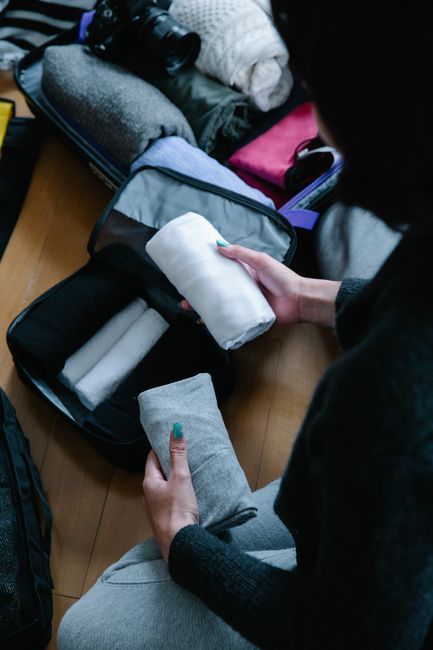
Alright, now that you have your list, let's talk about how to actually pack it all! I'm a huge advocate for traveling with a carry-on only. It saves you money on checked baggage fees, eliminates the risk of lost luggage, and makes it much easier to get around. Here are some tips for mastering the art of the carry-on:
- Choose the Right Suitcase: Opt for a lightweight, durable suitcase with spinner wheels. Make sure it meets the carry-on size restrictions of the airlines you'll be flying with.
- Roll, Don't Fold: Rolling your clothes saves space and helps to prevent wrinkles.
- Use Packing Cubes: Packing cubes are a game-changer! They help you organize your clothes, compress them, and prevent them from shifting around in your suitcase.
- Wear Your Heaviest Items: Wear your bulkiest shoes, jacket, and jeans on the plane to save space in your suitcase.
- Take Advantage of Personal Item: Use your personal item (a backpack or purse) to carry your electronics, books, snacks, and other essentials.
- Leave Room for Souvenirs: Don't pack your suitcase to the brim. Leave some extra space for souvenirs you might want to buy along the way.
- Weigh Your Suitcase: Before you leave for the airport, weigh your suitcase to make sure it meets the airline's weight restrictions.
Laundry: Pack Light, Wash Often

One of the biggest secrets to packing light is doing laundry while you're traveling. Here are a few options:
- Laundromats: Many cities in Europe have laundromats where you can wash and dry your clothes.
- Hotel Laundry Service: Most hotels offer laundry service, but it can be expensive.
- Hand Washing: If you're staying in an Airbnb or hostel, you can hand wash your clothes in the sink. Bring a travel-sized laundry detergent and a clothesline.
By doing laundry every few days, you can significantly reduce the amount of clothing you need to pack.
The Final Check: Before You Leave
Before you zip up your suitcase and head to the airport, take a few minutes to do a final check. Here's a checklist:
- Have you packed all your essential documents?
- Do you have enough cash?
- Have you notified your bank and credit card companies of your travel dates?
- Have you downloaded offline maps and language translation apps?
- Have you charged all your electronic devices?
- Have you left a copy of your itinerary with someone at home?
Packing for a European adventure doesn't have to be stressful. By following these tips, you can pack efficiently, travel light, and focus on enjoying your trip. Remember, it's not about having everything you own with you; it's about having the right things. Now go forth, explore Europe, and create memories that will last a lifetime! Bon voyage!
Post a Comment