Bucharest: Romania's Vibrant Heart - A City of Contrasts & Endless Discovery

Bucharest: Romania's Vibrant Heart - A City of Contrasts & Endless Discovery
Hey there! Let me tell you about Bucharest, a city that completely captivated me. It's not just Romania's capital; it's a living, breathing organism, pulsing with an energy that's both chaotic and utterly charming. Think of it as a place where grand Belle Époque architecture rubs shoulders with Communist-era blocks, where trendy cafes sit alongside traditional markets, and where the past and present are constantly engaged in a fascinating dance.
A First Impression: More Than Just "Little Paris"

Okay, I'll admit, before visiting, I'd heard the nickname "Little Paris" thrown around. And yes, there are moments when you catch glimpses of Parisian grandeur, especially along Calea Victoriei, with its elegant facades and historic buildings. But Bucharest is so much more than a pale imitation. It's a unique blend, infused with Romanian history, culture, and a resilience that's palpable.
My first impression? Organized chaos! The traffic can be intense, the streets are a vibrant mix of old and new, and the sheer energy of the city is intoxicating. But beneath the surface, I discovered a warmth and welcoming spirit that made me fall in love with the place.
Diving into History: Layers Upon Layers

Bucharest's history is complex and fascinating. It's been shaped by empires, wars, and political upheaval, and each era has left its mark on the city's landscape. To truly appreciate Bucharest, you need to understand its past.
Here are a few key historical periods that have influenced Bucharest:
- Early History & Medieval Roots: Bucharest's origins can be traced back to the 14th century, when it was first mentioned as a fortress. It gradually grew in importance, becoming the capital of Wallachia in the late 17th century.
- The Phanariot Period: This era, spanning much of the 18th century, saw the influence of Greek administrators appointed by the Ottoman Empire. While controversial, it also brought advancements in education and culture.
- The 19th Century: A period of rapid modernization and Western influence. Romania gained independence, and Bucharest blossomed into a vibrant European capital, drawing inspiration from Paris.
- The Communist Era: A dark chapter in Romanian history. The Communist regime left a lasting impact on Bucharest, with the construction of massive, often imposing, buildings and a suppression of individual freedoms.
- Post-Revolution: Since the 1989 revolution, Bucharest has been undergoing a transformation, embracing democracy, free markets, and a renewed sense of national identity.
You can see evidence of all these periods as you wander through the city. The Stavropoleos Monastery, a tranquil oasis of Orthodox art and architecture, offers a glimpse into Bucharest's medieval past. The Romanian Athenaeum, a stunning concert hall, is a testament to the city's 19th-century elegance. And the Palace of the Parliament, a colossal structure built by Nicolae Ceaușescu, stands as a reminder of the Communist era. It's the second largest administrative building in the world after the Pentagon!
Must-See Attractions: A Journey Through Bucharest's Landmarks

Okay, now for the fun part! Let's talk about some of the must-see attractions in Bucharest. This is just a starting point, of course, because there's so much to discover.
- The Palace of the Parliament: Whether you love it or hate it, you can't ignore it. This enormous building is a controversial symbol of Ceaușescu's regime. Take a tour to learn about its history and scale. It's absolutely mind-blowing.
- Calea Victoriei: This iconic avenue is the heart of Bucharest. Stroll along it to admire the grand architecture, visit museums, and soak up the city's atmosphere.
- The Romanian Athenaeum: A breathtaking concert hall that's considered one of the most beautiful buildings in Bucharest. Try to catch a performance if you can!
- Stavropoleos Monastery: A peaceful oasis in the heart of the city. This small Orthodox monastery is a hidden gem, with beautiful frescoes and a tranquil courtyard.
- Village Museum (Muzeul Satului): Step back in time at this open-air museum, which showcases traditional Romanian houses and rural life from different regions of the country. It's like traveling across Romania without leaving Bucharest!
- Revolution Square: The site of the 1989 revolution. It's a poignant place to reflect on Romania's recent history.
- Herăstrău Park: A large park with a lake, gardens, and plenty of space for recreation. Rent a boat, go for a walk, or simply relax and enjoy the scenery.
Beyond the Tourist Trail: Discovering Bucharest's Hidden Gems

While the main attractions are worth seeing, Bucharest truly shines when you venture off the beaten path. That's where you find the hidden gems, the quirky cafes, and the authentic experiences that make the city so special.
Here are a few of my favorite hidden gems:
- Carturesti Carusel: This stunning bookstore is located in a beautifully restored building in the Old Town. Even if you're not a bookworm, it's worth a visit just to admire the architecture.
- Pasajul Macca-Vilacrosse: A covered passageway with elegant architecture and a charming atmosphere. It's a great place to grab a coffee or a bite to eat.
- The Bellu Cemetery: Okay, I know it sounds a bit morbid, but this cemetery is actually a fascinating outdoor museum. It's filled with elaborate sculptures and monuments that offer a glimpse into Romanian history and culture.
- The street art scene: Bucharest has a vibrant street art scene, with colorful murals and graffiti adorning many buildings. Take a walk around the city and see what you can discover. Some of the best examples are in the Sector 6 area.
- Obor Market: For a truly authentic Romanian experience, head to Obor Market, one of the largest and oldest markets in Bucharest. It's a sensory overload, with vendors selling everything from fresh produce to traditional crafts.
Food & Drink: A Culinary Adventure

Romanian cuisine is hearty, flavorful, and often involves meat. But there's also plenty for vegetarians to enjoy. Be prepared for generous portions!
Here are some dishes you absolutely must try:
- Sarmale: Cabbage rolls stuffed with ground meat and rice. They're a staple of Romanian cuisine.
- Mămăligă: A type of polenta made from cornmeal. It's often served with sour cream, cheese, and meat.
- Mici: Grilled minced meat rolls. They're incredibly flavorful and popular street food.
- Ciorbă: A sour soup, often made with vegetables and meat. There are many different varieties, so be sure to try a few! My personal favorite is ciorbă de burtă (tripe soup), but it's definitely an acquired taste!
- Papanași: A traditional dessert consisting of fried or boiled dough with sour cream and jam. It's incredibly delicious and indulgent.
As for drinks, try some Romanian wine! The country has a long history of winemaking, and there are many excellent local varieties to discover. Also, don't miss the chance to try țuică, a strong plum brandy that's often served as an aperitif.
Bucharest has a thriving café culture, with plenty of trendy coffee shops and traditional cafes to choose from. The Old Town is a great place to find a place to relax and people-watch. For a more unique experience, check out some of the hidden cafes tucked away in courtyards and alleyways.
The Old Town: A Hub of Activity
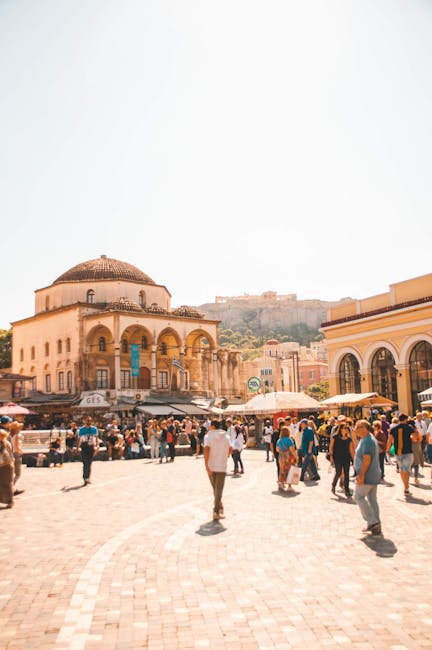
Bucharest's Old Town (Centrul Vechi) is a vibrant and lively area, packed with bars, restaurants, clubs, and shops. It's a popular spot for tourists and locals alike, and it's a great place to experience Bucharest's nightlife.
During the day, the Old Town is a great place to explore, with its cobblestone streets, historic buildings, and charming cafes. In the evening, the area comes alive with music and energy.
While the Old Town is definitely worth visiting, be aware that it can be quite touristy and crowded, especially on weekends. If you're looking for a more authentic experience, venture beyond the Old Town and explore some of Bucharest's other neighborhoods.
Getting Around: Navigating Bucharest

Getting around Bucharest can be a bit of a challenge, but it's definitely manageable. The city has a good public transportation system, including buses, trams, and a metro.
The metro is the easiest and most efficient way to get around, especially if you're traveling between the main tourist attractions. Tickets are affordable and the system is relatively easy to navigate.
Buses and trams are also a good option, but they can be crowded and slow, especially during rush hour. Taxis are readily available, but be sure to use a reputable company or app to avoid getting overcharged. Uber and Bolt are also available and generally reliable.
Walking is a great way to explore Bucharest, especially in the Old Town and other central areas. However, be aware that the sidewalks can be uneven and the traffic can be heavy, so be sure to pay attention to your surroundings.
People & Culture: A Warm and Welcoming Spirit

One of the things that struck me most about Bucharest was the warmth and welcoming spirit of the people. Romanians are generally friendly and helpful, and they're proud of their country and culture.
While English is widely spoken in tourist areas, learning a few basic Romanian phrases will definitely be appreciated. "Bună ziua" (good day), "mulțumesc" (thank you), and "vă rog" (please) will go a long way.
Romanian culture is rich and diverse, with influences from various historical periods and regions. Music and dance are an important part of Romanian culture, and there are many opportunities to experience traditional performances and festivals.
Be sure to check out some of the local markets and craft shops to find unique souvenirs and gifts. And don't be afraid to strike up a conversation with the locals – they're often happy to share their stories and insights.
Is Bucharest Safe? My Personal Experience

I always get asked about safety, and I felt very safe in Bucharest. Like any major city, it's important to be aware of your surroundings and take precautions against petty crime, such as pickpocketing, especially in crowded areas. But overall, I found Bucharest to be a safe and welcoming city.
I would advise against walking alone in poorly lit or deserted areas at night, and be cautious when dealing with taxi drivers or street vendors. But these are common sense precautions that you should take in any city.
Why You Should Visit Bucharest: My Final Thoughts

Bucharest is a city that surprised and delighted me in so many ways. It's a city of contrasts, where the old and the new coexist in a fascinating and often chaotic way. It's a city with a rich history, a vibrant culture, and a warm and welcoming spirit.
If you're looking for a unique and authentic travel experience, I highly recommend adding Bucharest to your list. It's a city that will challenge your perceptions, stimulate your senses, and leave you with memories that will last a lifetime.
Bucharest isn't perfect, it's rough around the edges, and it's definitely not "Little Paris." But that's what makes it so special. It's a city with its own unique identity, and it's a city that's constantly evolving and reinventing itself.
So, pack your bags, book your flight, and get ready to experience the energy and charm of Bucharest. You won't be disappointed!
Post a Comment