Budapest's Thermal Baths & History: A Soothing Soak in Time
Budapest's Thermal Baths & History: A Soothing Soak in Time
Hey there, fellow travel enthusiast! Let me tell you about a city that completely stole my heart: Budapest, Hungary. It's a place where history whispers from every cobblestone, and relaxation bubbles up from the earth in the form of incredible thermal baths. Imagine yourself, after a day of exploring ancient castles and charming streets, sinking into warm, mineral-rich waters, letting all your worries melt away. That's Budapest in a nutshell. I'm so excited to share my experiences and insights with you, so you can plan your own unforgettable trip!
A City Divided, A City United: A Brief History of Budapest

Before we dive into the blissful world of thermal baths, let's take a quick dip into Budapest's fascinating history. It's a story of empires, invasions, revolutions, and ultimately, resilience. Think of it like this: Buda and Pest were once separate entities, sitting proudly on opposite sides of the Danube River. Buda, with its castle and hills, was the seat of power, while Pest, sprawling and flat, was the center of commerce and industry.
Their stories are intertwined, shaped by centuries of historical events:
- Roman Roots: The area was originally a Roman settlement called Aquincum, known for its strategic location and… you guessed it… thermal springs!
- The Magyar Conquest: In the late 9th century, the Magyars (the ancestors of modern-day Hungarians) arrived and established their kingdom, laying the foundation for Hungary as we know it.
- Mongol Invasion & Rebuilding: Devastation struck in the 13th century with the Mongol invasion, but Buda was rebuilt and flourished, eventually becoming the capital.
- Ottoman Rule: The Ottoman Empire controlled much of Hungary for over 150 years, leaving its mark on the city's architecture and culture, particularly in the development of bathhouses.
- Habsburg Influence: After the Ottomans were driven out, the Habsburgs took control, and Hungary became part of the Austrian Empire. This period saw significant growth and modernization.
- The Austro-Hungarian Empire: In 1867, the Austro-Hungarian Empire was formed, giving Hungary greater autonomy. This era saw a surge in Budapest's development, with grand boulevards and iconic buildings constructed. And finally, in 1873, Buda, Pest, and Óbuda officially united to form Budapest.
Knowing this history really adds depth to your experience. As you walk around, you'll start to recognize the different architectural styles, each telling a story about the city's past. You'll appreciate the resilience and spirit of the Hungarian people who have weathered so many storms and emerged with a vibrant and unique culture.
The Magic of Budapest's Thermal Baths: A Geothermal Wonderland
Okay, now for the really good stuff: the thermal baths! Budapest is known as the "City of Spas" for a reason. The city sits on a geological fault line, which means an abundance of naturally heated, mineral-rich water bubbles up from deep underground. This water has been used for medicinal and recreational purposes for centuries, and trust me, experiencing it is an absolute must.
Think about it: soothing your muscles, easing your aches, and feeling completely rejuvenated in naturally warm water. Plus, many of the baths are located in stunning historical buildings, making the experience even more special.
Here's a rundown of some of the most popular and noteworthy thermal baths in Budapest:
- Széchenyi Thermal Bath: The largest medicinal bath in Europe, Széchenyi is an absolute icon. Its bright yellow Neo-Baroque architecture is instantly recognizable. It features 18 pools, both indoor and outdoor, of varying temperatures. Imagine soaking in the outdoor pools, even in the winter, surrounded by snow! It's a truly magical experience. This bath is more social, lots of people relaxing and chatting.
- Gellért Thermal Bath: Housed within the stunning Hotel Gellért, this bath is a masterpiece of Art Nouveau architecture. Its mosaic-covered walls, stained glass windows, and Roman-style columns create a truly luxurious atmosphere. Gellért offers a variety of pools, saunas, and steam rooms, and is known for its slightly more formal and sophisticated ambiance. This bath is more luxurious, it really feels like you are being pampered.
- Rudas Thermal Bath: For a truly unique experience, head to Rudas. This bath dates back to the Ottoman era and features a stunning rooftop pool with panoramic views of the city. The central pool is octagonal and lit by a dramatic skylight. Rudas also offers Turkish-style steam rooms and saunas. It's open late on weekends, offering a chance to soak under the stars.
- Lukács Thermal Bath: Historically favored by intellectuals and artists, Lukács is known for its healing properties and its slightly less touristy atmosphere. It features a variety of pools, saunas, and steam rooms, and also offers a range of medical treatments. You can even see marble tablets on the walls, left by people who claim to have been healed by the waters.
- Király Thermal Bath: Another Ottoman-era bath, Király is smaller and more intimate than some of the others. It's known for its tranquil atmosphere and its lack of outdoor pools, which makes it a great option during colder months. The domed roof and arched windows create a truly atmospheric experience.
A Few Tips for Your Thermal Bath Experience:
- Bring a swimsuit, towel, and flip-flops. You can usually rent them, but it's more convenient to bring your own.
- Consider bringing a bathrobe. It can be nice to have something to wrap yourself in when you're moving between pools, especially in colder weather.
- Drink plenty of water. The hot water can be dehydrating.
- Follow the rules. Each bath has its own set of rules regarding swimwear, behavior, and the use of certain facilities.
- Respect the quiet zones. Some areas are designated for relaxation, so be mindful of the noise level.
- Don't be afraid to try different pools. Experiment with the varying temperatures and mineral compositions to find what feels best for you.
Honestly, spending an afternoon (or even a whole day!) at a thermal bath is one of the best ways to experience Budapest. It's a chance to relax, rejuvenate, and connect with the city's history and culture.
Beyond the Baths: Must-See Historical Sites in Budapest
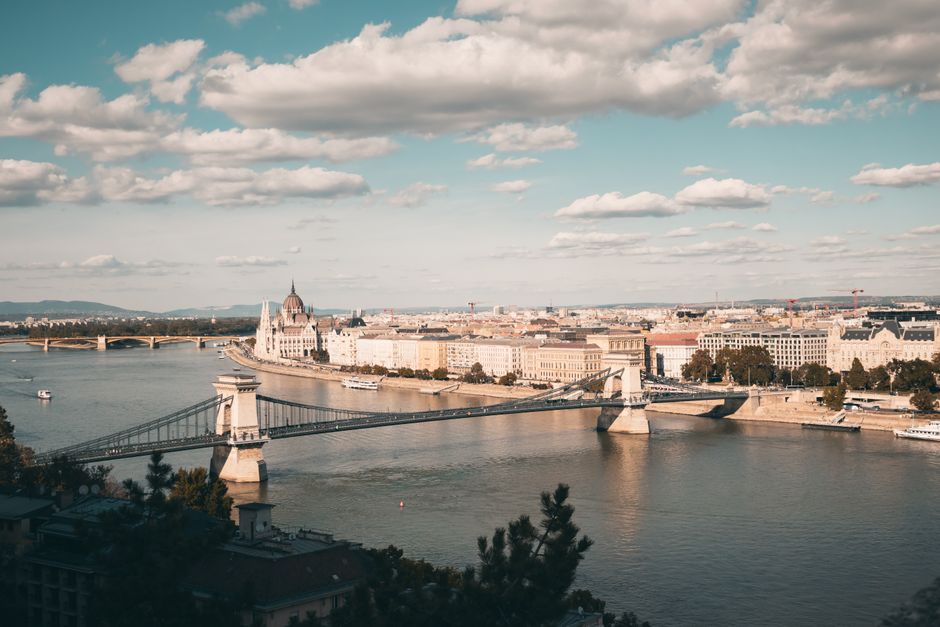
While the thermal baths are a major draw, Budapest has so much more to offer in terms of historical sites and cultural experiences. Here are a few of my favorites:
- Buda Castle: Perched high on Castle Hill, Buda Castle is a UNESCO World Heritage Site and a must-see for any visitor. Explore the Royal Palace, wander through the courtyards, and enjoy breathtaking views of the city. The Hungarian National Gallery and the Budapest History Museum are also located within the castle complex.
- Hungarian Parliament Building: This magnificent Neo-Gothic building is one of the most iconic landmarks in Budapest. Take a guided tour to see the stunning interior, including the Hungarian Crown Jewels. The building is especially beautiful when illuminated at night.
- Fisherman's Bastion: Located near Buda Castle, Fisherman's Bastion is a fairytale-like structure with conical towers and panoramic views of the Danube and the Pest side of the city. It's a popular spot for photos, especially at sunset.
- St. Stephen's Basilica: This impressive basilica is the largest church in Budapest. Climb to the top of the dome for stunning 360-degree views of the city. You can also visit the treasury to see religious artifacts and artworks.
- Heroes' Square: This grand square is dedicated to the leaders of the seven Magyar tribes who led the Hungarian people to their present-day homeland. It features impressive statues and monuments and is a popular spot for events and festivals.
- Dohány Street Synagogue: Also known as the Great Synagogue, this is the largest synagogue in Europe and a significant historical site. It's a beautiful building with a somber history, as it was part of the Jewish ghetto during World War II.
- House of Terror: This museum is a sobering reminder of the horrors of both the Nazi and Communist regimes in Hungary. It's a powerful and moving experience that offers insight into the country's difficult past.
- Margaret Island: This tranquil island in the middle of the Danube is a perfect escape from the hustle and bustle of the city. It features parks, gardens, walking paths, and even a thermal hotel. It's a great place to relax, exercise, or simply enjoy nature.
Food, Glorious Food: Indulging in Hungarian Cuisine

No trip to Budapest is complete without indulging in some traditional Hungarian cuisine. Get ready for hearty dishes, rich flavors, and plenty of paprika! Here are a few must-try dishes:
- Goulash (Gulyás): This iconic Hungarian stew is made with beef, onions, paprika, and other spices. It's a hearty and flavorful dish that's perfect for a cold day.
- Chicken Paprikash (Csirkepaprikás): This creamy chicken stew is another classic Hungarian dish. It's made with chicken, onions, paprika, and sour cream.
- Lángos: This deep-fried flatbread is a popular street food in Hungary. It's typically topped with sour cream and cheese, but you can also add other toppings like garlic sauce, ham, or sausage.
- Chimney Cake (Kürtőskalács): This sweet pastry is made by wrapping dough around a cone-shaped spit and roasting it over an open fire. It's typically coated in sugar, cinnamon, or walnuts.
- Dobos Torte: This layered sponge cake with chocolate buttercream filling and a hard caramel topping is a classic Hungarian dessert.
Don't forget to try some local wines as well! Hungary has a rich wine-making tradition, and there are many excellent wines to choose from.
Getting Around Budapest: Easy Peasy!

Budapest is a very walkable city, especially the central districts. However, the public transportation system is also excellent and affordable. Here are some tips for getting around:
- Use the metro. The Budapest Metro is one of the oldest underground systems in the world. It's a fast and efficient way to get around the city.
- Take the tram. The trams are a great way to see the city while getting from point A to point B.
- Ride the bus. The bus network covers the entire city, including areas that are not easily accessible by metro or tram.
- Walk! As I mentioned before, Budapest is a very walkable city. Take advantage of the opportunity to explore the charming streets and discover hidden gems.
Final Thoughts: Budapest Awaits!

Budapest is a city that truly has it all: stunning architecture, rich history, rejuvenating thermal baths, delicious food, and a vibrant culture. Whether you're a history buff, a spa enthusiast, a foodie, or simply looking for a unique travel experience, Budapest will not disappoint. I hope this article has inspired you to plan your own trip to this incredible city. So, pack your bags, grab your swimsuit, and get ready to experience the magic of Budapest!
Post a Comment