Lithuania Beyond Vilnius: Unveiling Hidden Gems & Authentic Experiences
Lithuania Beyond Vilnius: Unveiling Hidden Gems & Authentic Experiences
Okay, so you're thinking about Lithuania, right? Chances are, Vilnius is the first place that pops into your head. And for good reason! Vilnius is a stunning city, packed with history, culture, and those charming, cobblestone streets that just beg to be photographed. But trust me, Lithuania is SO much more than just its capital. I want to take you on a journey today, beyond the usual tourist trail, to discover the hidden gems and authentic experiences that this beautiful country has to offer. Let's explore Lithuania beyond Vilnius!
Coastal Charm: Klaipėda and the Curonian Spit
First things first, let's head west to the coast! Lithuania's seaside might be small compared to some other European countries, but it's incredibly beautiful and totally worth exploring. The main coastal city is Klaipėda, and it's a delightful blend of Lithuanian and German influences. Why German? Well, Klaipėda (formerly Memel) was part of Germany for centuries, and you can still see the architectural legacy in the city's charming, half-timbered houses and organized layout.
Klaipėda is more than just a pretty face though. It's a bustling port city, and you can feel the maritime spirit in the air. Wander along the Dane River, watch the ferries and cargo ships come and go, and soak in the atmosphere. Here are a few things you absolutely must do in Klaipėda:
- Explore the Old Town: Get lost in the maze of cobblestone streets, admire the architecture, and discover hidden courtyards. Look for the "Magic Mouse" statue – legend says it grants wishes!
- Visit the Lithuanian Sea Museum and Dolphinarium: This is a fantastic place to learn about the Baltic Sea ecosystem and, of course, see the adorable dolphins perform. It's especially great if you're traveling with kids.
- Take a stroll along the Melnragė beach: Just a short bus ride from the city center, Melnragė offers a beautiful sandy beach and stunning views of the Baltic Sea. It's perfect for a relaxing afternoon.
- Indulge in some local seafood: Klaipėda is known for its fresh seafood, so be sure to try some smoked fish, herring, or other local delicacies. You won't be disappointed!
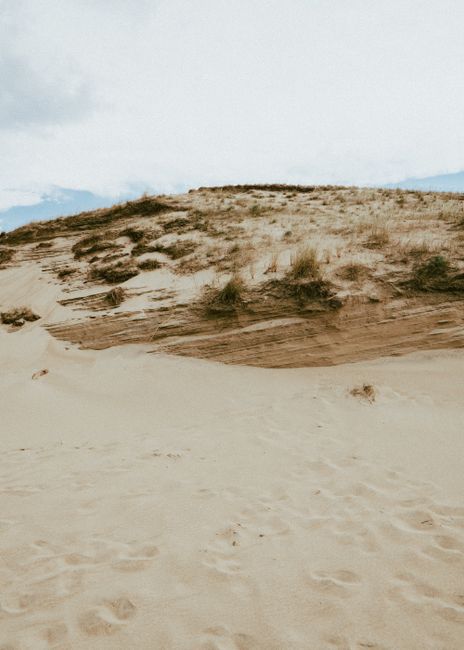
Now, the real magic happens just a short ferry ride away from Klaipėda: the Curonian Spit (Kursiu Nerija). Imagine a narrow, sandy peninsula stretching for almost 100 kilometers, separating the Curonian Lagoon from the Baltic Sea. That's the Curonian Spit, a UNESCO World Heritage Site and one of the most breathtaking landscapes I've ever seen. Seriously, pictures don't do it justice.
The Curonian Spit is all about nature. Towering sand dunes, pine forests, and pristine beaches await. Here's what to expect:
- Climbing the Parnidis Dune: This is a must! It's the second highest dune in Europe and offers panoramic views of the lagoon, the sea, and the surrounding landscape. Trust me, the climb is worth it.
- Visiting Juodkrantė: This charming fishing village is home to the Hill of Witches, a unique open-air museum featuring wooden sculptures of witches and other folklore characters. It's a bit quirky, but definitely memorable.
- Exploring Nida: The largest settlement on the Curonian Spit, Nida is a picturesque town with colorful wooden houses, art galleries, and plenty of restaurants and cafes. It's a great place to relax and soak in the atmosphere.
- Simply relax on the beach: The beaches on the Curonian Spit are some of the most beautiful in Lithuania. Pack a picnic, find a secluded spot, and enjoy the peace and tranquility.
To get around the Curonian Spit, you can rent a bike, take a bus, or drive (although be aware that there's a fee for vehicles). I personally loved cycling – it's a great way to explore the area at your own pace and discover hidden trails.
Kaunas: A Modern Metropolis with a Rich History

Next up, let's head inland to Kaunas, Lithuania's second-largest city. Often overshadowed by Vilnius, Kaunas is a vibrant and dynamic city with a unique character. It served as Lithuania's temporary capital between the World Wars, and this period left a lasting mark on the city's architecture and culture.
Kaunas is a city of contrasts. On one hand, you have the beautifully restored Old Town, with its medieval castle, charming squares, and historic churches. On the other hand, you have the modern city center, with its contemporary architecture, bustling shopping streets, and vibrant nightlife.
Here's what you shouldn't miss in Kaunas:
- Kaunas Castle: This medieval castle, located at the confluence of the Nemunas and Neris rivers, is one of the oldest and most important historical landmarks in Lithuania.
- Pažaislis Monastery: A stunning example of Baroque architecture, this monastery is located just outside of Kaunas and is well worth a visit. The intricate stucco work and beautiful frescoes are truly breathtaking.
- Laisvės alėja (Liberty Avenue): This pedestrian street is the heart of Kaunas and is lined with shops, restaurants, cafes, and theaters. It's a great place to people-watch and soak in the city's atmosphere.
- The Ninth Fort: This former fortress was used by the Nazis during World War II as a site of mass executions. Today, it serves as a museum and memorial to the victims of the Holocaust. It's a sobering but important place to visit.
- Street Art: Kaunas has a thriving street art scene, with colorful murals and graffiti adorning buildings throughout the city. Take a walk around the city and see what you can discover.
- Žaliakalnis Funicular: One of the oldest funiculars in Europe, offering stunning views of the city. It's a fun and unique way to get to the top of Žaliakalnis hill.
Kaunas is also a great place to experience Lithuanian culture. The city has a thriving arts scene, with numerous theaters, museums, and galleries. Be sure to check out the M.K. Čiurlionis National Art Museum, which houses the works of Lithuania's most famous artist and composer.
Trakai: Island Castle and Kibinai Paradise
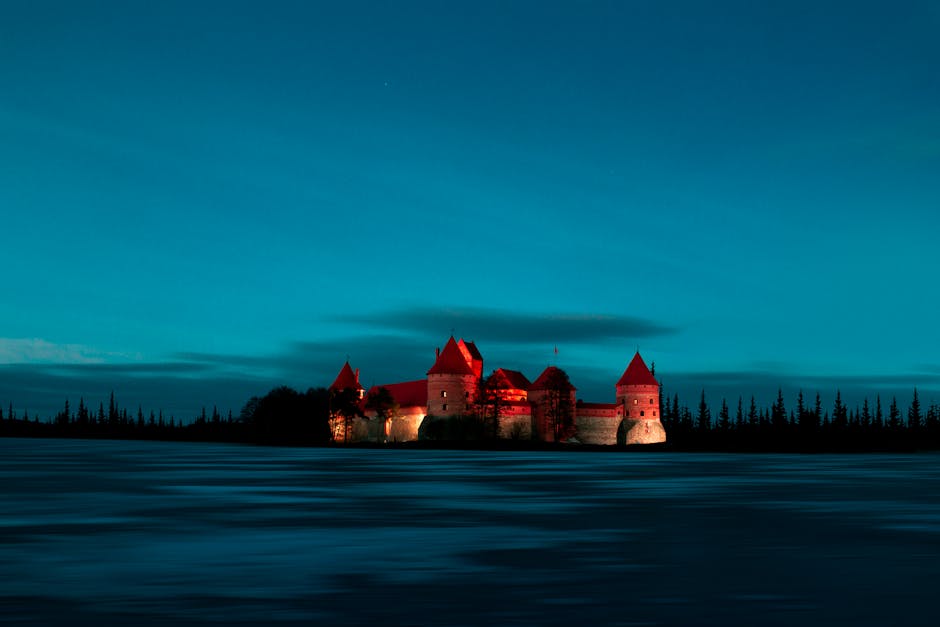
No trip to Lithuania would be complete without a visit to Trakai, a charming town located just a short distance from Vilnius. Trakai is famous for its stunning island castle, which is perched on an island in Lake Galvė and is one of the most iconic landmarks in Lithuania.
The castle was built in the 14th century by Grand Duke Vytautas the Great and served as one of the main residences of the Lithuanian rulers. Today, it's a museum showcasing the history and culture of Trakai and Lithuania.
Beyond the castle, Trakai is also known for its Karaite community. The Karaites are a small ethnic group who were brought to Trakai by Vytautas the Great in the 14th century. They have their own unique language, religion, and traditions, which have been preserved in Trakai for centuries.
One of the most delicious aspects of Karaite culture is their cuisine, particularly their kibinai. Kibinai are savory pastries filled with meat, vegetables, or cheese, and they are an absolute must-try when visiting Trakai. Trust me, you'll want to eat more than one!
Here are some things to do in Trakai:
- Visit Trakai Island Castle: Explore the castle's museum, climb the towers for panoramic views, and learn about the history of Trakai.
- Explore the Karaite Quarter: Wander through the streets of the Karaite quarter, admire the traditional wooden houses, and visit the Karaite Kenesa (synagogue).
- Try Kibinai: Sample the famous Karaite pastries at one of the many restaurants and cafes in Trakai.
- Take a boat trip on Lake Galvė: Enjoy the beautiful scenery of the lake and surrounding islands.
- Visit Užutrakis Manor: A beautifully restored manor house with stunning gardens, located on the shores of Lake Galvė.
Druskininkai: A Spa Town for Relaxation and Rejuvenation

If you're looking for a place to relax and rejuvenate, then head to Druskininkai, Lithuania's premier spa town. Located in the south of the country, Druskininkai is known for its mineral springs, mud baths, and sanatoriums. For generations, people have come here to take advantage of the healing properties of the local waters.
But Druskininkai is more than just a spa town. It's also a beautiful place to explore, with lush forests, picturesque lakes, and a charming town center. Here's what you can do:
- Visit the Aqua Park: One of the largest water parks in Eastern Europe, offering a variety of pools, slides, and saunas.
- Explore Grūtas Park: A unique and controversial park featuring Soviet-era statues and monuments. It's a fascinating and thought-provoking place to visit.
- Take a walk along the Nemunas River: Enjoy the beautiful scenery of the river and surrounding forests.
- Visit the Snow Arena: An indoor ski resort, open year-round, offering skiing, snowboarding, and other winter sports.
- Simply relax and enjoy the spa treatments: Indulge in a massage, mud bath, or other spa treatment at one of the many sanatoriums and spas in Druskininkai.
Druskininkai is the perfect place to escape the hustle and bustle of city life and reconnect with nature. Whether you're looking for relaxation, adventure, or a bit of both, you'll find it in this charming spa town.
Exploring the Hill of Crosses

Finally, let's travel to the Hill of Crosses (Kryžių kalnas), near the city of Šiauliai. While it might sound simple, it's actually a profoundly moving and spiritual place. This is not just a pile of crosses; it's a testament to the resilience and faith of the Lithuanian people. For centuries, pilgrims have come here to place crosses as symbols of their prayers, hopes, and memories.
The exact origins of the Hill of Crosses are unclear, but it's believed to have started after the 1831 uprising against Tsarist Russia. Over time, the hill grew into a symbol of Lithuanian identity and resistance, especially during the Soviet era. Despite attempts by the Soviet authorities to destroy it, the Hill of Crosses continued to grow, and today it's estimated to contain hundreds of thousands of crosses of all shapes and sizes.
Walking among the crosses, you can feel the weight of history and the power of faith. It's a truly unique and unforgettable experience.
Beyond the Highlights: Discovering Your Own Lithuania

This is just a taste of what Lithuania has to offer beyond Vilnius. There are countless other hidden gems waiting to be discovered: small towns with charming churches, national parks with stunning scenery, and friendly locals eager to share their culture.
The best way to explore Lithuania is to get off the beaten path and venture into the countryside. Rent a car, hop on a bus, or even try cycling – and just see where the road takes you. You might be surprised at what you discover.
Here are some tips for exploring Lithuania beyond Vilnius:
- Learn a few basic Lithuanian phrases: While many people in Lithuania speak English, especially in the cities, knowing a few basic phrases in Lithuanian will go a long way.
- Be prepared for all types of weather: The weather in Lithuania can be unpredictable, so be sure to pack layers and be prepared for rain, sun, and wind.
- Try the local cuisine: Lithuanian cuisine is hearty and delicious, so be sure to try some traditional dishes like cepelinai (potato dumplings), šaltibarščiai (cold beetroot soup), and kugelis (potato pudding).
- Talk to the locals: The Lithuanian people are friendly and welcoming, so don't be afraid to strike up a conversation and ask for recommendations.
- Respect the local customs and traditions: Lithuania has a rich cultural heritage, so be sure to respect the local customs and traditions.
So, there you have it! Lithuania is a country full of surprises, and I hope this article has inspired you to explore beyond Vilnius and discover the hidden gems and authentic experiences that await. From the coastal charm of Klaipėda and the Curonian Spit to the modern metropolis of Kaunas and the spiritual Hill of Crosses, Lithuania has something to offer everyone.
Go explore, have an adventure, and create your own unforgettable memories in Lithuania! You won't regret it. I promise!
Post a Comment