Malta Island: A Journey Through History & Sun-Kissed Mediterranean Beauty

Malta Island: A Journey Through History & Sun-Kissed Mediterranean Beauty
Hey there! Have you ever dreamt of stepping back in time while basking in the warm Mediterranean sun? Well, let me tell you about Malta, an island nation that absolutely blew me away. It's a place where history whispers from every stone, where the sea shimmers in a hundred shades of blue, and where the people greet you with a warmth that makes you feel instantly at home. I'm so excited to share my experiences and insights about this incredible destination with you. Get ready to dive into Malta's rich past and uncover its breathtaking beauty!
A Crossroads of Civilizations: Malta's Historical Tapestry
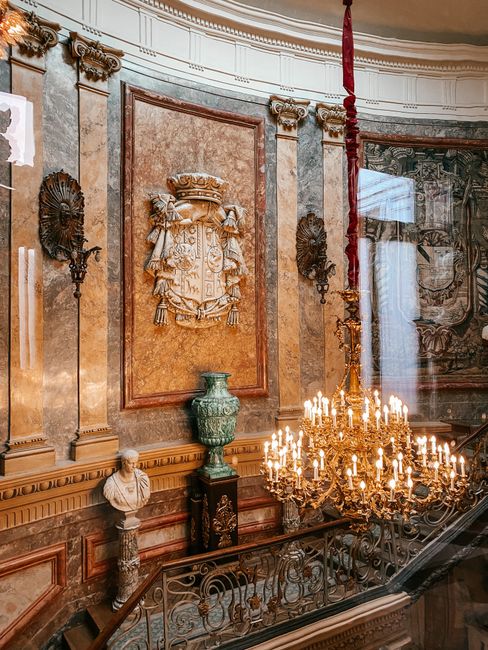
Malta's history is truly epic. Positioned strategically in the heart of the Mediterranean, it's been a coveted prize for empires for millennia. Seriously, think about it: Phoenicians, Romans, Arabs, Normans, the Knights of St. John, the French, and the British – they've all left their mark here! Walking around Malta is like flipping through the pages of a giant history book, each layer more fascinating than the last.
Ancient Roots: Let's start at the very beginning, with the prehistoric inhabitants. Malta is home to some of the oldest freestanding structures in the world – the Megalithic Temples. I'm talking about structures older than Stonehenge and the Egyptian pyramids! Places like Ġgantija on Gozo (Malta's sister island) are absolutely mind-blowing. Standing amidst these massive stones, I couldn't help but feel a connection to something ancient and profound.
Phoenicians and Romans: The Phoenicians, those master seafarers, arrived around 800 BC and used Malta as a trading post. Then came the Romans, who called the islands Melita and Gaulos (Malta and Gozo respectively). You can still see remnants of Roman life, like the Roman Villa near Mdina. It's incredible to imagine everyday life here centuries ago.
The Knights of St. John: Malta's Golden Age
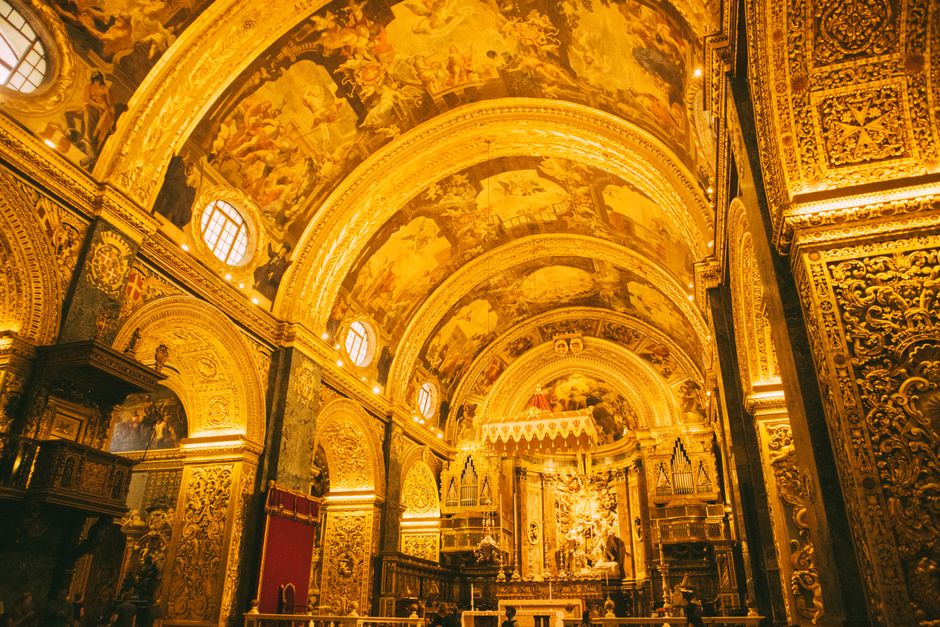
Now, let's talk about the Knights of St. John – a pivotal period in Maltese history. In 1530, Emperor Charles V gave Malta to the Knights, a Roman Catholic military order, in exchange for a symbolic fee of one Maltese falcon per year (sound familiar, movie buffs?). This marked the beginning of Malta's golden age. The Knights transformed the island into a fortress and a center of art and culture.
Valletta: They built Valletta, the capital city, a UNESCO World Heritage site. It's a stunning example of Baroque architecture. Honestly, wandering through Valletta is like stepping onto a movie set. The Grand Master's Palace, St. John's Co-Cathedral (prepare to be amazed by the opulent interior!), and the Upper Barrakka Gardens (with its incredible harbor views) are just a few of the must-sees. I spent hours simply wandering the streets, soaking in the atmosphere.
The Great Siege of Malta: Of course, the Knights' reign wasn't without its challenges. In 1565, the Ottoman Empire launched a massive invasion, known as the Great Siege of Malta. The Knights, against all odds, managed to defend the island. This victory was a turning point in the struggle between Christendom and the Ottoman Empire and solidified Malta's strategic importance. Walking the ramparts and imagining the fierce battles that took place here is truly humbling.
British Influence and Modern Malta

The Knights ruled Malta until Napoleon Bonaparte captured the island in 1798. However, the Maltese people, with British support, ousted the French just two years later. Malta voluntarily became part of the British Empire in 1800, becoming a vital naval base, particularly during World War II.
World War II: Malta played a crucial role in the Allied war effort. Its strategic location made it a target for intense bombing raids. The island suffered immense damage, but the Maltese people persevered, earning the George Cross for their bravery. You can visit the Lascaris War Rooms, an underground complex that served as the Allied headquarters during the war, to get a sense of the hardships they endured.
Independence: Malta finally gained independence in 1964 and became a republic in 1974. Today, it's a thriving member of the European Union, balancing its rich history with a modern outlook.
Mediterranean Beauty: More Than Just History

Okay, so Malta's history is incredible, but let's not forget its breathtaking natural beauty! The island is surrounded by crystal-clear turquoise waters, dotted with stunning beaches and dramatic cliffs. It's a paradise for sunbathers, swimmers, divers, and anyone who loves being by the sea.
Beaches and Bays: Malta offers a variety of beaches, from sandy stretches like Golden Bay and Mellieha Bay to secluded coves perfect for snorkeling. I spent a blissful afternoon at the Blue Lagoon on Comino (another small island just off Malta), swimming in the impossibly blue water. It's touristy, yes, but the beauty is undeniable. For a more relaxed vibe, check out Ghajn Tuffieha, a beautiful sandy beach backed by clay cliffs.
Diving and Snorkeling: If you're a diver or snorkeler, Malta is a dream come true. The clear waters are teeming with marine life, and there are numerous wrecks to explore, including the Um El Faroud, a Libyan tanker scuttled as an artificial reef. Even just snorkeling in the shallow waters, I saw colorful fish, starfish, and even the occasional octopus!
Coastal Walks: For those who prefer exploring on foot, Malta offers stunning coastal walks. The Dingli Cliffs, the highest point in Malta, offer panoramic views of the Mediterranean Sea. The walk along the cliffs is breathtaking, especially at sunset. You can also hike along the coast of Gozo, discovering hidden coves and dramatic rock formations. I felt so invigorated by the fresh sea air and the stunning scenery.
Exploring the Maltese Islands: Gozo and Comino

Don't just stick to Malta! Gozo and Comino, Malta's sister islands, are definitely worth a visit. Each island has its own unique charm and offers a different perspective on Maltese life.
Gozo: Gozo is more rural and laid-back than Malta. It's known for its stunning landscapes, including the Azure Window (sadly, it collapsed in 2017, but the diving around the site is still incredible) and the Cittadella, a fortified city in the heart of the island. I loved exploring the charming villages, sampling the local Gozitan cheese, and simply relaxing in the peaceful atmosphere. To get there, take a short ferry ride from Malta.
Comino: Comino is the smallest of the three islands and is famous for the Blue Lagoon. As I mentioned before, the water here is unbelievably clear and turquoise. While it can get crowded during peak season, it's still worth a visit for a swim and a snorkel. There are also some nice hiking trails on the island if you want to escape the crowds.
Practical Tips for Your Maltese Adventure

So, you're ready to book your trip to Malta, right? Here are a few practical tips to help you plan your adventure:
- Best Time to Visit: Spring (April-May) and Autumn (September-October) are ideal. The weather is warm and sunny, but not too hot, and the crowds are smaller than in the peak summer months.
- Getting Around: Public transport is relatively inexpensive, but can be slow. Renting a car is a good option if you want to explore the islands at your own pace. Be aware that they drive on the left! Ferries are the best way to get between the islands.
- Accommodation: Malta offers a wide range of accommodation options, from budget-friendly hostels to luxury hotels. Valletta and Sliema are popular choices, but consider staying in quieter towns like Mdina or St. Julian's if you prefer a more relaxed atmosphere.
- Food and Drink: Maltese cuisine is a delicious blend of Mediterranean and North African flavors. Try the rabbit stew (Stuffat tal-Fenek), pastizzi (savory pastries filled with ricotta cheese or mushy peas), and fresh seafood. Don't forget to sample the local wines!
- Language: Maltese and English are the official languages. You'll find that most people speak English fluently, making it easy to communicate.
- Currency: The Euro (€) is the currency.
Why Malta Captures the Heart

My trip to Malta was more than just a vacation; it was an immersion into a rich history and a celebration of Mediterranean beauty. It's the kind of place that gets under your skin and stays with you long after you've left. From exploring ancient temples to swimming in crystal-clear waters, from wandering through Baroque cities to enjoying delicious local cuisine, Malta offers something for everyone.
I think what makes Malta truly special is the combination of its history, its beauty, and its people. The Maltese are incredibly welcoming and proud of their heritage. They're always happy to share their stories and traditions with visitors. It's this warmth and hospitality that made my trip so memorable.
So, if you're looking for a destination that offers a unique blend of history, culture, and natural beauty, I highly recommend Malta. It's a place that will surprise you, delight you, and leave you wanting more. Trust me, you won't regret it!
Post a Comment