Moscow: Russia's Beating Heart - History, Culture, and Modern Marvels

Moscow: Russia's Beating Heart - History, Culture, and Modern Marvels
Moscow. Just the name conjures images of grand cathedrals, imposing fortresses, and a history stretching back centuries. It's a city that's both ancient and modern, a place where the past whispers from every cobblestone while the future roars in the form of sleek skyscrapers. I've always been fascinated by Moscow, and after several visits, I can honestly say it's a city that gets under your skin. It's more than just Russia's capital; it's the country's cultural, economic, and political heart. Let me share some of my favorite things about this incredible place, weaving in a bit of its history along the way.
A Journey Through Time: Moscow's Rich History

Moscow's story is a long and complex one, filled with tsars, revolutions, and periods of incredible growth and resilience. It all started modestly enough, back in the 12th century. Think of it – long before it was the sprawling metropolis we know today, Moscow was a small, fortified settlement nestled in the forests.
Early Beginnings: Legend has it that Prince Yuri Dolgoruky founded Moscow in 1147. This early settlement grew strategically due to its location at the intersection of important trade routes. Its position provided natural defenses and access to waterways, contributing to its gradual rise to prominence.
Center of Power: Over the centuries, Moscow slowly but surely gained power and influence. A pivotal moment came in the 14th century when the Metropolitan See of the Russian Orthodox Church moved to Moscow, solidifying its religious importance. This was also the era of the Grand Duchy of Moscow, as the city began to assert itself as the dominant force in the region. The Mongol yoke, a period of Tatar-Mongol rule, began to crumble and Moscow became the rallying point for a unified Russia.
The Tsarist Era: The 16th century saw Ivan the Terrible proclaim himself the first Tsar of Russia, further cementing Moscow's status as the center of the Russian state. This was a time of both expansion and turmoil, with the construction of iconic landmarks like St. Basil's Cathedral, a dazzling testament to Russian architectural genius. The Time of Troubles, a period of political and social chaos, shook the foundations of the country, but Moscow ultimately emerged as the undisputed capital.
Moving the Capital and Back Again: In the 18th century, Peter the Great famously moved the capital to St. Petersburg, a new city built on the Baltic Sea, intended to be a window to the West. However, Moscow retained its cultural and spiritual significance. It wasn't until after the Russian Revolution in 1918 that Moscow reclaimed its status as the capital, becoming the heart of the Soviet Union.
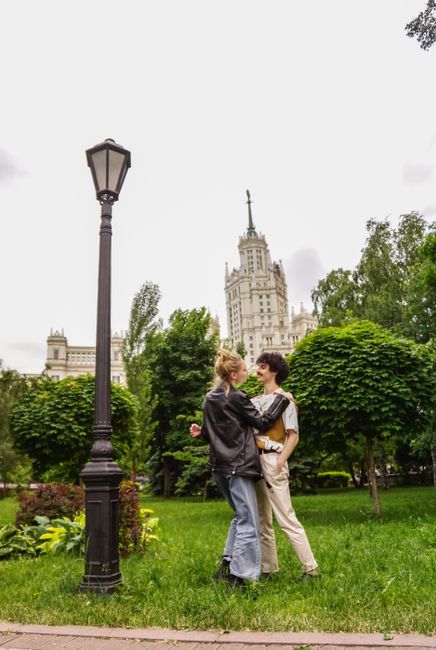
The Soviet Era and Beyond: The Soviet era brought monumental changes to Moscow, with the construction of grand Stalinist architecture, like the "Seven Sisters" skyscrapers, which still dominate the skyline. World War II left its scars, but the city rebuilt and continued to grow. The collapse of the Soviet Union in 1991 ushered in a new era of capitalism and rapid modernization, transforming Moscow into the vibrant and dynamic city we see today.
Must-See Landmarks: Exploring the Heart of Moscow

When you visit Moscow, there are certain places that are simply unmissable. These landmarks aren't just pretty pictures; they're steeped in history and culture, offering a glimpse into the soul of the city.
1. The Red Square and the Kremlin: This is, without a doubt, the heart of Moscow. Walking onto Red Square for the first time is a truly awe-inspiring experience. The sheer scale of the space, surrounded by such iconic structures, is breathtaking. I remember feeling a sense of history washing over me.
a. St. Basil's Cathedral: This iconic cathedral, with its colorful onion domes, is the postcard image of Moscow. Inside, it's a maze of chapels, each uniquely decorated. The story of Ivan the Terrible blinding the architect so he couldn't replicate its beauty elsewhere might be apocryphal, but it adds to the mystique.
b. The Kremlin: This ancient fortress is the seat of Russian power. Inside its walls, you'll find cathedrals, palaces, and museums, each telling a story of Russian history. Be sure to visit the Armoury Chamber, which houses an incredible collection of royal treasures.
c. Lenin's Mausoleum: A somewhat somber experience, but a historically significant one. You can view the embalmed body of Vladimir Lenin, the founder of the Soviet Union. It's a stark reminder of a pivotal era in Russian history.
2. Bolshoi Theatre: Attending a performance at the Bolshoi Theatre is an experience I highly recommend. It's not just about the ballet or opera; it's about immersing yourself in the grandeur and history of this world-renowned institution. The interior is opulent, and the performances are usually top-notch. Even if you're not a seasoned ballet-goer, the sheer spectacle is worth it.
3. Gorky Park: For a taste of modern Moscow, head to Gorky Park. This sprawling green space is a favorite among locals and tourists alike. You can rent a bike, stroll along the river, visit museums, or simply relax and people-watch. In the winter, it transforms into a winter wonderland, with ice rinks and festive decorations.
4. Sparrow Hills (Vorobyovy Gory): For panoramic views of the city, head to Sparrow Hills. From here, you can see the Moscow State University, one of the "Seven Sisters" skyscrapers, and a vast expanse of the city below. It's a great place to get your bearings and appreciate the scale of Moscow.
5. Moscow Metro: The Moscow Metro is more than just a transportation system; it's an underground palace. Many of the stations are adorned with mosaics, sculptures, and chandeliers, making them veritable works of art. Take some time to explore different stations; each one has its own unique character.
Culture and Arts: Experiencing Moscow's Creative Soul

Moscow is a city that breathes culture. From world-class museums to vibrant street art, there's something for every art lover.
1. Museums: The city boasts a plethora of museums covering a wide range of topics.
a. The State Tretyakov Gallery: This museum houses an extensive collection of Russian art, from ancient icons to modern masterpieces. It's a must-visit for anyone interested in Russian culture.
b. The Pushkin State Museum of Fine Arts: With its impressive collection of European art, this museum offers a fascinating contrast to the Tretyakov Gallery.
c. The Garage Museum of Contemporary Art: For a glimpse into the contemporary art scene, head to the Garage Museum in Gorky Park. It features exhibitions by both Russian and international artists.
2. Theatre and Performing Arts: Besides the Bolshoi, Moscow has a thriving theatre scene. You can find everything from classic plays to experimental performances.
3. Street Art: Keep an eye out for street art as you explore the city. While it's not as prevalent as in some other European cities, there are some hidden gems to be found, particularly in the trendy areas like Winzavod and Artplay.
4. Literary Haunts: Moscow has a rich literary history, and you can visit the former homes of famous writers like Pushkin, Tolstoy, and Chekhov. These house museums offer a fascinating glimpse into their lives and work.
Food and Drink: A Culinary Adventure in Moscow

Moscow's culinary scene has undergone a revolution in recent years. While you can still find traditional Russian dishes, the city now offers a diverse range of international cuisines and modern takes on classic recipes. Let me share some of my favorite foodie experiences.
1. Traditional Russian Cuisine: You can't visit Moscow without trying some classic Russian dishes.
a. Borscht: This hearty beetroot soup is a staple of Russian cuisine. Each region has its own variation, but it's always a flavorful and comforting dish.
b. Pelmeni: These small dumplings, filled with meat, are similar to ravioli or pierogi. They're often served with sour cream or vinegar.
c. Blini: These thin pancakes can be sweet or savory and are often served with caviar, smoked salmon, or jam.
d. Beef Stroganoff: A classic dish of sautéed beef served in a creamy sauce, typically with mushrooms and sour cream.
2. Modern Russian Cuisine: A new generation of chefs is reinventing Russian cuisine, using local ingredients and innovative techniques.
3. International Flavors: Moscow offers a wide range of international cuisines, from Georgian and Uzbek to Italian and French.
4. Drinks: Of course, we can't forget about the drinks!
a. Vodka: No trip to Russia is complete without trying vodka. There are many different brands and varieties to choose from. Remember to drink responsibly!
b. Kvass: This traditional fermented beverage is made from rye bread. It has a slightly sour and refreshing taste.
c. Tea: Russians love their tea, and it's often served with meals or as a social ritual.
Practical Tips for Visiting Moscow
Planning a trip to Moscow can seem daunting, but with a little preparation, it can be an unforgettable experience. Here are some practical tips to help you navigate the city.
1. Visa: Make sure you have the necessary visa before you travel. The process can take some time, so apply well in advance.
2. Language: While English is spoken in tourist areas, it's helpful to learn some basic Russian phrases. Even a few words like "hello" (здравствуйте - "zdravstvuyte") and "thank you" (спасибо - "spasibo") will go a long way.
3. Currency: The currency is the Russian ruble (RUB). It's best to exchange currency at official exchange offices or ATMs to get the best rates.
4. Transportation: The Moscow Metro is an efficient and affordable way to get around the city. You can buy a Troika card, which can be used on the metro, buses, and trams. Taxis are also readily available, but be sure to use a reputable app like Yandex Taxi to avoid getting overcharged.
5. Accommodation: Moscow offers a wide range of accommodation options, from budget-friendly hostels to luxury hotels. Consider staying in the city center for easy access to the main attractions.
6. Safety: Moscow is generally a safe city, but it's always wise to be aware of your surroundings and take precautions against petty theft. Be particularly careful in crowded tourist areas.
7. Dress Code: There's no strict dress code, but Russians generally dress smartly, especially when going to the theatre or a fancy restaurant. When visiting churches and monasteries, dress respectfully, covering your shoulders and knees.
8. Best Time to Visit: The best time to visit Moscow is during the shoulder seasons (spring and autumn) when the weather is mild and the crowds are smaller. Summer can be hot and crowded, while winter can be very cold, but also incredibly beautiful with snow-covered landscapes.
Moscow is a city that stays with you long after you've left. Its rich history, vibrant culture, and modern energy create a unique and unforgettable experience. I hope this glimpse into Moscow has inspired you to plan your own adventure to this incredible city. You won't be disappointed!
Post a Comment