Moscow: Russia's Heartbeat, A Journey Through History and Modern Life

Moscow: Russia's Heartbeat, A Journey Through History and Modern Life
Hey friend! Let's talk about Moscow. It's more than just Russia's capital; it's a vibrant, breathing testament to centuries of history, culture, and resilience. I've spent a good chunk of time there, and let me tell you, it's a city that gets under your skin. From the majestic Red Square to the quiet, leafy boulevards, Moscow is a constant surprise, a place where the past and the present dance a captivating tango.
A Glimpse into Moscow's Origins: More Than Just a City

So, how did this mega-city even come to be? The story starts way back in the 12th century. Picture this: a small wooden fortress nestled on Borovitsky Hill, overlooking the Moskva River. That, my friend, was the humble beginning of Moscow. Legend has it that Prince Yuri Dolgoruky, a powerful ruler from the Vladimir-Suzdal principality, founded the city in 1147. It was strategically located at the crossroads of important trade routes, which helped it quickly grow in importance.
Initially, Moscow was a smaller player compared to other powerful Russian cities like Kiev and Vladimir. But fate, as it often does, had other plans. The Mongol invasion in the 13th century devastated many existing centers of power, and Moscow, relatively unscathed, emerged as a leading force. Its princes, shrewd politicians and strategists, cleverly navigated the complex power dynamics of the time, slowly consolidating their control over surrounding territories.
The real turning point came in the 14th century when the Metropolitan See of the Russian Orthodox Church moved to Moscow. This gave the city immense religious and political authority, solidifying its position as the spiritual center of Russia. From then on, Moscow's star was firmly on the rise. It became the gathering point for Russian lands, the nucleus around which a unified Russian state would eventually form.
Moscow's Rise to Power: From Principality to Tsardom
The 15th century witnessed Moscow's transformation from a regional power to the center of a burgeoning Russian state. Under the rule of Ivan III, also known as Ivan the Great, Moscow threw off the shackles of Mongol rule and declared itself independent. This was a pivotal moment in Russian history, and Moscow was at the heart of it all. Ivan III also embarked on a massive construction project, rebuilding the Kremlin into the imposing fortress we know today. He invited Italian architects and artisans, who brought with them the latest Renaissance styles, giving Moscow a distinctly European flair.
The next century, the 16th, brought even more momentous changes. Ivan IV, later known as Ivan the Terrible, officially crowned himself Tsar of All Russia in 1547. This marked the formal establishment of the Tsardom of Russia, with Moscow as its undisputed capital. Ivan IV was a complex figure, known for both his reforms and his brutality. During his reign, Russia expanded its territory significantly, conquering vast new lands to the east and south. He also oversaw the construction of St. Basil's Cathedral, a breathtaking architectural masterpiece that remains one of Moscow's most iconic landmarks.
However, Ivan IV's reign was also marked by a period of instability and terror, known as the "Time of Troubles." After his death, Russia plunged into a period of political chaos and social unrest. Foreign powers, including Poland and Sweden, intervened in Russian affairs, and the country teetered on the brink of collapse. But Moscow, even in its darkest hour, remained a symbol of Russian unity and resilience. In 1612, a patriotic army, led by Kuzma Minin and Dmitry Pozharsky, liberated Moscow from Polish occupation, paving the way for the establishment of the Romanov dynasty.
The Romanov Dynasty and the Shifting Sands of Power

The Romanovs ruled Russia for over 300 years, and Moscow remained the capital for the first century of their reign. They rebuilt and expanded the city, constructing magnificent palaces, churches, and public buildings. However, the winds of change were blowing. Peter the Great, a visionary and ambitious ruler, had his sights set on modernizing Russia and opening it up to the West. He believed that Moscow, with its traditional ways, was holding Russia back. So, in 1712, he made a bold decision: he moved the capital to St. Petersburg, a new city he had built on the Baltic coast, modeled after the great European capitals.
For over two centuries, St. Petersburg remained the capital of Russia, and Moscow faded somewhat into the background. But it never lost its historical significance or its cultural importance. It remained the spiritual heart of Russia, a center of trade, industry, and education. It was also a hotbed of intellectual and political ferment, where new ideas and revolutionary movements took root.
Moscow in the Soviet Era: A City Transformed
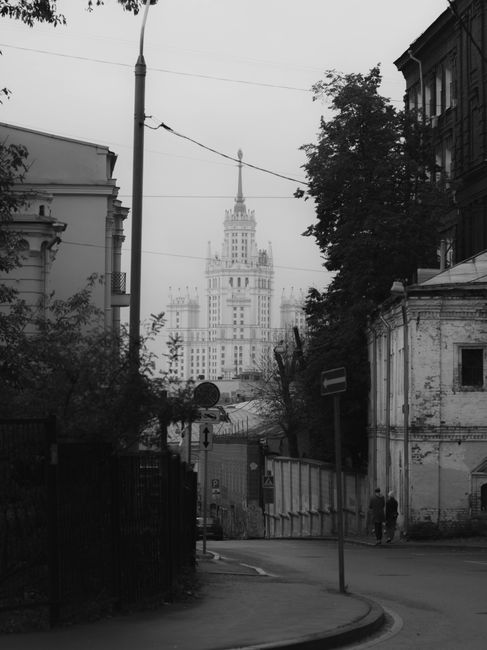
The 20th century brought dramatic changes to Russia, and Moscow was once again thrust into the spotlight. The Russian Revolution of 1917 overthrew the Tsarist regime, and in 1918, Moscow was declared the capital of the newly formed Soviet Union. The city underwent a radical transformation, reflecting the ideology and ambitions of the new communist state. Grand boulevards were widened, imposing Stalinist buildings were constructed, and churches and monasteries were demolished or repurposed.
Moscow became the center of Soviet power, a symbol of the communist utopia that the Bolsheviks were trying to create. It was a city of grand parades, mass rallies, and ambitious construction projects. But it was also a city of shortages, political repression, and constant surveillance. Life in Moscow during the Soviet era was a complex and often contradictory experience, a mix of idealism and hardship.
During World War II, Moscow stood firm against the Nazi invaders. The Battle of Moscow was one of the most crucial battles of the war, and the city's determined defense helped to turn the tide against the German army. The war left a deep scar on Moscow, but the city quickly rebuilt and continued to grow.
Modern Moscow: A City in Transition
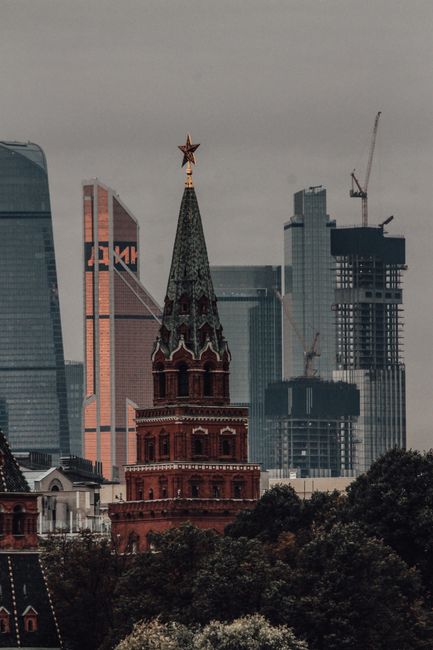
The collapse of the Soviet Union in 1991 marked another turning point in Moscow's history. The city embraced capitalism with a vengeance, and it underwent a rapid transformation. New businesses sprang up, foreign investment poured in, and the city skyline was dramatically altered with the construction of modern skyscrapers. Moscow became a symbol of Russia's new wealth and ambition, a bustling metropolis with a vibrant cultural scene and a thriving economy.
Today, Moscow is a city of contrasts. It's a place where you can find ancient churches nestled next to modern skyscrapers, where traditional Russian cuisine is served alongside international delicacies, and where the echoes of the past mingle with the sounds of the present. It's a city that is constantly changing and evolving, a place that is both exciting and challenging to live in.
Exploring Moscow: My Personal Recommendations
Okay, so you're planning a trip to Moscow? Awesome! Here are a few of my must-see recommendations, based on my own experiences:
- Red Square and the Kremlin: This is the heart of Moscow, and no trip is complete without a visit to these iconic landmarks. Walk along the cobblestones of Red Square, marvel at the colorful domes of St. Basil's Cathedral, and explore the ancient cathedrals and palaces within the Kremlin walls.
- St. Basil's Cathedral: Seriously, pictures don't do it justice. This architectural marvel is a feast for the eyes, a whimsical and vibrant expression of Russian artistry. Try to go inside – the interior is just as impressive as the exterior.
- GUM Department Store: Even if you're not a shopper, GUM is worth a visit for its stunning architecture and opulent interior. It's a beautiful example of late 19th-century design, and it offers a glimpse into Moscow's glamorous past.
- The Moscow Metro: More than just a transportation system, the Moscow Metro is an underground museum. Each station is uniquely decorated with mosaics, sculptures, and stained glass, reflecting the Soviet era's focus on art and public spaces. Take a ride during off-peak hours to avoid the crowds and appreciate the beauty of the stations.
- Tretyakov Gallery: If you're an art lover, the Tretyakov Gallery is a must-see. It houses one of the world's finest collections of Russian art, spanning centuries of creativity and innovation.
- Bolshoi Theatre: Catching a performance at the Bolshoi Theatre is an unforgettable experience. Whether you're a fan of ballet or opera, the Bolshoi's productions are world-class.
- Izmailovo Kremlin: This colorful cultural complex is a fun and quirky place to explore. It features traditional Russian architecture, craft workshops, museums, and even a vodka museum!
- Gorky Park: Perfect for a stroll, a bike ride, or just relaxing by the Moskva River. Gorky Park is a popular spot for locals and tourists alike, offering a variety of activities and events.
- Sparrow Hills (Vorobyovy Gory): Head to Sparrow Hills for panoramic views of the city. It's a great place to take photos and soak in the atmosphere of Moscow.
- Explore the neighborhoods: Don't just stick to the main tourist attractions. Take some time to wander through the city's diverse neighborhoods, each with its own unique character and charm. From the trendy cafes of Patriarch Ponds to the historic streets of Zamoskvorechye, there's something for everyone to discover.
Tips for Visiting Moscow
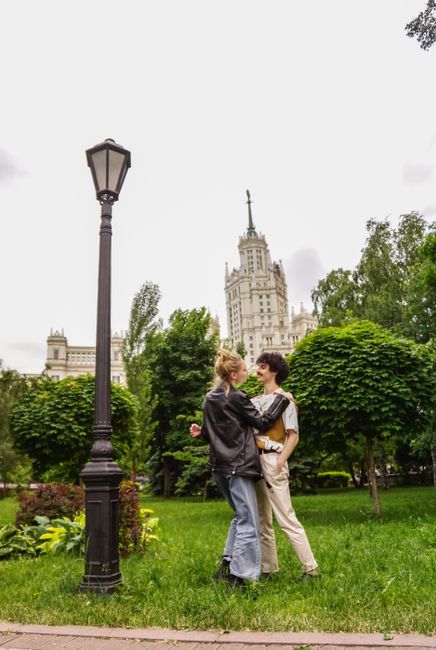
Traveling to a new city can be daunting, so here are a few tips to make your Moscow experience smoother:
- Learn a few basic Russian phrases: While many people in Moscow speak English, knowing a few basic Russian phrases will go a long way. Even just knowing how to say "hello," "thank you," and "please" will be appreciated.
- Get a Troika card: This is a rechargeable card that can be used on the Moscow Metro, buses, trams, and trolleybuses. It's the most convenient and cost-effective way to get around the city.
- Dress appropriately: Moscow's weather can be unpredictable, so be sure to pack layers. In the winter, it can get extremely cold, so you'll need a warm coat, hat, gloves, and scarf.
- Be aware of your surroundings: As with any major city, it's important to be aware of your surroundings and take precautions against pickpockets and other petty crime.
- Try the local cuisine: Russian cuisine is hearty and delicious. Be sure to try some traditional dishes like borscht, pelmeni, and blini.
- Be prepared for crowds: Moscow is a busy city, so be prepared for crowds, especially during peak season.
- Respect local customs: Russia has its own unique customs and traditions, so be sure to respect them. For example, it's considered rude to shake hands across a threshold.
- Have fun! Moscow is an amazing city with a lot to offer, so relax, explore, and enjoy your trip.
Moscow: A City That Stays With You
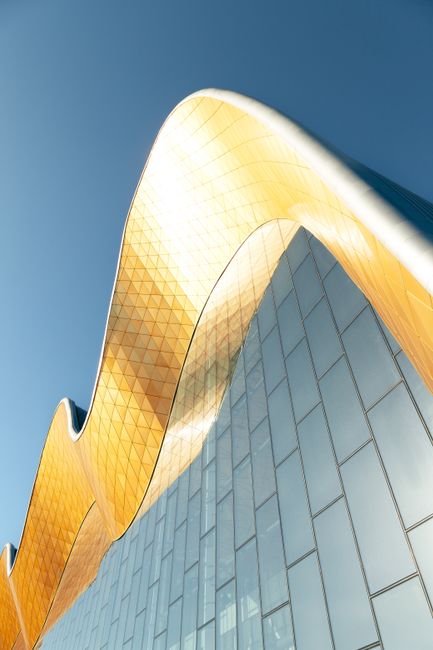
Moscow is a city that will challenge you, inspire you, and stay with you long after you've left. It's a place where history comes alive, where culture thrives, and where the spirit of Russia is palpable. I hope my little tour has given you a taste of what Moscow has to offer. If you ever get the chance to visit, don't hesitate! You won't be disappointed.
Until next time, happy travels!
Post a Comment