Romania Beyond Bucharest: Unveiling Hidden Gems & Authentic Experiences
Romania Beyond Bucharest: Unveiling Hidden Gems & Authentic Experiences
Romania, often envisioned through the lens of its bustling capital, Bucharest, holds so much more than meets the eye. It's a land where medieval citadels whisper tales of kings and queens, where the Carpathian Mountains offer breathtaking vistas, and where charming villages preserve traditions that have endured for centuries. Let's step away from the well-trodden tourist paths and discover the authentic heart of Romania, a land beyond Bucharest waiting to captivate your soul.
Beyond the Metropolis: Why Explore Further?

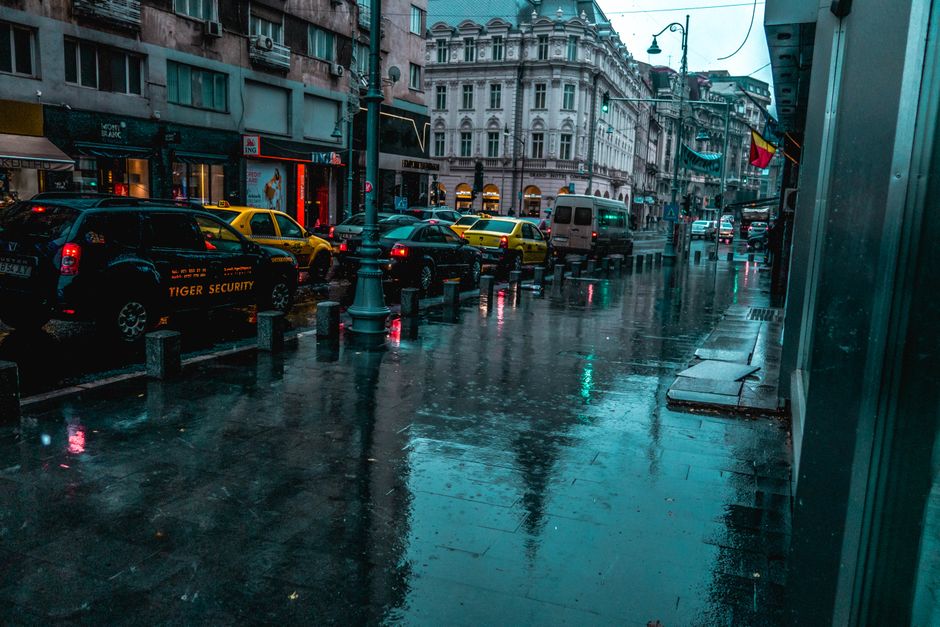
Bucharest, with its vibrant nightlife, modern architecture, and echoes of its "Little Paris" past, is undoubtedly a worthwhile experience. However, to truly understand Romania, you need to venture beyond its urban borders. Think of it like knowing a person only by their LinkedIn profile – you get a glimpse, but you miss the nuances, the passions, and the deeply personal stories that shape them.
Exploring beyond Bucharest offers a chance to:
- Experience Authentic Romanian Culture: Encounter traditions, festivals, and crafts that have been passed down through generations, untouched by modern globalization.
- Discover Stunning Natural Beauty: Hike through the majestic Carpathian Mountains, explore pristine lakes and rivers, and witness the diverse flora and fauna that call Romania home.
- Uncover Historical Treasures: Visit medieval castles, painted monasteries, and ancient Roman ruins that whisper tales of a rich and complex past.
- Escape the Crowds: Find tranquility and peace in charming villages and remote landscapes, away from the hustle and bustle of city life.
- Support Local Communities: By visiting smaller towns and villages, you're directly contributing to the economic well-being of local communities and helping to preserve their way of life.
Transylvania: More Than Just Dracula

Transylvania, synonymous with the legendary Dracula, is a region of dramatic landscapes, fortified churches, and vibrant culture. While Bran Castle (often associated with Dracula) is a popular tourist destination, there's so much more to discover. Don't let the myths overshadow the reality of this captivating region.
Here are some Transylvanian highlights:
- Medieval Cities:
- Sibiu: Named the European Capital of Culture in 2007, Sibiu boasts a stunning old town with colorful buildings, charming squares, and the iconic Liars' Bridge. I remember wandering through its narrow streets, feeling completely transported back in time. The Council Tower offers panoramic views of the city and surrounding landscapes.
- Brasov: Nestled at the foot of Mount Tampa, Brasov is a picturesque city with a rich history. The Black Church, a towering Gothic masterpiece, dominates the skyline. Take a cable car up Mount Tampa for breathtaking views of the city and surrounding Carpathian Mountains.
- Sighisoara: A UNESCO World Heritage Site, Sighisoara is a perfectly preserved medieval citadel. It's said to be the birthplace of Vlad the Impaler, the inspiration for Dracula. Walking along its cobblestone streets and exploring its fortified walls feels like stepping back in time. Don't miss the Clock Tower, which offers stunning views and a fascinating glimpse into the city's history.
- Fortified Churches: Transylvania is home to a remarkable number of fortified churches, built by Saxon communities to protect themselves from Ottoman invasions. These unique architectural marvels are a testament to the region's turbulent past. Viscri and Biertan are two excellent examples, both UNESCO World Heritage Sites.
- Turda Salt Mine: An unexpected gem, the Turda Salt Mine is an underground world of stunning salt formations, illuminated lakes, and even an amusement park. It's a truly unique and unforgettable experience. The sheer scale of the mine is awe-inspiring, and the air is said to be incredibly beneficial for respiratory health.
- The Transfagarasan Highway: Considered one of the most scenic roads in the world, the Transfagarasan Highway winds its way through the Fagaras Mountains, offering breathtaking views of the surrounding landscapes. Be prepared for hairpin turns and stunning vistas at every corner. The highway is typically open from June to October, depending on weather conditions.
Maramures: A Journey Through Time

Maramures, located in northern Romania, is a region where time seems to stand still. Known for its wooden churches, intricate wood carvings, and traditional way of life, Maramures offers a glimpse into a world that has largely disappeared elsewhere. This is where you can truly connect with the soul of Romania.
What makes Maramures so special?
- Wooden Churches: Eight wooden churches in Maramures are UNESCO World Heritage Sites, each a masterpiece of folk architecture and craftsmanship. These churches, with their tall, slender spires and intricate carvings, are a testament to the region's deep religious faith and artistic talent. Be sure to visit Barsana Monastery, a beautiful example of traditional Maramures architecture.
- Merry Cemetery of Sapanta: Unlike traditional cemeteries, the Merry Cemetery of Sapanta is a celebration of life. Each tombstone features a colorful painting depicting the deceased's life, along with a humorous epitaph. It's a truly unique and uplifting experience that challenges our perceptions of death.
- Traditional Villages: Explore charming villages where locals still wear traditional clothing, work the land with horses and carts, and maintain centuries-old customs. It's an opportunity to experience a way of life that has remained largely unchanged for generations. Consider staying in a guesthouse in a village like Breb to immerse yourself in the local culture.
- Wood Carving: Maramures is renowned for its intricate wood carvings, which adorn everything from houses and churches to gates and fences. The local artisans are incredibly skilled, and their work reflects the region's rich cultural heritage. You can find examples of their craft in local markets and workshops.
Moldova: Monasteries and Vineyards
The Romanian region of Moldova, bordering the Republic of Moldova, is known for its painted monasteries, rolling hills, and vineyards. This region offers a blend of history, spirituality, and natural beauty.
Here's what to explore in Moldova:
- Painted Monasteries of Bucovina: These UNESCO World Heritage Sites are renowned for their stunning exterior frescoes, depicting biblical scenes and historical events. The vibrant colors and intricate details of the paintings are a testament to the region's rich artistic heritage. Voronet Monastery, known as the "Sistine Chapel of the East," is a must-see.
- Targu Neamt Citadel: A medieval fortress with a rich history, Targu Neamt Citadel played a vital role in defending Moldova against Ottoman invasions. Explore its fortified walls, towers, and museums to learn about the region's past.
- Vineyards and Wine Tasting: Moldova is a growing wine region, producing a variety of red, white, and rosé wines. Visit local vineyards for wine tastings and learn about the winemaking process. Cotnari is a well-known wine region in Moldova.
- Hiking in the Carpathian Mountains: The Carpathian Mountains offer stunning hiking opportunities in Moldova, with trails ranging from easy walks to challenging climbs. Enjoy breathtaking views of the surrounding landscapes and discover hidden waterfalls and mountain lakes.
The Danube Delta: A Birdwatcher's Paradise

The Danube Delta, a UNESCO World Heritage Site, is a vast network of canals, lakes, marshes, and reed beds where the Danube River flows into the Black Sea. It's a haven for wildlife, particularly birds, and a paradise for nature lovers.
Why visit the Danube Delta?
- Birdwatching: The Danube Delta is home to over 300 species of birds, making it a birdwatcher's paradise. Spot pelicans, herons, egrets, cormorants, and many other species in their natural habitat.
- Boat Trips: Explore the delta's intricate waterways by boat, gliding past reed beds, lakes, and marshes. It's the best way to experience the delta's unique ecosystem.
- Fishing: The Danube Delta is a popular destination for fishing, with a variety of fish species inhabiting its waters. Obtain a fishing permit and try your luck at catching carp, catfish, or perch.
- Wildlife Photography: Capture the beauty of the delta's wildlife with your camera. From birds and fish to mammals and reptiles, the Danube Delta offers endless photographic opportunities.
Planning Your Romanian Adventure: Tips and Considerations

Ready to embark on your journey beyond Bucharest? Here are some tips to help you plan your adventure:
- Transportation: While Bucharest is well-connected by air, traveling to other regions of Romania can be a bit more challenging. Renting a car is a great option for exploring the countryside, but be prepared for potentially challenging road conditions in some areas. Trains and buses are also available, but they may not be as frequent or convenient as in other European countries.
- Accommodation: Bucharest offers a wide range of accommodation options, from luxury hotels to budget-friendly hostels. In smaller towns and villages, guesthouses (pensiuni) are a popular choice, offering comfortable accommodation and a chance to experience local hospitality.
- Language: Romanian is the official language, and while English is spoken in tourist areas, learning a few basic Romanian phrases will be greatly appreciated by locals.
- Food and Drink: Romanian cuisine is hearty and flavorful, with influences from Balkan, Turkish, and Hungarian traditions. Be sure to try local specialties like sarmale (cabbage rolls), mici (grilled minced meat rolls), and mamaliga (polenta). And don't forget to sample Romanian wines and spirits.
- Safety: Romania is generally a safe country for tourists. However, it's always wise to take precautions against petty theft, especially in crowded areas.
- Best Time to Visit: The best time to visit Romania is during the spring (April-May) or autumn (September-October), when the weather is pleasant and the crowds are smaller. Summer (June-August) can be hot and crowded, while winter (November-March) can be cold and snowy.
Romania beyond Bucharest is a treasure trove of experiences waiting to be discovered. From the medieval charm of Transylvania to the timeless traditions of Maramures, and the natural beauty of the Danube Delta, this country offers something for every traveler. So, pack your bags, venture beyond the capital, and prepare to be captivated by the authentic heart of Romania. You won't regret it!
Post a Comment