Sarajevo: Bosnia's Soul - A City Forged in History and Unbreakable Spirit

Sarajevo: Bosnia's Soul - A City Forged in History and Unbreakable Spirit
Sarajevo. Just the name conjures up images, doesn't it? For some, it's history books and black and white photos, a place where a spark ignited a world war. For others, it's a more recent memory, a city scarred but unbowed by the horrors of siege. For me, after spending time there, Sarajevo is a vibrant, complex, and deeply moving place – a testament to the resilience of the human spirit. It's a city that wears its history on its sleeve, yet pulses with a youthful energy that promises a brighter future. It's more than just a place on a map; it's a story etched in stone, whispered on the wind, and reflected in the eyes of its people. Let me share some of what I've learned and felt exploring this captivating city.
A Crossroads of Civilizations: Sarajevo's Rich Tapestry
Sarajevo's history is anything but simple. Positioned in a valley nestled between the Dinaric Alps, it has always been a crossroads, a place where East meets West, where empires collided and cultures intertwined. This unique geographic location has shaped its identity in profound ways, resulting in a rich and sometimes turbulent past.
The area's history stretches back to prehistoric times, but modern Sarajevo began to take shape in the 15th century under Ottoman rule. Gazi Husrev-beg, a prominent Ottoman governor, is largely credited with establishing Sarajevo as a major urban center. He commissioned mosques, schools, libraries, and marketplaces, transforming the landscape and laying the foundation for the city we see today. It was during this period that Baščaršija, Sarajevo's iconic Ottoman bazaar, came to life.
As you wander through Baščaršija today, the scent of freshly brewed coffee hangs in the air, the rhythmic clang of metal echoes from coppersmith workshops, and the vibrant colors of handcrafted goods beckon from every corner. It's like stepping back in time, a living museum where Ottoman traditions are still alive and well. This isn't just a tourist attraction; it's the heart and soul of Sarajevo, a place where locals gather to socialize, shop, and preserve their cultural heritage.
After centuries under Ottoman rule, Sarajevo became part of Austria-Hungary in 1878. This period brought significant changes, including the introduction of European architectural styles and infrastructure improvements. The Austro-Hungarian influence is still visible throughout the city, with grand buildings and wide boulevards that stand in stark contrast to the narrow, winding streets of Baščaršija. This juxtaposition of architectural styles is part of what makes Sarajevo so visually fascinating – a living testament to its layered history.
Here's a quick timeline to give you an idea of the major shifts:
- Prehistoric Era: Evidence of early settlements in the area.
- 15th Century: Established as a major urban center under Ottoman rule.
- 1878: Annexed by Austria-Hungary.
- 1914: Assassination of Archduke Franz Ferdinand, triggering World War I.
- 20th Century (Yugoslavia): Part of various Yugoslavian states.
- 1992-1995: Siege of Sarajevo during the Bosnian War.
- Present: A city rebuilding and looking towards the future.
The Spark that Ignited a World War: Sarajevo and the Assassination

Sarajevo is perhaps most infamous for being the site of the assassination of Archduke Franz Ferdinand, heir to the Austro-Hungarian throne, on June 28, 1914. This event, which took place near the Latin Bridge, is widely considered to be the catalyst for World War I. Standing at that spot, you can almost feel the weight of history, the ripple effect that this single act had on the entire world.
The assassination was carried out by Gavrilo Princip, a member of a Serbian nationalist group called Young Bosnia. The motives behind the assassination were complex, rooted in the desire for South Slav unification and liberation from Austro-Hungarian rule. While the act itself was tragic and ultimately led to devastating consequences, it's important to understand the historical context in which it occurred.
Today, you can visit the Sarajevo Museum 1878-1918, located near the site of the assassination, to learn more about the events leading up to World War I and the impact of the assassination on Sarajevo and the world. It's a sobering reminder of the fragility of peace and the importance of understanding history.
Under Siege: Sarajevo's Enduring Spirit During the Bosnian War
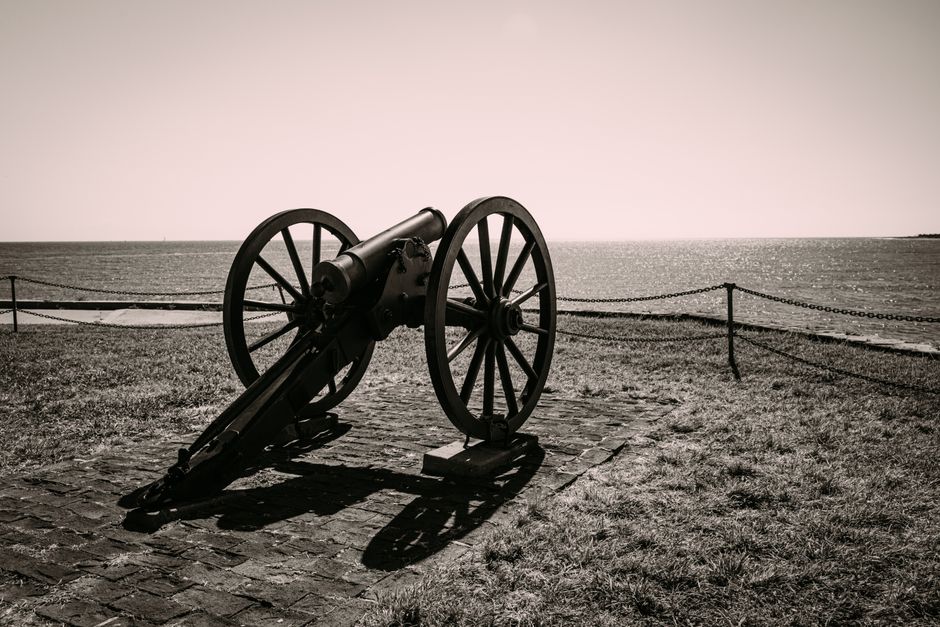
While World War I is a significant part of Sarajevo's history, the event that has arguably had the most profound impact on the city and its people is the Siege of Sarajevo, which lasted from April 1992 to February 1996. This was the longest siege of a capital city in modern warfare, and it left an indelible mark on the city and its inhabitants.
During the siege, Sarajevo was relentlessly bombarded by Bosnian Serb forces. Snipers targeted civilians, and essential services like water, electricity, and gas were cut off. The people of Sarajevo endured unimaginable hardships, living under constant threat of death and destruction. Yet, despite the horrors they faced, they refused to be broken. They organized underground resistance movements, established makeshift hospitals and schools, and found creative ways to survive. Their resilience and determination in the face of adversity are truly inspiring.
One of the most poignant symbols of the siege is the Sarajevo Roses – concrete scars left by mortar explosions that have been filled with red resin. These roses serve as a haunting reminder of the lives lost during the war and a powerful symbol of remembrance. As you walk through the city, you'll find these roses scattered throughout the streets, a constant reminder of the city's past.
Visiting the Tunnel of Hope, a hand-dug tunnel that served as a lifeline for the city during the siege, is an incredibly moving experience. This tunnel, which connected Sarajevo to Bosnian-held territory outside the city, was used to transport food, supplies, and people in and out of the besieged city. Walking through a portion of the tunnel gives you a sense of the desperation and determination of the people of Sarajevo during that time. It's hard to believe people risked their lives daily to bring supplies to their families.
I think one of the things that struck me most during my time in Sarajevo was the openness with which people spoke about the war. There was no shying away from the pain and suffering they had endured. Instead, there was a willingness to share their stories, to ensure that the world never forgets what happened and to work towards a future where such atrocities are never repeated. They are a testament to the human will to survive, and their voices need to be heard. I am so grateful to have had the opportunity to meet so many people who were willing to share their stories. It changed me forever.
Rebuilding and Reconciliation: Sarajevo Today
Today, Sarajevo is a city on the mend, slowly but surely rebuilding its infrastructure, its economy, and its social fabric. While the scars of the war are still visible, there is also a palpable sense of hope and optimism. The city is attracting a growing number of tourists, drawn by its rich history, its vibrant culture, and its resilient spirit.
There's a lot to see and do in Sarajevo today, from exploring the historic Baščaršija district to visiting museums and art galleries. But perhaps the most rewarding experience is simply wandering through the streets, soaking up the atmosphere, and interacting with the locals. You'll find that the people of Sarajevo are incredibly welcoming and eager to share their city with visitors.
Sarajevo is also becoming known for its burgeoning arts and culture scene. There are numerous festivals, concerts, and exhibitions throughout the year, showcasing the talents of local artists and musicians. The Sarajevo Film Festival, in particular, has gained international recognition and attracts filmmakers and film enthusiasts from around the world.
While progress has been made, reconciliation remains a major challenge for Sarajevo and Bosnia as a whole. The war left deep divisions within society, and overcoming these divisions will take time and effort. However, there are many initiatives underway aimed at promoting dialogue, understanding, and cooperation between different ethnic and religious groups.
Experiencing Sarajevo: A Traveler's Guide
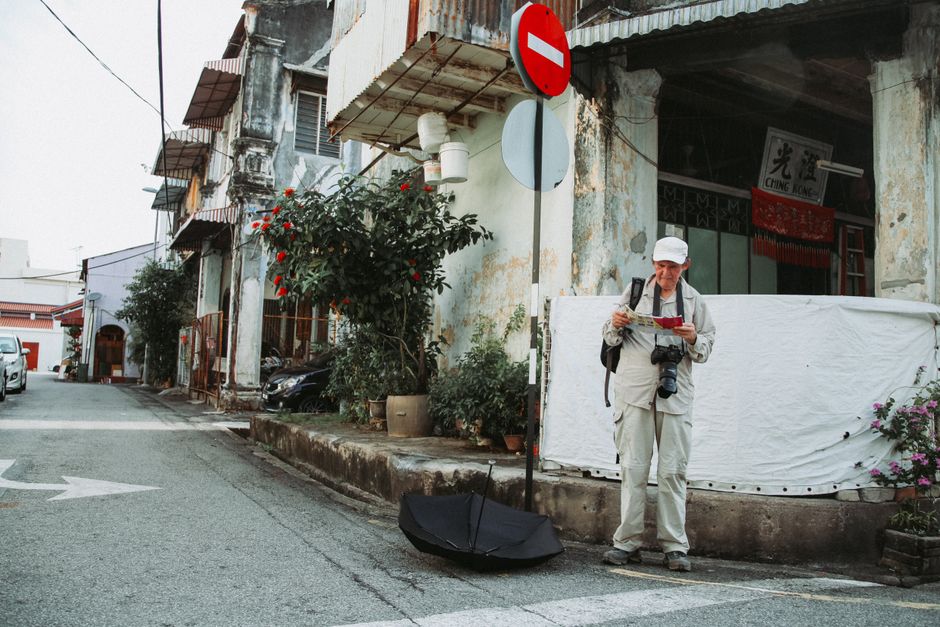
If you're planning a trip to Sarajevo, here are a few tips to help you make the most of your experience:
- Explore Baščaršija: This is the heart of Sarajevo, a must-see for any visitor. Be sure to sample some of the local delicacies, such as ćevapi (grilled minced meat) and burek (a savory pastry). And don't forget to try Bosnian coffee, served in a traditional copper pot with sugar cubes and rahat lokum (Turkish delight).
- Visit the Latin Bridge: Reflect on the events that unfolded here and their impact on the world.
- Pay Your Respects at the Tunnel of Hope: This is a powerful and moving experience that will give you a deeper understanding of the siege of Sarajevo.
- See the Sarajevo Roses: Keep an eye out for these poignant memorials as you walk through the city.
- Visit the Museums: Learn more about Sarajevo's history and culture at the various museums, including the Sarajevo Museum 1878-1918 and the National Museum of Bosnia and Herzegovina.
- Hike up to the Yellow Fortress (Žuta Tabija): Enjoy panoramic views of the city, especially stunning at sunset.
- Take a Day Trip to Vrelo Bosne: This beautiful spring of the Bosna River is a tranquil oasis located just outside of Sarajevo.
- Try Local Cuisine: Beyond ćevapi and burek, be sure to sample other Bosnian dishes like sogan dolma (stuffed onions) and klepe (Bosnian dumplings).
- Engage with Locals: The people of Sarajevo are incredibly welcoming and eager to share their stories. Don't be afraid to strike up a conversation – you'll learn a lot about the city and its history.
- Be Respectful: Sarajevo is a city with a complex and often tragic past. Be mindful of this as you explore the city and interact with its people.
One of the most important things to remember when visiting Sarajevo is to be respectful of the city's history and the experiences of its people. The war left deep scars, and it's important to approach the city with sensitivity and understanding.
Beyond the Tourist Trail: Finding the Real Sarajevo
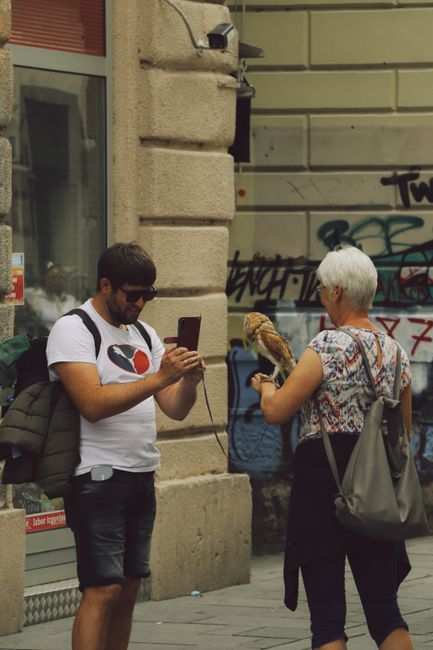
While the main tourist attractions are definitely worth visiting, I encourage you to venture beyond the beaten path and explore the lesser-known corners of Sarajevo. This is where you'll find the real heart and soul of the city.
Wander through the local neighborhoods, visit the bustling markets, and stop for a coffee in a traditional kafana (coffeehouse). These are the places where you'll encounter the everyday life of Sarajevo and get a glimpse into the lives of its people.
Don't be afraid to get lost. Some of my best memories of Sarajevo were made while simply wandering the streets, stumbling upon hidden gems and unexpected encounters. It's in these moments that you truly connect with the city and its people.
Sarajevo's Future: A City of Hope and Reconciliation
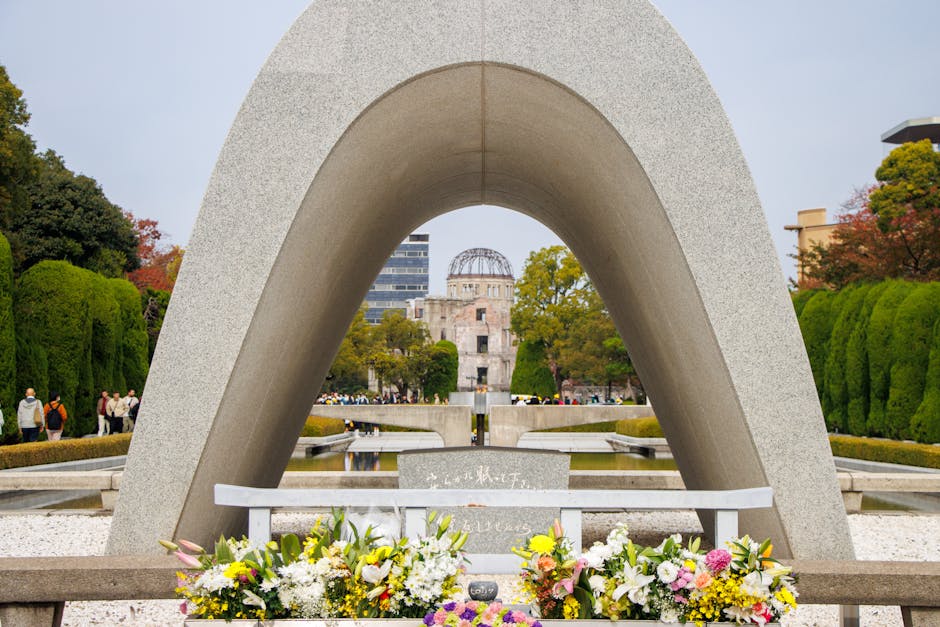
Sarajevo is a city that has endured unimaginable hardship, but it has also emerged stronger and more resilient. It's a city that is constantly evolving, rebuilding, and looking towards the future. While challenges remain, there is a palpable sense of hope and optimism in the air. The people of Sarajevo are determined to create a better future for themselves and for generations to come.
Visiting Sarajevo is not just a trip; it's an experience. It's a chance to learn about history, to witness resilience, and to connect with a culture that is both ancient and modern. It's a city that will stay with you long after you've left, a reminder of the power of the human spirit and the importance of peace and understanding.
So, if you're looking for a travel destination that is both intellectually stimulating and emotionally rewarding, I highly recommend a trip to Sarajevo. You won't be disappointed. It's a city that will challenge you, inspire you, and ultimately, change you for the better. It is a city of unforgettable experiences, and one that will live in your heart forever.
Post a Comment