Sarajevo: A City Etched in History, Forged in Resilience

Sarajevo: A City Etched in History, Forged in Resilience
Sarajevo, the capital of Bosnia and Herzegovina, isn't just a dot on a map; it's a living, breathing story. A story of empires clashing, cultures blending, and a spirit that refuses to be broken. I've always been drawn to places with complex pasts, and Sarajevo, with its layered history and undeniable resilience, completely captivated me. It's a city that wears its scars with a quiet dignity, a place where the echoes of the past mingle with the vibrant energy of the present.
Where East Meets West: A Crucible of Cultures

Imagine standing at the crossroads of civilizations. That's Sarajevo. For centuries, it's been a melting pot of Eastern and Western influences, a place where the Ottoman Empire brushed shoulders with Austro-Hungarian rule, leaving behind a unique architectural and cultural tapestry. You see it in the mosques standing proudly next to synagogues and cathedrals, a testament to the city's historical tolerance (though tested, tragically, in recent times).
My first impression was one of delightful disorientation. I'd be wandering through Baščaršija, the Ottoman-era bazaar, inhaling the scent of freshly grilled ćevapi and strong Bosnian coffee, and then, just a few blocks away, find myself admiring the elegant facades of Austro-Hungarian buildings. This blend isn't just superficial; it's ingrained in the city's soul. It's in the language, the food, the music, and the way people interact.
Here are a few examples of how East and West have blended in Sarajevo:
- Architecture: From the Gazi Husrev-beg Mosque (Ottoman) to the Sacred Heart Cathedral (Austro-Hungarian), the architectural styles showcase the city's diverse rulers.
- Cuisine: Think about Bosnian cuisine - ćevapi, burek, and baklava (Ottoman influences) alongside schnitzel and strudel (Austro-Hungarian influences). It's a delicious fusion!
- Language: Bosnian, Serbian, and Croatian are closely related, reflecting the region's history. You'll even hear loanwords from Turkish and German in everyday conversation.
Echoes of Empires: From Ottoman Rule to Austro-Hungarian Reign

Sarajevo's history is a bit like a rollercoaster – full of highs, lows, and sharp turns. The city flourished under Ottoman rule, becoming a major trading center and a vibrant hub of Islamic culture. Baščaršija, with its copper workshops and artisan stalls, is a lasting reminder of this era. Walking through its narrow streets, you can almost hear the echoes of merchants bargaining and the rhythmic clang of hammers shaping metal.
Then came the Austro-Hungarian Empire, bringing with it a wave of modernization and European influence. Grand boulevards, ornate buildings, and a sense of imperial grandeur transformed the city. It's fascinating to see how these two distinct periods coexist, creating a unique urban landscape.
But with the empires also came tensions. The yearning for independence simmered beneath the surface, eventually erupting in the event that would change the course of the 20th century.
The Shot Heard 'Round the World: Sarajevo and World War I

Ah, Sarajevo. It's a name forever linked to a pivotal moment in history: the assassination of Archduke Franz Ferdinand in 1914. I stood on Latin Bridge, the very spot where Gavrilo Princip fired the shot that ignited World War I. It's a sobering experience to be in a place so deeply connected to such a momentous event.
Visiting the Sarajevo Museum 1878–1918 offered a chilling insight into the political climate leading up to the assassination. It painted a picture of simmering resentment against Austro-Hungarian rule and the growing desire for South Slav unification. While the assassination itself was a tragedy, it's important to understand the complex historical context that led to it.
Looking out at the Miljacka River from the bridge, I couldn't help but feel the weight of history. Sarajevo, a city already steeped in the past, was about to be thrust onto the global stage in a way no one could have predicted. The ramifications of that single act would reverberate across the world for decades to come.
Under Siege: The Bosnian War and Sarajevo's Unyielding Spirit

The Bosnian War, which raged from 1992 to 1995, left an indelible mark on Sarajevo. The city was under siege for nearly four years, enduring relentless shelling and sniper fire. The stories I heard from locals about their experiences during the siege were both heartbreaking and inspiring. The resilience and determination they showed in the face of unimaginable hardship is truly remarkable.
Walking through the city, you can still see the scars of the war – bullet holes in buildings, mortar craters in the streets. These aren't just reminders of the past; they're testaments to the city's survival. The "Sarajevo Roses," red resin filling in mortar craters, serve as poignant memorials to those who lost their lives.
During my visit, I spent an afternoon at the Tunnel of Hope, a hand-dug tunnel that served as Sarajevo's lifeline during the siege. It was the only way to get food, supplies, and people in and out of the city. Crawling through a reconstructed section of the tunnel, I gained a small appreciation for the courage and ingenuity of the people who built and used it. It was a tangible representation of their unwavering determination to survive.
The siege of Sarajevo was a dark chapter in the city's history, but it also revealed the extraordinary strength and resilience of its people. It's a testament to the human spirit's ability to endure even the most unimaginable horrors.
Rebuilding and Remembering: Sarajevo Today
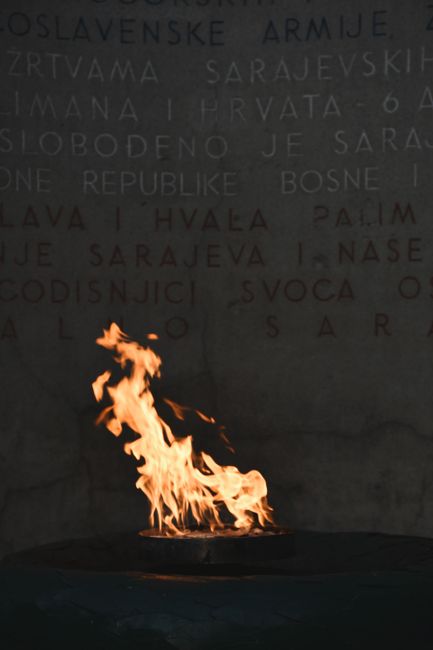
Today, Sarajevo is a city in recovery, slowly but surely rebuilding its infrastructure and its spirit. The energy is palpable; there's a sense of optimism and a determination to move forward while never forgetting the past.
I was struck by the vibrancy of the city's cultural scene. There are art galleries, theaters, and music venues showcasing the talents of local artists. The Sarajevo Film Festival, held every year, attracts filmmakers and cinephiles from around the world. The city is buzzing with creativity and a desire to reconnect with the world.
But amidst the rebuilding and the renewed energy, there's also a conscious effort to remember the victims of the war. Memorials, museums, and exhibitions serve as reminders of the past and as a call for peace and reconciliation. It's a delicate balance – moving forward while honoring the memory of those who were lost.
Experiences You Shouldn't Miss in Sarajevo: A Personal Guide
Okay, so you're planning a trip to Sarajevo? Excellent choice! Here are a few of my personal recommendations for experiences you absolutely shouldn't miss:
- Wander through Baščaršija: Get lost in the labyrinthine streets, sample the local delicacies, and haggle for souvenirs. Don't forget to try the ćevapi at Željo – they're legendary!
- Visit the Latin Bridge: Reflect on the historical significance of this infamous spot and take in the view of the Miljacka River.
- Explore the Tunnel of Hope: Experience a tangible reminder of the siege and learn about the ingenuity and resilience of the people of Sarajevo.
- Climb the Yellow Fortress (Žuta Tabija): Enjoy panoramic views of the city, especially stunning at sunset. It's a perfect spot for photos and contemplation.
- Visit the Gazi Husrev-beg Mosque: Admire the Ottoman architecture and learn about the history of Islam in Bosnia. Remember to dress respectfully.
- Have coffee at a traditional coffee house: Bosnian coffee is a ritual, not just a beverage. Enjoy it slowly, savoring the rich flavor and the atmosphere.
- Learn about the siege at the War Childhood Museum: See the war through the eyes of children. It's a deeply moving and insightful experience.
- Attend a performance at the National Theatre: Immerse yourself in Bosnian culture and enjoy a night of theater, opera, or ballet.
The People of Sarajevo: A Source of Inspiration

More than the history, the architecture, or the food, what truly resonated with me during my time in Sarajevo were the people. Their warmth, their resilience, and their unwavering spirit were incredibly inspiring. They have endured so much, yet they remain hopeful and welcoming.
I met people from all walks of life – artists, entrepreneurs, students, and survivors of the war. Each one had a story to tell, a unique perspective on the city and its history. Their stories were filled with both pain and hope, with loss and resilience. They spoke of the challenges they face, but also of their dreams for the future.
It was their stories that truly brought Sarajevo to life for me. They reminded me that history isn't just about dates and events; it's about the people who lived through it, the choices they made, and the legacy they left behind.
Sarajevo: A Lesson in Resilience and Hope
Sarajevo is more than just a city; it's a symbol of resilience, a testament to the human spirit's ability to overcome even the most unimaginable adversity. It's a place that has been shaped by history, by conflict, and by the unwavering determination of its people.
Visiting Sarajevo was a powerful and moving experience. It challenged my perspectives, broadened my understanding of history, and left me with a profound sense of hope. It's a city that will stay with me long after I've left, a reminder that even in the face of darkness, the human spirit can endure and even thrive.
So, if you're looking for a travel destination that will not only captivate your senses but also challenge your perceptions and inspire your soul, I urge you to visit Sarajevo. You won't be disappointed.
Post a Comment