Sofia, Bulgaria: Unearthing the Ancient Heart of a Modern City

Sofia, Bulgaria: Unearthing the Ancient Heart of a Modern City
Hey everyone! Let's talk about Sofia, Bulgaria. It's more than just a pretty European capital; it's a city practically vibrating with history. I've always been fascinated by places where you can feel the past mingling with the present, and Sofia? Well, Sofia delivers that in spades. Think Roman ruins nestled beneath modern metro stations, ancient churches standing shoulder-to-shoulder with trendy cafes, and a general sense that you're walking on ground that's seen empires rise and fall. I want to share with you some of the captivating history that makes Sofia so special.
Serdica: The Roman Foundation
Sofia's story doesn't begin with Bulgaria; it begins with Rome. The Romans, always keen to expand their empire, recognized the strategic importance of this location way back in the 1st century AD. They established a settlement called Serdica, named after the Thracian tribe, the Serdi, who originally inhabited the area. Think of it as the Roman version of urban planning! They built walls, bathhouses, temples, and all the infrastructure necessary to make Serdica a thriving Roman city.
I remember the first time I stumbled upon the Serdica Archaeological Complex, which is literally beneath the city centre. It's almost surreal. You're strolling along a modern pedestrian street, grab a coffee, then suddenly you're peering down into a meticulously excavated Roman street, complete with the remains of shops, houses, and even the original cobblestones. It's like stepping into a time machine. You can see the sheer scale of the Roman settlement and imagine what life was like back then.
What impressed me most was the thoughtfulness that went into preserving these remnants. The Bulgarian government has done a great job of integrating the ruins into the modern city. You can literally walk on glass walkways above the ruins, allowing you to explore without damaging them. It truly brings history to life.
The Rise of Christianity
Serdica wasn't just a military outpost; it became an important center for Christianity. The early Christian community flourished here, and several significant churches were built during the Roman period. This is where things get interesting, because the remains of these early churches are layered beneath later churches, creating a fascinating archaeological tapestry.
One of the most iconic examples of this is the St. George Rotunda. This small, unassuming church is located in the courtyard of the Presidential Office. From the outside, it's a simple brick building, but step inside, and you're transported back to the 4th century. The walls are adorned with layers of frescoes, each representing different periods in its history. You can see Roman mosaics, early Christian symbols, and later Byzantine artwork all in one place. It's a powerful reminder of the enduring presence of Christianity in Sofia.
The St. George Rotunda's survival is actually a testament to Sofia's enduring historical importance. During the Ottoman Empire, the church was converted into a mosque. The original frescoes were plastered over, and minarets were added. Thankfully, after Bulgaria's liberation, the church was restored to its original state. You can still see faint traces of the minarets on the exterior, a subtle reminder of the city's complex history.
The Byzantine Influence
After the fall of the Western Roman Empire, Serdica became part of the Eastern Roman Empire, also known as the Byzantine Empire. The Byzantines heavily influenced the city's culture, architecture, and religion. This period saw a flourishing of art and learning, and Serdica, now known as Sredets, continued to be an important regional center.
One of the best examples of Byzantine influence in Sofia is the Boyana Church. Although located a little outside the city centre, in the Boyana district at the foot of Vitosha Mountain, it's an absolute must-see. This UNESCO World Heritage Site is famous for its stunning medieval frescoes, considered some of the finest examples of Byzantine art in the world. Painted in the 13th century, these frescoes depict biblical scenes and portraits of saints with remarkable realism and detail. They're so lifelike, it's like looking at actual people from the Middle Ages. Booking a tour ahead is essential as they only let in a handful of people at a time so the frescoes can be preserved.
Visiting the Boyana Church is like stepping back in time. The surrounding area is lush and green, and the church itself is small and intimate. The atmosphere is incredibly peaceful and conducive to contemplation. It's easy to get lost in the beauty of the frescoes and to imagine what life was like in Sofia during the Byzantine period. I found the Boyana Church to be so fascinating that I dedicated the afternoon to hiking around and just soaking in the ambiance.
The Arrival of the Bulgarians

In the 7th century, the Bulgarians, a Turkic people, arrived in the Balkans and established the First Bulgarian Empire. Eventually, Sredets became part of the Bulgarian Empire and an important strategic city. This was a period of intense cultural exchange, as the Bulgarians adopted many aspects of Byzantine culture, including Christianity and the Cyrillic alphabet.
Sofia is home to the Alexander Nevsky Cathedral. Although constructed in the early 20th century, it's a symbol of Bulgarian independence and a tribute to the Russian soldiers who fought in the Russo-Turkish War, which led to Bulgaria's liberation from Ottoman rule. While not ancient in the same way as the Roman ruins, its grandeur and historical significance within the context of Bulgarian liberation make it an important monument. The cathedral's sheer size and intricate details are breathtaking. The gold domes glisten in the sun, and the interior is filled with stunning mosaics and artwork. It's a powerful reminder of Bulgaria's complex history and its struggle for independence. I remember standing in awe of its size and the grandeur of the architecture.
Another point of interest is the St. Sophia Church. This church gave the city its current name. It is one of the oldest churches in Sofia and is a significant landmark for the city. It is believed that the name "Sofia" is derived from the Greek word "sophia" which means wisdom. This beautiful church is located near the Alexander Nevsky Cathedral and is known for its architecture.
Ottoman Rule and Bulgarian Revival
From the late 14th century to the late 19th century, Bulgaria was under Ottoman rule. Sofia, like the rest of the country, experienced significant changes during this period. Many churches were converted into mosques, and new Ottoman buildings were constructed. However, Bulgarian culture and traditions persisted, and the city remained an important center of trade and commerce.
One of the most prominent reminders of the Ottoman period in Sofia is the Banya Bashi Mosque. This beautiful mosque, built in the 16th century, is one of the oldest in Europe. It's still an active mosque today, and visitors are welcome to explore its stunning interior. The architecture is distinctly Ottoman, with its elegant domes and intricate tilework. What's fascinating is that it's built on top of ancient Roman baths, hence the name "Banya Bashi," which means "many baths" in Turkish.
During the Ottoman period, a strong sense of Bulgarian national identity began to re-emerge. This revival was fueled by intellectuals, artists, and revolutionaries who sought to preserve Bulgarian language, culture, and history. This period led to the eventual liberation of Bulgaria in 1878.
Sofia Today: A City of Layers
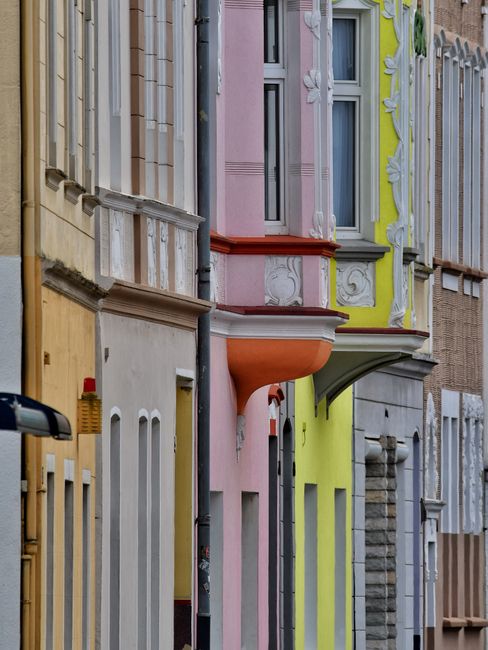
Today, Sofia is a vibrant and modern European capital. But beneath the surface of its modern facade lies a rich and complex history. The city is a living museum, where you can see evidence of Roman, Byzantine, Bulgarian, and Ottoman cultures all in one place.
When I explore Sofia, I feel like I'm peeling back layers of time. Each layer reveals a new story, a new culture, and a new perspective on the city's past. It's a truly enriching experience.
If you're planning a trip to Sofia, here are a few tips for exploring its ancient history:
- Visit the Serdica Archaeological Complex: Don't miss the opportunity to explore the Roman ruins beneath the city centre.
- Explore the St. George Rotunda: Step inside this ancient church and admire its layers of frescoes.
- Take a trip to the Boyana Church: Marvel at the stunning Byzantine frescoes in this UNESCO World Heritage Site.
- Visit the National History Museum: Learn more about Bulgarian history and culture at this comprehensive museum.
- Wander through the city centre: Keep an eye out for hidden historical gems, such as Roman walls, Ottoman mosques, and medieval churches.
Beyond the specific historical sites, take the time to simply walk around Sofia. Notice the architecture, the street names, the parks, and the monuments. Each element tells a story about the city's past.
Sofia is more than just a tourist destination; it's a place where you can connect with history in a tangible and meaningful way. It's a city that will stay with you long after you've left.
I encourage everyone to visit Sofia and experience its ancient history for themselves. It's a journey you won't soon forget.
Post a Comment