Sofia Bulgaria: Unearthing Ancient Secrets in the Heart of the Balkans

Sofia Bulgaria: Unearthing Ancient Secrets in the Heart of the Balkans
Hey there! Ever felt that wanderlust pulling you towards a place brimming with history, a city where ancient echoes whisper on every corner? Well, let me tell you about Sofia, Bulgaria – a city that completely stole my heart with its incredibly rich past. I'm not just talking about a few old buildings; I'm talking layers upon layers of history, civilizations built one on top of the other, leaving behind a fascinating tapestry waiting to be explored. I'm so excited to share my experiences and insights with you, so grab a cup of coffee and let's dive in!
A Glimpse into Sofia's Prehistoric Past

Before we get to the Romans and Byzantines, let's rewind way back. Archaeological discoveries have revealed that the area around modern-day Sofia has been inhabited since the Neolithic period! Can you imagine? People were living here thousands of years before the pyramids were even built. We're talking about settlements dating back to the 8th millennium BC. It's truly mind-boggling. During excavations for the Sofia Metro, archaeologists unearthed incredible artifacts, giving us a real peek into the lives of these early inhabitants. Pottery shards, tools made of stone and bone – these are the tangible links to a world we can barely imagine. It really brings history to life when you see the actual objects used by people who lived here ages ago.
Serdica: The Roman Jewel of the Balkans
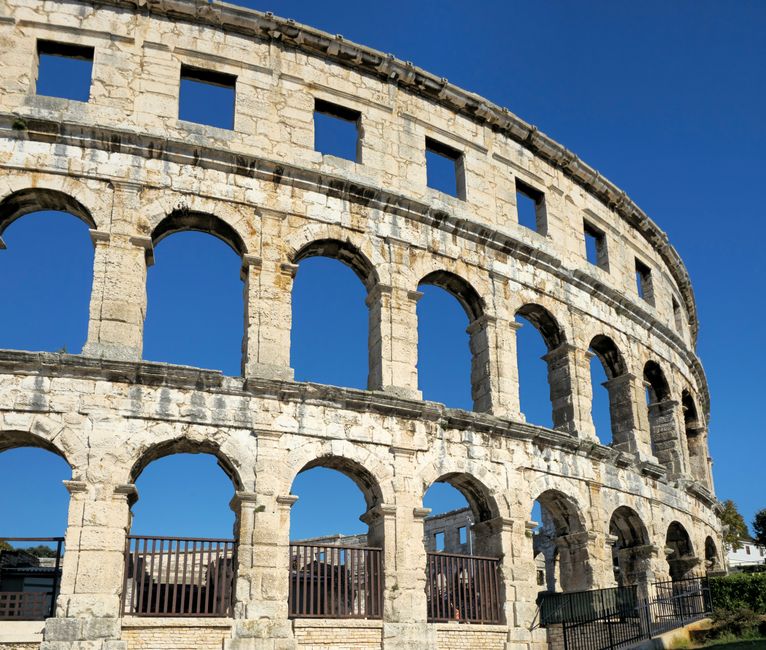
Fast forward a few millennia, and enter the Romans. In the 1st century AD, the Romans conquered the area and established a settlement they called Serdica. This wasn't just any Roman outpost; Serdica quickly grew into a major urban center, a true jewel of the Balkans. Emperor Constantine the Great even considered making Serdica the capital of the Roman Empire! Can you believe it? Sofia almost became the center of the Roman world! While Rome remained the ultimate capital, Serdica became an important administrative, economic, and cultural hub. Its strategic location at the crossroads of major Roman roads helped it flourish. Today, you can still see remnants of Roman Serdica all over Sofia.
Here are a few of the incredible Roman remains you can explore:
- The Ancient Serdica Complex: Discovered during the construction of the Sofia Metro, this complex is a true archaeological treasure. Walkways suspended above the ruins allow you to wander through the remains of streets, shops, bathhouses, and even an early Christian basilica. It's an immersive experience that transports you back to Roman times.
- The Eastern Gate of Serdica: This gate was once a vital entrance point into the Roman city. Standing near it, you can almost hear the sounds of Roman soldiers marching through, merchants hawking their wares, and the bustling energy of daily life in Serdica.
- St. George Rotunda: This stunning 4th-century AD building is considered the oldest building in Sofia. Originally a Roman bathhouse, it was later converted into a Christian church. The interior is adorned with incredibly well-preserved frescoes, showcasing different periods of artistic expression. It's a truly remarkable space that has witnessed centuries of history.
Seriously, walking through the Ancient Serdica Complex was like stepping into a time machine. Imagine bustling Roman markets, senators strolling down the streets, and the echoes of Latin still lingering in the air! It's an absolutely incredible experience, and a testament to Sofia's rich Roman heritage.
Byzantium: Sofia Under Eastern Roman Rule
After the fall of the Western Roman Empire, Serdica (now often called Sofia) became part of the Byzantine Empire. Under Byzantine rule, the city continued to be an important strategic and religious center. Byzantine emperors fortified the city walls, and many churches and monasteries were built. The Byzantine influence is still visible in Sofia's architecture and art, particularly in the numerous Orthodox churches. This period saw the blending of Roman and Byzantine cultures, creating a unique cultural identity for the city.
The impact of the Byzantine Empire on Sofia is undeniable, and can be seen in:
- Architecture: Byzantine architectural elements can be found in many of Sofia's churches, characterized by their domes, arches, and intricate brickwork.
- Art: Byzantine-style frescoes and mosaics adorn the interiors of numerous churches, showcasing the artistic traditions of the Eastern Roman Empire.
- Religion: The Byzantine Empire played a crucial role in the spread of Christianity in the region, and Sofia became an important center for Orthodox Christianity.
One of the most impressive examples of Byzantine influence is the Boyana Church, a UNESCO World Heritage Site located just outside of Sofia. This small medieval church is famous for its incredibly well-preserved frescoes, painted in 1259, which are considered masterpieces of Byzantine art. Seeing these frescoes in person is an unforgettable experience. The vibrant colors, the expressive faces of the saints, and the overall artistic skill are simply breathtaking. It's a powerful reminder of the rich artistic and cultural heritage of the Byzantine period.
The Medieval Bulgarian Empire and Sofia's Rise to Prominence
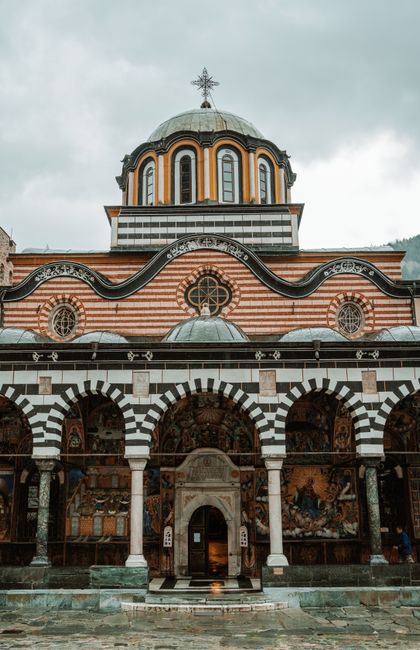
In the Middle Ages, Sofia became part of the First Bulgarian Empire. The city changed hands several times between the Byzantines and the Bulgarians, reflecting the ongoing power struggles in the region. It was during this period that Sofia began to emerge as an important cultural and religious center for the Bulgarian people. The city's name also gradually evolved to Sofia, derived from the Greek word for "wisdom." The city was named after the early Christian basilica, St. Sophia Church. The Second Bulgarian Empire further solidified Sofia's importance, and the city eventually became its capital in the 14th century. This marked a significant turning point in Sofia's history, establishing it as the heart of Bulgarian culture and politics.
Here are a few important highlights of the time:
- Religious Importance: Sofia's churches and monasteries became centers of learning and religious activity, playing a crucial role in the preservation and development of Bulgarian culture.
- Strategic Location: Sofia's location made it a key strategic point, influencing its role in the political and military events of the time.
- Cultural Identity: The city's culture started becoming even more Bulgarian, blending the Roman, Byzantine, and Slavic heritage.
Unfortunately, many artifacts from this time are hard to find, but that just makes the search even more exciting! Imagine the stories held by the stones of Sofia during this period, as it evolved into a powerful center of Bulgarian identity.
Ottoman Rule: A Period of Transformation
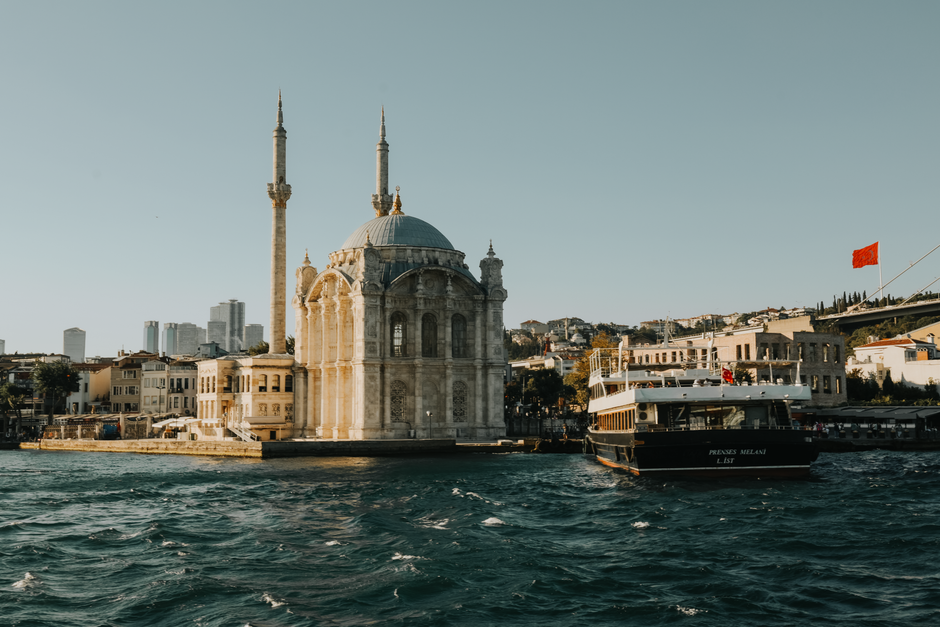
In the late 14th century, the Ottoman Empire conquered Sofia, marking the beginning of a long period of Ottoman rule. The city became an important administrative center for the Ottomans in the Balkans. Many mosques, Turkish baths, and other Ottoman structures were built, transforming the city's skyline and character. However, the Ottoman period was also marked by resistance and struggle for the Bulgarian people. Despite the challenges, Sofia remained a vibrant center of Bulgarian culture and identity. The Ottoman influence is still visible in Sofia today, particularly in the city's architecture and cultural traditions.
During Ottoman rule, Sofia witnessed significant changes, including:
- Religious Diversity: The city became a melting pot of different religions, including Orthodox Christianity, Islam, and Judaism.
- Architectural Changes: Mosques, Turkish baths, and other Ottoman structures were built, adding a new dimension to Sofia's architectural landscape.
- Cultural Influences: Ottoman customs, traditions, and cuisine became integrated into the city's cultural fabric.
One striking example of Ottoman influence is the Banya Bashi Mosque, built in the 16th century. It's one of the oldest mosques in Europe and a beautiful example of Ottoman architecture. Another interesting site is the Sofia Synagogue, which is the largest synagogue in Southeastern Europe. It showcases the diverse religious influences that have shaped Sofia's history. While the Ottoman period was certainly a challenging time for the Bulgarians, it also left a lasting imprint on Sofia's cultural and architectural landscape, making it the unique and fascinating city it is today.
Liberation and Modern Sofia

After centuries of Ottoman rule, Sofia was liberated in 1878 during the Russo-Turkish War. The city became the capital of the newly independent Bulgaria. In the years that followed, Sofia underwent a period of rapid modernization and development. New buildings were constructed, parks were created, and the city's infrastructure was improved. Sofia became a symbol of Bulgarian national pride and a center of culture, education, and commerce. Today, Sofia is a vibrant and modern European capital, but its ancient history is still present everywhere you look.
The post-liberation era saw Sofia transform into a modern European capital, with:
- Modern Architecture: New buildings were constructed in a variety of architectural styles, reflecting the city's newfound prosperity and ambition.
- Cultural Institutions: Museums, theaters, and universities were established, fostering a vibrant cultural scene.
- Economic Growth: Sofia became a center of commerce and industry, attracting businesses and investment from around the world.
Walking through modern Sofia, you can see the remnants of its ancient past interwoven with the modern structures. It's a city that embraces its history while looking towards the future. You can be sipping a latte in a trendy cafe one minute and exploring the ruins of a Roman bathhouse the next. It's this blend of ancient and modern that makes Sofia so unique and captivating.
Tips for Exploring Ancient Sofia
Okay, so you're inspired to visit Sofia and explore its ancient history, right? Here are a few tips to help you make the most of your trip:
- Wear Comfortable Shoes: You'll be doing a lot of walking, so make sure you have comfortable shoes.
- Hire a Guide: Consider hiring a local guide who can provide you with in-depth knowledge and insights into Sofia's history.
- Visit Museums: Sofia has several excellent museums that showcase the city's history and archaeology. The National Archaeological Museum is a must-visit.
- Explore Churches: Sofia is home to numerous beautiful churches, each with its own unique history and architectural style. Don't miss the St. George Rotunda, the Alexander Nevsky Cathedral, and the Boyana Church.
- Take Your Time: Don't try to see everything in one day. Allow yourself plenty of time to explore the ancient sites and soak up the atmosphere of the city.
- Be Respectful: Remember that you're visiting a place with a rich history and culture. Be respectful of the ancient sites and the local customs.
- Try the Local Cuisine: Bulgarian cuisine is delicious and unique. Be sure to try some of the local specialties, such as banitsa, shopska salad, and kebapche.
Most importantly, be open to the unexpected. Sofia is a city that rewards curiosity and exploration. Allow yourself to get lost in the streets, discover hidden gems, and connect with the city's history and culture.
Sofia's Enduring Appeal: More Than Just Ancient Stones
Sofia's appeal isn't just about ancient ruins and historical sites. It's about the vibrant culture, the friendly people, and the unique atmosphere of the city. It's a city where history and modernity blend seamlessly, creating an experience that is both fascinating and enriching. It's a city that stays with you long after you've left, whispering stories of emperors, empires, and the enduring spirit of the Bulgarian people.
So, if you're looking for a travel destination that offers a truly unique and rewarding experience, look no further than Sofia, Bulgaria. Come and unearth its ancient secrets, explore its vibrant culture, and discover the magic of this incredible city. You won't be disappointed! I hope my insights have inspired you to visit this truly remarkable place. Happy travels!
Post a Comment