St. Petersburg: Unveiling Russia's Imperial Gem - A Journey Through History and Beauty
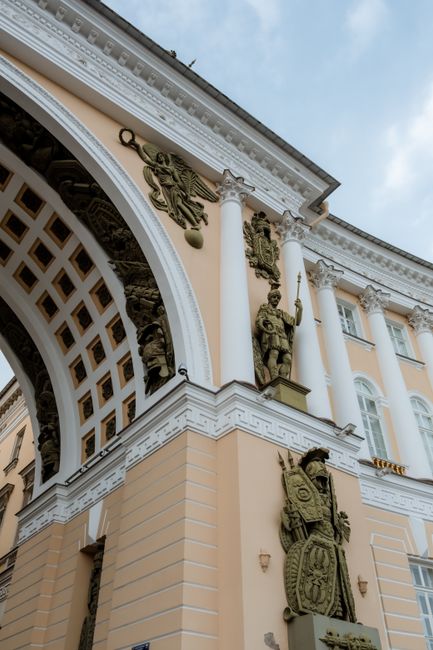
St. Petersburg: Unveiling Russia's Imperial Gem - A Journey Through History and Beauty
Have you ever dreamt of stepping back in time, wandering through opulent palaces, and feeling the grandeur of a bygone era? That's exactly what St. Petersburg offers. More than just a city, it's a living, breathing testament to Russia's imperial past, a place where history whispers from every cobblestone and the spirit of the tsars lingers in the air. I've been fortunate enough to explore this stunning city, and I'm excited to share my experiences and insights with you.
The City That Peter Built: A Foundation of Vision

St. Petersburg's story is inextricably linked to its founder, Peter the Great. In the early 18th century, this ambitious and forward-thinking Tsar envisioned a modern, European-style capital for Russia, a "window to the West" that would propel his nation into the ranks of the great European powers. Against all odds, in a swampy, strategically important location near the Baltic Sea, he began to build his dream.
The construction was a colossal undertaking, fraught with challenges. Thousands of laborers, many of them forced conscripts, perished from disease, starvation, and harsh working conditions. Despite the human cost, Peter persevered, and in 1703, the Peter and Paul Fortress was established, marking the official birth of St. Petersburg. It quickly became the new capital, replacing Moscow, and a magnet for architects, artists, and intellectuals from across Europe.
Key facts to keep in mind:
- Founded in 1703 by Peter the Great.
- Served as the capital of Russia for over two centuries (1712-1918).
- Located on the Neva River, close to the Baltic Sea.
- Nicknamed "Venice of the North" due to its extensive network of canals.
I remember standing on the banks of the Neva, imagining the scene centuries ago – the bustling activity, the relentless labor, the sheer audacity of building such a magnificent city on such an inhospitable landscape. It truly gives you a sense of Peter the Great's determination and unwavering vision.
Architectural Marvels: A Symphony in Stone and Gold

What truly sets St. Petersburg apart is its breathtaking architecture. The city is a veritable open-air museum, showcasing a stunning blend of Baroque, Neoclassical, and Russian Revival styles. From the opulent palaces of the aristocracy to the grand cathedrals and the elegant bridges that span the canals, every corner of St. Petersburg is a feast for the eyes.
Some of my favorite architectural landmarks include:
- The Winter Palace: This magnificent palace, formerly the residence of the Russian Tsars, now houses the State Hermitage Museum. Its turquoise facade, intricate detailing, and sheer scale are simply awe-inspiring.
- The Hermitage Museum: One of the largest and most prestigious museums in the world, the Hermitage boasts an unparalleled collection of art and artifacts, spanning millennia and cultures. You could spend weeks exploring its vast halls and still not see everything.
- The Church of the Savior on Spilled Blood: This iconic church, built on the site where Tsar Alexander II was assassinated, is a masterpiece of Russian Revival architecture. Its colorful onion domes, intricate mosaics, and poignant history make it a must-see.
- Peterhof Palace: Often dubbed the "Russian Versailles," Peterhof is a stunning palace complex located just outside St. Petersburg. Its elaborate gardens, cascading fountains, and gilded statues are a testament to the opulence of the Russian imperial court.
- St. Isaac's Cathedral: One of the largest Orthodox cathedrals in the world, St. Isaac's Cathedral is an architectural marvel of neoclassical design. Its massive dome, towering columns, and stunning interior mosaics are truly breathtaking.
- Nevsky Prospekt: The main thoroughfare of St. Petersburg, Nevsky Prospekt is a vibrant and bustling avenue lined with shops, restaurants, cafes, and historic buildings. It's the perfect place to stroll, people-watch, and soak up the city's atmosphere.
I'll never forget my first glimpse of the Winter Palace. The sheer size and grandeur of the building took my breath away. Inside, the Hermitage Museum is a labyrinth of art and history, a place where you can lose yourself for hours amidst masterpieces by Leonardo da Vinci, Rembrandt, and countless other masters.
Delving into History: Echoes of the Tsars

St. Petersburg is a city steeped in history, a place where the ghosts of the Tsars seem to linger around every corner. From the reign of Peter the Great to the tragic events of the Russian Revolution, the city has witnessed some of the most pivotal moments in Russian history.
Here's a brief overview of some key historical periods:
- The Imperial Era (1703-1917): This was the golden age of St. Petersburg, when the city flourished as the capital of Russia and a center of European culture. The Tsars transformed the city into a magnificent showcase of power and wealth, commissioning lavish palaces, grand cathedrals, and stunning gardens.
- The Russian Revolution (1917): St. Petersburg, then known as Petrograd, was the epicenter of the Russian Revolution. The city witnessed momentous events such as the February Revolution, which led to the abdication of Tsar Nicholas II, and the October Revolution, which brought the Bolsheviks to power.
- The Soviet Era (1917-1991): After the revolution, St. Petersburg was renamed Leningrad and became a major industrial and cultural center of the Soviet Union. The city endured immense hardship during World War II, particularly during the Siege of Leningrad, one of the deadliest sieges in history.
- Post-Soviet Era (1991-Present): Following the collapse of the Soviet Union, Leningrad was renamed St. Petersburg once again. The city has undergone a period of revitalization and has re-emerged as a major cultural and economic hub.
Visiting the Peter and Paul Fortress, where many political prisoners were held, including Peter the Great's own son, Alexei, really brought the history to life. Walking through the former cells, I could almost feel the weight of the past. Similarly, a visit to the Winter Palace and the sites related to the Revolution left me in awe of the dramatic events that unfolded there.
Beyond the Palaces: Exploring the Soul of St. Petersburg

While the grand palaces and historical monuments are undoubtedly impressive, St. Petersburg has much more to offer than just its iconic landmarks. To truly experience the soul of the city, you need to venture beyond the tourist hotspots and explore its hidden corners, charming neighborhoods, and vibrant cultural scene.
Here are some suggestions for exploring the "real" St. Petersburg:
- Take a Canal Cruise: Gliding along the canals of St. Petersburg is a unique and relaxing way to see the city from a different perspective. You'll pass by elegant buildings, picturesque bridges, and hidden courtyards.
- Visit a Local Market: Immerse yourself in the local culture by visiting a bustling market, such as the Sennoy Market. You'll find fresh produce, local delicacies, and a vibrant atmosphere.
- Explore the Neighborhoods: Wander through the charming neighborhoods of St. Petersburg, such as Kolomna or Vasilyevsky Island. You'll discover hidden cafes, quirky shops, and beautiful architecture off the beaten path.
- Attend a Ballet or Opera Performance: St. Petersburg is renowned for its ballet and opera traditions. Attending a performance at the Mariinsky Theatre is an unforgettable experience.
- Visit a Faberge Museum: Seeing the intricate beauty and artistry of the Faberge Eggs up close is an amazing experience. There are now a few in the city for your viewing pleasure.
- Cross the Palace Bridge at Night: Watching the drawbridge rise at night to allow ships to pass is a fascinating sight, especially with the illuminated Winter Palace as a backdrop.
I particularly enjoyed exploring the quiet backstreets of St. Petersburg, discovering hidden cafes and art galleries. The city has a thriving arts scene, with numerous galleries showcasing the works of local artists. I also loved the experience of taking a canal cruise, gliding past the stunning architecture and feeling the gentle breeze on my face.
Planning Your Trip: Practical Tips and Considerations

Planning a trip to St. Petersburg can seem daunting, but with a little preparation, you can ensure a smooth and enjoyable experience. Here are some practical tips to help you plan your visit:
- Visa Requirements: Check the visa requirements for your nationality well in advance of your trip. Most nationalities require a visa to enter Russia. Consider a visa service to simplify the process.
- Best Time to Visit: The best time to visit St. Petersburg is during the summer months (June-August), when the weather is mild and the days are long. However, this is also the peak tourist season, so expect crowds and higher prices. The "White Nights" period, when the sun barely sets, is a particularly magical time to visit.
- Accommodation: St. Petersburg offers a wide range of accommodation options, from luxury hotels to budget-friendly hostels. Consider staying in the city center for easy access to the main attractions.
- Transportation: St. Petersburg has a well-developed public transportation system, including the metro, buses, and trams. The metro is the fastest and most efficient way to get around the city. Taxis are also readily available.
- Language: Russian is the official language of Russia. While some people in tourist areas may speak English, it's helpful to learn a few basic Russian phrases.
- Currency: The Russian currency is the Ruble (RUB). Credit cards are widely accepted in major establishments, but it's always a good idea to have some cash on hand.
- Safety: St. Petersburg is generally a safe city for tourists. However, it's always wise to be aware of your surroundings and take precautions against pickpockets and scams.
I found it incredibly helpful to learn a few basic Russian phrases before my trip. Even a simple "Spasibo" (thank you) or "Pozhaluysta" (please) can go a long way. Also, be sure to familiarize yourself with the metro system, as it's the most efficient way to navigate the city.
A Lasting Impression: Why St. Petersburg Stays With You

St. Petersburg is more than just a city; it's an experience. It's a place that captivates your senses, stimulates your mind, and leaves a lasting impression on your soul. Whether you're marveling at the architectural wonders, delving into the city's rich history, or simply soaking up the atmosphere, St. Petersburg is a destination that will stay with you long after you've left.
I hope this article has inspired you to explore this magnificent city for yourself. It's a journey you won't soon forget. From the grandeur of the palaces to the charm of the canals, St. Petersburg offers a unique and unforgettable glimpse into Russia's imperial past. So, pack your bags, brush up on your Russian, and prepare to be enchanted by the "Venice of the North." You won't be disappointed!
Post a Comment