Tirana, Albania's Colorful Capital: A Balkan Gem You Need To Explore
Tirana, Albania's Colorful Capital: A Balkan Gem You Need To Explore
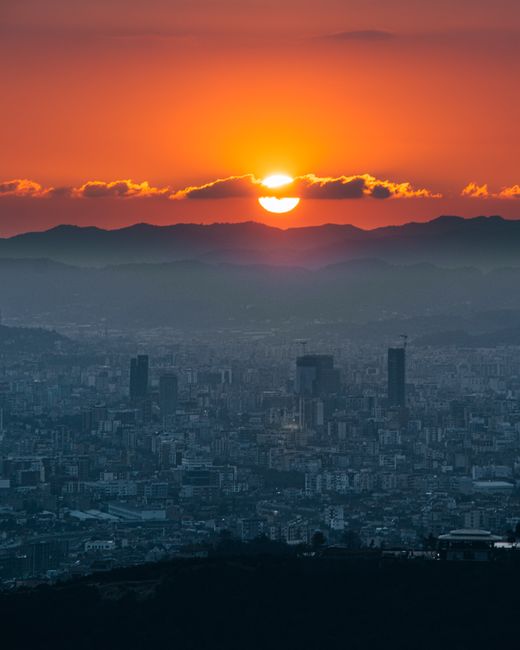
Hey there, fellow travel enthusiasts! Let me tell you, I recently had the pleasure of exploring Tirana, Albania, and let me just say – wow! I went in with some preconceived notions, as many of us do, but I was completely blown away by this vibrant and captivating city. Think colorful buildings, bustling cafes, delicious food, and a rich history that's both fascinating and, at times, heartbreaking. It's a city that's shaking off its past and embracing a bright future, and I'm so excited to share my experiences and insights with you.
A City Painted with Optimism: First Impressions
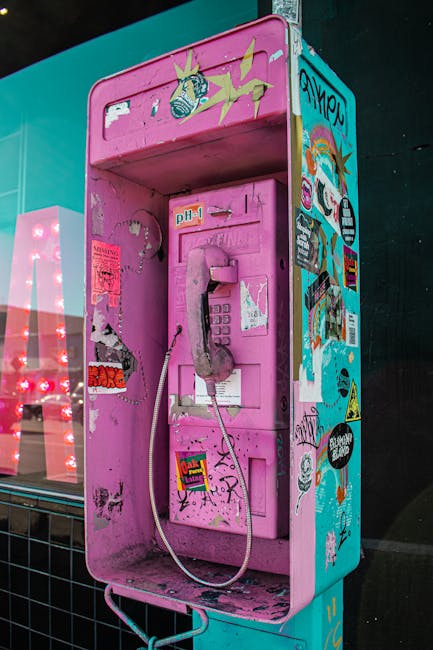
When I first arrived in Tirana, the sheer vibrancy of the city struck me immediately. Gone are the drab, grey concrete buildings you might associate with communist-era architecture (though there are definitely remnants!). Instead, you're greeted with buildings painted in a rainbow of colors: bright yellows, vibrant oranges, cheerful greens, and even bold purples. It's like the city decided to give itself a massive makeover, and the effect is incredibly uplifting. Edi Rama, the former mayor (and now Prime Minister), gets a lot of credit for initiating this colorful transformation, which was aimed at injecting optimism and energy into the city. It worked!
Beyond the colors, the city feels incredibly alive. There's a palpable energy in the air, a sense of forward motion and growth. Cafes spill out onto sidewalks, filled with people chatting and enjoying espresso (Albania takes its coffee seriously!). Parks are bustling with families and young people. And there's a surprising amount of green space, which helps to balance the urban landscape.
Skanderbeg Square: The Heart of Tirana

Skanderbeg Square is the absolute heart of Tirana. This massive, pedestrianized square is a central gathering place and a great starting point for exploring the city. It's named after Gjergj Kastrioti Skanderbeg, the national hero of Albania who led the resistance against the Ottoman Empire in the 15th century. His imposing statue stands proudly in the square, a constant reminder of Albania's long and often turbulent history.
Around the square, you'll find some of Tirana's most important landmarks:
- The National Historical Museum: A must-visit for anyone interested in learning about Albania's past, from ancient Illyrian times to the present day. The impressive mosaic on the facade is a real eye-catcher.
- The Et'hem Bey Mosque: A beautiful Ottoman-era mosque with intricate frescoes and a peaceful atmosphere. It was closed during the communist era and reopened in 1991 after a period of intense public protest.
- The Clock Tower: Climb to the top of this historic clock tower for panoramic views of the city. The climb is a little steep, but the reward is well worth it.
- The Palace of Culture: A Soviet-era building that houses the National Library and the Opera and Ballet Theatre.
I spent hours just wandering around Skanderbeg Square, soaking in the atmosphere and watching the world go by. It's a fantastic place to people-watch and get a sense of the city's rhythm.
Bunk'Art: A Journey into Albania's Communist Past

One of the most unique and thought-provoking experiences I had in Tirana was visiting Bunk'Art. This is not your typical museum; it's a massive, underground bunker built during the communist era to protect the political elite in the event of a nuclear attack. There are actually two Bunk'Arts in Tirana: Bunk'Art 1, located on the outskirts of the city, and Bunk'Art 2, located closer to the city center.
Bunk'Art 1 is the larger of the two and offers a more comprehensive look at Albania's communist history. Walking through the dimly lit corridors and rooms, I was struck by the sheer scale of the bunker and the paranoid atmosphere that permeated the place. Exhibits detail the activities of the secret police (Sigurimi), the political persecution of dissidents, and the pervasive surveillance that characterized life under communism.
Bunk'Art 2 focuses specifically on the Ministry of Interior and the activities of the police force during the communist regime. It's a more intimate and intense experience, delving into the methods of control and repression used by the government. I found both Bunk'Arts incredibly powerful and disturbing, but also essential for understanding Albania's complex history.
Visiting Bunk'Art is not always an easy experience, but it's a crucial one for understanding the context of modern Albania and the challenges the country has faced in transitioning to democracy. It's a reminder of the importance of freedom and the dangers of totalitarianism.
The Block (Blloku): From Exclusive Enclave to Trendy Hotspot

The Block (Blloku) is another area of Tirana that tells a fascinating story. During the communist era, this area was the exclusive enclave of the political elite, off-limits to ordinary citizens. It was where Enver Hoxha, the long-time communist dictator, and his cronies lived in opulent villas, completely detached from the realities of everyday life for most Albanians.
Today, Blloku is anything but exclusive. It's now the trendiest and most vibrant neighborhood in Tirana, filled with cafes, restaurants, bars, and boutiques. It's a place where you can see the stark contrast between Albania's past and its present. You can sip a cappuccino on the same street where Hoxha once lived, a tangible symbol of the country's transformation.
Blloku is the perfect place to experience Tirana's nightlife. The bars and clubs stay open late, and the atmosphere is lively and energetic. It's also a great place to find unique souvenirs and sample delicious Albanian cuisine.
Mount Dajti: A Breath of Fresh Air Above the City

If you're looking for a break from the hustle and bustle of the city, a trip to Mount Dajti is a must. This mountain, located just east of Tirana, offers stunning views of the city and the surrounding countryside. You can reach the summit via the Dajti Ekspres cable car, which is an experience in itself. The ride is about 15 minutes long and offers breathtaking panoramic views.
Once you reach the top of Mount Dajti, there's plenty to see and do:
- Hiking: There are several hiking trails that wind through the mountain's forests, offering opportunities to explore the natural beauty of the area.
- Relaxing: There are several cafes and restaurants on the mountain where you can relax and enjoy the view.
- Adventure Activities: You can find activities like horseback riding and paragliding (depending on the season).
I spent an afternoon hiking on Mount Dajti, and it was the perfect escape from the city. The air was fresh and clean, the views were incredible, and it was a great way to reconnect with nature. I highly recommend setting aside some time for a visit to Mount Dajti during your trip to Tirana.
Albanian Cuisine: A Delicious Blend of Influences
No trip to Tirana (or Albania in general!) is complete without indulging in the local cuisine. Albanian food is a delicious blend of Mediterranean, Balkan, and Ottoman influences, resulting in a unique and flavorful culinary experience. Here are a few dishes you absolutely must try:
- Tavë Kosi: This is arguably Albania's national dish. It's a baked dish made with lamb, rice, yogurt, and eggs. It's creamy, comforting, and absolutely delicious.
- Byrek: A savory pastry filled with various ingredients, such as cheese, spinach, meat, or potatoes. It's a popular snack and a great option for a quick and satisfying meal.
- Fergesë: A traditional dish made with peppers, tomatoes, cottage cheese, and spices. It's often served as a side dish or appetizer.
- Qofte: Grilled meatballs made with ground beef or lamb, herbs, and spices. They're usually served with bread and a side of yogurt or ajvar (a roasted red pepper spread).
- Seafood: Given Albania's coastline, fresh seafood is readily available, especially in coastal cities. Try grilled fish, seafood risotto, or mussels.
And of course, don't forget to try Albanian coffee! It's strong, dark, and served in small cups. It's the perfect way to start your day or to take a break and people-watch in a cafe.
Practical Tips for Visiting Tirana
Here are a few practical tips to help you plan your trip to Tirana:
- Getting There: Tirana International Airport Nënë Tereza is the main airport serving the city. There are direct flights from many European cities.
- Getting Around: Tirana is a relatively walkable city, especially the central areas. Taxis are readily available and affordable. There's also a public bus system, but it can be a bit confusing to navigate.
- Currency: The currency in Albania is the Albanian Lek (ALL). Credit cards are accepted in many larger establishments, but it's always a good idea to have some cash on hand, especially for smaller shops and cafes.
- Language: The official language is Albanian. English is widely spoken, especially in tourist areas. Learning a few basic Albanian phrases will be appreciated by locals.
- Safety: Tirana is generally a safe city for tourists. However, it's always a good idea to be aware of your surroundings and take precautions against petty theft.
- Best Time to Visit: The best time to visit Tirana is in the spring or fall, when the weather is mild and pleasant. Summers can be hot and crowded.
Beyond the Colors: Understanding Albanian Culture

While the colorful buildings are what initially draw many people to Tirana, it's the warmth and resilience of the Albanian people that truly make the city special. Despite a history marked by hardship and oppression, Albanians are incredibly hospitable and welcoming. They are proud of their culture and eager to share it with visitors.
One thing I noticed throughout my trip was the strong sense of community. People value family and friendships, and there's a real sense of connection between people. I was constantly impressed by the kindness and generosity of the Albanians I met.
Final Thoughts: Why Tirana Should Be on Your Travel List

Tirana is a city that surprised and delighted me in so many ways. It's a city that's rapidly changing and evolving, but it still retains its unique character and charm. From the colorful buildings to the thought-provoking museums to the delicious food, there's something for everyone to enjoy in Tirana.
If you're looking for a destination that's off the beaten path, a place that's full of surprises and unexpected delights, then I highly recommend adding Tirana to your travel list. You won't be disappointed.
So, what are you waiting for? Book your flight, pack your bags, and get ready to experience the magic of Tirana for yourself! You'll come away with memories that will last a lifetime, and a newfound appreciation for this Balkan gem.
Post a Comment