Valencia: Sun, Sand, and Striking Shapes – A Spanish Adventure

Valencia: Sun, Sand, and Striking Shapes – A Spanish Adventure
Okay, so you're thinking about Valencia, huh? Great choice! I spent a fantastic couple of weeks there last summer, and let me tell you, it's a city that really surprised me. I went for the beaches – I'd heard amazing things about the Valencia Spanish beaches – but I ended up falling in love with the whole package: the vibrant culture, the delicious food (paella, obviously!), and, surprisingly, the mind-blowing modern architecture. It's like two completely different worlds coexisting, and it's totally captivating.
Valencia's Beach Scene: More Than Just Sandcastles

Let's start with what probably drew you in in the first place: the beaches. Valencia doesn't disappoint, trust me. It's not just one long stretch of sand; it's a collection of different beaches, each with its own unique vibe. They're all pretty easy to get to from the city center too, which is a huge plus.
Las Arenas: Classic Valencia Beach
Las Arenas is probably the most well-known and accessible beach. It's right next to the marina and has a long promenade lined with restaurants and bars. It's perfect if you want that classic beach experience: sunbathing, swimming, and then strolling along the boardwalk for a paella dinner. It can get pretty crowded, especially in July and August, but the atmosphere is lively and fun.
Malvarrosa Beach: Wide Open Spaces
Malvarrosa Beach is a continuation of Las Arenas, but it's much wider and feels less crowded. It's a great option if you want to spread out, play beach volleyball, or just relax and enjoy the sun. There are also plenty of chiringuitos (beach bars) where you can grab a drink or a snack.
Patacona Beach: A More Relaxed Vibe
Further north is Patacona Beach. This is my personal favorite. It has a more relaxed, local feel. The sand is just as golden, and the water is just as inviting, but it's less touristy. You'll find families enjoying picnics, friends playing paddle ball, and a generally more laid-back atmosphere. There are still plenty of restaurants and bars, but they tend to be a bit more authentic and less geared towards tourists, which I really appreciated.
Here are a few tips for enjoying Valencia's beaches:
- Sunscreen is your best friend: The Spanish sun is strong, especially during the summer months. Don't underestimate it!
- Bring a beach umbrella: Even if you're a sun worshipper, having some shade is essential. You can buy them at the beach or in the city.
- Stay hydrated: Drink plenty of water, especially if you're spending the whole day at the beach.
- Try horchata: It's a local specialty made from tiger nuts. It might sound weird, but it's incredibly refreshing on a hot day. You can find it at most beach bars and cafes.
- Be aware of your belongings: While Valencia is generally a safe city, petty theft can occur, especially in crowded areas. Keep an eye on your valuables.
The City of Arts and Sciences: A Futuristic Wonderland
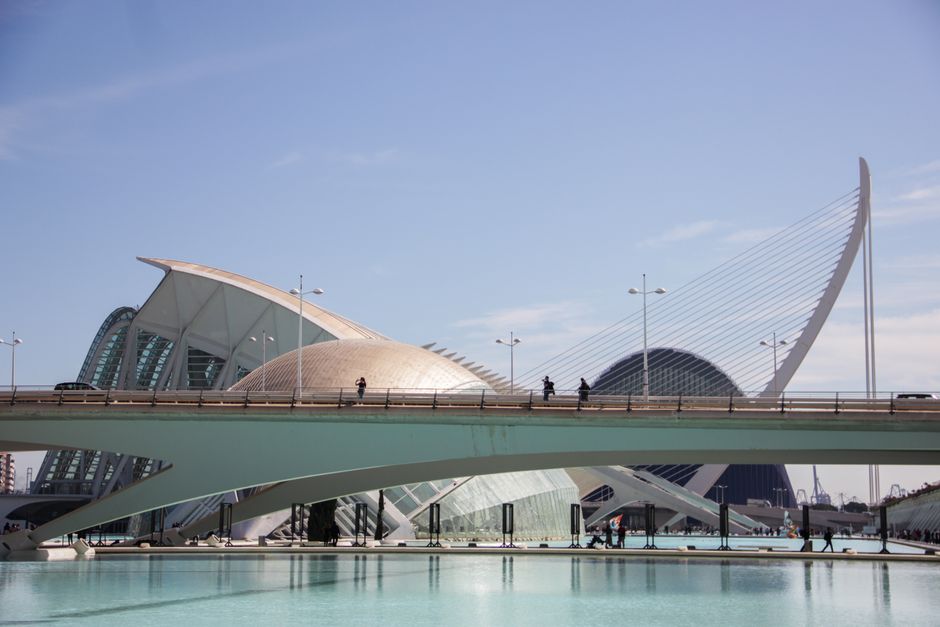
Okay, now for the architecture. Forget what you think you know about traditional Spanish architecture. The City of Arts and Sciences in Valencia is like stepping onto the set of a science fiction movie. This massive complex, designed by the renowned Valencian architect Santiago Calatrava, is a true masterpiece of modern design. It's a must-see, even if you're not usually into architecture. It just blows you away!
It's composed of several different buildings, each with its own unique purpose and design:
L'Hemisfèric: The Eye of Wisdom
This is probably the most iconic structure of the complex. L'Hemisfèric is an IMAX cinema and planetarium that's designed to resemble a giant eye. The reflection of the building in the surrounding water creates a truly stunning effect. I saw a documentary about space there, and the experience was incredible. It really felt like I was floating among the stars.
El Museu de les Ciències Príncipe Felipe: Interactive Science Fun
This is an interactive science museum that's perfect for families. The building itself is an architectural marvel, resembling the skeleton of a whale. Inside, you can explore a wide range of scientific concepts through hands-on exhibits. I spent hours here, even though I'm not a kid anymore!
L'Oceanogràfic: An Underwater Adventure
This is Europe's largest aquarium, and it's absolutely incredible. You can see a huge variety of marine life, from sharks and dolphins to beluga whales and penguins. The underwater tunnel is especially breathtaking. It feels like you're walking on the ocean floor.
El Palau de les Arts Reina Sofía: Opera and Performing Arts
This is a stunning opera house and performing arts center. Even if you don't see a performance, it's worth taking a tour of the building to admire its architecture and learn about its history. The sheer scale and grandeur of it are impressive.
L'Àgora: A Versatile Event Space
This is a covered plaza that hosts a variety of events, from concerts and sporting events to exhibitions and conferences. Its elliptical shape and soaring roof make it a striking addition to the complex.
L'Umbracle: A Landscaped Promenade
This is an open-air garden that features a variety of Mediterranean plants and sculptures. It's a great place to take a stroll and enjoy the views of the City of Arts and Sciences.
Tips for visiting the City of Arts and Sciences:
- Buy tickets in advance: This is especially important if you're visiting during peak season. You can buy tickets online or at the ticket office, but the lines can be long.
- Allocate plenty of time: There's so much to see and do that you could easily spend a whole day here.
- Wear comfortable shoes: You'll be doing a lot of walking.
- Consider a guided tour: A guided tour can help you learn more about the architecture and history of the complex.
- Take lots of pictures: This is a place you'll want to remember!
Blending Old and New: Beyond the Beach and the Futuristic
What I found truly fascinating about Valencia was how these two contrasting elements – the traditional beach culture and the ultra-modern architecture – coexisted so harmoniously. It wasn't just about two separate attractions; it was about how they influenced the city's overall vibe.
For example, you might spend the morning exploring the historic city center, with its charming cobblestone streets and beautiful baroque architecture, and then head to the beach for an afternoon of sun and sand. Or you could spend the day marveling at the futuristic structures of the City of Arts and Sciences and then enjoy a traditional paella dinner at a seaside restaurant.
Here are a few more ways to experience the blend of old and new in Valencia:
- Explore the Turia Gardens: This is a green space that runs through the heart of the city, following the course of the diverted Turia River. It's a great place to walk, bike, or just relax and enjoy the scenery. You'll find playgrounds, sports facilities, and even the Gulliver Park, a giant playground based on the story of Gulliver's Travels.
- Visit the Central Market: This is one of the largest and most beautiful markets in Europe. You can find everything from fresh produce and seafood to local cheeses and wines. It's a great place to experience the local culture and sample some of Valencia's culinary delights.
- Climb the Miguelete: This is the bell tower of the Valencia Cathedral. Climbing to the top can be tiring, but the views of the city are well worth it.
- Attend a festival: Valencia is known for its vibrant festivals, such as Las Fallas, which is a huge celebration involving elaborate papier-mâché figures that are eventually burned.
Beyond the Tourist Trail: Discovering Valencia's Hidden Gems

While the beaches and the City of Arts and Sciences are undoubtedly must-sees, Valencia also has plenty of hidden gems waiting to be discovered. Getting off the beaten path allowed me to really connect with the city and its people.
Here are a few suggestions:
- Ruzafa Neighborhood: This is a trendy neighborhood known for its vibrant street art, independent shops, and diverse culinary scene. You'll find everything from traditional tapas bars to vegan restaurants and artisan bakeries.
- El Carmen District: This is the historic heart of Valencia, with its narrow streets, medieval walls, and hidden squares. It's a great place to wander and discover the city's rich history.
- Albufera Natural Park: Just a short bus ride from Valencia, this is a beautiful lagoon and wetland area that's home to a variety of birdlife. You can take a boat trip on the lagoon or enjoy a hike in the surrounding countryside. This is where paella originated!
- Cabanyal Neighborhood: This is a historic fishing village located near the beaches. It's known for its colorful houses, its maritime atmosphere, and its delicious seafood restaurants.
Valencia: A City That Stays With You

So, there you have it. My Valencia experience in a nutshell. It's a city that offers something for everyone, whether you're looking for sun and sand, cutting-edge architecture, rich history, or delicious food. But more than that, it's a city that has a certain magic, a certain charm that stays with you long after you've left.
It's the feeling of the warm sun on your skin as you relax on the beach. It's the awe you feel as you stand in the shadow of the City of Arts and Sciences. It's the taste of paella cooked over a wood fire. It's the laughter of friends sharing tapas in a bustling bar. It's all of these things and more. So, go ahead, book that trip to Valencia. You won't regret it!
Post a Comment