Warsaw Poland's Rebuilt Capital: A Phoenix From the Ashes Rises

Warsaw Poland's Rebuilt Capital: A Phoenix From the Ashes Rises
Warsaw, Poland. Just the name conjures up images of resilience, of a city that refused to be erased. I remember the first time I visited, I was struck not just by the beauty of the Old Town, but by the sheer will that had gone into its creation. It wasn't just rebuilt; it was resurrected. It's a city that breathes history, both the glorious and the tragic, and it's a story I'm excited to share with you.
A City Forged in History: A Quick Look Back
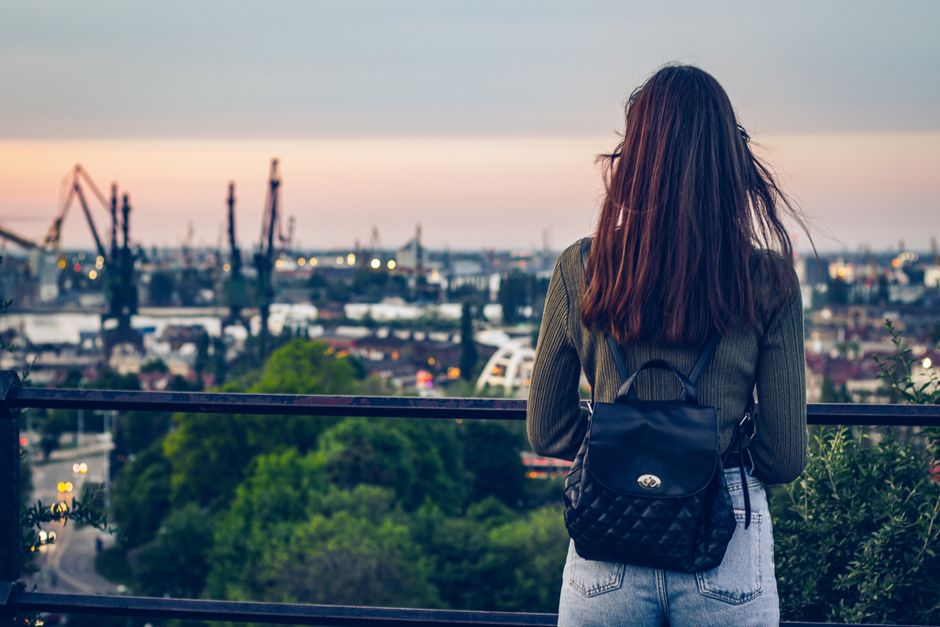
To truly understand Warsaw, you need to understand its past. It's not just a collection of buildings; it's a testament to the Polish spirit. Founded in the late 13th century, Warsaw gradually rose to prominence, becoming the capital of Poland in 1596. Over the centuries, it flourished as a center of trade, culture, and political power.
I've always found it fascinating how different periods have left their mark on the city. You can see it in the architecture, from the medieval walls to the baroque palaces to the socialist realist structures. It's a visual timeline of Polish history, constantly reminding you of the layers of events that have shaped it.
The Dark Days: Warsaw During World War II

But the Warsaw we see today is largely a result of the devastation of World War II. This is where the story takes a heartbreaking turn. The Nazi occupation was brutal, and the city suffered immensely. The Warsaw Ghetto Uprising in 1943, followed by the Warsaw Uprising in 1944, were acts of incredible bravery and resistance against overwhelming odds. However, they also led to the systematic destruction of the city.
I can still remember the feeling of walking through the areas that were once the heart of the Warsaw Ghetto. The weight of history is palpable. It's a stark reminder of the horrors of war and the incredible suffering endured by the Polish people.
After the Warsaw Uprising, Hitler ordered the complete annihilation of the city. Squads of German soldiers systematically went from building to building, planting explosives and setting them ablaze. By the end of the war, over 85% of Warsaw was reduced to rubble. It was a deliberate act of cultural genocide, an attempt to erase Poland from the map.
Rising From the Ashes: The Incredible Rebuilding of Warsaw
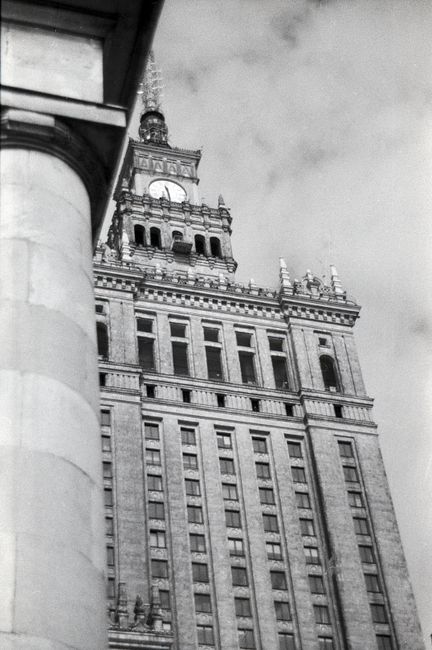
And yet, Warsaw refused to die. This is where the story becomes truly inspiring. Immediately after the war, with the city still smoldering, the Polish people made a conscious decision: they would rebuild Warsaw, brick by brick, exactly as it had been before.
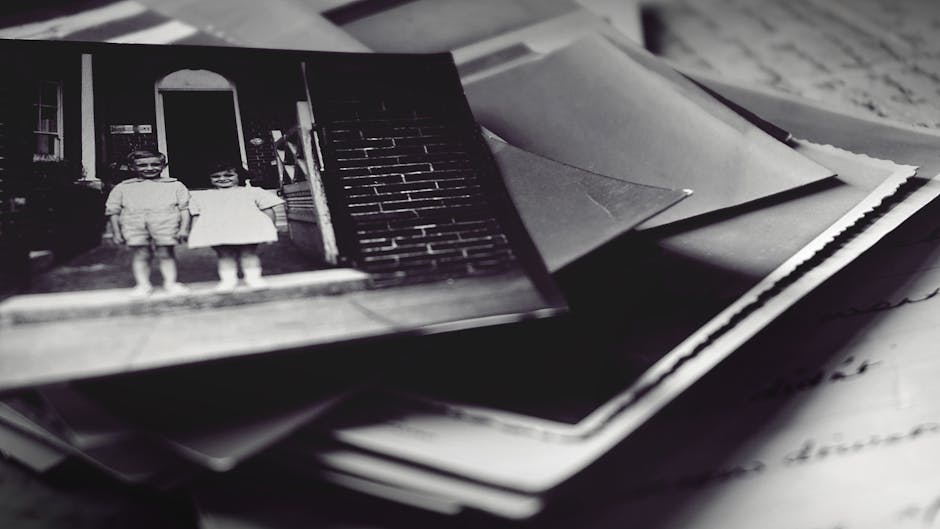
I find it remarkable how dedicated and passionate they were. It wasn't just about rebuilding buildings; it was about rebuilding their identity, their history, and their future. Architects, artists, and ordinary citizens poured over pre-war photographs, paintings, and even old films to meticulously recreate the city's historical center.
The scale of the project was immense. It involved:
- Salvaging materials: Every brick, every piece of stone, every architectural detail that could be salvaged was carefully collected and cataloged.
- Using historical records:Painters, architects and ordinary citizens used pre-war photos, paintings and descriptions to rebuild the city as close as possible to its original condition.
- Employing traditional techniques: Craftsmen revived traditional building techniques to ensure authenticity.
They even managed to recreate the intricate frescoes and paintings that adorned the interiors of the buildings. The dedication to detail is astonishing. It's a testament to the power of collective memory and the determination to preserve cultural heritage.
The Old Town: A UNESCO World Heritage Site

The crown jewel of Warsaw's reconstruction is, without a doubt, the Old Town (Stare Miasto). This historic district, with its colorful buildings, charming squares, and cobblestone streets, is a UNESCO World Heritage Site. When you walk through the Old Town, it's hard to believe that it was almost completely destroyed. It feels like stepping back in time, into a world of medieval grandeur and baroque elegance.
I remember walking through the Market Square (Rynek Starego Miasta) for the first time. It's the heart of the Old Town, surrounded by beautifully restored burgher houses. Each building is unique, with its own history and character. I could have spent hours just admiring the intricate details of the facades, the ornate balconies, and the colorful paintwork.
Don't miss these spots in the Old Town:
- The Royal Castle: Reconstructed after being completely destroyed, it showcases the history of Polish monarchy and offers great views of the city.
- St. John's Archcathedral: A significant religious site that witnessed important historical events, including coronations and royal weddings.
- The Barbican: A remnant of the old city walls, offering a glimpse into Warsaw's medieval defenses.
Beyond the Old Town: Exploring Warsaw's Diverse Neighborhoods

While the Old Town is a must-see, Warsaw has so much more to offer. Each neighborhood has its own distinct character and atmosphere. Exploring these diverse areas is a great way to get a feel for the city's vibrant culture and history.
Here are a few of my favorites:
- Śródmieście (City Center): This is the bustling heart of Warsaw, with its modern skyscrapers, trendy restaurants, and vibrant nightlife. It's a mix of old and new, with pre-war buildings standing alongside contemporary architecture.
- Praga: Located on the eastern bank of the Vistula River, Praga is a gritty and artistic neighborhood with a fascinating history. It was largely untouched during World War II, so it retains much of its pre-war character. It's now a hub for artists, creatives, and independent businesses.
- Żoliborz: A charming residential district known for its green spaces, parks, and modernist architecture. It's a peaceful and relaxing area, perfect for a stroll or a bike ride.
Museums and Memorials: Remembering the Past
Warsaw is a city with a profound respect for its history. There are numerous museums and memorials dedicated to preserving the memory of the past, particularly the events of World War II.
Visiting these sites is essential for understanding the city's story and the sacrifices made by the Polish people. Here are a few that left a lasting impression on me:
- The Warsaw Uprising Museum: An immersive and powerful museum that tells the story of the 1944 Warsaw Uprising. It's a deeply moving experience that will stay with you long after you leave. The exhibits are incredibly well-curated, and the museum uses a variety of multimedia displays to bring the events to life.
- POLIN Museum of the History of Polish Jews: A state-of-the-art museum that chronicles the thousand-year history of Jewish life in Poland. It's a fascinating and informative museum that sheds light on the rich cultural heritage of Polish Jews.
- The Royal Castle: A beautifully reconstructed castle that served as the residence of Polish monarchs for centuries. It's now a museum that showcases the history and art of the Polish royal family.
Food and Drink: A Taste of Poland

No trip to Warsaw would be complete without sampling the local cuisine. Polish food is hearty, flavorful, and deeply satisfying. From traditional dishes like pierogi (dumplings) and bigos (sauerkraut stew) to modern interpretations of Polish classics, there's something for everyone to enjoy.
I always make sure to try these when I'm in Warsaw:
- Pierogi: These dumplings can be filled with a variety of ingredients, such as potatoes and cheese, meat, or sauerkraut and mushrooms. They're often served with sour cream or fried onions.
- Bigos: A hearty stew made with sauerkraut, meat, and spices. It's a perfect comfort food for a cold day.
- Żurek: A sour rye soup served with sausage and hard-boiled eggs. It's a unique and flavorful soup that's a staple of Polish cuisine.
And of course, don't forget to try Polish beer and vodka! Poland has a long tradition of brewing beer, and there are many excellent craft breweries to choose from. Polish vodka is also world-renowned, and it's often enjoyed neat or in cocktails.
Warsaw Today: A City Looking to the Future

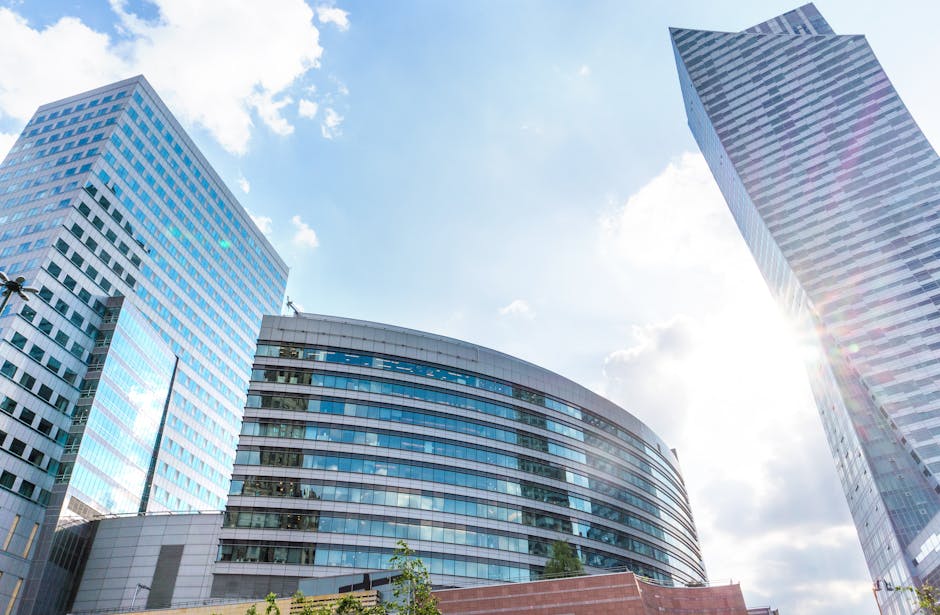
Today, Warsaw is a vibrant and modern European capital. It's a city that has embraced its past while looking towards the future. You'll see modern skyscrapers alongside historic buildings, trendy cafes alongside traditional restaurants, and a youthful energy that permeates the entire city.
The city is also a major economic and cultural hub, attracting businesses, students, and tourists from all over the world. It's a city that's constantly evolving and growing, while still retaining its unique character and charm.
I've always been impressed by the resilience and optimism of the Polish people. They've overcome incredible challenges throughout their history, and they've emerged stronger and more determined than ever. Warsaw is a testament to their spirit, a symbol of hope and renewal.
Tips for Visiting Warsaw

Planning a trip to Warsaw? Here are a few tips to help you make the most of your visit:
- Learn a few basic Polish phrases: While many people in Warsaw speak English, knowing a few basic Polish phrases will be appreciated. "Dzień dobry" (Good morning) and "Dziękuję" (Thank you) will go a long way.
- Use public transportation: Warsaw has an excellent public transportation system, including buses, trams, and a metro. It's a convenient and affordable way to get around the city.
- Be prepared for all types of weather: Warsaw has a continental climate, which means it can be cold in the winter and hot in the summer. Be sure to pack accordingly.
- Take a walking tour: A walking tour is a great way to learn about the history and culture of Warsaw. There are many different tours available, so you can choose one that fits your interests.
- Book accommodation in advance: Warsaw is a popular tourist destination, so it's a good idea to book your accommodation in advance, especially if you're traveling during peak season.
Final Thoughts: Why Warsaw Should Be On Your Travel List
Warsaw is more than just a city; it's an experience. It's a journey through history, a celebration of resilience, and a testament to the human spirit. Walking through its streets, you can feel the echoes of the past, the weight of the war, and the incredible effort that went into rebuilding this magnificent city.
I hope I've convinced you to add Warsaw to your travel list. It's a city that will surprise you, inspire you, and stay with you long after you've left. It's a place where history comes alive, where the past informs the present, and where the future is full of hope.
So, pack your bags, learn a few Polish phrases, and get ready to be amazed by the incredible story of Warsaw, Poland's rebuilt capital.
Post a Comment