A Delicious Journey Through French Cuisine: Bistro Classics & Fine Dining Delights
A Delicious Journey Through French Cuisine: Bistro Classics & Fine Dining Delights
Ah, French cuisine! Just the words conjure up images of cozy bistros, elegant restaurants, and the irresistible aroma of butter, garlic, and wine. For me, exploring French food has been like embarking on a lifelong adventure, filled with unexpected discoveries and unforgettable flavors. I want to share some of my experiences and insights with you, guiding you through the charming world of bistro classics and the refined elegance of fine dining. So, grab a glass of something delicious, and let's dive in!
Bistro Classics: The Heart of French Comfort Food

Bistros are, in my opinion, the very soul of French cooking. They're those neighborhood gems, often family-run, where you can find honest, hearty food at reasonable prices. Forget the stuffy atmosphere; bistros are all about warmth, conviviality, and incredibly satisfying meals. It's where you can truly experience the "joie de vivre" through your taste buds.
What makes a dish a "bistro classic"? Well, it's usually something simple, using fresh, seasonal ingredients, and prepared with a lot of love and a little bit of technique. Think dishes that have been passed down through generations, each family adding their own little twist. I've compiled a list of some of my absolute favorites, the dishes that instantly transport me back to those charming Parisian eateries:
Steak Frites: The Perfect Marriage of Meat and Potatoes
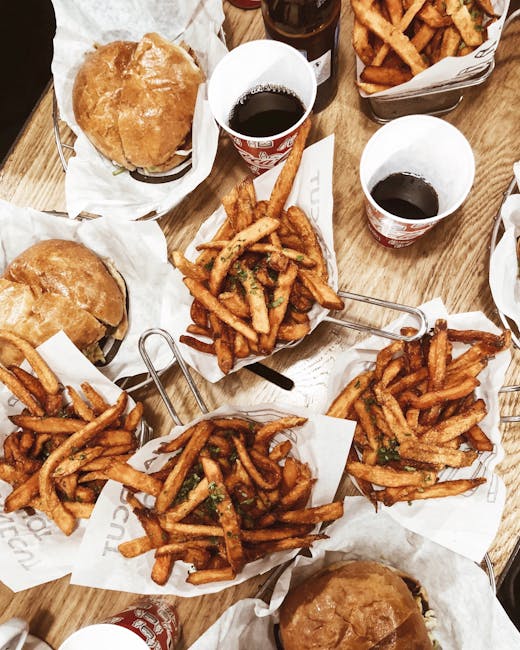
Steak frites. Need I say more? This seemingly simple dish is a testament to the French appreciation for quality ingredients and masterful execution. A perfectly seared steak, usually a ribeye or entrecôte, cooked to your liking (I prefer medium-rare, "saignant" as they say in France!), served alongside a mountain of crispy, golden fries. The key here is the quality of the beef and the potatoes. A good butcher is essential, and the fries should be double-fried for maximum crispness. The accompanying sauce can vary – classic béarnaise, au poivre (pepper sauce), or simply a flavorful jus – but the combination is always divine. I remember one particular bistro in Lyon where the steak was so tender, it practically melted in my mouth. It's a simple dish, elevated to perfection.
Moules Frites: A Taste of the Sea
Another bistro staple is moules frites. A large pot of mussels, steamed in white wine, garlic, herbs, and sometimes a touch of cream, served with (you guessed it!) more fries. The aroma alone is intoxicating. The beauty of this dish lies in its simplicity. The mussels should be fresh, the broth flavorful, and the fries perfectly crisp for dipping. Different regions in France have their own variations. In Normandy, they might add cider to the broth, while in the south, you might find a version with tomatoes and saffron. I adore the ritual of eating moules frites – scooping up the mussels with an empty shell and sopping up the delicious broth with my fries.
Soupe à l'oignon gratinée: French Onion Soup, A Hug in a Bowl
Oh, soupe à l'oignon gratinée. This is the ultimate comfort food on a chilly day. A deeply flavorful beef broth, slowly simmered with caramelized onions, topped with a crusty baguette slice and a generous layer of melted Gruyère cheese. The process of caramelizing the onions is key; it takes time and patience, but it's what gives the soup its rich, sweet flavor. The Gruyère cheese should be bubbly and browned, adding a nutty, savory note. This soup is like a warm hug in a bowl, and it's a must-try on any visit to a French bistro. I once had it on a cold, rainy day in Paris, and it instantly warmed me from the inside out.
Coq au Vin: Chicken Braised in Wine, Need I Say More?
Coq au vin, or chicken braised in wine, is a classic French dish that's rich, flavorful, and deeply satisfying. Traditionally, a rooster is braised in red wine (usually Burgundy) with mushrooms, onions, bacon, and herbs. The slow braising process tenderizes the meat and allows it to absorb all the wonderful flavors of the wine and aromatics. While the traditional recipe calls for a rooster, many modern versions use chicken. The result is a dish that's both elegant and comforting. Serve it with mashed potatoes or crusty bread to soak up all the delicious sauce. My grandmother used to make this dish, and the smell would fill the entire house. It's a dish that evokes memories of family and warmth.
Crêpes: Sweet or Savory, A French Delight
And of course, we can't forget about crêpes! These thin pancakes are a staple of French street food and bistro menus. They can be sweet or savory, filled with just about anything you can imagine. For a savory option, try a "galette," a buckwheat crêpe filled with ham, cheese, and an egg. For a sweet treat, classic choices include Nutella, jam, or simply butter and sugar. Crêpes are incredibly versatile and customizable, making them a perfect choice for any palate. I love watching the crêpe vendors on the streets of Paris, skillfully spreading the batter and flipping the crêpes with lightning speed.
Venturing into Fine Dining: A Symphony of Flavors and Artistry
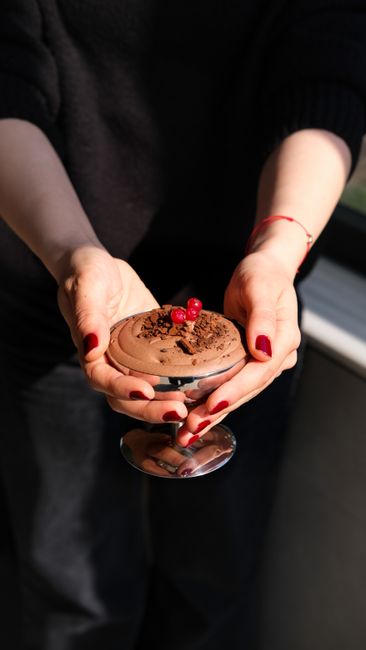
While bistros offer a taste of authentic, everyday French cuisine, fine dining takes the culinary experience to another level. It's about more than just the food; it's about the entire experience – the elegant ambiance, the impeccable service, and the artistry of the presentation. Fine dining restaurants in France are often Michelin-starred establishments, showcasing the creativity and technical skills of some of the world's best chefs.
What sets fine dining apart? It's the attention to detail, the use of the finest ingredients, and the innovative techniques that push the boundaries of culinary art. It's a chance to experience familiar flavors in new and exciting ways. Here are some elements that define the French fine dining experience:
- Exceptional Ingredients: Chefs prioritize sourcing the highest quality, seasonal ingredients, often from local producers and farms. They understand that the foundation of any great dish is the quality of its components.
- Masterful Technique: Fine dining chefs possess a deep understanding of culinary techniques, from classic methods to cutting-edge innovations. They use these techniques to transform simple ingredients into works of art.
- Artistic Presentation: The presentation of each dish is carefully considered, with attention to color, texture, and composition. It's about creating a visual masterpiece that enhances the dining experience.
- Impeccable Service: The service in a fine dining restaurant is attentive, knowledgeable, and discreet. The staff is trained to anticipate your needs and provide a seamless and memorable experience.
- Wine Pairing Expertise: Sommeliers play a crucial role in fine dining, carefully selecting wines that complement each dish and enhance the overall flavor profile. They can guide you through the wine list and offer recommendations based on your preferences.
Signature Dishes and Experiences
Fine dining experiences are often centered around tasting menus, allowing you to sample a range of the chef's creations. Here are some examples of signature dishes and experiences you might encounter:
- Foie Gras Preparations: Foie gras, or fatty duck liver, is a classic French delicacy that is often featured in fine dining menus. It can be served seared, as a pâté, or as a mousse, each preparation showcasing its rich, buttery flavor in a different way.
- Seafood Delights: From delicate scallops to succulent lobster, seafood plays a prominent role in French fine dining. Chefs often use innovative techniques to highlight the freshness and natural flavors of the seafood.
- Game Meats: During the hunting season, game meats such as venison, pheasant, and wild boar are often featured on fine dining menus. These meats are typically prepared with rich sauces and seasonal accompaniments.
- Elaborate Desserts: French pastry chefs are renowned for their creativity and technical skills. Fine dining desserts are often elaborate creations, featuring a combination of flavors, textures, and presentations.
- Truffle Infusions: Truffles, both black and white, are a prized ingredient in French cuisine. They are often shaved over dishes to add a luxurious and earthy aroma and flavor.
One particularly memorable experience I had was at a Michelin-starred restaurant in the Loire Valley. The chef used ingredients sourced directly from his own garden, and each dish was a testament to his passion for local, seasonal cuisine. The wine pairing was impeccable, and the service was seamless. It was an experience that I will never forget.
Tips for Navigating French Cuisine: From Ordering to Etiquette

Whether you're dining in a casual bistro or a Michelin-starred restaurant, here are a few tips to help you navigate the world of French cuisine with confidence:
- Learn some basic French phrases: Knowing a few basic phrases like "Bonjour," "Merci," and "S'il vous plaît" will go a long way in showing respect for the culture.
- Don't be afraid to ask questions: If you're unsure about something on the menu, don't hesitate to ask your server for clarification. They are there to help you.
- Pace yourself: French meals are often leisurely affairs, meant to be savored and enjoyed. Take your time and don't feel rushed.
- Try new things: Be adventurous and try dishes that you've never had before. You might discover a new favorite!
- Respect the dress code: While bistros are generally casual, fine dining restaurants often have a dress code. Check ahead of time to make sure you're dressed appropriately.
- Tipping: Service is usually included in the bill, but it's common to leave a small extra tip (around 5%) if you were particularly happy with the service.
- Wine Etiquette: If you're ordering wine, allow the sommelier to pour a small amount for you to taste before pouring for the rest of the table. This is to ensure that the wine is not corked or otherwise flawed.
Ultimately, exploring French cuisine is about embracing the culture, savoring the flavors, and enjoying the experience. Whether you're indulging in a simple steak frites at a local bistro or embarking on a multi-course tasting menu at a Michelin-starred restaurant, there's something for everyone to discover. So, go ahead, take a bite, and let the flavors of France transport you!
Post a Comment