Beyond Pizza and Pasta: Discovering Italy's Culinary Treasures

Beyond Pizza and Pasta: Discovering Italy's Culinary Treasures
Okay, let's be honest. When most of us think of Italian food, our minds immediately jump to pizza and pasta. And there's nothing wrong with that! They're classics for a reason – comforting, delicious, and readily available. But Italy's culinary landscape is so much richer and more diverse than just those two iconic dishes. It's a vast tapestry woven with regional specialties, family recipes passed down through generations, and a deep appreciation for fresh, seasonal ingredients. So, if you're ready to venture beyond the familiar and embark on a true Italian food adventure, grab a metaphorical fork (or a literal one, if you're already hungry!), and let's dive in.
A Culinary Journey Through Italy: More Than Just Carbs

Imagine strolling through bustling markets overflowing with sun-ripened tomatoes, fragrant herbs, and artisanal cheeses. Picture yourself sitting at a trattoria, the aroma of slow-cooked meats and simmering sauces filling the air. This is the Italy I want to share with you – an Italy of culinary surprises and unforgettable flavors. We're going to explore dishes that represent the heart and soul of different regions, dishes that tell stories of history, tradition, and the simple joy of good food.
Now, don't get me wrong, I adore a perfectly cooked plate of spaghetti carbonara as much as the next person. But limiting yourself to just pizza and pasta is like only seeing one brushstroke in a masterpiece. It's time to broaden our palates and discover the incredible variety that Italian cuisine has to offer. Are you with me?
Antipasti: The Perfect Start to Your Italian Feast

No Italian meal is complete without antipasti, those delightful appetizers designed to awaken your appetite and set the stage for the courses to follow. Think of them as culinary foreplay, teasing your taste buds and preparing you for the symphony of flavors to come. Here are a few must-try antipasti that go way beyond the usual suspects:
- Arancini: These Sicilian rice balls are a revelation. They're coated in breadcrumbs, deep-fried to golden perfection, and filled with a savory ragu, mozzarella, and peas. Imagine a crispy, cheesy, meaty explosion of flavor in every bite. Trust me, you'll want more than one.
- Bruschetta with various toppings: Forget plain tomato and basil bruschetta (although that's delicious too!). Try variations with roasted red peppers, creamy ricotta and honey, or even marinated artichokes. The key is to use high-quality, crusty bread and fresh, flavorful toppings.
- Fried Zucchini Flowers (Fiori di Zucca Fritti): If you happen to be in Italy during zucchini flower season, don't miss the opportunity to try these delicate delights. They're lightly battered, deep-fried, and often filled with mozzarella and anchovies. The result is a crispy, floral, and surprisingly savory treat.
- Caponata: This Sicilian sweet and sour vegetable stew is a true culinary gem. It's made with eggplant, tomatoes, onions, olives, capers, and a touch of vinegar and sugar. The contrasting flavors create a harmonious and incredibly addictive dish.
Primi Piatti: Exploring Beyond the Typical Pasta Shapes

Okay, okay, I know I said we'd go beyond pasta, but "primi piatti" (first courses) in Italy often feature pasta, risotto, or soup. So, let's explore some less common pasta dishes that deserve your attention:
- Gnocchi: These small potato dumplings are incredibly versatile. They can be served with a simple tomato sauce, a creamy pesto, or even a rich gorgonzola sauce. The key is to make sure they're light and fluffy, not heavy and gummy.
- Risotto: Ah, risotto! This creamy rice dish is a labor of love, requiring constant stirring and attention. But the result is well worth the effort. From saffron risotto (Risotto alla Milanese) to mushroom risotto (Risotto ai Funghi Porcini), the possibilities are endless.
- Minestrone: This hearty vegetable soup is a staple in Italian households. It's packed with seasonal vegetables, beans, and pasta, and it's perfect for a cold winter day. Every family has their own version, so be sure to try it in different regions to experience the variations.
- Tortellini in Brodo: Small, ring-shaped pasta filled with meat or cheese, served in a clear, flavorful broth. It's a simple yet elegant dish, perfect for a light lunch or a comforting starter.
Secondi Piatti: Meat, Fish, and More!
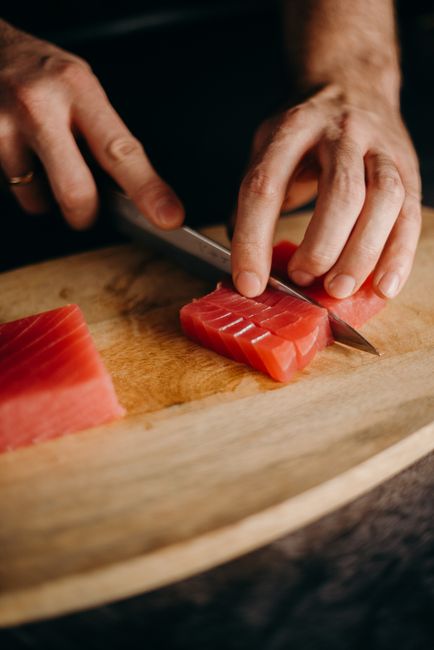
Now we arrive at the "secondi piatti" (second courses), where we delve into the world of meat, fish, and other protein-rich dishes. This is where Italian cuisine truly shines, showcasing regional specialties and culinary traditions.
- Osso Buco: This Milanese specialty features braised veal shanks in a rich and flavorful sauce. The meat is incredibly tender and falls off the bone. It's traditionally served with risotto alla Milanese, creating a truly unforgettable meal.
- Bistecca alla Fiorentina: A thick-cut T-bone steak, grilled to perfection and seasoned simply with salt and pepper. This Tuscan classic is all about showcasing the quality of the beef. It's best enjoyed rare or medium-rare, allowing the flavors to shine.
- Polenta with Braised Meat (Polenta con Spezzatino): Polenta, a creamy cornmeal porridge, is a staple in northern Italy. It's often served with braised meats, such as rabbit, pork, or beef, creating a hearty and comforting meal.
- Saltimbocca: Thinly sliced veal topped with prosciutto and sage, pan-fried to golden perfection. This Roman classic is quick, easy, and incredibly flavorful. The saltiness of the prosciutto and the aroma of the sage complement the delicate veal beautifully.
- Baccalà Mantecato: Creamed salt cod, a Venetian specialty. The cod is soaked, boiled, and then whipped with olive oil until it becomes a light and fluffy mousse. It's traditionally served with grilled polenta or crusty bread.
Contorni: Delicious Side Dishes That Shouldn't Be Overlooked
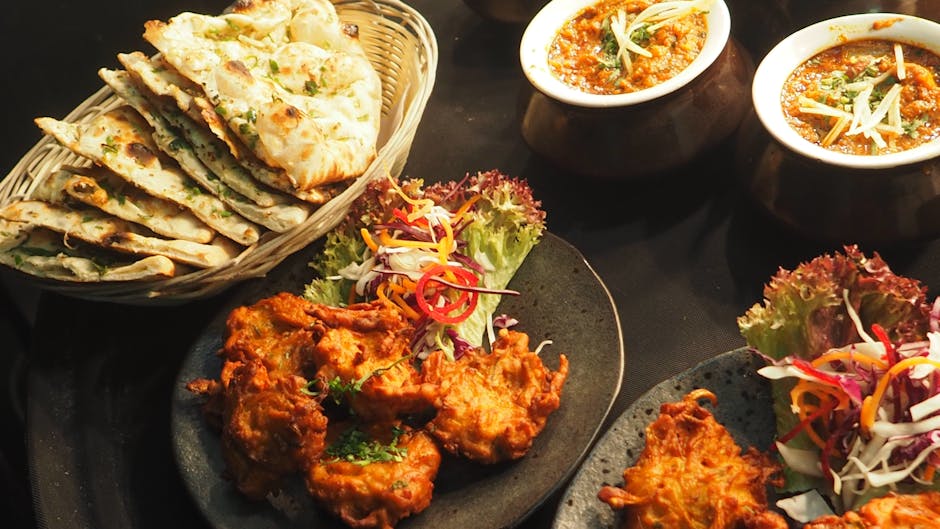
Don't forget the "contorni" (side dishes)! These often-overlooked accompaniments are just as important as the main courses, adding balance and flavor to the meal. Here are a few to keep an eye out for:
- Spinaci Saltati: Sautéed spinach with garlic and olive oil. A simple yet flavorful side dish that perfectly complements meat or fish.
- Patate Arrosto: Roasted potatoes with rosemary and garlic. Crispy on the outside and fluffy on the inside, these potatoes are incredibly addictive.
- Fagioli all'Uccelletto: Cannellini beans cooked in a tomato sauce with sage and garlic. A classic Tuscan side dish that's both hearty and flavorful.
- Insalata Mista: A mixed green salad with a simple vinaigrette. A refreshing and light side dish that helps to cleanse the palate.
Dolci: Sweet Endings to Your Italian Feast

No meal is complete without dessert, and Italian desserts are no exception. While tiramisu and cannoli are certainly delicious, there are many other sweet treats to discover:
- Panna Cotta: This creamy, wobbly dessert is a true Italian classic. It's made with cream, sugar, and gelatin, and it's often flavored with vanilla or lemon. It's typically served with fresh berries or a fruit coulis.
- Torta della Nonna: A custard-filled tart topped with pine nuts. This simple yet comforting dessert is a staple in Italian households. The creamy custard and the crunchy pine nuts create a delightful contrast in textures and flavors.
- Cantucci (Biscotti): These twice-baked almond cookies are perfect for dipping in Vin Santo, a sweet dessert wine. They're crunchy, nutty, and incredibly addictive.
- Gelato: Okay, this might be obvious, but no trip to Italy is complete without indulging in some authentic gelato. Forget the artificial flavors and colors – real Italian gelato is made with fresh, high-quality ingredients. Try flavors like pistachio, hazelnut, or stracciatella (chocolate chip).
Regional Specialties: Exploring Italy's Diverse Culinary Landscape
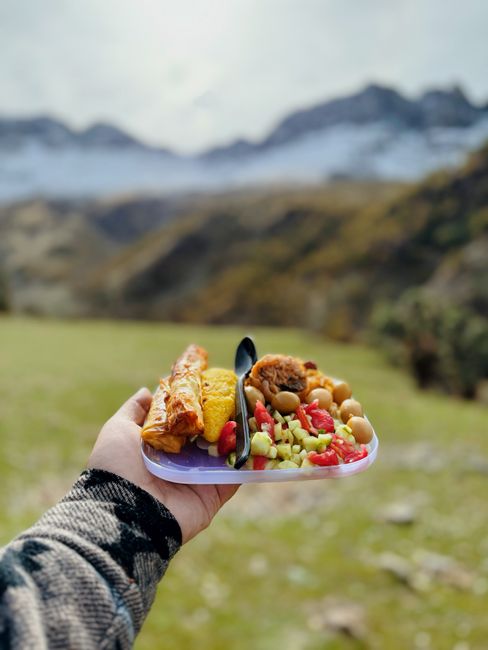
One of the most fascinating aspects of Italian cuisine is its regional diversity. Each region has its own unique specialties, reflecting its history, geography, and local ingredients. Here are just a few examples:
- Emilia-Romagna: Known for its rich pasta dishes, such as lasagna and tortellini, as well as its cured meats, such as prosciutto di Parma and mortadella. Also, don't forget the balsamic vinegar of Modena!
- Tuscany: Famous for its hearty meat dishes, such as bistecca alla fiorentina, as well as its rustic breads and olive oil. The region also produces some of Italy's finest wines, such as Chianti and Brunello di Montalcino.
- Sicily: A melting pot of cultures and flavors, Sicilian cuisine is influenced by Greek, Arab, and Spanish traditions. Highlights include arancini, caponata, and cannoli.
- Campania: The home of pizza, Campania is also known for its fresh seafood, tomatoes, and mozzarella di bufala. Don't miss the opportunity to try spaghetti alle vongole (spaghetti with clams) or a simple Caprese salad.
Tips for Exploring Italian Cuisine Like a Local
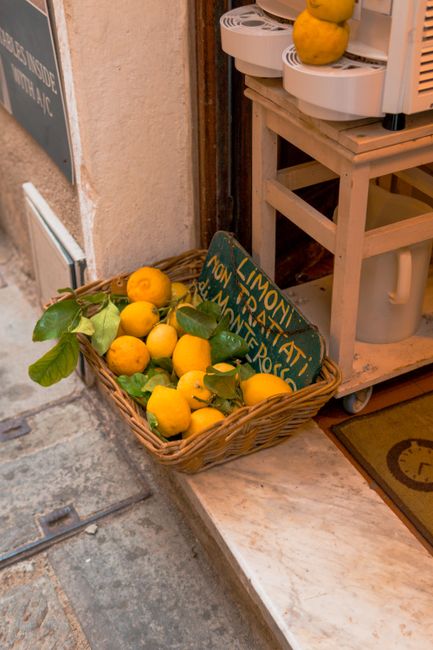
Ready to embark on your own Italian food adventure? Here are a few tips to help you eat like a local:
- Eat seasonally: Italian cuisine is all about using fresh, seasonal ingredients. Ask your waiter what's in season and try dishes that feature local produce.
- Don't be afraid to try new things: Step outside your comfort zone and order something you've never heard of before. You might just discover your new favorite dish.
- Ask for recommendations: Locals are the best source of information about where to find the best food. Ask your hotel concierge, shop owner, or even a friendly stranger for recommendations.
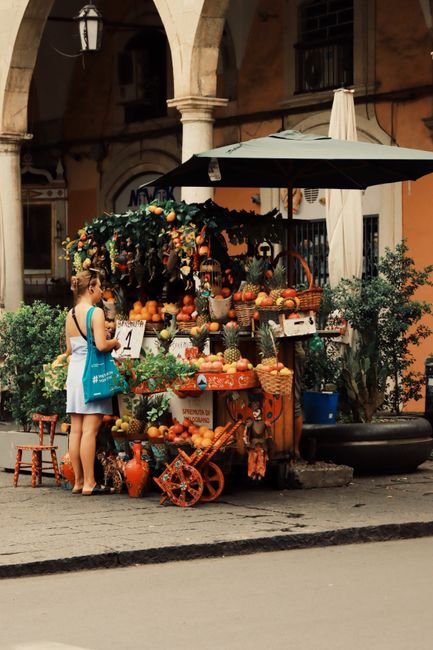
- Visit local markets: Immerse yourself in the sights, smells, and sounds of a local market. You'll find a wide variety of fresh produce, meats, cheeses, and other local specialties.
- Learn a few basic Italian phrases: Knowing a few basic phrases, such as "Grazie" (thank you) and "Buon appetito" (enjoy your meal), will go a long way in making you feel welcome.
Beyond the Tourist Traps: Finding Authentic Italian Food
One of the biggest challenges when traveling to Italy is avoiding tourist traps and finding authentic, high-quality food. Here are a few tips to help you sniff out the real deal:
- Look for restaurants that are popular with locals: If a restaurant is packed with locals, it's usually a good sign that the food is authentic and delicious.
- Avoid restaurants with menus in multiple languages: Authentic Italian restaurants often have menus only in Italian, or with limited translations.
- Be wary of restaurants that offer "tourist menus": These menus are often overpriced and feature subpar food.
- Choose trattorias and osterias over fancy restaurants: Trattorias and osterias are typically family-run establishments that serve traditional, home-style cuisine.
- Read online reviews with a grain of salt: Online reviews can be helpful, but they should be taken with a grain of salt. Look for reviews that are detailed and specific, and pay attention to the overall consensus.
So there you have it! A whirlwind tour of Italian cuisine beyond pizza and pasta. I hope this article has inspired you to explore the incredible diversity and richness of Italian food. Remember, the best way to experience Italian cuisine is to immerse yourself in the local culture, try new things, and embrace the simple joy of good food and good company. Buon appetito!
Post a Comment