Denmark: Hygge, History, and Design - A Cozy Journey Through Danish Culture
Denmark: Hygge, History, and Design - A Cozy Journey Through Danish Culture
Hey friend! Ever dreamt of a place where happiness seems to radiate from every corner, where life is savored, and design elevates the everyday? Well, let me tell you about Denmark! More than just Vikings and pastries, Denmark is a captivating blend of rich history, groundbreaking design, and that oh-so-popular concept called "hygge." I've spent some time immersed in Danish culture, and I'm excited to share my experiences and insights with you. Let's dive into the heart of Denmark and discover what makes it such a unique and inspiring place.
Unpacking Hygge: More Than Just Candles

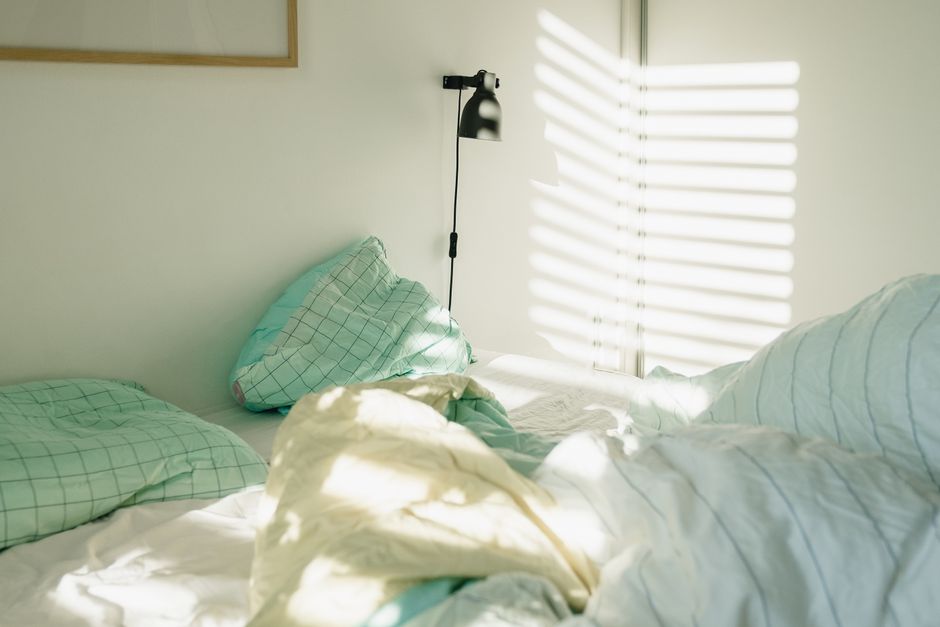
Okay, let's start with the big one: hygge. You've probably heard the term thrown around a lot, often associated with cozy blankets, warm drinks, and flickering candles. And while those things certainly contribute to it, hygge is so much more than just a trendy aesthetic. It's a feeling, a state of mind, a way of life that's deeply ingrained in Danish culture.
For me, hygge is about creating a sense of warmth, comfort, and connection with the people and things around you. It's about slowing down, appreciating the simple pleasures, and being present in the moment. Think about sharing a meal with loved ones, the aroma of freshly baked bread filling the air, the comforting weight of a knitted sweater, or the crackling sound of a fireplace on a cold winter night. Those are all hygge moments.
It's not about material possessions or extravagant experiences. In fact, hygge often thrives in simplicity. It's about finding joy in the ordinary, and appreciating the little things that make life special.
Here's how I've tried to incorporate hygge into my own life:
- Creating a cozy atmosphere: Think soft lighting, comfortable seating, and natural materials like wood and wool.
- Slowing down and savoring moments: Putting away my phone during meals, taking time to enjoy a cup of tea, and simply being present with my loved ones.
- Embracing imperfections: Hygge isn't about perfection; it's about authenticity and comfort.
- Connecting with nature: Taking walks in the park, bringing plants into my home, and appreciating the beauty of the natural world.
It's been a game changer, honestly. It helps me to feel more grounded and grateful every day. It's about prioritizing well-being, and that makes life more enjoyable. Trust me, give it a try!
A Glimpse into Danish History: Vikings, Kings, and Modernity

Denmark's history is a fascinating tapestry woven with tales of Vikings, powerful kings, and a remarkable transition into a modern, progressive society. Understanding this history helps you appreciate the values and traditions that shape Danish culture today.
The Viking Age: We can't talk about Denmark without mentioning the Vikings! From the 8th to the 11th centuries, Danish Vikings were renowned seafarers and warriors, raiding and trading across Europe. You can still see remnants of this era in Viking ship museums, ancient burial sites, and runestones scattered throughout the country. Imagine those longboats slicing through the waves!
The Kingdom of Denmark: Over time, the Viking Age gave way to the Kingdom of Denmark, with a succession of powerful monarchs. Denmark played a significant role in European politics, expanding its territories and engaging in wars with neighboring countries. The Rosenborg Castle in Copenhagen is a magnificent example of royal grandeur from this period.
The Reformation and Beyond: The Reformation in the 16th century had a profound impact on Denmark, leading to the establishment of the Lutheran Church as the state religion. In the 19th and 20th centuries, Denmark underwent a period of significant social and political reform, transitioning from an absolute monarchy to a constitutional monarchy and developing a strong welfare state. This emphasis on social equality and well-being continues to be a defining characteristic of Danish society.
What's really cool is seeing how these historical influences are still visible. You can walk through ancient fortresses and then, within minutes, find yourself surrounded by cutting-edge modern architecture. The past and present really dance together in Denmark.
Danish Design: Functionality, Simplicity, and Beauty

Now, let's talk about design! Danish design is world-renowned for its emphasis on functionality, simplicity, and beauty. It's a design philosophy that prioritizes creating objects and spaces that are not only aesthetically pleasing but also practical and user-friendly.
Key Principles of Danish Design:
- Functionality: Every design element serves a purpose.
- Simplicity: Clean lines, minimalist forms, and a focus on essential elements.
- Natural Materials: Wood, leather, and wool are frequently used, bringing warmth and texture to designs.
- Craftsmanship: Attention to detail and high-quality construction are essential.
- Human-Centered Design: Designs are created with the user's needs and comfort in mind.
Iconic Danish Designers:
Some of the most influential figures in Danish design include:
- Arne Jacobsen: Known for his iconic chairs like the Egg, Swan, and Series 7.
- Hans Wegner: Renowned for his innovative and comfortable chairs, including the Wishbone Chair and the Round Chair.
- Poul Henningsen: Celebrated for his innovative lighting designs, particularly the PH lamps.
- Børge Mogensen: Known for his functional and durable furniture, designed to last for generations.
Impact on Everyday Life:
Danish design isn't just about furniture and lighting; it permeates every aspect of Danish life, from architecture and urban planning to everyday objects and graphic design. The emphasis on functionality and simplicity creates a sense of harmony and well-being in the environment. When you visit Denmark, you quickly realize how beautifully designed even the most mundane items are. It's really inspiring!
My Favorite Danish Design Experiences:
Here are a few of my personal favorite Danish design experiences:
- Visiting the Designmuseum Danmark in Copenhagen: A must-see for anyone interested in Danish design history and contemporary design trends.
- Exploring the shops and galleries in the Latin Quarter of Copenhagen: Discovering unique and handcrafted designs.
- Staying in a hotel with thoughtfully designed interiors: Experiencing Danish design firsthand.
- Simply observing the architecture and urban spaces in Copenhagen: Appreciating the beauty and functionality of Danish design in the everyday environment.
Copenhagen: A City of Hygge, History, and Design
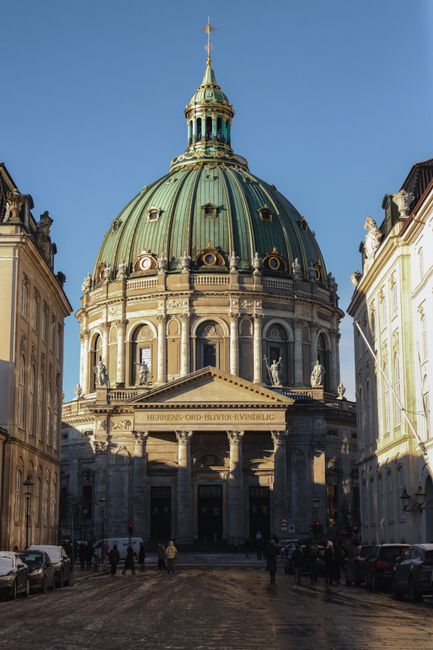
No trip to Denmark is complete without spending time in Copenhagen, the vibrant capital city. Copenhagen is a city where hygge, history, and design converge, creating a unique and unforgettable experience.
Historical Landmarks:
Explore Copenhagen's rich history by visiting iconic landmarks such as:
- Rosenborg Castle: A stunning Renaissance castle that houses the Danish Crown Jewels.
- Christiansborg Palace: The seat of the Danish Parliament and the Royal Reception Rooms.
- Amalienborg Palace: The winter residence of the Danish Royal Family.
- Kastellet: A well-preserved star-shaped fortress dating back to the 17th century.
Modern Architecture and Design:
Copenhagen is also a hub of modern architecture and design. Some notable examples include:
- The Copenhagen Opera House: A stunning modern opera house designed by Henning Larsen.
- The Black Diamond (Royal Danish Library): An extension of the Royal Danish Library with a striking black granite facade.
- VM Houses and Mountain Dwellings: Innovative residential complexes designed by BIG (Bjarke Ingels Group).
Hygge Experiences in Copenhagen:
To truly experience hygge in Copenhagen, consider:
- Taking a canal tour: Enjoying the city from a different perspective.
- Visiting Tivoli Gardens: A charming amusement park with beautiful gardens and entertainment.
- Exploring the colorful Nyhavn harbor: Enjoying a meal or a drink at one of the many restaurants and cafes.
- Relaxing in one of Copenhagen's many parks and green spaces: Enjoying the fresh air and natural beauty.
Beyond the City Center:
While Copenhagen is a must-see, don't forget to explore other parts of Denmark. Consider visiting:
- Aarhus: Denmark's second-largest city, known for its vibrant cultural scene and modern architecture.
- Odense: The birthplace of Hans Christian Andersen, with charming cobblestone streets and historical landmarks.
- The Danish Riviera: A beautiful coastal area with sandy beaches and picturesque towns.
Danish Values: Equality, Trust, and Social Welfare
Denmark is often ranked as one of the happiest countries in the world, and this is largely due to its strong social values. Danes place a high value on equality, trust, and social welfare, which contribute to a sense of community and well-being.
Equality: Denmark has a strong commitment to equality, with a relatively small income gap and a focus on providing equal opportunities for all citizens. This is reflected in the country's generous social welfare system and its progressive policies on gender equality and LGBTQ+ rights.
Trust: Danes have a high level of trust in their government, institutions, and fellow citizens. This trust fosters a sense of social cohesion and makes it easier to collaborate and solve problems collectively. I always felt safe and respected in Denmark, which made my experiences there even more enriching.
Social Welfare: Denmark has a comprehensive social welfare system that provides citizens with access to healthcare, education, and other essential services. This safety net helps to reduce poverty and inequality, and it allows people to pursue their goals and dreams without fear of financial ruin. It's not a perfect system, of course, but it's clearly designed to support its citizens.
The Danish Way of Life:
These values contribute to a unique Danish way of life that prioritizes:
- Work-life balance: Danes value their free time and prioritize spending time with family and friends.
- Community involvement: Many Danes participate in volunteer activities and community organizations.
- Sustainability: Denmark is a leader in sustainable development and environmental protection.
- Education and lifelong learning: Danes place a high value on education and continuous learning.
Bringing a Little Denmark Home With You
After experiencing the magic of Denmark, you might want to bring a little bit of that Danish spirit back home with you. Here are a few ideas:
- Incorporate hygge into your home: Create a cozy and inviting space with soft lighting, comfortable seating, and natural materials.
- Embrace Danish design principles: Choose functional and simple furniture and objects that bring joy to your everyday life.
- Prioritize social connections: Spend quality time with loved ones and build strong relationships.
- Embrace a slower pace of life: Take time to savor the simple pleasures and appreciate the present moment.
- Support sustainable practices: Make conscious choices to reduce your environmental impact.
My trip to Denmark was truly transformative. It wasn't just about seeing beautiful sights and experiencing a different culture; it was about learning a new way of living, a way that prioritizes happiness, well-being, and connection. I hope this article has inspired you to explore the beauty and wisdom of Danish culture, and perhaps even to incorporate a little bit of Denmark into your own life!
Post a Comment