Eastern European Food: A Flavorful Journey Through Hearty Traditions

Eastern European Food: A Flavorful Journey Through Hearty Traditions
Hey there, fellow food lovers! Let's embark on a delicious adventure to Eastern Europe, a region bursting with culinary traditions that are both incredibly hearty and unbelievably flavorful. Forget bland stereotypes; this is food that warms your soul, tells a story, and sticks to your ribs in the best possible way. I'm so excited to share some of my favorite dishes and experiences with you!
A Culinary Melting Pot: Influences and Ingredients

Eastern European cuisine isn't just one thing; it's a beautiful blend of influences shaped by geography, history, and cultural exchange. Think about it: bordering Western Europe, Asia, and the Middle East, this region has absorbed culinary techniques and ingredients from all corners of the world. From the creamy richness of Hungarian paprika-infused dishes to the Balkan's grilled meats and fresh salads, and the Slavic love for fermented foods, there's something for everyone.
Common ingredients you'll find popping up again and again include:
- Potatoes: The humble potato is a staple, finding its way into dumplings, pancakes, soups, and countless side dishes.
- Cabbage: Whether pickled, fermented (like sauerkraut), or stuffed, cabbage is a beloved ingredient.
- Meat: Pork, beef, and chicken are all popular choices, often slow-cooked or smoked for maximum flavor.
- Dairy: Sour cream, yogurt, and various cheeses play a significant role in many dishes.
- Root Vegetables: Beets, carrots, and parsnips add earthy sweetness and depth to soups and stews.
- Herbs and Spices: Dill, parsley, garlic, paprika (especially in Hungarian cuisine), and caraway seeds are frequently used to add aromatic complexity.
These simple ingredients, combined with time-honored techniques, are the foundation of some truly remarkable dishes. And that's the real beauty of Eastern European food: it's not about fancy ingredients; it's about making the most of what you have and creating something truly special.
Pierogi Power: A Dumpling Delight
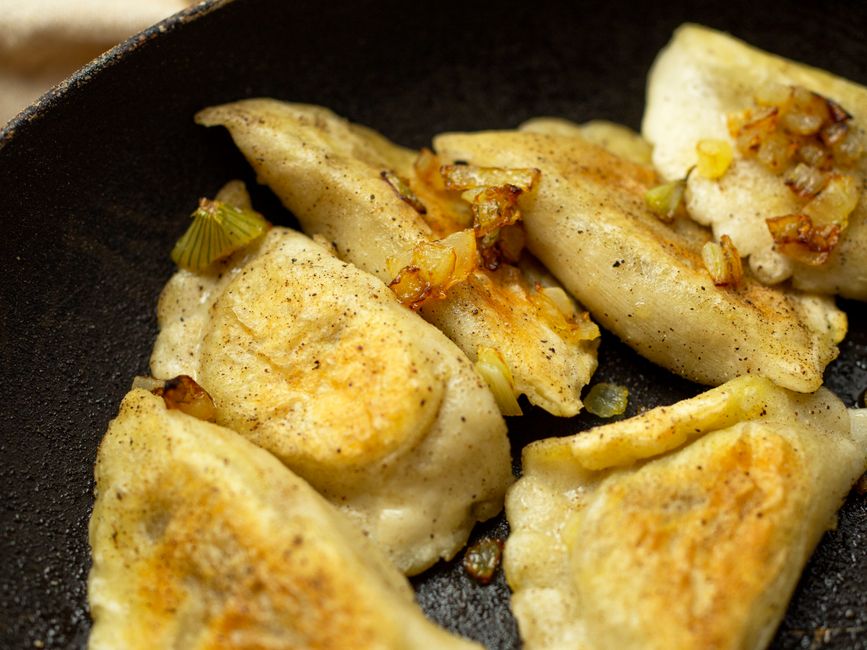
Let's talk about pierogi! These little pockets of deliciousness are probably one of the most recognizable Eastern European foods, and for good reason. They're basically dumplings, traditionally made with unleavened dough and filled with a variety of savory or sweet fillings. My personal favorites are potato and cheese (classic!), but I've also had amazing ones filled with sauerkraut and mushrooms, or even sweet cheese and fruit.
Making pierogi is definitely a labor of love, often a family affair with everyone pitching in. The dough needs to be rolled out thin, the filling carefully placed, and the edges crimped shut. Then they're boiled until they float, and often pan-fried in butter until golden brown and slightly crispy. Seriously, the smell of butter and caramelized onions frying with pierogi is pure heaven. I remember helping my grandma make them as a kid, and although I wasn't always the most skilled crimper, the memories (and the taste!) are priceless.
Here are some popular pierogi fillings to look out for:
- Potato and Cheese (Ruski): A classic combination that's hard to beat.
- Sauerkraut and Mushroom (Kapusta i Grzyby): A hearty and savory option, perfect for colder weather.
- Meat (Mięso): Usually ground beef or pork, seasoned with onions and spices.
- Sweet Cheese (Ser): A sweet and tangy filling that's often served with a dollop of sour cream.
- Fruit (Owoce): Filled with berries, plums, or apples, a perfect dessert pierogi.
Soups and Stews: Hearty Comfort in a Bowl

When I think of Eastern European cuisine, I immediately think of comforting soups and stews. These aren't just starters; they're often a meal in themselves, packed with flavor and nutrients. They're the kind of dishes that make you feel warm and cozy from the inside out, perfect for a cold winter day.
Borscht: This vibrant beet soup is a staple, with variations found throughout the region. Some versions are vegetarian, while others include beef or pork. The key ingredient, of course, is beets, which give the soup its distinctive color and slightly sweet flavor. It's often served with a dollop of sour cream and a sprinkle of fresh dill. I've even seen versions with small dumplings added – pure genius!
Goulash: Hailing from Hungary, goulash is a hearty stew made with beef, onions, paprika, and other spices. The key is to slow-cook the beef until it's incredibly tender and the flavors have melded together. There are many different variations, some with potatoes, some with dumplings (again!), and some with a touch of sour cream. Regardless of the specific recipe, goulash is always a winner.
Kapusniak: This sauerkraut soup is a popular dish in Poland and other Slavic countries. It's made with sauerkraut (fermented cabbage), meat (usually pork or smoked sausage), and various vegetables. The fermentation process gives the soup a tangy, slightly sour flavor that's incredibly addictive. It's also packed with probiotics, which is an added bonus!
Don't be afraid to experiment with these soups and stews! They're incredibly versatile and can be adapted to your own taste. Add different vegetables, use different meats, or adjust the spices to your liking. The possibilities are endless.
Meat Matters: From Grilled Kebabs to Stuffed Cabbage

Eastern European cuisine is definitely not vegetarian-friendly (although vegetarian options are becoming more common), as meat plays a central role in many dishes. Whether it's grilled, roasted, braised, or stuffed, meat is treated with respect and cooked to perfection.
Ćevapi (or Cevapi): These grilled minced meat sausages are a staple in the Balkans, particularly in Bosnia and Herzegovina, Serbia, and Croatia. They're typically made with a mixture of beef, lamb, and pork, seasoned with garlic, onions, and spices. They're usually served with flatbread (lepinja), onions, and ajvar (a roasted red pepper relish). I remember trying ćevapi for the first time on a trip to Sarajevo, and I was immediately hooked. The smoky, flavorful sausages paired perfectly with the warm flatbread and the tangy ajvar.
Sarma: Stuffed cabbage rolls are a beloved dish throughout Eastern Europe, with variations found in many different countries. The filling typically consists of ground meat (usually pork or beef), rice, and onions, all wrapped in cabbage leaves and cooked in a tomato-based sauce. The cabbage leaves become tender and slightly sweet, while the filling becomes incredibly flavorful and moist. It's a dish that takes time and effort to prepare, but the results are well worth it.
Golabki (Poland): Similar to sarma, these are stuffed cabbage rolls, but the Polish version often includes a tomato sauce that is slightly sweeter and more savory. Every Polish household probably has their own unique version of this recipe.
Kotlet Schabowy (Poland): Pork cutlets, breaded and fried, are a Polish staple. Think of it as the Eastern European schnitzel – crispy, flavorful, and satisfying.
Porkolt: This is a Hungarian meat stew similar to goulash but generally uses diced meat instead of larger chunks. While paprika is a must, the type of meat can vary (beef, pork or even lamb are used). It's often served with nokedli (Hungarian dumplings) or boiled potatoes.
Beyond the Plate: Experiencing Eastern European Food Culture

Food is more than just sustenance; it's a way of life. In Eastern Europe, meals are often shared with family and friends, and food is a central part of celebrations and traditions. Visiting local markets, trying street food, and sharing a meal with locals are all great ways to immerse yourself in the food culture.
One of my favorite experiences was visiting a traditional market in Krakow, Poland. The sights, smells, and sounds were overwhelming in the best possible way. I sampled local cheeses, sausages, and pastries, and chatted with the vendors about their products. It was a truly authentic experience that gave me a deeper appreciation for the region's culinary heritage.
Don't be afraid to try new things! Eastern European cuisine is full of surprises, and you never know what culinary gem you might discover. Whether it's a simple plate of pierogi or a hearty bowl of borscht, each dish tells a story and offers a glimpse into the rich history and culture of this fascinating region.
Here are some tips for experiencing Eastern European food culture:
- Visit local markets: A great way to sample local products and interact with vendors.
- Try street food: From langos (Hungarian fried bread) to burek (Balkan pastry), street food is a delicious and affordable way to experience the local cuisine.
- Share a meal with locals: If you have the opportunity, don't hesitate to accept an invitation to a home-cooked meal. It's the best way to experience authentic Eastern European hospitality and cuisine.
- Learn a few basic phrases: Knowing how to say "thank you" (dziękuję in Polish, köszönöm in Hungarian, hvala in Croatian/Serbian/Bosnian) can go a long way.
Bringing Eastern European Flavors Home

You don't have to travel to Eastern Europe to enjoy its delicious cuisine. With a little effort, you can recreate many of these dishes in your own kitchen. There are tons of recipes online and in cookbooks, so start experimenting and find your favorites.
One of the best things about cooking Eastern European food is that it's often quite forgiving. The focus is on simple ingredients and slow cooking, so you don't have to be a professional chef to achieve delicious results. Don't be afraid to make mistakes and adjust the recipes to your own taste. That's part of the fun!
And remember, the most important ingredient is love. Whether you're making pierogi with your family or simmering a pot of goulash for your friends, the effort you put into the dish will shine through in the flavor. So, grab your apron, gather your ingredients, and get ready to embark on a culinary adventure to Eastern Europe!
From hearty stews to comforting dumplings, Eastern European food is a true celebration of flavor and tradition. I hope this article has inspired you to explore this amazing cuisine and discover some new favorites. Happy cooking and bon appétit (or, as they say in Poland, smacznego!)!
Post a Comment