European Chocolate: A Chocoholic's Delicious Deep Dive

European Chocolate: A Chocoholic's Delicious Deep Dive
Okay, my fellow chocolate lovers, let's talk about something near and dear to my heart (and probably yours too!): European chocolate. I'm not talking about your average supermarket candy bar; I'm talking about an experience. I'm talking about flavors that dance on your tongue, textures that melt in your mouth, and craftsmanship passed down through generations. I've spent years (happily!) exploring the world of European chocolate, and I'm so excited to share my discoveries with you.
Why European Chocolate is Different (and Amazing!)

So, what exactly sets European chocolate apart? It's not just marketing hype, trust me. There are several key factors that contribute to its superior quality and unique character.
1. Quality Ingredients: This is the foundation of any great chocolate. European chocolatiers often use higher-quality cocoa beans, sourced from specific regions known for their distinct flavor profiles. They're also more likely to use natural ingredients like real vanilla and butter, avoiding artificial flavors and additives. This makes a HUGE difference in the final product.
2. The Cocoa Butter Content: In many European countries, there are stricter regulations regarding the minimum cocoa butter content allowed in chocolate. More cocoa butter means a smoother, richer, and more luxurious texture. Think about the difference between biting into a hard, waxy chocolate and one that literally melts in your mouth. That's the cocoa butter working its magic!
3. Traditional Techniques: Many European chocolatiers still use traditional methods of chocolate making, some dating back centuries. This includes careful conching (the process of refining the chocolate mass), which can take hours or even days, resulting in an incredibly smooth and refined texture. They also tend to focus on smaller batches, allowing for greater control over the quality and flavor.
4. A Culture of Chocolate Appreciation: In Europe, chocolate isn't just a snack; it's an art form. There's a deep appreciation for the craftsmanship and skill that goes into making fine chocolate. This cultural emphasis translates into a higher standard for quality and a greater variety of flavors and textures.
5. Protected Designations: Just like with wines and cheeses, some European chocolates have protected designations, meaning they must be produced in a specific region using specific methods to be labeled as such. This ensures authenticity and maintains the unique character of the chocolate.
A Tour of European Chocolate Regions

Now, let's embark on a delicious journey through some of the most renowned European chocolate regions. Each country has its own distinct style and specialties, so prepare your taste buds!
Belgium: The Land of Pralines and Innovation
Ah, Belgium! For many, this is the quintessential chocolate destination. Belgian chocolate is known for its smooth texture, rich flavor, and innovative fillings. Pralines, those delightful filled chocolates, are a Belgian specialty. Fun fact: the praline was invented in Brussels in the early 20th century!
What to try:
- Belgian Pralines: You absolutely HAVE to try a variety of pralines. Look for fillings like hazelnut, almond, caramel, and fruit purees. Neuhaus, Godiva, and Leonidas are well-known Belgian brands, but don't be afraid to explore smaller, independent chocolatiers.
- Chocolate Truffles: Belgian truffles are often made with a ganache filling (a mixture of chocolate and cream) and coated in cocoa powder or chocolate shavings. They're incredibly rich and decadent.
- Manon Chocolates: These iconic chocolates from Leonidas are made with a creamy coffee-flavored butter cream and coated in white chocolate. They're a true Belgian classic.
- Belgian Chocolate Bars: Even a simple Belgian chocolate bar is a step above the rest. Look for brands like Galler and Côte d'Or.
Switzerland: The Master of Milk Chocolate
Switzerland is synonymous with milk chocolate, and for good reason. Swiss chocolate is known for its creamy texture, delicate flavor, and use of high-quality milk. They were pioneers in adding condensed milk to chocolate, which resulted in the smoother, more melt-in-your-mouth texture we associate with milk chocolate today.
What to try:
- Lindt Chocolate: Lindt is perhaps the most well-known Swiss chocolate brand, and for good reason. Their Lindor truffles are incredibly popular, but their chocolate bars are also excellent.
- Toblerone: This iconic triangular chocolate bar with honey and almond nougat is instantly recognizable and a must-try.
- Frey Chocolate: Frey is another excellent Swiss brand, offering a wide range of chocolate bars and pralines.
- Swiss Chocolate Fondue: If you have the opportunity, try Swiss chocolate fondue. It's a delicious and interactive way to enjoy Swiss chocolate.
France: Elegance and Dark Chocolate Mastery
France is all about elegance and sophistication, and that extends to their chocolate. French chocolatiers are known for their artistry, their use of high-quality ingredients, and their mastery of dark chocolate. They often incorporate unique flavor combinations and beautiful presentation.
What to try:
- Valrhona Chocolate: Valrhona is a renowned French chocolate manufacturer, known for its high-quality dark chocolate and its use by pastry chefs around the world. Their Guanaja 70% is a classic.
- Bonnat Chocolate: Bonnat is one of the oldest chocolate makers in France, known for its single-origin chocolate bars.
- Chocolate Macarons: Chocolate macarons are a quintessential French pastry. Look for macarons made with high-quality chocolate ganache.
- French Chocolate Truffles: French truffles are often more sophisticated than their Belgian counterparts, with unique flavor infusions like spices, herbs, and liquors.
Italy: Gianduia and Hazelnut Heaven
Italy brings a unique twist to the chocolate world, thanks in large part to the abundance of hazelnuts in the Piedmont region. This is where gianduia was born – a creamy, smooth chocolate paste made with hazelnuts. Italian chocolate is also known for its use of other nuts and its rich, intense flavors.
What to try:
- Gianduia: This is an absolute must. Try it in a bar, a spread, or as a filling for pralines.
- Baci Perugina: These iconic Italian chocolates are made with a whole hazelnut and a gianduia filling, covered in dark chocolate. Each Baci contains a love note, adding a romantic touch.
- Venchi Chocolate: Venchi is a well-known Italian chocolate brand, offering a wide range of chocolates, including gianduia, nougatine, and single-origin bars.
- Chocolate Gelato: Italian gelato is already amazing, but chocolate gelato made with high-quality Italian chocolate is simply divine.
United Kingdom: Fudge and Chocolate Confections
While the UK might not be the first country that comes to mind when you think of European chocolate, they have a rich history of chocolate confectionery and some unique specialties. From Cadbury's iconic creations to artisan chocolates, the UK offers a diverse range of chocolate experiences.
What to try:
- Cadbury Chocolate: A classic for a reason! Cadbury's Dairy Milk is a comforting and nostalgic treat.
- Fudge: While not strictly chocolate, many UK fudge shops offer delicious chocolate fudge variations.
- Hotel Chocolat: This British brand is known for its high-quality chocolate and its innovative flavor combinations.
- Artisan Chocolate Shops: Explore independent chocolate shops in cities like London and Edinburgh for unique and handcrafted chocolates.
Spain: A Touch of Spice and Dark Chocolate Adventures
Spanish chocolate has a history dating back to the early days of cocoa's arrival in Europe. Often characterized by the use of spices like cinnamon and chili, Spain presents a range of unique and sometimes intense chocolate experiences.
What to try:
- Valor Chocolate: Valor is a widely recognized Spanish brand, offering a variety of chocolate bars and products, including chocolate a la taza (drinking chocolate).
- Chocolaterías: Visit traditional chocolaterías in Spain for thick, rich hot chocolate served with churros – a perfect combination!
- Spiced Chocolate: Look for chocolates flavored with cinnamon, chili, or other spices for a unique Spanish twist.
- Amatller Chocolate: Another well-known Spanish brand, offering high-quality chocolate in beautiful, art nouveau-inspired packaging.
Tips for Tasting Chocolate Like a Pro
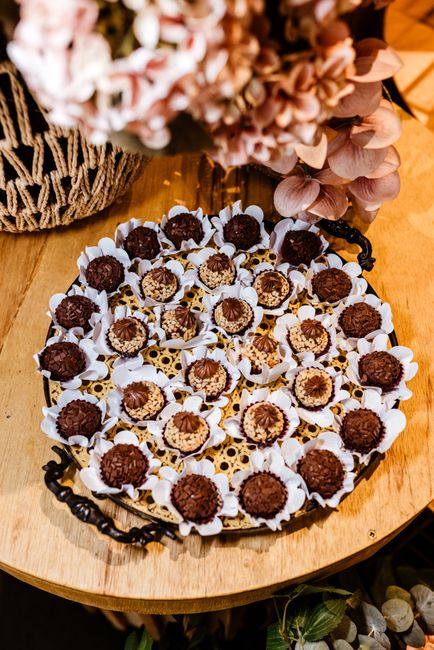
Okay, now that you know where to find the best chocolate, let's talk about how to truly appreciate it. Here are a few tips for tasting chocolate like a pro:
1. Use Your Senses: Before you even take a bite, take a moment to observe the chocolate. Look at its color, its sheen, and its texture. Smell it – what aromas do you detect? Notes of fruit, spice, or earthiness?
2. Break It: Listen to the snap as you break the chocolate. A clean, crisp snap indicates well-tempered chocolate.
3. Let It Melt: Place a small piece of chocolate on your tongue and let it melt slowly. Don't chew! Allow the flavors to develop and unfold gradually.
4. Pay Attention to Texture: Is it smooth, creamy, or grainy? Does it melt quickly or slowly?
5. Identify the Flavors: What flavors do you taste? Can you identify any specific notes, like fruit, nuts, caramel, or spice?
6. Consider the Finish: How long does the flavor linger after you've swallowed the chocolate? Is it a pleasant and satisfying finish?
7. Experiment: Don't be afraid to try different chocolates and compare their flavors and textures. The more you taste, the more you'll develop your palate and learn to appreciate the nuances of fine chocolate.
Where to Buy European Chocolate
Finding authentic European chocolate can sometimes be a challenge, but here are a few options:
a. Specialty Chocolate Shops: These are the best places to find a wide selection of high-quality European chocolates. The staff can often offer recommendations and help you find the perfect chocolate for your taste.
b. Online Retailers: There are many online retailers that specialize in European chocolate. Be sure to check reviews and look for reputable sellers.
c. Department Stores: Some department stores carry a selection of European chocolate brands.
d. Travel! Of course, the best way to experience European chocolate is to visit Europe and buy it directly from the source!
My Personal Chocolate Recommendations

Okay, here are a few of my personal favorite European chocolates:
- Neuhaus Pralines (Belgium): The Caprice is a must-try!
- Lindt Excellence 70% Cocoa (Switzerland): A classic for a reason.
- Valrhona Guanaja 70% (France): Intense and complex.
- Venchi Gianduiotti (Italy): Pure hazelnut heaven.
- Hotel Chocolat Dark Chocolate Slab (UK): So many delicious options!
- Valor Chocolate a la Taza (Spain): Perfect for a cozy night in.
The Joy of Chocolate: More Than Just a Treat
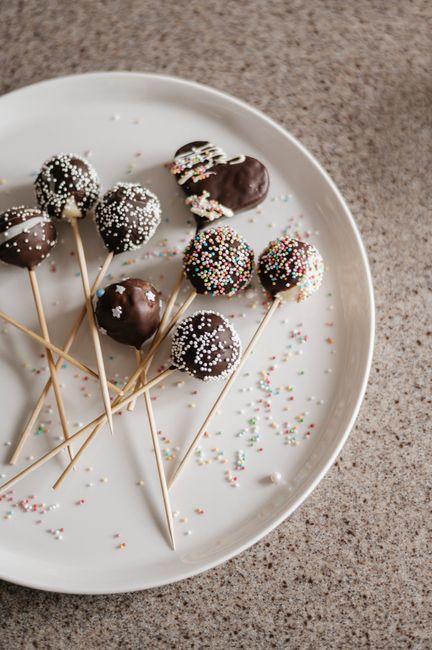
Ultimately, enjoying European chocolate is about more than just satisfying a sweet craving. It's about appreciating the craftsmanship, the quality ingredients, and the cultural traditions that go into making it. It's about taking a moment to savor the flavors and textures, and to indulge in a little bit of luxury. So, go ahead, treat yourself! Explore the world of European chocolate and discover your own personal favorites. I promise you won't regret it.
Happy chocolate tasting, my friends! And remember, life is too short to eat bad chocolate!
Post a Comment