European Etiquette: A Traveler's Guide to Respecting Local Customs

European Etiquette: A Traveler's Guide to Respecting Local Customs
Alright, friend, let's talk Europe! I know, I know, it's a big place, a continent bursting with history, culture, and enough delicious food to make your head spin. But before you pack your bags and hop on a plane, let's have a little heart-to-heart about something super important: European etiquette and respecting local customs. Trust me, understanding these nuances can make or break your trip, turning you from a typical tourist into a welcomed guest. I've learned this the hard way, trust me! A few awkward moments here and there are part of the experience, but a little preparation goes a long way.
Navigating the European Landscape: More Than Just Landmarks
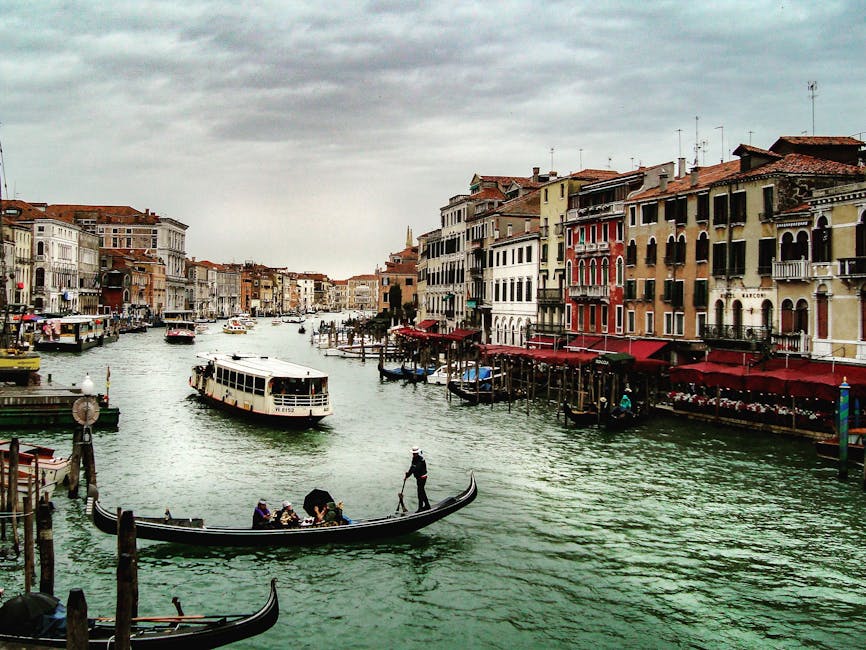
Europe isn't a monolith. What's perfectly acceptable in Barcelona might raise eyebrows in Berlin. That's why a one-size-fits-all approach to etiquette simply won't work. Think of it like this: each country, each region, even each city, has its own unique personality, its own set of unspoken rules that govern social interactions. It's this intricate tapestry of traditions that makes Europe so fascinating, but it also means you need to do your homework. Remember when I accidentally ate my paella with a fork instead of a spoon in Valencia? Let's just say the waiter's expression was priceless (and not in a good way!).
Why is Etiquette Important? Beyond Avoiding Awkwardness

It's easy to dismiss etiquette as fussy or outdated, but trust me, it's much more than that. It's about showing respect for the people and the culture you're visiting. By taking the time to learn and understand local customs, you're sending a message that you value their way of life. It's a gesture of goodwill that can open doors and create opportunities for genuine connection. Believe me, people appreciate the effort! It's the difference between being seen as just another tourist and being welcomed as someone who appreciates and respects their home.
The Art of Greetings: Mastering the Hello

Let's start with something basic but crucial: greetings. This is often the first interaction you'll have with someone, and it sets the tone for everything that follows. Forget the generic "Hey" or "What's up." In many European countries, a simple "Hello" (in the local language, of course!) followed by a "Good morning," "Good afternoon," or "Good evening" is much more appropriate. And don't forget the all-important handshake, kiss on the cheek, or bow! These vary wildly depending on the country and the relationship you have with the person.
Here's a quick rundown:
- The Handshake: Generally accepted in business settings and when meeting someone for the first time. A firm (but not bone-crushing!) handshake is usually the way to go.
- The Cheek Kiss: Oh, the infamous cheek kiss! This can be a minefield.
- France: The number of kisses varies from one to four depending on the region! Parisians usually do two.
- Spain: Two kisses, starting with the right cheek.
- Italy: Usually two kisses, also starting with the right cheek.
- Netherlands and Belgium: Three kisses, alternating cheeks.
Confused? Don't be! When in doubt, observe what others are doing and follow their lead.
- The Bow: More common in some Eastern European countries, particularly when greeting someone older or in a position of authority.
Remember to make eye contact and smile! It's a universal sign of friendliness. Just be mindful of being too overly enthusiastic. A little goes a long way.
Dining Etiquette: A Culinary Adventure

Food is a huge part of European culture, and dining is often a social event. Knowing the basics of dining etiquette can save you from potential faux pas and help you enjoy your meals to the fullest. Let's dive in:
- Napkin Placement: Place your napkin on your lap as soon as you sit down. If you need to leave the table temporarily, place your napkin on your chair.
- Utensil Usage: Work your way in from the outside. Fork on the left, knife on the right. Simple, right?
- Bread: Bread is usually served with meals, but it's not considered an appetizer. Tear off a piece with your hands instead of cutting it with a knife.
- Drinking: Don't start drinking until everyone has been served and someone (usually the host) makes a toast. Cheers-ing with eye contact is a must! And never, ever fill your own wine glass. Always offer to refill someone else's first.
- Talking with Your Mouth Full: This is a big no-no everywhere, but especially in Europe. Chew your food thoroughly and swallow before speaking.
- Tipping: Tipping practices vary from country to country. In some places, a service charge is already included in the bill. In others, it's customary to leave a small tip (around 10%). Do a little research beforehand to avoid over- or under-tipping.
- Leaving Food on Your Plate: In some cultures, leaving food on your plate is considered rude, implying that you didn't enjoy the meal. Try to finish everything, or at least most of it.
Beyond these basics, there are other customs to keep in mind. For example, in Italy, it's considered impolite to order a cappuccino after lunch. It's seen as a morning drink. And in France, don't even think about asking for ketchup with your steak! These are just a few examples of the subtle differences that can make a big impact. Don't worry too much if you make a small mistake. A genuine apology and willingness to learn goes a long way.
Language Matters: Speaking the Local Lingo (Even a Little)
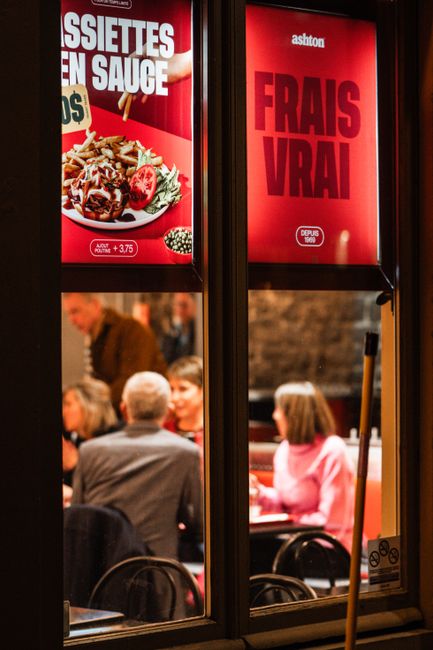
You don't need to be fluent in every European language, but learning a few basic phrases can go a long way. "Hello," "Thank you," "Please," "Excuse me," and "Do you speak English?" are essential. People will appreciate the effort you're making, even if you butcher the pronunciation! Trust me, even a clumsy attempt at speaking the local language shows respect and a willingness to connect. Download a language learning app before you go, or even just memorize a few key phrases. It will make a world of difference.
For example, saying "Merci" in France, "Gracias" in Spain, or "Grazie" in Italy shows that you're making an effort to connect with the local culture. It's a small gesture that can have a big impact.
Dress to Impress (Respectfully): Understanding Local Fashion
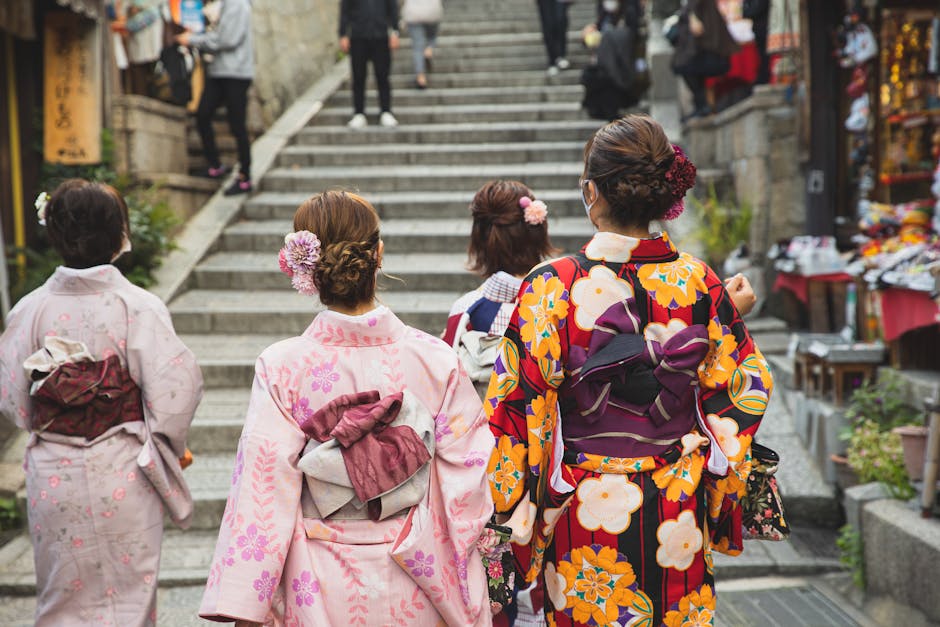
European fashion is diverse and varies greatly from country to country. While you don't need to completely overhaul your wardrobe, it's important to be mindful of how you dress, especially when visiting religious sites or more formal occasions. In general, Europeans tend to dress more formally than Americans. Think neat, clean, and put-together.
Here are a few things to keep in mind:
- Religious Sites: When visiting churches, mosques, or synagogues, dress modestly. Cover your shoulders and knees. Some places may even require you to cover your head.
- Formal Occasions: If you're attending a wedding, a concert, or a business meeting, dress appropriately. A suit or dress is usually a safe bet.
- Everyday Wear: Avoid wearing overly revealing clothing or athletic wear in public places.
- Footwear: Comfortable shoes are a must, especially if you plan on doing a lot of walking. But avoid wearing flip-flops in more formal settings.
Pay attention to how locals dress and try to emulate their style. It's a great way to blend in and show respect for the local culture.
Personal Space: Respecting Boundaries

Personal space is a cultural construct, and it varies greatly from country to country. In some European countries, people are more comfortable standing close to each other than in others. Pay attention to how people interact with each other and adjust your behavior accordingly. Avoid invading someone's personal space, especially when speaking to them. Backing away slightly or taking a step to the side is a good way to create a comfortable distance.
Public Transportation: Navigating the System Like a Pro

Public transportation is a fantastic way to get around Europe, but it's important to know the rules of the road (or rail!).
- Tickets: Always purchase a ticket before boarding and validate it if required. Fines for traveling without a valid ticket can be hefty.
- Priority Seating: Be prepared to offer your seat to elderly, pregnant, or disabled passengers.
- Noise Levels: Keep your voice down and avoid loud conversations or phone calls.
- Personal Space: Avoid taking up more than your fair share of space. Remove your backpack and place it on the floor.
- Queuing: Be patient and wait your turn. Pushing or cutting in line is considered extremely rude.
Learn the local customs for using public transportation to avoid sticking out like a sore thumb and to show respect for your fellow travelers.
Be Aware of Local Laws and Customs: Avoiding Trouble

Before you travel, take some time to research the local laws and customs. Some things that are perfectly legal in your home country might be illegal in Europe. For example, public drinking laws vary greatly from country to country. In some places, it's perfectly acceptable to drink beer in public, while in others, it's strictly prohibited.
Also be aware of local customs regarding tipping, bargaining, and photography. In some cultures, bargaining is expected, while in others, it's considered rude. And always ask for permission before taking someone's picture.
The Golden Rule: When in Doubt, Observe and Adapt

If you're ever unsure about something, the best thing to do is to observe how locals are behaving and adapt your behavior accordingly. Watch how people greet each other, how they dress, how they interact with each other in public spaces. Imitation is the sincerest form of flattery, and it's a great way to show respect for the local culture.
Don't be afraid to ask for help if you're confused. Most people are happy to assist you, especially if you approach them with a smile and a willingness to learn. Just remember to be polite and respectful, and you'll be well on your way to having a wonderful and enriching experience in Europe.
So, go forth and explore! Embrace the culture, learn the customs, and be respectful of the people you meet along the way. And remember, a little bit of preparation can go a long way in making your European adventure a truly unforgettable one. Bon voyage!
Post a Comment