Exploring European Cheese: A Guide for Cheese Lovers & Culinary Adventurers

Exploring European Cheese: A Guide for Cheese Lovers & Culinary Adventurers
Hey there, fellow cheese enthusiast! If you're anything like me, the mere mention of "European cheese" conjures up images of rolling hills, quaint villages, and an aroma that tickles your senses in the most delightful way. I've spent years exploring the vast and varied world of European cheeses, and let me tell you, it's a journey worth taking! I'm so excited to share some of my experiences and insights with you, so you can embark on your own cheesy adventure.
Why European Cheese is Special: A Personal Perspective

For me, European cheese isn't just food; it's an experience, a connection to history and tradition. Each cheese tells a story, reflecting the unique terroir of its region – the soil, climate, and even the local flora that influence the milk. It's this deep connection to place that sets European cheese apart. I remember visiting a small farm in the French Alps, watching the cheesemaker meticulously crafting Reblochon using techniques passed down through generations. That experience gave me a whole new appreciation for the artistry and dedication that goes into making these incredible cheeses.
Plus, the sheer variety is mind-boggling! From the sharp tang of a mature cheddar to the creamy decadence of a Camembert, there's a European cheese to satisfy every palate. It's like a culinary playground where you can constantly discover new flavors and textures. That's why I always encourage my friends to be adventurous and try something new. You never know what cheesy treasure you might uncover!
A Cheesy World Tour: Notable European Cheese Regions
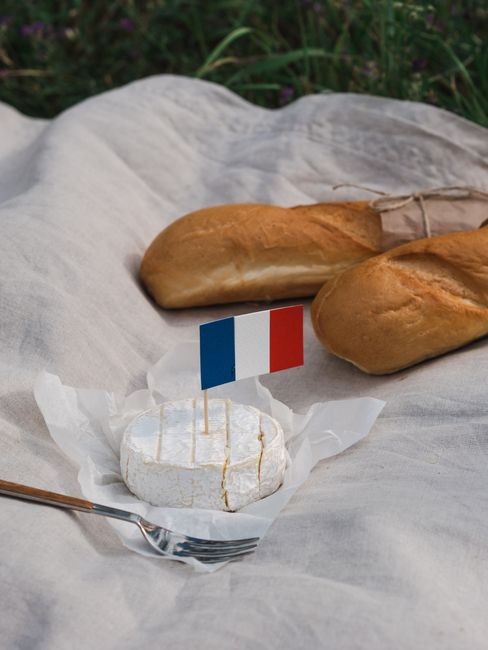
Let's take a whirlwind tour of some of Europe's most celebrated cheese regions. Consider this your cheese passport!
France: The Land of a Thousand Cheeses (and More!)
Ah, France! It's almost cliché to start here, but honestly, can you blame me? France is practically synonymous with cheese. Think about it: how many iconic cheeses originate from France? Here are a few of my favorites:
- Camembert: This soft, creamy, bloomy-rind cheese is a staple for a reason. When perfectly ripe, it's practically liquid gold. I love baking it with a drizzle of honey and some thyme – pure heaven!
- Brie: Similar to Camembert but often milder, Brie is another crowd-pleaser. Try it with fruit preserves or on a crusty baguette. It's simple yet elegant.
- Roquefort: If you're feeling adventurous, Roquefort is a must-try. This blue cheese, made from sheep's milk and aged in caves, has a pungent, salty flavor that's truly unique. I love pairing it with walnuts and pears.
- Comté: This hard, Alpine cheese is known for its complex, nutty flavor. It's aged for several months, sometimes even years, and the longer it ages, the more intense the flavor becomes. It's perfect for grating over pasta or enjoying on its own.
Italy: Beyond Pizza and Pasta, a Cheese Paradise
Italy is a culinary powerhouse, and its cheese selection is no exception. I've spent many happy afternoons wandering through Italian markets, sampling different cheeses and soaking up the atmosphere. Here are some Italian cheeses that have won my heart:
- Parmigiano-Reggiano: The "king of cheeses"! This hard, granular cheese is aged for at least 12 months, and the result is a complex, umami-rich flavor that's simply irresistible. I use it in countless dishes, from pasta sauces to gratins.
- Pecorino Romano: Another hard, salty cheese, Pecorino Romano is made from sheep's milk. It has a sharper, more pungent flavor than Parmigiano-Reggiano, making it perfect for grating over pasta or using in pestos.
- Mozzarella di Bufala Campana: This fresh mozzarella, made from buffalo milk, is incredibly creamy and delicate. It's best enjoyed simply, with a drizzle of olive oil and a sprinkle of salt. Caprese salad, anyone?
- Gorgonzola: Italy's answer to blue cheese, Gorgonzola is creamy and flavorful, with a distinctive blue veining. It comes in both sweet (dolce) and spicy (piccante) varieties. I love using it in salads or pairing it with figs and prosciutto.
The United Kingdom: Cheddar and Beyond
The UK might be best known for its cheddar, but don't underestimate the diversity of its cheese scene. From crumbly Wensleydale to tangy Stilton, there's plenty to explore. Here are a few British cheeses that have earned a spot on my cheese board:
- Cheddar: A classic for a reason, Cheddar is a hard, versatile cheese that comes in a variety of strengths and flavors. From mild and creamy to sharp and tangy, there's a Cheddar for every taste.
- Stilton: This blue cheese, known as the "king of English cheeses," has a rich, creamy texture and a pungent, complex flavor. It's traditionally enjoyed with port wine and walnuts.
- Wensleydale: A crumbly, slightly sweet cheese that's often paired with cranberries. It's a perfect addition to a cheese board or a light lunch.
Switzerland: Alpine Excellence
Switzerland is synonymous with stunning mountain landscapes and, of course, delicious Alpine cheeses! These cheeses are often made with milk from cows that graze on high-altitude pastures, giving them a unique flavor profile.
- Gruyère: A firm, nutty cheese that's perfect for fondue or gratins. It's also delicious on its own, with a crisp apple or a crusty baguette.
- Emmental: The iconic "Swiss cheese" with the holes! Emmental is a mild, slightly sweet cheese that's great for melting or snacking.
Spain: A Rising Star in the Cheese World
Spain's cheese scene is often overshadowed by its more famous neighbors, but it's definitely worth exploring. From the Manchego of La Mancha to the Idiazabal of the Basque Country, Spain offers a diverse range of flavorful cheeses.
- Manchego: Made from sheep's milk, Manchego is a firm, nutty cheese with a slightly tangy flavor. It's aged for several months, and the longer it ages, the more intense the flavor becomes. I love pairing it with quince paste (membrillo).
- Idiazabal: A smoked sheep's milk cheese from the Basque Country, Idiazabal has a smoky, nutty flavor that's truly unique. It's often served with crusty bread and a glass of Rioja wine.
Beyond the Basics: Less Common European Cheeses to Discover

Now that we've covered some of the more well-known European cheeses, let's venture off the beaten path and explore some hidden gems. These cheeses might be a bit harder to find, but the effort is well worth it!
- Halloumi (Cyprus): This semi-hard, unripened cheese is known for its high melting point, making it perfect for grilling or frying. It has a salty, slightly rubbery texture and a mild flavor.
- Feta (Greece): A crumbly, salty cheese made from sheep's milk (or a blend of sheep's and goat's milk), Feta is a staple in Greek cuisine. It's perfect for salads, pastries, or simply enjoying with a drizzle of olive oil.
- Selles-sur-Cher (France): A goat cheese from the Loire Valley, Selles-sur-Cher is distinguished by its ashed rind. It has a creamy, slightly tangy flavor that pairs well with fruit and nuts.
- Livorot (France): Washed rind cheese from Normandy region of France. Very distinctive and aromatic.
Building the Perfect European Cheese Board

Creating a cheese board is an art form, and it's one that I absolutely adore! Here are a few tips for crafting a cheese board that will impress your guests (and yourself!):
- Variety is key: Aim for a mix of textures, flavors, and milk types. Include a hard cheese, a soft cheese, a blue cheese, and a goat cheese.
- Consider accompaniments: Offer a selection of crackers, breads, fruits, nuts, and jams to complement the cheeses.
- Arrange attractively: Presentation matters! Arrange the cheeses artfully on the board, leaving space for the accompaniments.
- Label the cheeses: Help your guests identify the different cheeses by labeling them clearly.
- Serve at room temperature: This allows the flavors of the cheeses to fully develop.
Pairing European Cheese with Wine (and Other Beverages!)

One of the best things about European cheese is its versatility when it comes to pairings. Here are a few of my favorite cheese and beverage combinations:
- Camembert & Cider: The crisp acidity of cider cuts through the richness of Camembert beautifully.
- Roquefort & Sauternes: The sweet, honeyed notes of Sauternes complement the salty, pungent flavor of Roquefort perfectly.
- Parmigiano-Reggiano & Chianti: The bold tannins of Chianti stand up well to the umami-rich flavor of Parmigiano-Reggiano.
- Manchego & Sherry: The nutty, complex flavors of Sherry pair beautifully with the firm, nutty texture of Manchego.
- Halloumi & Lemonade: A refreshing combination! The salty, savory flavor of Halloumi is balanced by the tartness of lemonade.
Where to Buy European Cheese: My Secret Sources

Finding high-quality European cheese can sometimes be a challenge, but it's definitely worth the effort. Here are a few places where I like to shop:
- Specialty cheese shops: These shops often have a wide selection of European cheeses, as well as knowledgeable staff who can offer recommendations.
- Farmers' markets: Many farmers' markets feature vendors selling locally made cheeses, which are often just as delicious as their European counterparts.
- Online retailers: There are many online retailers that specialize in European cheeses, making it easy to order from the comfort of your own home.
- International Supermarkets: Some large international supermarkets have impressive cheese sections, offering a range of European cheeses.
Embarking on Your Own Cheese Journey
I hope this guide has inspired you to explore the wonderful world of European cheese! Remember to be adventurous, try new things, and most importantly, have fun. Cheese is meant to be enjoyed, so don't be afraid to experiment and discover your own personal favorites. And remember, the best cheese is the one you enjoy the most!
Happy cheese travels!
Post a Comment