Iceland: Fire, Ice, and Celestial Wonders Await!
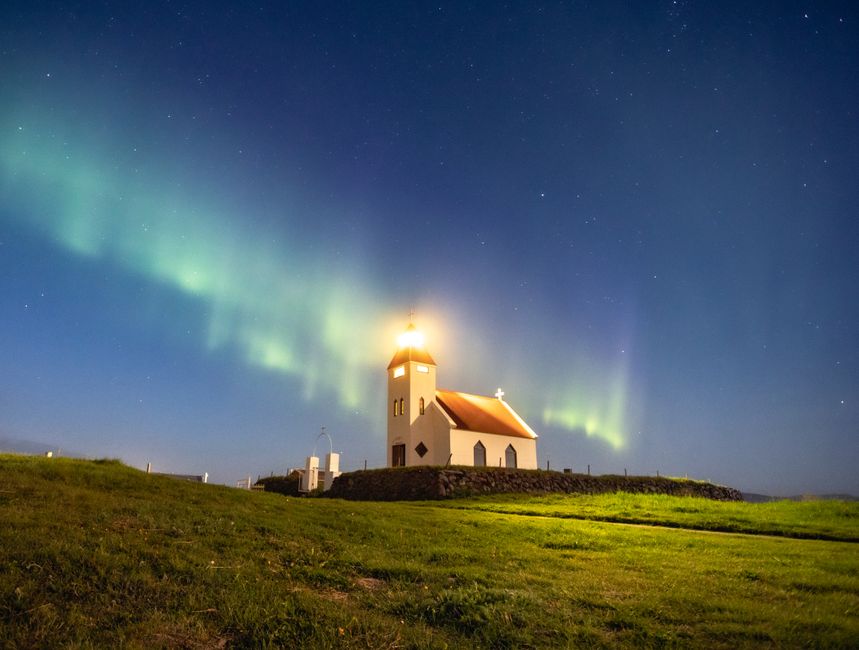
Iceland: Fire, Ice, and Celestial Wonders Await!
Hey there, fellow adventurer! Have you ever dreamed of a place where fiery volcanoes meet colossal glaciers, and where the sky dances with the ethereal glow of the Northern Lights? Well, let me tell you about Iceland – a land that completely stole my heart and continues to call to me with its wild, untamed beauty. I'm excited to share my experiences and insights with you, hoping to inspire you to experience the magic of Iceland for yourself.
Iceland's Volcanic Heartbeat: A Land Forged in Fire

Iceland is, quite literally, a land born of fire. Situated on the Mid-Atlantic Ridge, where the North American and Eurasian tectonic plates meet (and constantly push apart!), the island is a hotbed of geothermal activity. This ongoing geological drama has shaped the landscape into a breathtaking spectacle of volcanic craters, lava fields, and bubbling hot springs. Think of it as Mother Nature putting on a fiery show, just for you.
I remember my first encounter with Iceland's volcanic landscape so vividly. We were driving through the Reykjanes Peninsula, a UNESCO Global Geopark, and it felt like stepping onto another planet. Black lava rocks stretched as far as the eye could see, contrasting sharply with the steaming vents and vibrant geothermal pools. The air was thick with the scent of sulfur, a constant reminder of the Earth's powerful forces at work beneath our feet. It's an experience that truly awakens your senses.
Here are some volcanic areas you absolutely must explore:
- Reykjanes Peninsula: As I mentioned, this peninsula is a volcanic wonderland! Don't miss the Bridge Between Continents, where you can literally walk between the North American and Eurasian tectonic plates. Gunnuhver hot springs, with its powerful steam vents and mud pools, is another highlight. The recently active Fagradalsfjall volcano offers a surreal landscape if you can get close enough.
- Lake Mývatn: This area in Northern Iceland is a geothermal paradise. Explore the Dimmuborgir lava formations (featured in Game of Thrones!), hike up the Hverfjall crater, and soak in the Mývatn Nature Baths, a less crowded alternative to the Blue Lagoon. The pseudo craters are also a fascinating sight.
- Þórsmörk (Thorsmork): Accessible only by specially equipped vehicles (or organized tours!), this valley is nestled between glaciers and is a hiker's dream. The landscape is incredibly dramatic, with lush vegetation clinging to the volcanic slopes. The hike to Valahnúkur mountain offers stunning panoramic views.
Of course, witnessing an actual volcanic eruption is a rare and unforgettable experience. While I haven't been lucky enough to witness one firsthand in Iceland (yet!), the raw power and beauty of these events is undeniable. Even without an eruption, the volcanic landscape is a constant reminder of the forces that shaped our planet, and it's an incredibly humbling experience.
Glaciers: Icy Giants Carving Iceland's Beauty

The contrast between fire and ice is what makes Iceland so utterly unique. Covering approximately 11% of the country, glaciers are another defining feature of the landscape. These massive ice formations have sculpted the land over millennia, carving out fjords, valleys, and waterfalls. They're not just beautiful; they're also incredibly powerful forces of nature.
My glacier hike on Sólheimajökull glacier was definitely one of the highlights of my trip. Strapping on crampons and wielding an ice axe felt like stepping into an arctic adventure. Our guide was fantastic, teaching us about the glacier's formation, its movements, and the impact of climate change. The blue ice was mesmerizing, and the sheer scale of the glacier was awe-inspiring. Plus, it was great exercise!
Here are some glacier experiences you shouldn't miss:
- Jökulsárlón Glacier Lagoon: This lagoon, at the foot of Breiðamerkurjökull glacier, is a surreal landscape of icebergs floating serenely towards the sea. The icebergs come in all shapes and sizes, often streaked with black volcanic ash. Take a boat tour for a closer look, and keep an eye out for seals! Diamond Beach, just across the road, is where icebergs wash ashore, creating a truly magical scene.
- Skaftafell Nature Reserve: Part of Vatnajökull National Park, Skaftafell offers a variety of hiking trails, including hikes to Svartifoss waterfall, framed by basalt columns, and glacier walks on nearby glaciers. It's a great place to experience the glaciers up close without needing specialized equipment.
- Vatnajökull Glacier Ice Cave Tours: During the winter months, you can explore the stunning ice caves formed within Vatnajökull glacier. These caves are incredibly beautiful, with walls of shimmering blue ice. The tours are guided and require specialized equipment, but the experience is well worth it. Keep in mind that ice cave access depends on weather conditions and safety assessments.
Remember to dress warmly and in layers when visiting glaciers, even in summer. The weather can change quickly, and it's always better to be prepared. And always, always go with a reputable guide when venturing onto a glacier. These are powerful and potentially dangerous environments, and a knowledgeable guide will ensure your safety and enhance your experience.
The Northern Lights: Chasing the Aurora Borealis
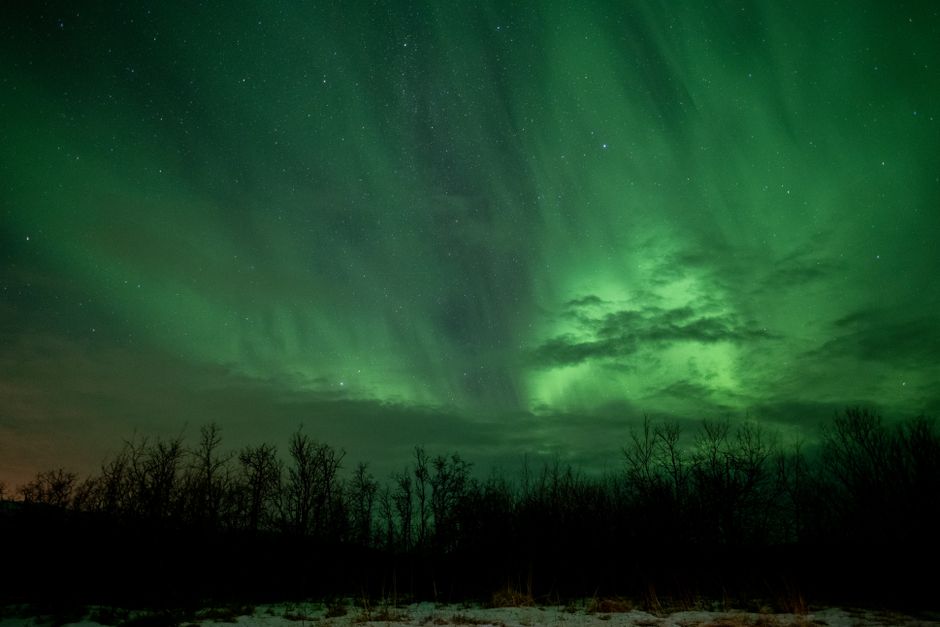
And now, for the grand finale: the Northern Lights, also known as the Aurora Borealis. This celestial phenomenon is perhaps the most iconic image associated with Iceland, and for good reason. Witnessing the aurora dance across the night sky is an experience that will stay with you forever. It's like watching a living, breathing masterpiece painted across the heavens.
I'll never forget the first time I saw the Northern Lights in Iceland. We had driven out to Þingvellir National Park, far from any light pollution. As darkness fell, a faint green glow appeared on the horizon. Gradually, the glow intensified, transforming into shimmering curtains of light that danced and swirled across the sky. It was absolutely breathtaking. I felt an overwhelming sense of awe and wonder.
Here are some tips for chasing the Northern Lights in Iceland:
- Visit during the winter months: The best time to see the Northern Lights is from late September to early April, when the nights are long and dark.
- Get away from light pollution: The farther you are from city lights, the better your chances of seeing the aurora. Þingvellir National Park, the Snæfellsnes Peninsula, and the Westfjords are all excellent locations.
- Check the aurora forecast: Websites like the Icelandic Meteorological Office (vedur.is) provide aurora forecasts, which predict the likelihood of seeing the Northern Lights based on solar activity. Look for a Kp index of 3 or higher.
- Be patient: The Northern Lights are a natural phenomenon, and there's no guarantee you'll see them. Be prepared to wait, and keep checking the sky.
- Consider a guided tour: Many tour operators offer Northern Lights tours, which take you to the best viewing locations and provide expert guidance on spotting the aurora. They often provide hot drinks and blankets too!
The Northern Lights are notoriously fickle, but with a little planning and a lot of patience, you'll increase your chances of witnessing this incredible spectacle. Even if you don't see the aurora, the Icelandic night sky is still a sight to behold, with millions of stars twinkling overhead.
Beyond the Big Three: Discovering Iceland's Hidden Gems

While volcanoes, glaciers, and the Northern Lights are undoubtedly the stars of the show, Iceland has so much more to offer. Here are some other experiences that I highly recommend:
- The Blue Lagoon: This geothermal spa is one of Iceland's most popular attractions, and for good reason. The milky blue water is rich in minerals and is said to have therapeutic properties. Book your tickets in advance, as it can get crowded.
- Waterfalls Galore: Iceland is home to countless stunning waterfalls. Seljalandsfoss, where you can walk behind the cascading water, and Skógafoss, with its frequent rainbows, are two of the most famous. Dettifoss, Europe's most powerful waterfall, is another must-see. Gullfoss, part of the Golden Circle, is impressive in its size and power.
- The Golden Circle: This popular tourist route includes Þingvellir National Park, Geysir geothermal area, and Gullfoss waterfall. It's a great way to experience some of Iceland's most iconic sights in a single day.
- The Snæfellsnes Peninsula: Often called "Iceland in Miniature," this peninsula offers a diverse range of landscapes, including glaciers, lava fields, waterfalls, and charming fishing villages. Kirkjufell mountain is a photographer's dream.
- Whale Watching: Iceland is a great place to see whales in their natural habitat. Tours depart from Reykjavik, Húsavík (the whale watching capital of Iceland!), and other coastal towns.
- Horseback Riding: The Icelandic horse is a unique breed, known for its small stature and friendly temperament. Horseback riding tours are a great way to explore the Icelandic countryside.
Don't be afraid to venture off the beaten path and explore some of Iceland's lesser-known gems. The Westfjords, for example, are a remote and rugged region with stunning fjords, dramatic cliffs, and charming fishing villages. The Eastfjords offer a similar experience, with fewer crowds and more opportunities to connect with nature. And if you're a fan of puffins, a boat trip to the Westman Islands is a must.
Planning Your Icelandic Adventure: Practical Tips

Okay, so you're convinced that Iceland is the place for you. Excellent! Here are some practical tips to help you plan your adventure:
- Best time to visit: The best time to visit Iceland depends on your priorities. Summer (June-August) offers the warmest weather and the longest daylight hours, making it ideal for hiking and exploring. Winter (November-March) is the best time to see the Northern Lights, but the weather can be unpredictable. Spring (April-May) and autumn (September-October) offer a good balance of weather and fewer crowds.
- Accommodation: Accommodation in Iceland can be expensive, especially during peak season. Book your accommodation well in advance, especially if you're traveling during the summer. Options range from hotels and guesthouses to hostels and camping.
- Transportation: Renting a car is the best way to explore Iceland at your own pace. A 4x4 vehicle is recommended, especially if you plan to drive on F-roads (mountain roads) in the highlands. Alternatively, you can join organized tours. Public transportation is limited, especially outside of Reykjavik.
- What to pack: Pack for all types of weather, even in summer. Layers are key! Bring waterproof and windproof clothing, sturdy hiking boots, a hat, gloves, and a scarf. Don't forget your swimsuit for the hot springs!
- Food: Icelandic cuisine is unique and delicious. Try traditional dishes like lamb soup, fish stew, and skyr (a type of yogurt). Eating out can be expensive, so consider packing snacks and cooking some of your own meals.
- Currency: The currency in Iceland is the Icelandic króna (ISK). Credit cards are widely accepted.
- Respect the environment: Iceland is a fragile ecosystem. Please be mindful of the environment and follow Leave No Trace principles. Stay on marked trails, don't litter, and respect wildlife.
Iceland: An Unforgettable Journey
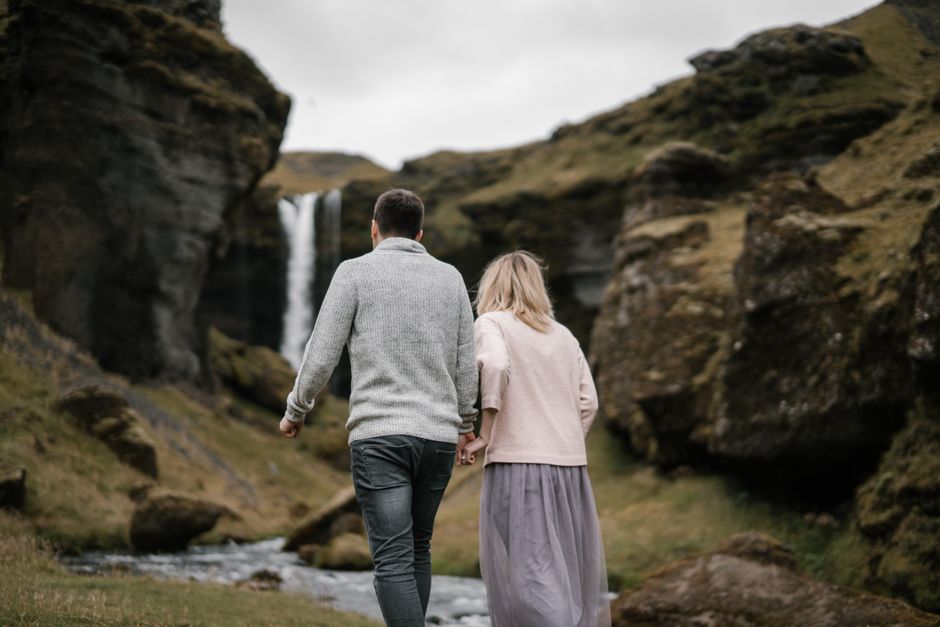
Iceland is more than just a destination; it's an experience. It's a place where you can witness the raw power of nature, marvel at breathtaking landscapes, and connect with yourself in a profound way. From the fiery volcanoes to the icy glaciers and the ethereal Northern Lights, Iceland offers an adventure unlike any other. So, pack your bags, book your flights, and get ready to experience the magic of Iceland. You won't regret it!
I hope my experiences and insights have inspired you to explore this incredible country. If you have any questions, feel free to ask! Happy travels!
Post a Comment