Iceland: Fire, Ice, and Celestial Spectacle – Chasing Volcanoes, Glaciers & Northern Lights
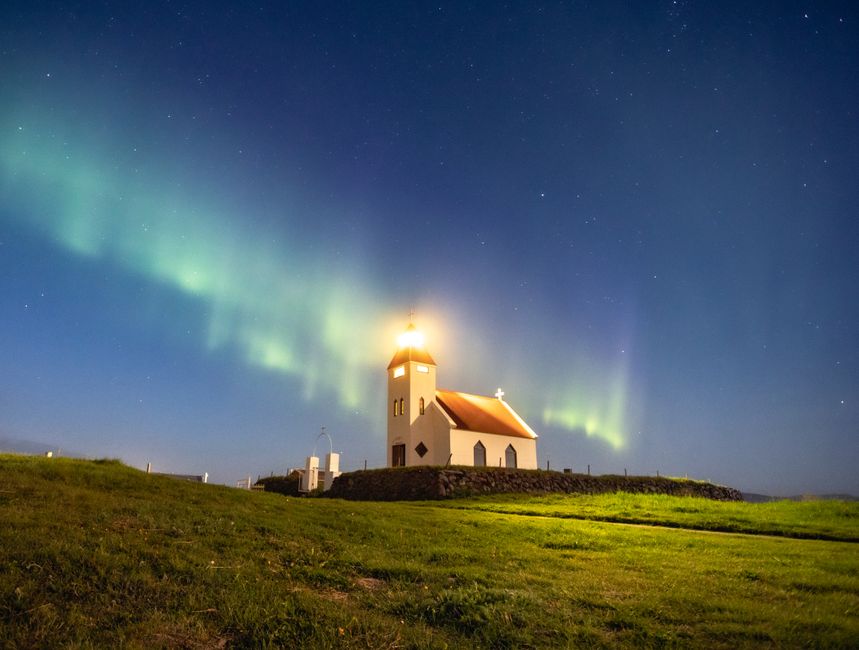
Iceland: Fire, Ice, and Celestial Spectacle – Chasing Volcanoes, Glaciers & Northern Lights
Okay, let's be real: Iceland is more than just pretty pictures on Instagram. It's an experience. It's a place that shakes you to your core with its raw, untamed beauty. I remember landing at Keflavik for the first time, and even just the drive from the airport felt otherworldly. You're immediately greeted by vast lava fields, sculpted by centuries of volcanic activity, and a sky that feels impossibly large. And that was just the beginning! Since then, I've been back several times, each trip revealing new facets of this incredible island nation. Today, I want to share some of my adventures exploring Iceland's volcanoes, glaciers, and, of course, the magical Northern Lights. Buckle up; it's going to be an epic ride.
Iceland's Fiery Heart: A Volcanic Wonderland
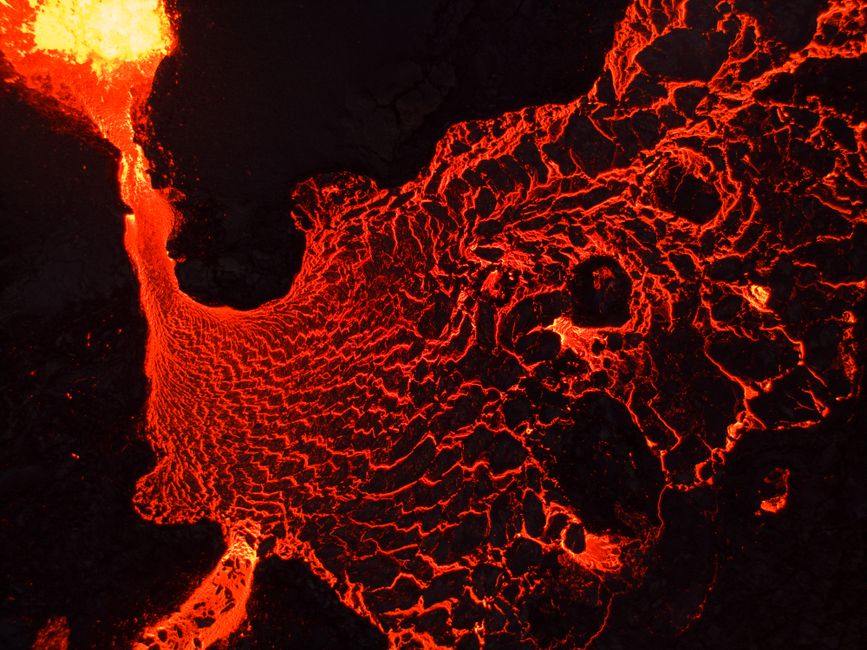
Iceland's volcanic activity is what truly sets it apart. Sitting atop the Mid-Atlantic Ridge, where the North American and Eurasian tectonic plates are constantly pulling apart, it's a geological hotspot. This constant tug-of-war creates fissures in the earth, allowing molten rock to bubble up, forming volcanoes and shaping the landscape in dramatic ways. Let me tell you, witnessing this firsthand is humbling. You feel the earth breathing.
One of my most memorable experiences was visiting the Þingvellir National Park. Yes, it's a UNESCO World Heritage site and historically significant (it's where the Icelandic parliament was founded over a thousand years ago), but geologically, it's mind-blowing. You can actually walk between the tectonic plates! Standing there, straddling two continents, I felt like I was witnessing the slow, powerful forces that shape our planet. The Almannagjá gorge, a prominent feature of the park, is a stunning example of this rifting. It's a visual representation of the earth's ongoing evolution.
Now, let's talk about some specific volcanoes. While I haven't personally witnessed an eruption (though I'd be lying if I said I wasn't a little curious!), I've explored several volcanic regions. Here are a couple that stand out:
- Hekla: Known as the "Gateway to Hell" in the Middle Ages, Hekla is one of Iceland's most active volcanoes. While its last eruption was in 2000, it's still closely monitored. The landscape around Hekla is surreal, with black lava fields stretching as far as the eye can see.
- Eyjafjallajökull: You might remember this one from 2010, when its eruption grounded air travel across Europe. Its ash plume was massive! Today, you can visit the area and learn about the eruption's impact at the Þorvaldseyri Visitor Centre. Seeing the farms covered in ash gives you a real sense of the power of nature.
Visiting volcanic regions requires caution. Always check weather conditions and follow local advice. There are also guided tours available, which I highly recommend. Experienced guides can provide valuable insights into the geological processes and ensure your safety. Remember, these are active areas, and conditions can change rapidly.
The Glacial Giants: A Realm of Ice and Wonder
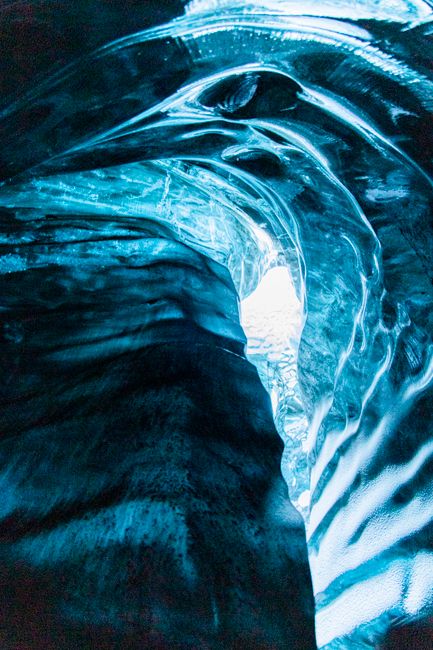
Iceland is not just about fire; it's also about ice. Glaciers cover roughly 11% of the country, carving out valleys, shaping coastlines, and adding to the dramatic scenery. These glacial giants are a sight to behold, shimmering in shades of blue and white under the Arctic sun.
My first encounter with a glacier was at Sólheimajökull. It's relatively easy to access, making it a popular spot for glacier hiking. Donning crampons and wielding an ice axe, I felt like a true explorer. The ice was surprisingly blue, with deep crevasses snaking across the surface. Our guide explained how glaciers are formed, how they move, and the impact of climate change on their size and stability. It was both fascinating and sobering.
Another highlight was visiting Jökulsárlón glacier lagoon. This breathtaking lagoon is filled with icebergs that have calved off the Breiðamerkurjökull glacier. The icebergs come in all shapes and sizes, some glistening white, others striped with black volcanic ash. Seals often bask on the ice, adding to the magical atmosphere. I spent hours just wandering along the shore, watching the icebergs drift out to sea. The nearby Diamond Beach, where icebergs wash ashore on the black sand, is equally mesmerizing. It's truly a photographer's paradise.
If you're planning to explore Iceland's glaciers, here are a few tips:
- Take a guided tour: Glacier hiking and ice climbing can be dangerous without proper equipment and training. Guided tours are the safest and most informative way to experience the glaciers.
- Dress in layers: The weather on the glaciers can be unpredictable. Be prepared for cold temperatures, wind, and potential rain.
- Wear sturdy hiking boots: Good ankle support is essential for navigating the uneven terrain.
- Bring sunglasses and sunscreen: The sun reflecting off the ice can be intense, even on cloudy days.
Remember that glaciers are dynamic and constantly changing. Respect their power and be mindful of your surroundings.
Chasing the Aurora: Dancing Lights in the Night Sky
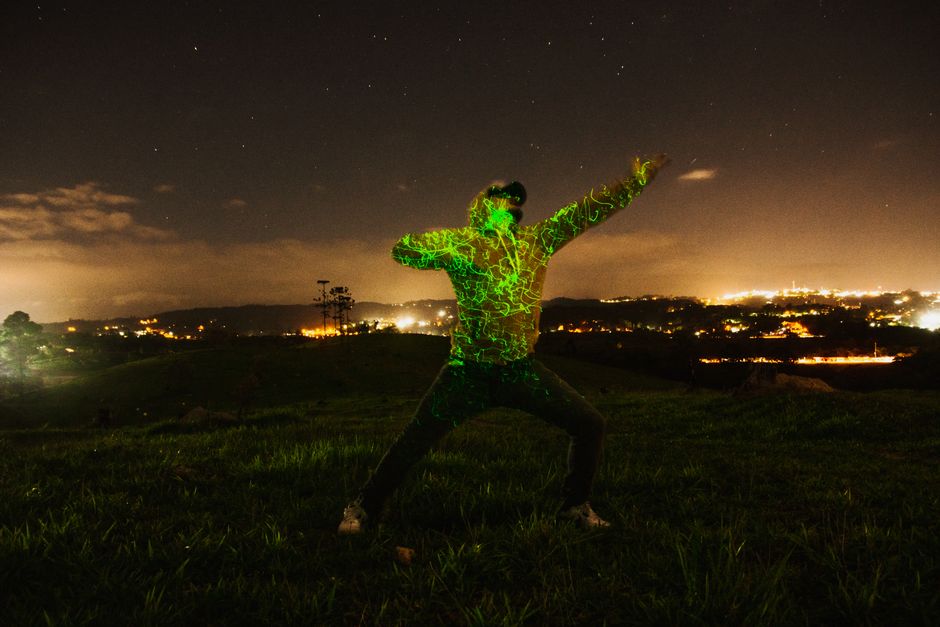
Now, for the grand finale: the Northern Lights, or Aurora Borealis. This celestial spectacle is undoubtedly one of the most magical experiences you can have in Iceland. Imagine standing under a dark sky, watching shimmering green, pink, and purple curtains dance across the horizon. It's breathtaking, awe-inspiring, and something you'll never forget.
Seeing the Northern Lights requires a combination of factors: dark skies, clear weather, and solar activity. You need to be away from city lights, which means venturing into the countryside. I've had some of my best aurora viewing experiences in remote areas like the Snaefellsnes Peninsula and the Westfjords. These regions offer dark skies and stunning landscapes, making them ideal for aurora hunting.
Predicting the aurora is not an exact science, but there are resources you can use to increase your chances. Websites like the Icelandic Meteorological Office and Aurora Forecast provide real-time information on aurora activity, cloud cover, and geomagnetic conditions. The Kp-index, a measure of geomagnetic activity, is a key indicator. A higher Kp-index means a greater chance of seeing the aurora.
Here are some tips for aurora chasing:
- Check the aurora forecast: Pay attention to the Kp-index and cloud cover predictions.
- Find a dark location: Get away from city lights. Use a light pollution map to find suitable spots.
- Be patient: The aurora can appear and disappear quickly. Be prepared to wait.
- Dress warmly: You'll be standing outside in the cold for extended periods. Wear layers, including a hat, gloves, and scarf.
- Bring a camera: Capture the magic of the aurora with a good camera and tripod.
One of my most memorable aurora experiences was on a cold February night. We drove out to a remote spot near Thingvellir National Park, parked the car, and waited. At first, nothing. We almost gave up, but then, suddenly, a faint green glow appeared on the horizon. Gradually, it intensified, forming shimmering curtains that danced across the sky. The colors shifted from green to pink to purple, and the lights seemed to pulse with energy. It was an incredible display, and I felt a profound sense of wonder. It's a memory I'll cherish forever.
Even if you don't see the aurora on your first attempt, don't be discouraged. Keep trying. The pursuit is part of the adventure. And even if the lights don't show up, you'll still be treated to breathtaking night skies filled with stars. The Icelandic night sky is truly something special.
Planning Your Icelandic Adventure: Tips and Considerations

So, you're ready to embark on your own Icelandic adventure? Awesome! Here are a few practical tips to help you plan your trip:
- Best time to visit: The best time to see the Northern Lights is during the winter months (September to April) when the nights are long and dark. For glacier hiking and exploring the highlands, summer (June to August) is ideal.
- Accommodation: Iceland offers a variety of accommodation options, from hotels and guesthouses to hostels and campsites. Book in advance, especially during peak season.
- Transportation: Renting a car is the best way to explore Iceland independently. A 4x4 vehicle is recommended, especially if you plan to drive on the F-roads (mountain roads) in the highlands. Public transportation is limited.
- Clothing: Pack for all types of weather. Layers are essential. Bring waterproof and windproof outerwear, warm sweaters, hats, gloves, and sturdy hiking boots.
- Food: Food in Iceland can be expensive. Consider packing some snacks and drinks to save money. There are supermarkets in Reykjavik and other towns where you can stock up.
- Currency: The currency in Iceland is the Icelandic króna (ISK). Credit cards are widely accepted.
- Language: The official language is Icelandic. English is widely spoken.
Beyond the volcanoes, glaciers, and Northern Lights, Iceland has so much more to offer. Explore the charming towns, soak in the geothermal hot springs, hike through the stunning landscapes, and immerse yourself in the Icelandic culture. It's a journey that will stay with you long after you've returned home.
Respecting Iceland's Natural Wonders

Finally, and this is super important, let's talk about responsible tourism. Iceland's natural environment is fragile, and it's our responsibility to protect it. Here are a few things to keep in mind:
- Stay on marked trails: Avoid walking on fragile vegetation or disturbing wildlife.
- Leave no trace: Pack out everything you pack in. Dispose of waste properly.
- Respect the environment: Avoid damaging or defacing natural features.
- Be mindful of wildlife: Observe animals from a distance and avoid disturbing them.
- Support sustainable tourism: Choose tour operators and businesses that are committed to environmental protection.
By traveling responsibly, we can help ensure that Iceland's natural wonders will be preserved for future generations to enjoy. Let's treat this incredible place with the respect it deserves.
So, there you have it – my take on Iceland's volcanoes, glaciers, and Northern Lights. It's a place that has captured my heart and continues to inspire me. I hope my experiences and insights have inspired you to plan your own Icelandic adventure. Trust me, it's a trip you'll never forget. Happy travels!
Post a Comment