Italian Food Beyond the Tourist Traps: A Culinary Adventure
Italian Food Beyond the Tourist Traps: A Culinary Adventure
Okay, friend, let's talk Italian food. We all know and love it – the pasta, the pizza, the rich sauces… But let's be honest, sometimes what we find abroad, or even in the tourist-heavy zones of Italy, isn't quite the real deal. It's often a watered-down, Americanized (or otherwise internationalized) version of the true culinary treasures Italy has to offer. So, how do we ditch the tourist traps and discover the authentic, soul-satisfying Italian food that locals actually eat? That's what we're diving into today. Consider this your personal guide to navigating the delicious landscape beyond the obvious.
Finding Authentic Italian Restaurants: Ditch the Obvious

First things first: location, location, location. The restaurants clustered around major tourist attractions – the Colosseum in Rome, St. Mark's Square in Venice, the Duomo in Florence – are generally going to cater to a specific clientele: tourists. And while some of these places might be okay, they often prioritize speed and cost-effectiveness over quality and authenticity. Think about it: they're churning out hundreds of meals a day, so they're not exactly lovingly crafting each dish with nonna's secret recipe.
Instead, venture away from the main thoroughfares. A few blocks, or even a side street over, can make a world of difference. The goal is to find places where locals are eating. These are the spots that rely on repeat business and word-of-mouth recommendations, so they have a vested interest in maintaining high standards. Look for these clues:
- Listen for Italian being spoken: This sounds obvious, but if you only hear English, that's a red flag. Ideally, you want to hear the lively chatter of Italians enjoying their meals.
- Observe the clientele: Are there families dining? Older couples? Business people on their lunch break? These are all good signs that the restaurant is a local favorite.
- Check the menu: Are the dishes described in Italian, even if there's an English translation? Is the menu short and seasonal, reflecting what's fresh and available? Avoid places with endless menus offering every Italian dish under the sun.
- Trust your instincts: Does the restaurant feel warm and inviting? Does the staff seem friendly and passionate about the food? A genuine smile and a willingness to answer your questions are always good indicators.
Understanding Regional Italian Cuisine: It's More Than Just Pasta

Italy isn't just one homogenous food culture; it's a collection of distinct regions, each with its own culinary traditions and specialities. Think of it like this: Italian food is a vast and beautiful garden, and each region is a unique flower with its own colors, fragrance, and characteristics. Getting acquainted with these regional differences will not only enrich your dining experience but also help you make more informed choices when ordering.
For example:
- Tuscany: Known for its simple, rustic dishes using fresh, local ingredients. Think hearty ribollita (a bread and vegetable soup), bistecca alla fiorentina (a thick-cut steak), and pappa al pomodoro (a tomato and bread soup). Olive oil reigns supreme here.
- Emilia-Romagna: The home of Parmesan cheese, balsamic vinegar, and prosciutto di Parma. This region is a foodie paradise, known for its rich pasta dishes like tortellini in brodo (tortellini in broth) and lasagna bolognese.
- Campania: The birthplace of pizza! Also famous for its fresh seafood, mozzarella di bufala (buffalo mozzarella), and limoncello. You absolutely must try a simple Margherita pizza here – it's a life-changing experience.
- Sicily: A melting pot of cultures and flavors, Sicilian cuisine is influenced by Greek, Arab, and Norman traditions. Expect dishes like arancini (fried rice balls), pasta alla Norma (pasta with eggplant, tomato sauce, and ricotta salata), and cannoli (crispy pastry tubes filled with sweet ricotta cream).
Before you travel to a specific region, do a little research to discover its culinary specialties. This will allow you to seek out authentic dishes and avoid ordering something generic that you could find anywhere.
Decoding the Menu: Beyond Spaghetti and Meatballs

Okay, so you've found a promising restaurant that seems to be frequented by locals. Now comes the fun part: navigating the menu! Forget about what you think you know about Italian food based on what you've eaten outside of Italy. This is where things get interesting.
Firstly, understand the typical Italian meal structure. It usually consists of:
- Antipasto: An appetizer, often a selection of cured meats, cheeses, olives, and vegetables. Perfect for sharing.
- Primo: The first course, usually a pasta or risotto dish.
- Secondo: The second course, typically meat or fish.
- Contorno: A side dish, usually vegetables. Often ordered separately to accompany the secondo.
- Dolce: Dessert. Tiramisu, panna cotta, and gelato are classics.
- Caffè: Coffee, usually espresso. Italians rarely drink milky coffees after a meal.
- Digestivo: A digestif, such as grappa or limoncello, to aid digestion.
You don't have to order every course, of course! But knowing the structure will help you understand the menu and choose dishes that complement each other. Don't be afraid to ask the waiter for recommendations. They are usually happy to guide you and suggest dishes that are in season or particularly good that day.
Here are some common menu items to watch out for:
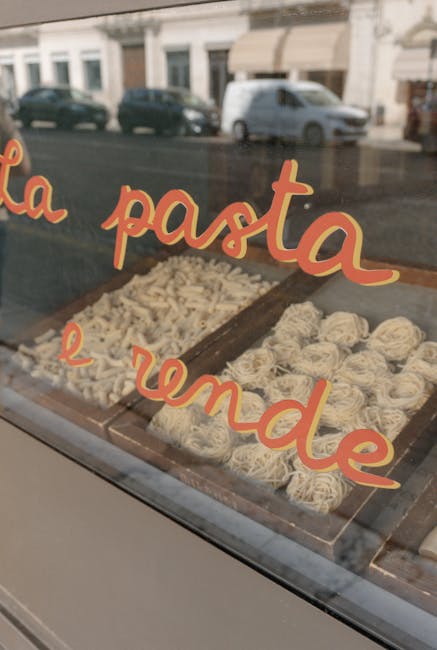
- "Pasta fatta in casa": This means "homemade pasta," and it's almost always a good sign. Fresh pasta has a superior texture and flavor compared to dried pasta.
- "Prodotti locali": This indicates that the restaurant uses local products, which is a sign of quality and freshness.
- "Piatti del giorno": These are the "dishes of the day," which are often based on seasonal ingredients. They're a great way to try something new and exciting.
- Avoid dishes like "spaghetti and meatballs" or "fettuccine alfredo": These are Americanized versions of Italian dishes that you won't find on a traditional Italian menu.
Embrace the Simplicity: Less is Often More

One of the things that I love most about authentic Italian food is its simplicity. It's not about elaborate sauces or complicated preparations. It's about using fresh, high-quality ingredients and letting their natural flavors shine through. Think about a perfectly ripe tomato, a drizzle of fragrant olive oil, a sprinkle of sea salt – that's all it takes to create a masterpiece.
Don't be afraid to order simple dishes. Sometimes, the most unassuming items on the menu are the most delicious. A plate of fresh pasta with butter and sage, or a grilled fish with lemon and herbs, can be incredibly satisfying. The key is to focus on the quality of the ingredients.
This also means being open to trying dishes you've never heard of before. Ask the waiter what they recommend, or simply point to something on the menu that looks interesting. You might discover a new favorite dish!
Speak the Language (A Little): It Goes a Long Way

You don't need to be fluent in Italian to have a great dining experience, but learning a few basic phrases can go a long way in showing respect and appreciation for the local culture. Even a simple "Buongiorno" (good morning/afternoon) or "Grazie" (thank you) can make a positive impression.
Here are some other useful phrases to learn:
- "Un tavolo per due, per favore": A table for two, please.
- "Il menu, per favore": The menu, please.
- "Cosa mi consiglia?": What do you recommend?
- "Acqua frizzante/naturale": Sparkling/still water.
- "Il conto, per favore": The bill, please.
- "Era delizioso!": It was delicious!
Even if you mispronounce something, the effort will be appreciated. Italians are generally warm and welcoming, and they'll be happy to help you out.
Beyond Restaurants: Explore Local Markets and Food Shops
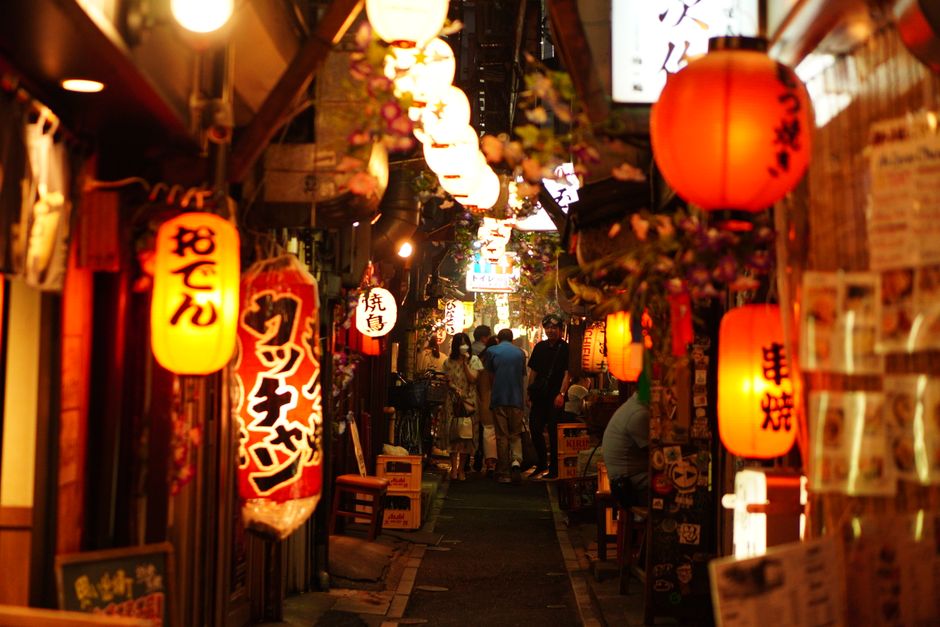
To truly immerse yourself in Italian food culture, don't just limit yourself to restaurants. Venture out and explore local markets and food shops. These are treasure troves of culinary delights, where you can discover regional specialties, sample local products, and chat with passionate vendors.
Markets are the perfect place to buy fresh produce, cheeses, meats, and other ingredients. They're also a great place to people-watch and soak up the local atmosphere. Look for markets that are frequented by locals, not just tourists. These are usually the most authentic and offer the best prices.
Food shops, like salumerias (delicatessens) and pasticcerias (pastry shops), are another must-visit. Sample local cheeses, cured meats, and pastries, and stock up on snacks for your travels. Don't be afraid to ask for recommendations or try something new. The shop owners are usually experts in their products and are happy to share their knowledge.
Final Thoughts: Embrace the Adventure and Enjoy the Journey

Discovering authentic Italian food is an adventure, and it's a journey that's worth taking. By venturing beyond the tourist traps, exploring regional specialties, and embracing the simplicity of Italian cuisine, you can unlock a world of culinary delights that will tantalize your taste buds and leave you with unforgettable memories. So, pack your bags (and your appetite!), and get ready to embark on a delicious adventure. Buon viaggio and buon appetito!
Remember, the most important ingredient in any Italian dish is love. Whether it's the love of the chef who carefully prepares each meal or the love of the family who gathers around the table to share it, that's what truly makes Italian food so special. And that's something you can taste in every bite.
Post a Comment